Friday☕️


Trending:
- On December 18, 2025, thousands of farmers—mainly from Belgium, the Netherlands, France, and neighboring countries—descended on Brussels with approximately 1,000 tractors, blocking major roads in the European quarter during an ongoing EU leaders' summit. Organized by over 40 farming groups including Copa-Cogeca, protesters burned tires, lit bonfires, threw eggs and potatoes, and clashed with riot police, who deployed tear gas and water cannons. The demonstration disrupted traffic and drew attention to agricultural grievances, resulting in EU leaders postponing the planned signing of the EU-Mercosur trade agreement until mid-January 2026.

- The core protest targeted the proposed EU-Mercosur free-trade deal, agreed in principle in December 2024 after 25 years of negotiations, which would eliminate tariffs on 91-93% of goods and create the world's largest free-trade area covering nearly 780 million people. Farmers oppose limited import quotas for sensitive Mercosur products—such as 99,000 tonnes of beef at reduced tariffs, 180,000 tonnes of poultry duty-free, and quotas for sugar, rice, and honey—fearing unfair competition from cheaper imports produced under lower environmental, animal welfare, health, and labor standards than those required in the EU. Additional concerns include European Commission proposals for post-2027 Common Agricultural Policy reforms, potentially involving subsidy cuts and stricter regulations, amid rising costs and existing green rules.
Economics & Markets:
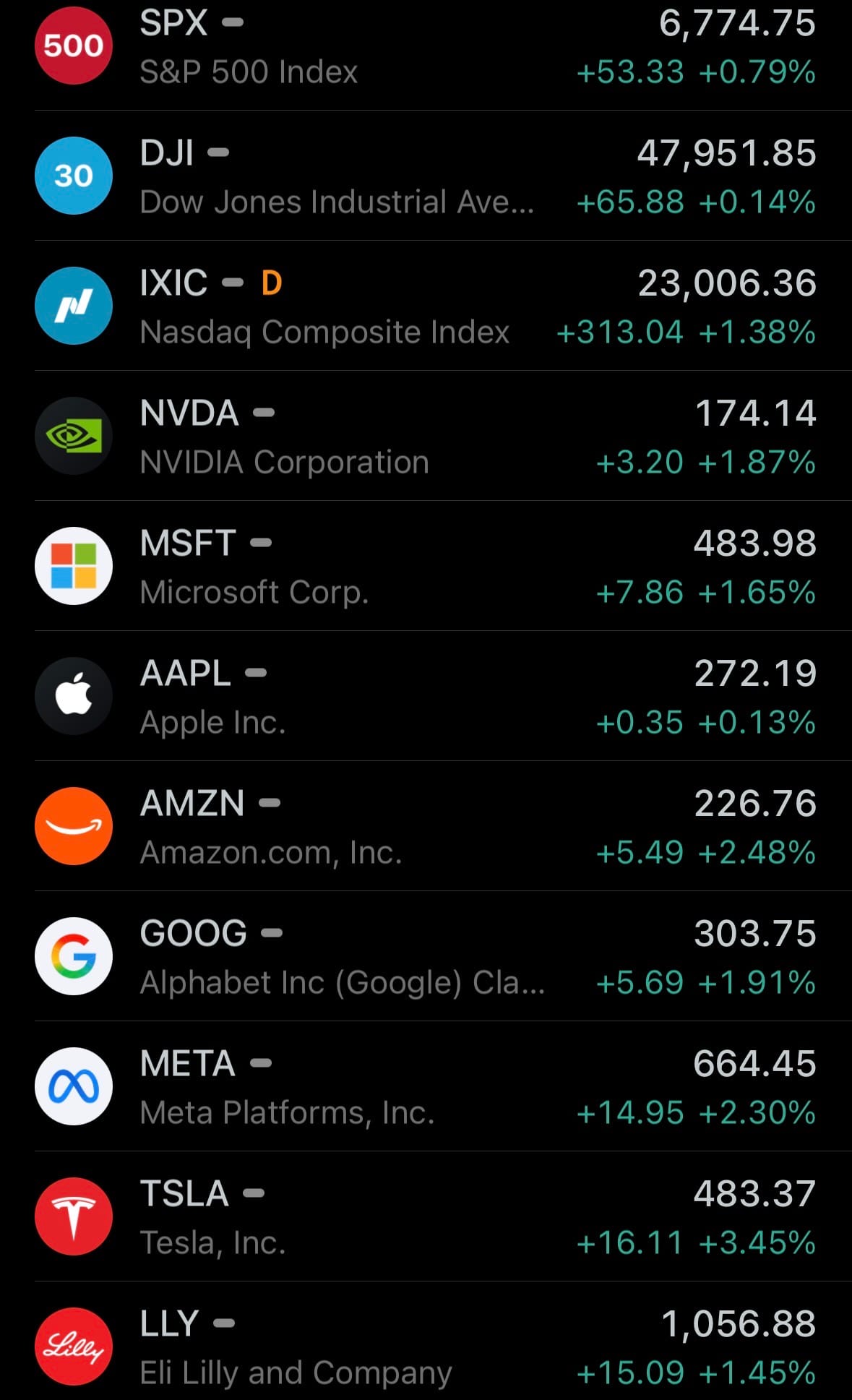
- Yesterday’s U.S. stock market:
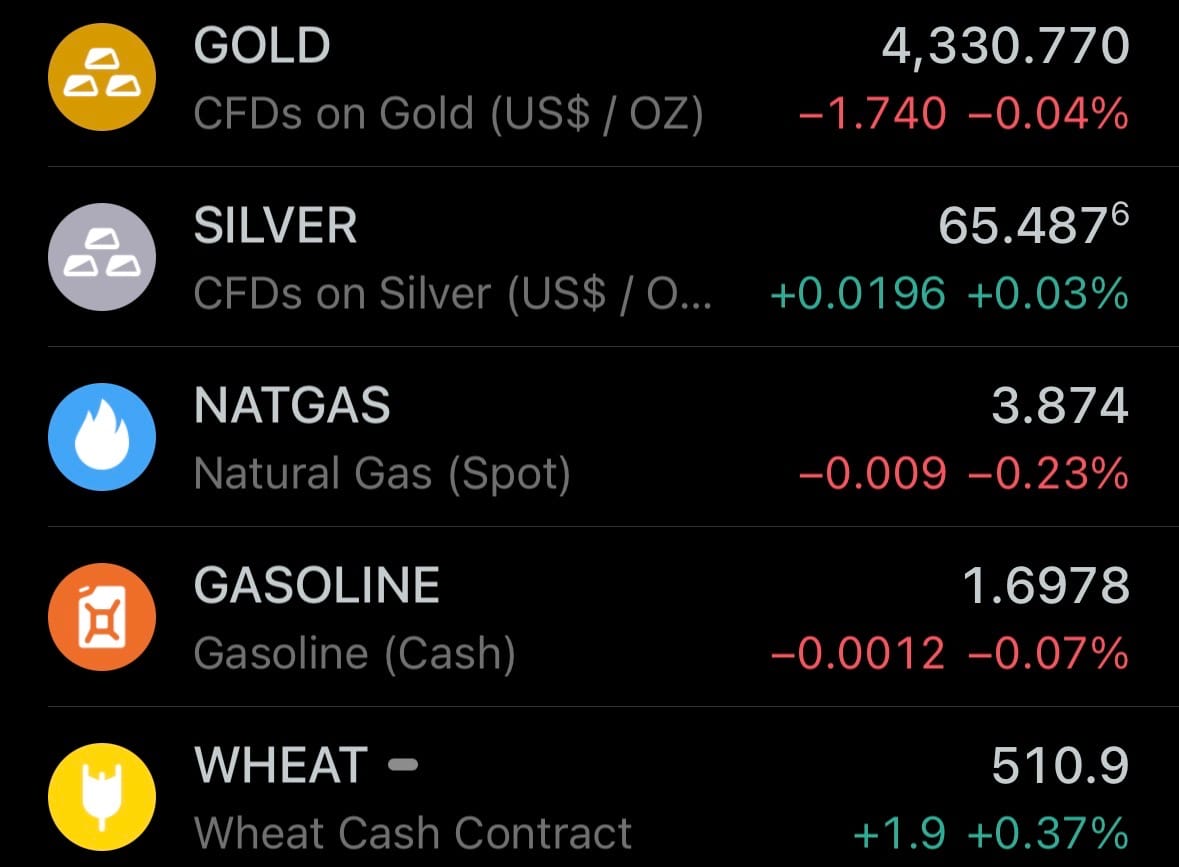
- Yesterday’s commodity market:
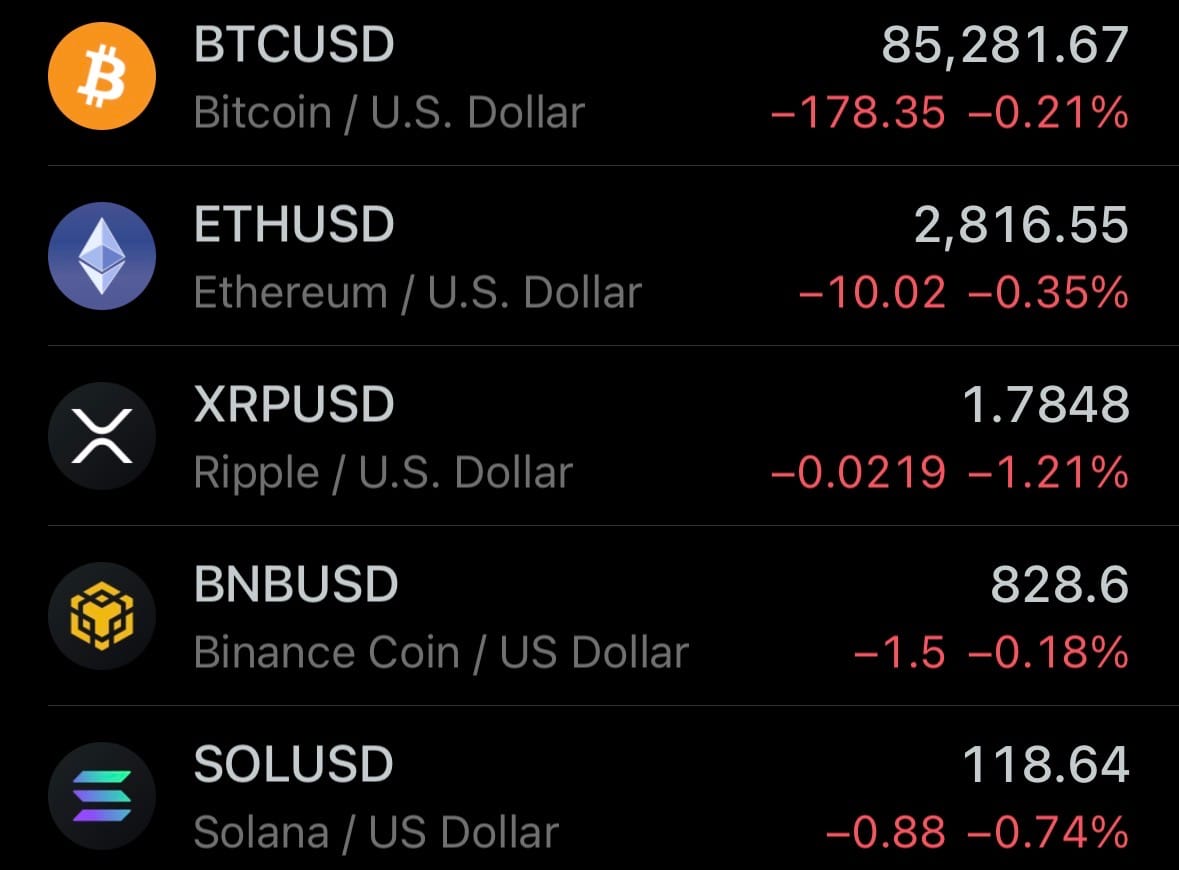
- Yesterday’s crypto market:
Geopolitics & Military Activity:
- On December 16, 2025, the U.S. Navy achieved a first by launching a Low-cost Unmanned Combat Attack System (LUCAS) one-way attack drone (also known as a loitering munition or kamikaze drone) from a warship at sea. The Independence-class littoral combat ship USS Santa Barbara (LCS 32) conducted the rocket-assisted launch from its flight deck while operating in the Arabian Gulf, executed by Task Force 59 (NAVCENT's unmanned operations unit). The LUCAS drone, part of the recently deployed Task Force Scorpion Strike squadron under U.S. Central Command (CENTCOM), demonstrated successful integration with naval platforms.

- The launch holds operational and strategic importance as it expands U.S. naval strike options with low-cost, long-range (up to approximately 1,600 km in some configurations), autonomous drones capable of carrying explosive payloads, derived from reverse-engineered designs similar to Iran's Shahed-136. Conducted in the tense Middle East theater—amid ongoing threats from Iran-backed groups using comparable drones—this enables ships to deploy expendable strike assets without risking crewed aircraft or expensive missiles, enhancing maritime deterrence, flexibility in contested waters, and the ability to overwhelm defenses through potential swarms.
Science & Technology:
- On December 18, 2025, OpenAI released GPT-5.2-Codex, a specialized version of the GPT-5.2 model optimized for agentic coding within the Codex platform. The model is immediately available to all paid ChatGPT users across Codex surfaces, including the CLI, IDE extensions, cloud environment, GitHub integration, and code review tools. OpenAI highlighted its advancements in handling long-horizon tasks through context compaction, large-scale code changes like refactors and migrations, better performance in Windows environments, and significantly enhanced capabilities in defensive cybersecurity workflows.
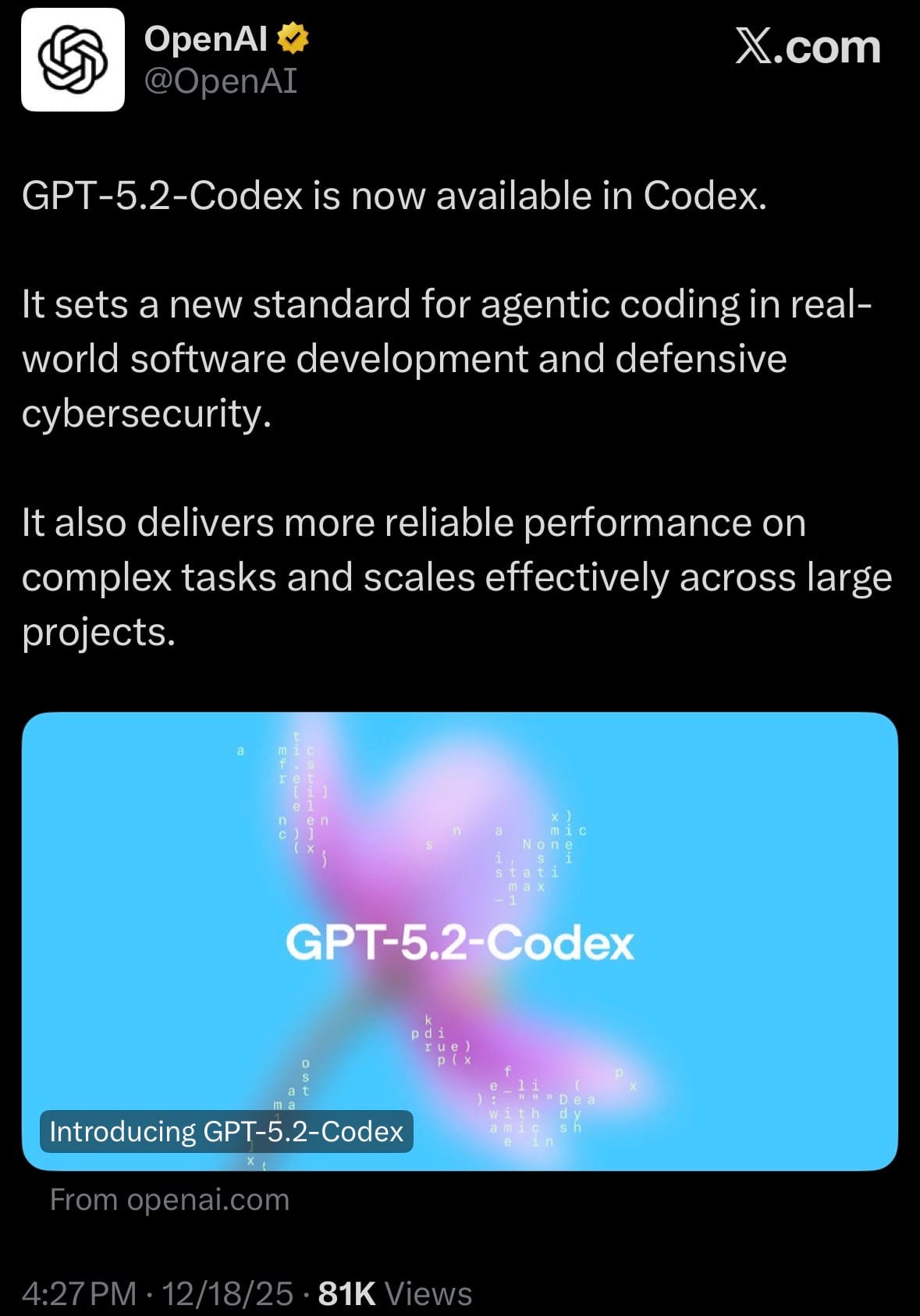
- GPT-5.2-Codex builds on prior models like GPT-5.1-Codex-Max, delivering more reliable performance on complex, real-world software engineering tasks and scaling effectively across large projects. It sets new benchmarks in agentic coding (e.g., higher scores on SWE-Bench Pro and Terminal-Bench 2.0) and cybersecurity, such as vulnerability research—exemplified by its role in assisting discoveries of React vulnerabilities disclosed earlier in December. Due to dual-use risks in cybersecurity, OpenAI is deploying it with safeguards, treating it below the "High" threshold in their Preparedness Framework, and launching an invite-only pilot for vetted defensive security professionals; API access is planned for the coming weeks.

Statistic:
- Largest public banking companies on Earth by market capitalization:
- 🇺🇸 JPMorgan Chase: $860.67B
- 🇺🇸 Bank of America: $401.90B
- 🇨🇳 Agricultural Bank of China: $377.79B
- 🇨🇳 ICBC: $351.48B
- 🇨🇳 China Construction Bank: $340.34B
- 🇺🇸 Wells Fargo: $293.05B
- 🇺🇸 Morgan Stanley: $276.10B
- 🇺🇸 Goldman Sachs: $265.27B
- 🇬🇧 HSBC: $263.53B
- 🇨🇳 Bank of China: $260.85B
- 🇨🇦 Royal Bank Of Canada: $234.82B
- 🇺🇸 Citigroup: $207.70B
- 🇮🇳 HDFC Bank: $180.23B
- 🇯🇵 Mitsubishi UFJ Financial: $177.25B
- 🇺🇸 Charles Schwab: $176.49B
- 🇪🇸 Santander: $171.49B
- 🇦🇺 Commonwealth Bank: $171.47B
- 🇨🇳 CM Bank: $164.02B
- 🇨🇦 Toronto Dominion Bank: $158.39B
- 🇺🇸 Capital One: $155.27B
- 🇨🇭 UBS: $145.27B
- 🇪🇸 Banco Bilbao Vizcaya Argentaria: $129.61B
- 🇮🇹 UniCredit: $125.32B
- 🇯🇵 Sumitomo Mitsui Financial Group: $121.83B
- 🇸🇬 DBS Group: $121.26B
History:
- Bank of America’s roots trace back to 1904, when Amadeo Peter Giannini, the son of Italian immigrants, founded the Bank of Italy in San Francisco. Giannini’s idea was radical for its time: instead of serving only wealthy elites, his bank targeted working-class families, immigrants, and small businesses—people largely excluded from traditional banking. That philosophy paid off quickly. After the 1906 San Francisco earthquake, while many banks stayed closed or failed, Giannini set up a makeshift desk on the docks and began lending from salvaged funds, helping rebuild the city and earning public trust. Over the following decades, the Bank of Italy expanded aggressively across California through branches—unusual at a time when most banks operated a single location. In 1928, Giannini merged with Bank of America, Los Angeles, and in 1930 officially renamed the institution Bank of America, creating the first truly nationwide-style commercial bank. Despite restrictions imposed by the Glass–Steagall Act (1933), Bank of America grew into the largest U.S. bank by deposits, financing infrastructure, housing, agriculture, and industrial growth throughout the mid-20th century. It also played a major role in consumer finance, helping popularize checking accounts, mortgages, and small-business lending at scale.
- The modern Bank of America took shape through consolidation and globalization. In the 1980s–1990s, deregulation allowed banks to expand across state lines and into new financial services. Bank of America acquired dozens of regional banks, transforming into a coast-to-coast institution. The pivotal moment came in 1998, when Bank of America merged with NationsBank, a Charlotte-based banking giant; although NationsBank was technically the acquirer, it retained the Bank of America name due to its national recognition. The company expanded further into investment banking and wealth management with the acquisition of Merrill Lynch in 2008, during the global financial crisis—a deal that reshaped Bank of America into a universal bank spanning retail banking, corporate finance, trading, and asset management. The crisis also exposed deep risks, forcing years of restructuring, legal settlements, and balance-sheet repair. By the 2010s–2020s, Bank of America emerged as one of the most systemically important financial institutions in the world, serving tens of millions of customers globally and operating across consumer banking, global markets, commercial lending, and wealth management. Today, Bank of America stands as a pillar of the U.S. financial system—its evolution reflecting more than a century of shifts in American banking, from community-focused lending to global financial integration.
Image of the day:

Thanks for reading! Earth is complicated, we make it simple.

- Click below if you’d like to view our free EARTH WATCH globe:
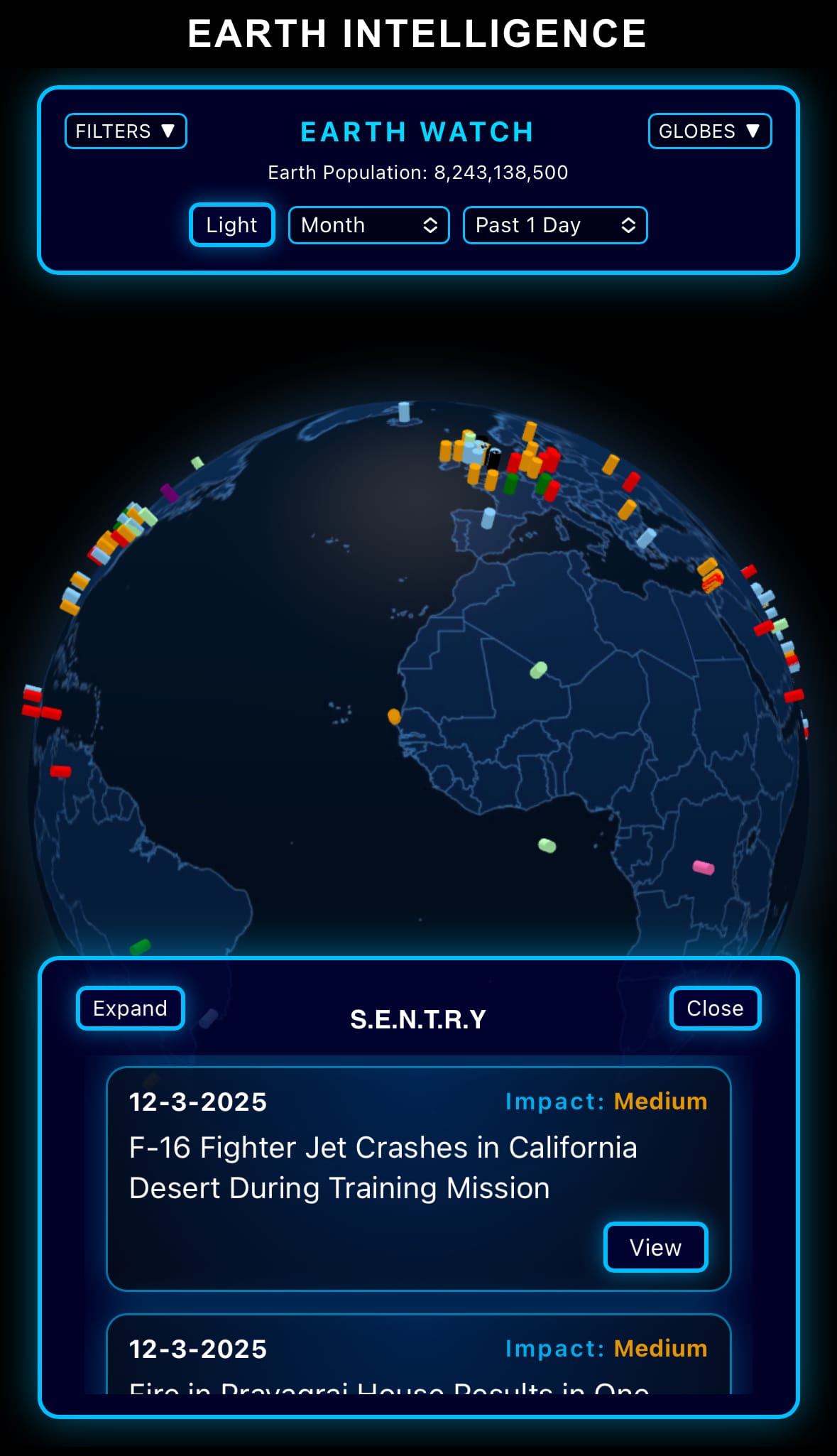
- Download our mobile app on the Apple App Store (Android coming soon):

Click below to view our previous newsletters:
Support/Suggestions Email:
earthintelligence@earthintel.news