Friday☕️


Trending:
- On March 5, 2026, Google has introduced Cinematic Video Overviews in NotebookLM (part of NotebookLM Studio), a major upgrade to its AI-powered video creation tools. This new feature uses a combination of Google's most advanced models to turn your uploaded sources, research notes, or documents into fully animated, immersive, and bespoke videos—going far beyond the previous narrated slideshow-style overviews.

- The cinematic videos are designed to make complex information more engaging and easier to understand through dynamic visuals, narration, and storytelling. It's rolling out now in English only for Google AI Ultra subscribers (aged 18+), available on web and mobile, with broader access expected later.
Economics & Markets:
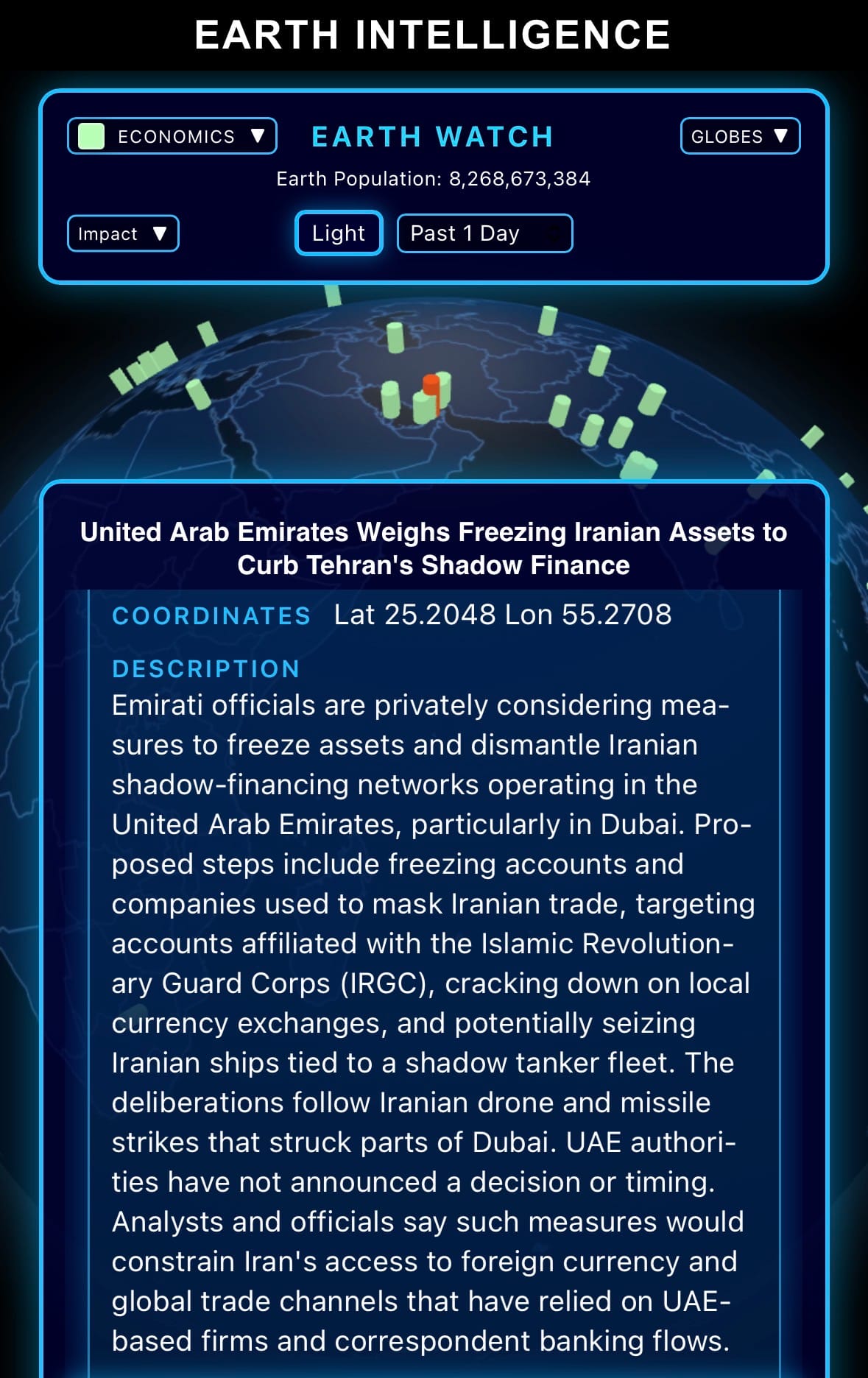
- Yesterday’s U.S. stock market:
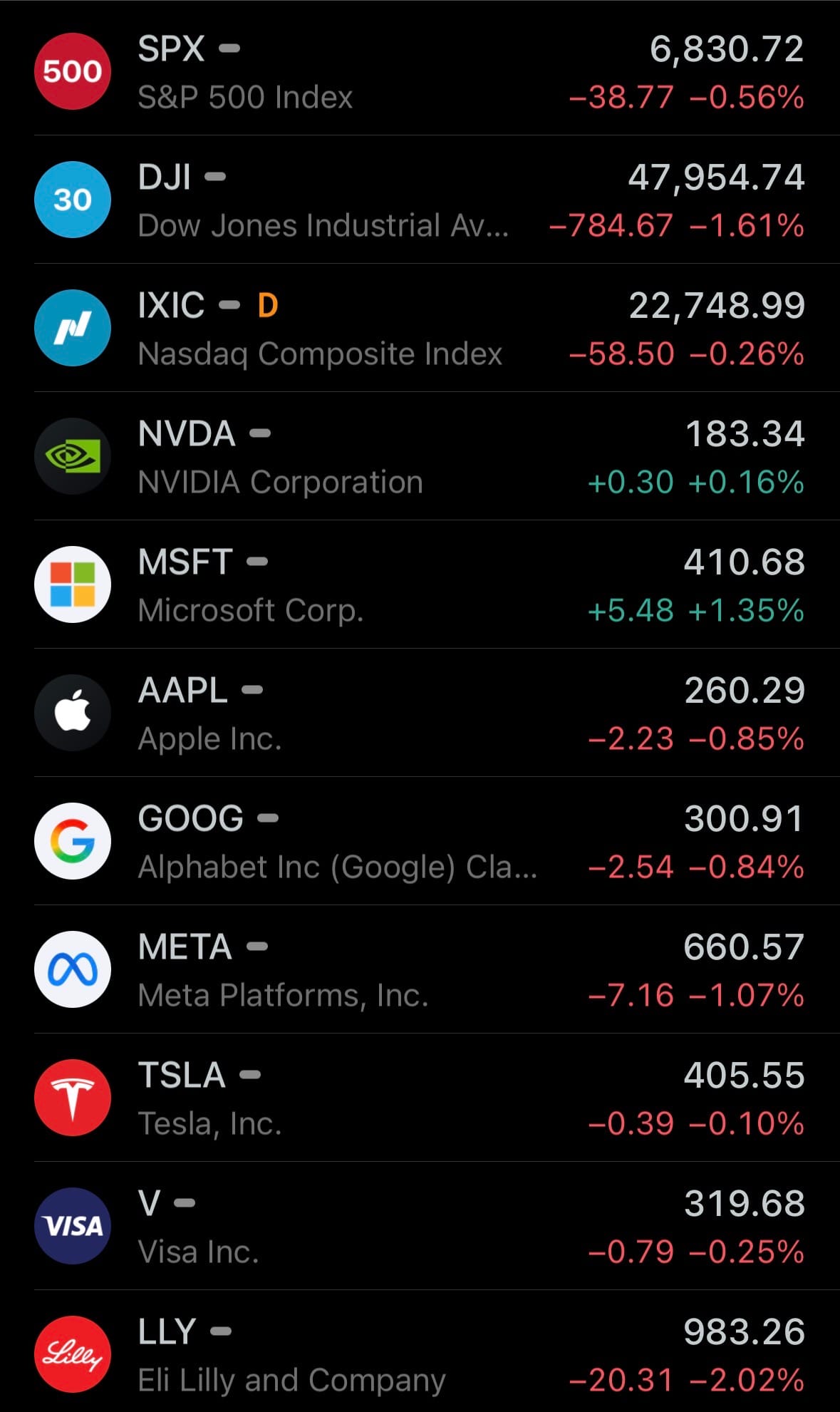
- Yesterday’s commodity market:
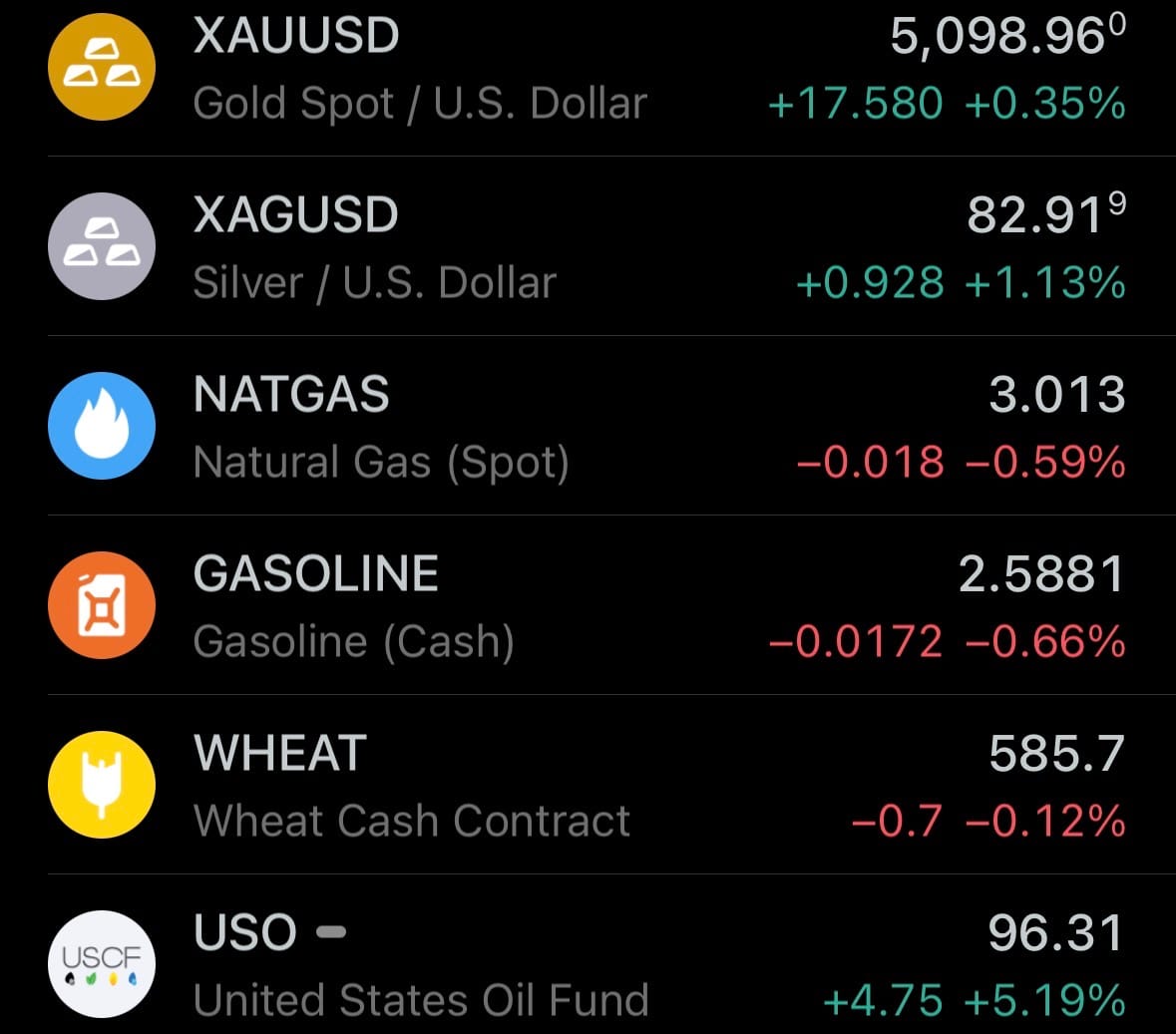
- Yesterday’s crypto market:
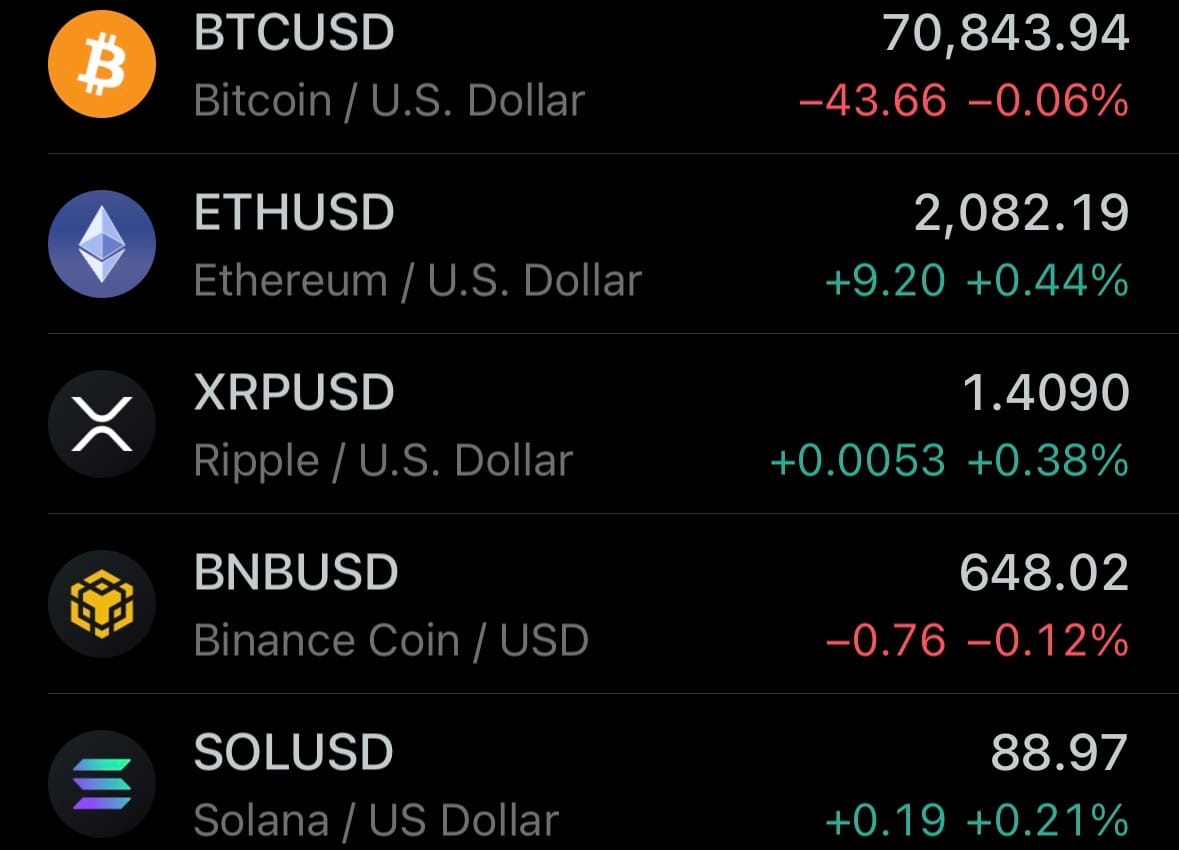
Geopolitics & Military Activity:
- As of March 5, 2026, U.S. forces under Operation Epic Fury are actively working to destroy the Iranian Navy, with more than 30 Iranian ships now sunk or disabled. Today, a large Iranian drone carrier—comparable in size to a World War II aircraft carrier—was struck and is currently burning. Earlier losses include the drone/helicopter carrier Shahid Bagheri and forward base ship Makran, both hit at Bandar Abbas, plus several frigates and corvettes sunk in the Persian Gulf and Gulf of Oman.
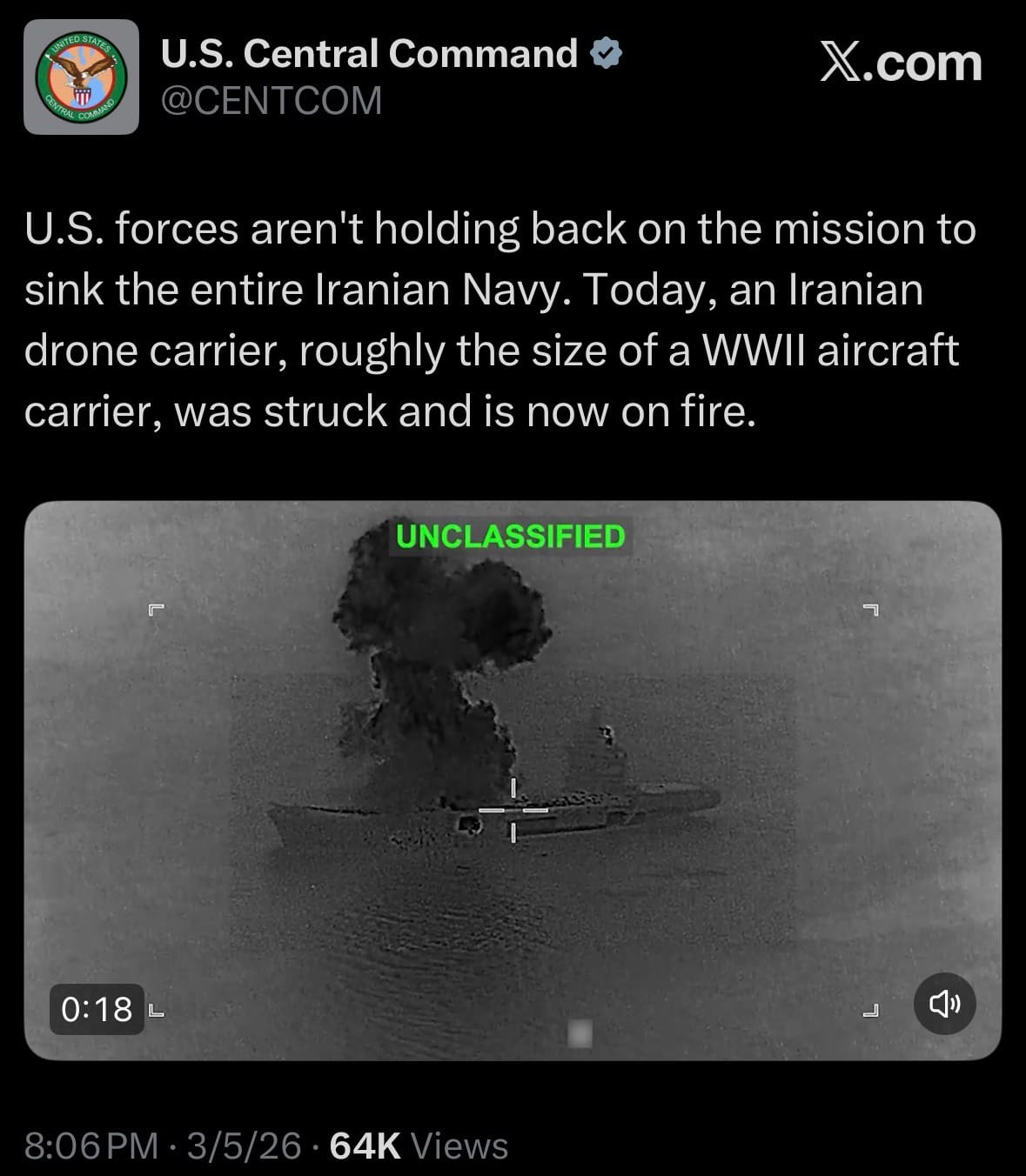
- The conflict, now in its sixth day, continues with heavy strikes on Tehran and other Iranian targets, Iranian missile and drone attacks on U.S. bases in Iraq, Kuwait, Bahrain, Qatar, Saudi Arabia, the UAE, and Israeli operations against Hezbollah in southern Lebanon, and intercepted Iranian barrages over Israel, with no ceasefire in sight.
Environment & Weather:
Science & Technology:
- On March 5, 2026, OpenAI has released GPT-5.4, described as its most advanced frontier model to date, combining major improvements in reasoning, coding, and agentic workflows. The model is now rolling out in ChatGPT under two variants: GPT-5.4 Thinking for Plus, Team, and Pro subscribers, and GPT-5.4 Pro for Enterprise and Education users.
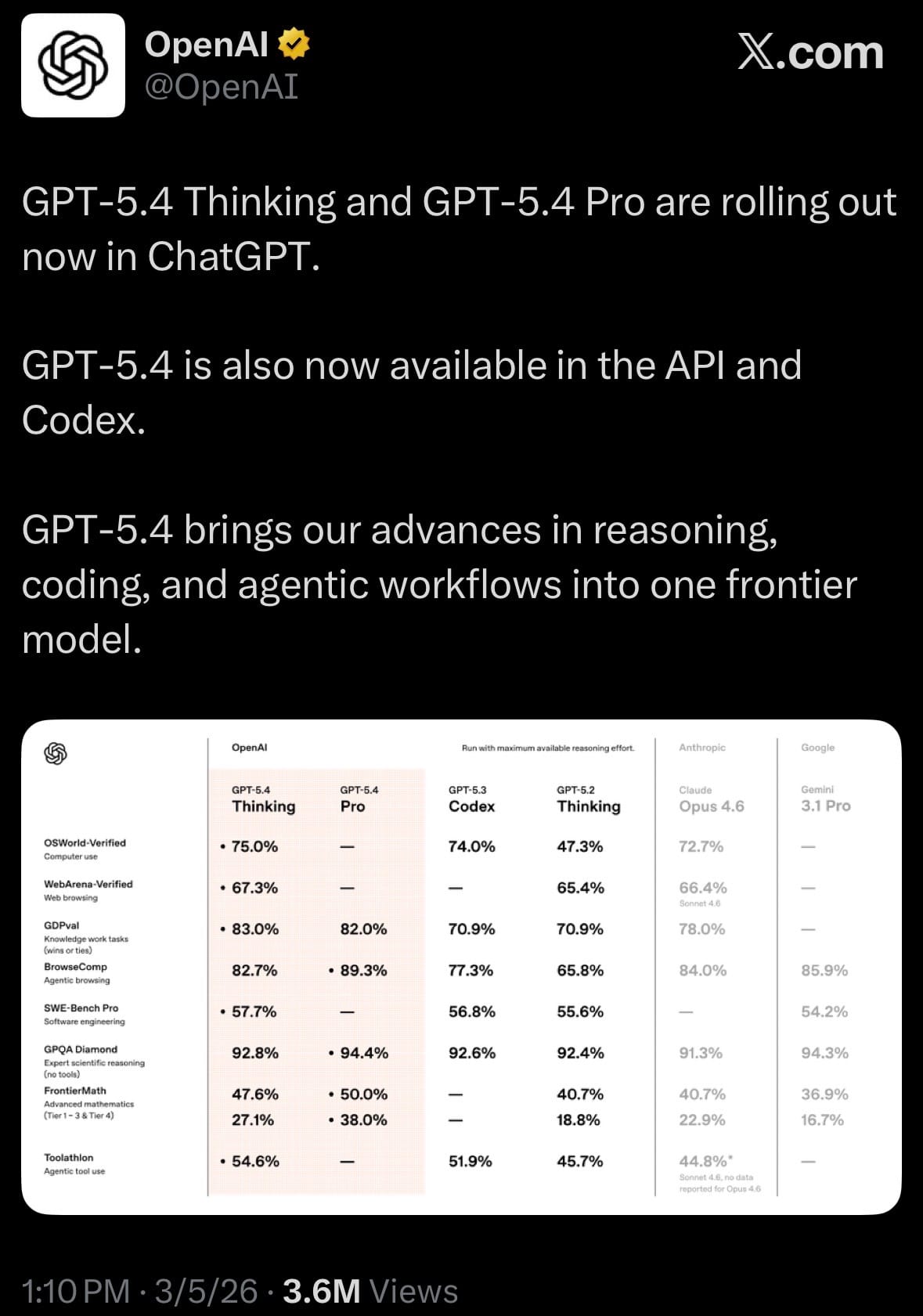
- GPT-5.4 is also immediately available through the OpenAI API and Codex platform, featuring native computer-use capabilities, a context window of up to 1 million tokens, built-in tool search, and significantly higher performance on benchmarks such as OSWorld-Verified, GPQA Diamond, and SWE-Bench Pro compared to previous versions.
Statistic:
- Largest assets on Earth by market capitalization:
- Gold: $35.358T
- Silver: $4.644T
- 🇺🇸 NVIDIA: $4.456T
- 🇺🇸 Apple: $3.825T
- 🇺🇸 Alphabet (Google): $3.640T
- 🇺🇸 Microsoft: $3.052T
- 🇺🇸 Amazon: $2.350T
- 🇹🇼 TSMC: $1.835T
- 🇺🇸 Meta Platforms: $1.670T
- 🇸🇦 Saudi Aramco: $1.668T
- 🇺🇸 Broadcom: $1.577T
- 🇺🇸 Tesla: $1.521T
- Bitcoin: $1.417T
- 🇺🇸 Berkshire Hathaway: $1.079T
- 🇺🇸 Walmart: $983.13B
- 🇺🇸 Eli Lilly: $880.03B
- 🇺🇸 Vanguard S&P 500 ETF: $866.27B
- 🇰🇷 Samsung: $840.74B
- 🇺🇸 JPMorgan Chase: $791.71B
- 🇺🇸 iShares Core S&P 500 ETF: $745.27B
- 🇺🇸 SPDR S&P 500 ETF: $687.93B
- 🇺🇸 Exxon Mobil: $628.18B
- 🇺🇸 Visa: $616.58B
- 🇺🇸 Vanguard Total Stock Market ETF: $581.53B
- 🇺🇸 Johnson & Johnson: $577.48B
- 🇨🇳 Tencent: $576.99B
History:
- The history of global energy transportation begins with the realization that energy resources are often located far from where they are consumed, making transport infrastructure as strategically important as the energy itself. In the 19th century, the early oil industry relied on wooden barrels transported by horse carts, railways, and small tank vessels. The first major technological shift came with the development of oil pipelines in the 1860s–1870s, pioneered in Pennsylvania’s oil fields to move crude oil more efficiently from wells to refineries. By 1879, pipelines were already replacing rail transport in major producing regions because they were cheaper, faster, and safer. As the global oil industry expanded, pipelines became the backbone of land-based energy movement, connecting production basins to ports and refineries. Meanwhile, maritime transport evolved with the first purpose-built oil tanker, the Zoroaster, built in 1878 in Sweden. This vessel introduced the concept of bulk liquid transport in steel tanks rather than barrels, dramatically increasing shipping efficiency. By the early 20th century, large tanker fleets operated by companies such as Royal Dutch Shell, Standard Oil, and Anglo-Persian Oil Company (later BP) were moving crude oil across oceans to industrial economies in Europe and North America.
- During the mid-20th century, global energy transportation expanded alongside the rapid growth of oil consumption after World War II. Massive pipeline networks were built across continents, including the Trans-Arabian Pipeline (Tapline) in 1950, which carried Saudi crude to Mediterranean ports, and the Druzhba Pipeline, constructed in the 1960s, which became one of the world’s largest oil pipeline systems supplying Soviet oil to Eastern and Central Europe. Maritime shipping also scaled dramatically as tanker sizes increased to reduce costs per barrel. The development of Very Large Crude Carriers (VLCCs) and Ultra Large Crude Carriers (ULCCs) in the 1960s and 1970s allowed single ships to transport millions of barrels of oil across oceans. Strategic maritime chokepoints became critical to energy logistics, including the Strait of Hormuz, the Strait of Malacca, the Suez Canal, and the Bab el-Mandeb Strait, where large portions of the world’s oil supply pass through narrow geographic corridors. Control and stability in these regions became central to global energy security. The tanker industry itself became dominated by major shipping companies and energy traders, while national oil companies and international energy firms coordinated production and transport on a global scale.
- In the late 20th and early 21st centuries, energy transportation diversified beyond crude oil into natural gas and liquefied natural gas (LNG). Large pipeline systems now transport gas across continents, including Russia’s Nord Stream pipelines connecting Russian gas fields to Europe, the Trans-Alaska Pipeline System completed in 1977 to move oil from Alaska’s North Slope to the port of Valdez, and numerous pipeline corridors linking Central Asia, the Middle East, and Europe. LNG technology transformed gas into a globally tradable commodity by cooling it to extremely low temperatures so it could be transported by specialized ships. Major LNG exporters include Qatar, Australia, and the United States, while large importers include Japan, China, and European nations. Today’s energy transport network consists of vast interconnected systems: millions of kilometers of pipelines, thousands of tanker vessels moving crude oil and refined fuels, and hundreds of LNG carriers operating across global routes. Major players include national oil companies such as Saudi Aramco, major energy firms like ExxonMobil and Shell, and global shipping companies that operate tanker fleets. The infrastructure of energy transportation has become one of the most critical elements of the global economy, determining how fuel flows from resource basins to industrial centers and shaping geopolitical relationships wherever energy corridors intersect with strategic geography.
Image of the day:

Thanks for reading! Earth is complicated, we make it simple.
- Click below if you’d like to view our free EARTH WATCH globe:
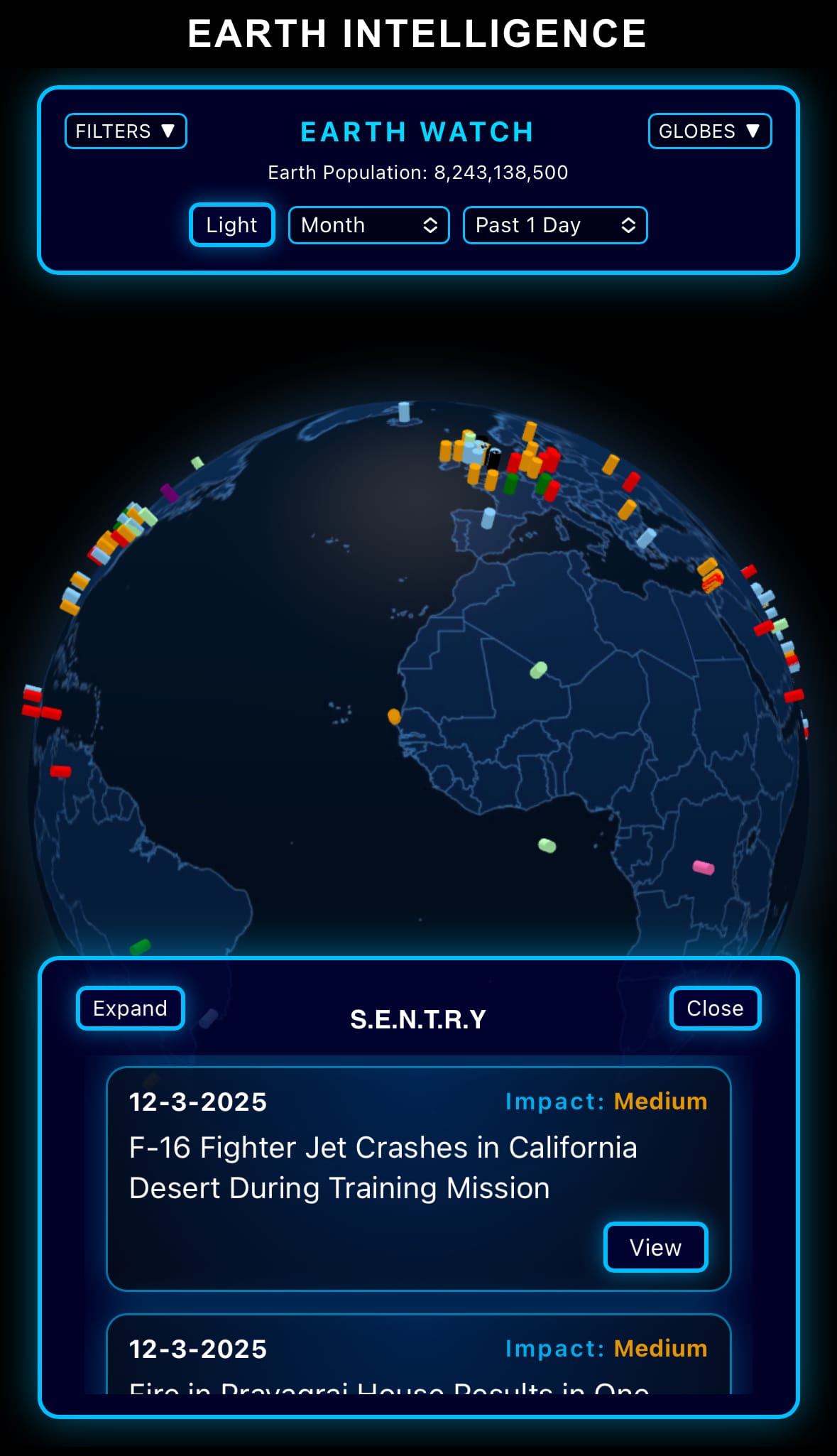
- Download our mobile app:



Click below to view our previous newsletters:

Support/Suggestions Email:
support@earthintel.io