Monday☕️

Trending:
- On November 23, 2025, data from real estate analytics firm ATTOM showed a marked increase in U.S. foreclosure activity for October. Completed foreclosures rose 32% from the previous year to 3,872 properties, representing the eighth straight month of year-over-year growth. Total foreclosure filings, encompassing default notices, scheduled auctions, and bank repossessions, reached 34,401, up 19% annually and 4% from September. Foreclosure starts increased 20% year-over-year to 25,129 properties. States including Florida, South Carolina, and Illinois saw the highest rates, in the context of general economic challenges facing homeowners.
- This rise has been connected to sustained inflation, higher interest rates, and increased expenses for goods and services, which have added financial strain and contributed to more delinquencies, particularly among individuals with adjustable-rate mortgages or those experiencing unemployment. The overall foreclosure rate stays relatively low at one in every 4,122 housing units, but the pattern suggests emerging issues in housing affordability and market stability.
Economics & Markets:
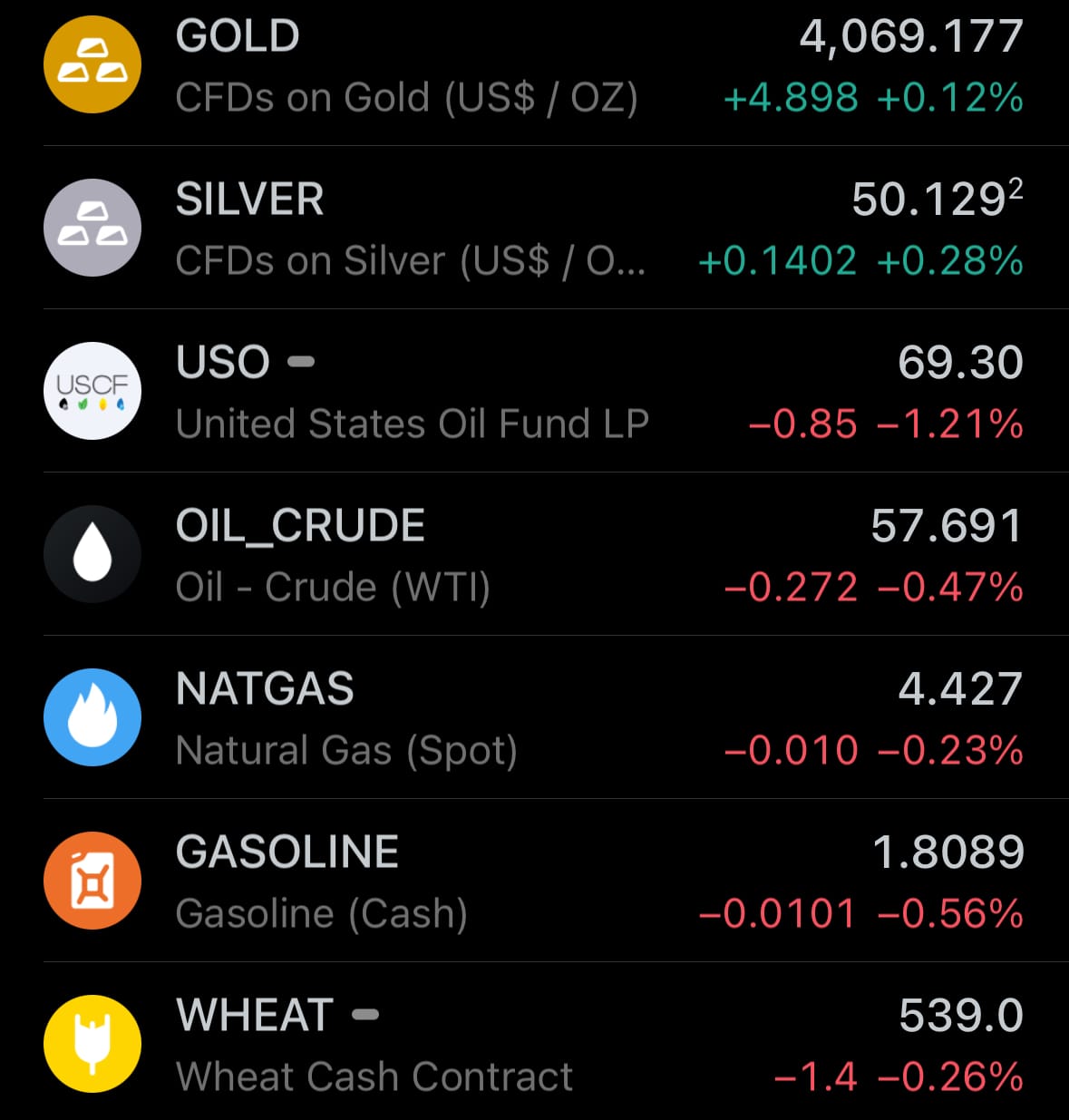
- Yesterday’s commodity market:
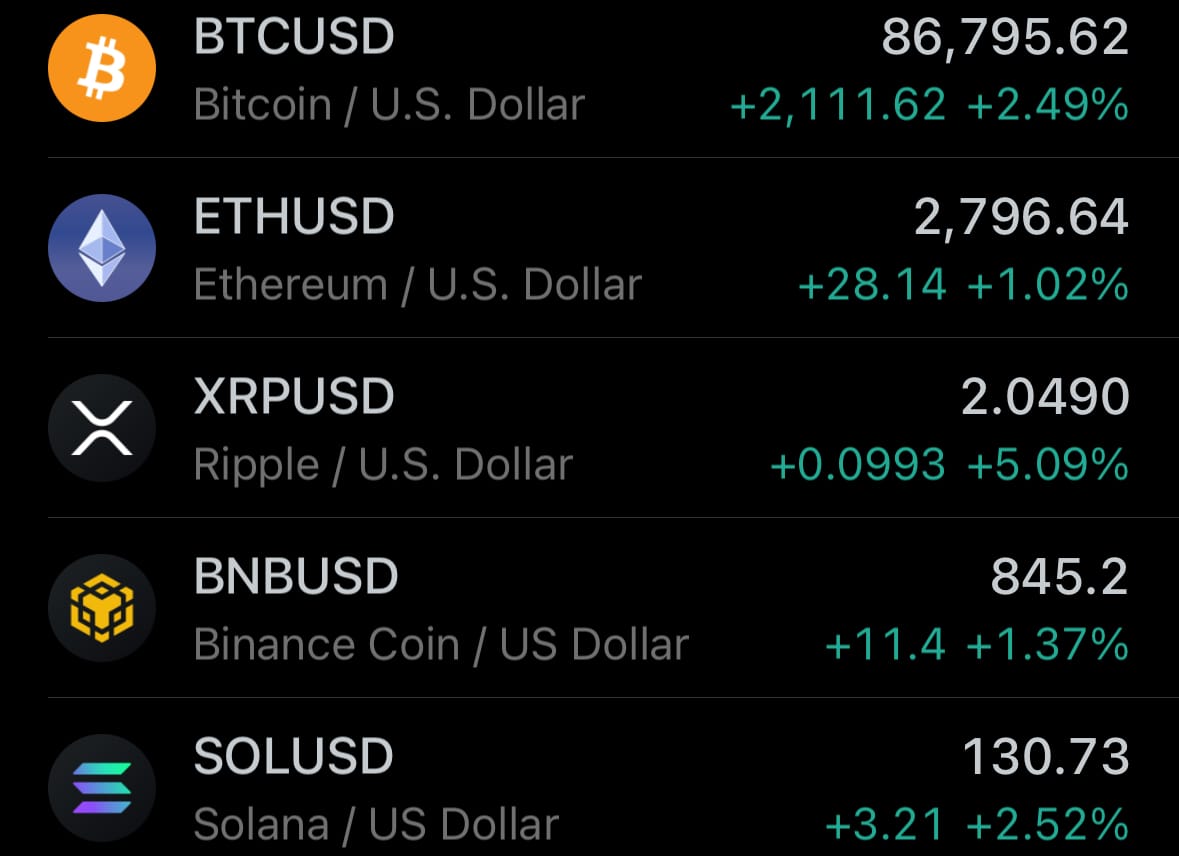
- Yesterday’s crypto market:
Geopolitics & Military Activity:
- On November 23, 2025, the Israel Defense Forces confirmed that an airstrike in Beirut's southern suburbs killed Haytham Ali Tabatabai, identified as Hezbollah's de facto military chief and chief of staff, marking the first such attack on the Lebanese capital since a ceasefire agreement in November 2024. Tabatabai, a long-time Hezbollah operative who had assumed a senior role following the elimination of other leaders, was targeted for his involvement in rebuilding the group's capabilities and overseeing operations, according to Israeli military statements. The strike resulted in at least five deaths and over 20 injuries, as reported by Lebanese media, with Hezbollah later confirming Tabatabai's death and vowing retaliation, while Lebanese officials condemned the action as a violation of the truce and called for international intervention.

- IDF Chief of Staff Lt. Gen. Eyal Zamir, speaking from the military's underground command center during the operation, stated that the strike aimed to prevent Hezbollah from rearming or strengthening its forces, emphasizing Israel's commitment to the understandings reached with Lebanon but its resolve to act decisively against any threats to its citizens. The operation was described by Israeli officials as a necessary measure to neutralize individuals planning harm, amid broader regional tensions. Hezbollah and Lebanese sources portrayed the airstrike as an escalation that undermines the fragile ceasefire, with reports indicating it targeted a residential area and prompted heightened alerts in both countries.
Environment & Weather:
- On November 23, 2025, an explosive eruption occurred at the Hayli Gubbi shield volcano in Ethiopia's Afar region, southeast of the well-known Erta Ale volcano, marking the first recorded activity at this site in potentially over 10,000 years. The eruption began around 8:30 a.m. local time, producing a large ash plume that rose to approximately 10-15 kilometers in altitude and drifted eastward over the Red Sea toward Yemen and Oman, with reports of volcanic lightning observed during the event. Initial accounts from local residents and satellite imagery confirmed the ash cloud's visibility from distant areas like the Tigray mountains, while authorities deployed experts to monitor the situation and urged nearby communities to take precautions or evacuate due to falling ash and potential hazards.
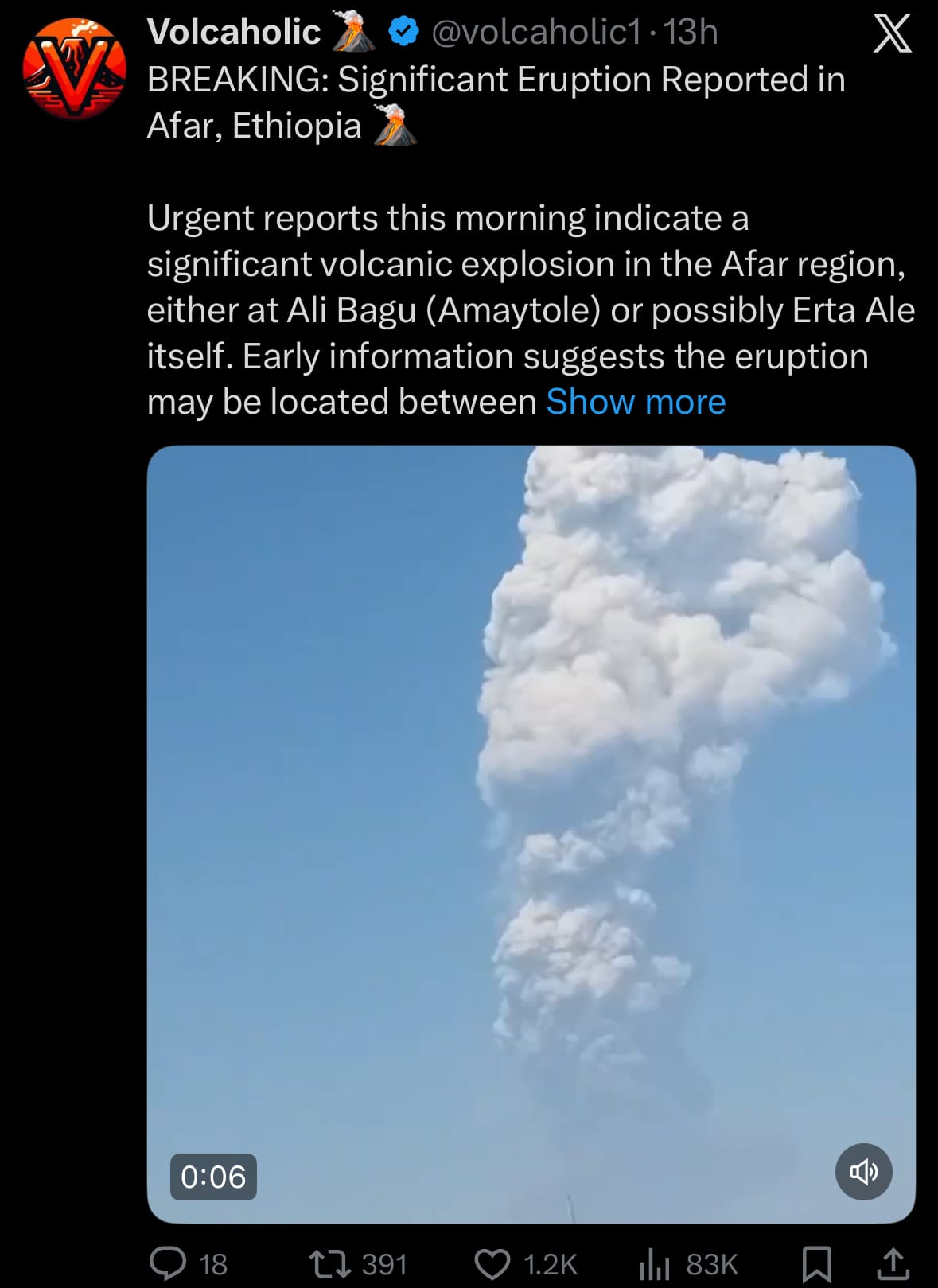
- The eruption holds significant geological importance as it occurs within the tectonically active Afar Rift, part of the East African Rift system where continental plates are diverging, contributing to the region's frequent seismic and volcanic activity. This rare event at Hayli Gubbi, a previously dormant volcano, underscores the dynamic nature of the area and could provide valuable data for understanding rift volcanism, though it poses immediate risks including aviation disruptions from ash clouds, respiratory health issues from airborne particles in affected countries like Yemen, and environmental impacts on local ecosystems and agriculture.
Space:
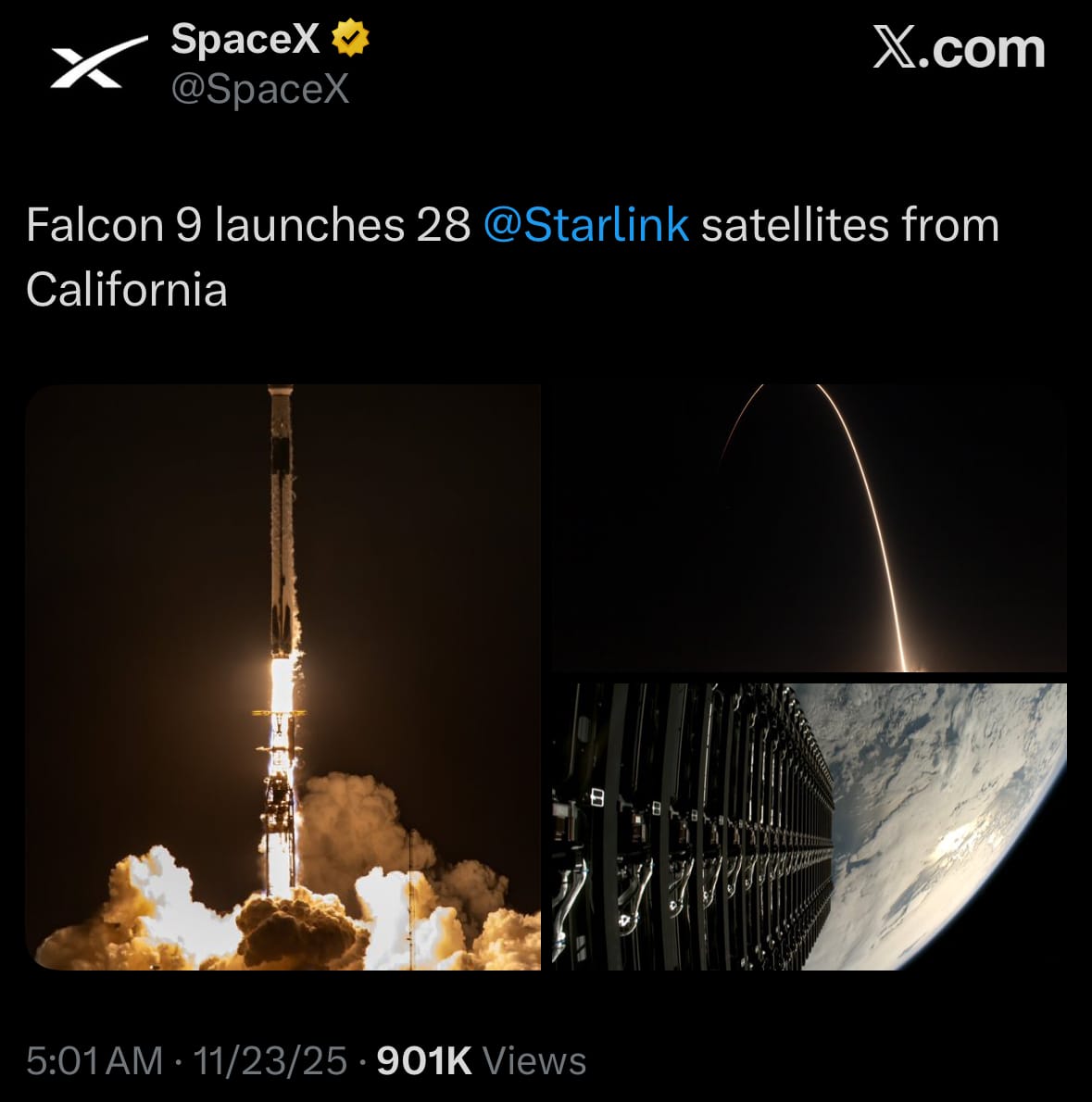
- On November 23, 2025, SpaceX carried out its 151st Falcon 9 launch of the year, placing 28 Starlink satellites into low Earth orbit as part of the Starlink 11-30 mission from Vandenberg Space Force Base in California. The mission involved a new Falcon 9 booster, B1100, on its initial flight, with liftoff at approximately 3:48 a.m. ET and the first stage landing on a drone ship in the Pacific Ocean.
- On November 22, 2025, SpaceX performed its 150th Falcon 9 launch of the year during the Starlink 6-79 mission, deploying 29 Starlink satellites into orbit from Cape Canaveral Space Force Station in Florida. The launch used booster B1090 on its ninth flight, with liftoff at around 2:53 a.m. ET and the first stage landing on a drone ship in the Atlantic Ocean. These two launches in quick succession reflect SpaceX's launch frequency in 2025, which has exceeded previous annual figures, alongside ongoing debates about potential orbital congestion and environmental consequences from high-volume rocket activities.
Statistic:
- Largest assets on Earth by market capitalization:
- Gold: $28.326T
- 🇺🇸 NVIDIA: $4.347T
- 🇺🇸 Apple: $4.029T
- 🇺🇸 Alphabet (Google): $3.617T
- 🇺🇸 Microsoft: $3.509T
- Silver: $2.812T
- 🇺🇸 Amazon: $2.359T
- Bitcoin: $1.734T
- 🇸🇦 Saudi Aramco: $1.650T
- 🇺🇸 Broadcom: $1.606T
- 🇺🇸 Meta Platforms: $1.497T
- 🇹🇼 TSMC: $1.426T
- 🇺🇸 Tesla: $1.300T
- 🇺🇸 Berkshire Hathaway: $1.087T
- 🇺🇸 Eli Lilly: $949.97B
- 🇺🇸 Walmart: $840.49B
- 🇺🇸 JPMorgan Chase: $819.48B
- 🇺🇸 Vanguard S&P 500 ETF: $773.39B
- 🇨🇳 Tencent: $719.50B
- 🇺🇸 iShares Core S&P 500 ETF: $704.26B
- 🇺🇸 SPDR S&P 500 ETF: $679.38B
- 🇺🇸 Visa: $636.59B
- 🇺🇸 Oracle: $566.62B
- 🇺🇸 Vanguard Total Stock Market Index Fund ETF Shares: $543.61B
- 🇺🇸 Exxon Mobil: $499.14B
History:
- The history of crude oil begins long before humanity understood it was tapping into a hidden planetary bloodstream. Tens of thousands of years ago, early humans used natural bitumen seeping from the ground as adhesive and waterproofing, and by around 4000 BC the Sumerians in Mesopotamia were mining tar-soaked earth to waterproof boats and seal buildings. Between roughly 5800 and 3500 BC archaeological sites show that this dark, sticky substance was traded across the ancient Near East. In China by 347 AD workers drilled wells up to ~240 m deep using bamboo to tap brine and oil-gas, piping the gas through bamboo to fire salt pans. For centuries surface seeps around places like Lake Maracaibo in Venezuela and around Baku were skimmed for lamp fuel, but the defining shift came in the mid-1800s: in 1846 kerosene was refined and petroleum became a viable fuel, and by 1858 in Canada and 1859 in Pennsylvania the world’s first drilled wells appeared. The Spindletop gusher in Texas in 1901 and the first big Middle Eastern strike at Masjed Soleiman in 1908 followed. Post WWII, major finds like the Ghawar Field in Saudi Arabia in 1948 and the North Sea/Alaska discoveries in the late 1960s opened new frontiers. By 1960 the formation of OPEC cemented the link between geology and geopolitics. Oil had gone from ancient glue and lamp fuel to the ignition switch of the modern global economy.
- What lies beneath our feet is not cartoon subterranean rivers but a labyrinth of slow-moving fluid systems in rock—vast, pressurized hydrocarbon reservoirs flowing through porous stone, trapped in ancient folds, faults and seals. These are not literal rivers, but behave like underground plumbing networks where hydrocarbons migrate over millions of years, pooling in structures sometimes hundreds of kilometres long. Extraction evolved from hand-dug wells and wooden derricks to seismic imaging, horizontal drilling and hydraulic fracturing in the 2000s, turning once “tight” reservoir rocks into high-yield horizons. Today, the country with the largest proven oil reserves is Venezuela, boasting around 300 billion barrels of proven crude as of the early 2020s—thanks largely to the immense heavy-oil deposits beneath the Orinoco Belt and the sedimentary systems around Lake Maracaibo. Meanwhile countries such as Saudi Arabia and Canada hold the next biggest reserves. The world’s top producers—those pulling the most oil out of the ground each day—are the United States, Saudi Arabia, and Russia, followed by Canada, Iraq, China, the United Arab Emirates, and Brazil. These reservoirs and production giants underpin everything from transport fuels to plastics to geopolitics: civilization is wired to a planetary archive of ancient biology and geology, flowing invisibly beneath our cities and oceans and now burned in an instant by global industry.
Image of the day:
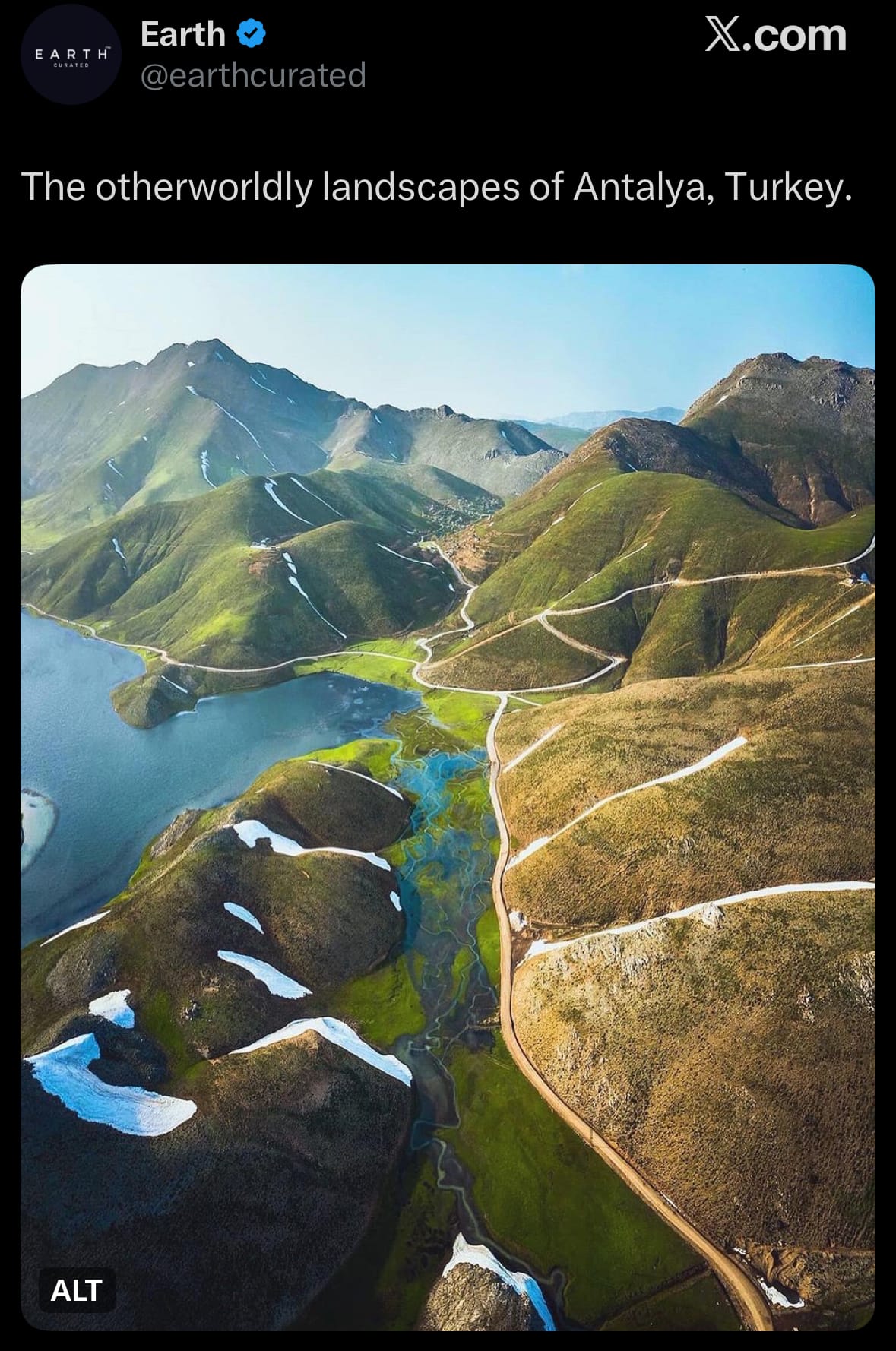
Thanks for reading! Earth is complicated, we make it simple.


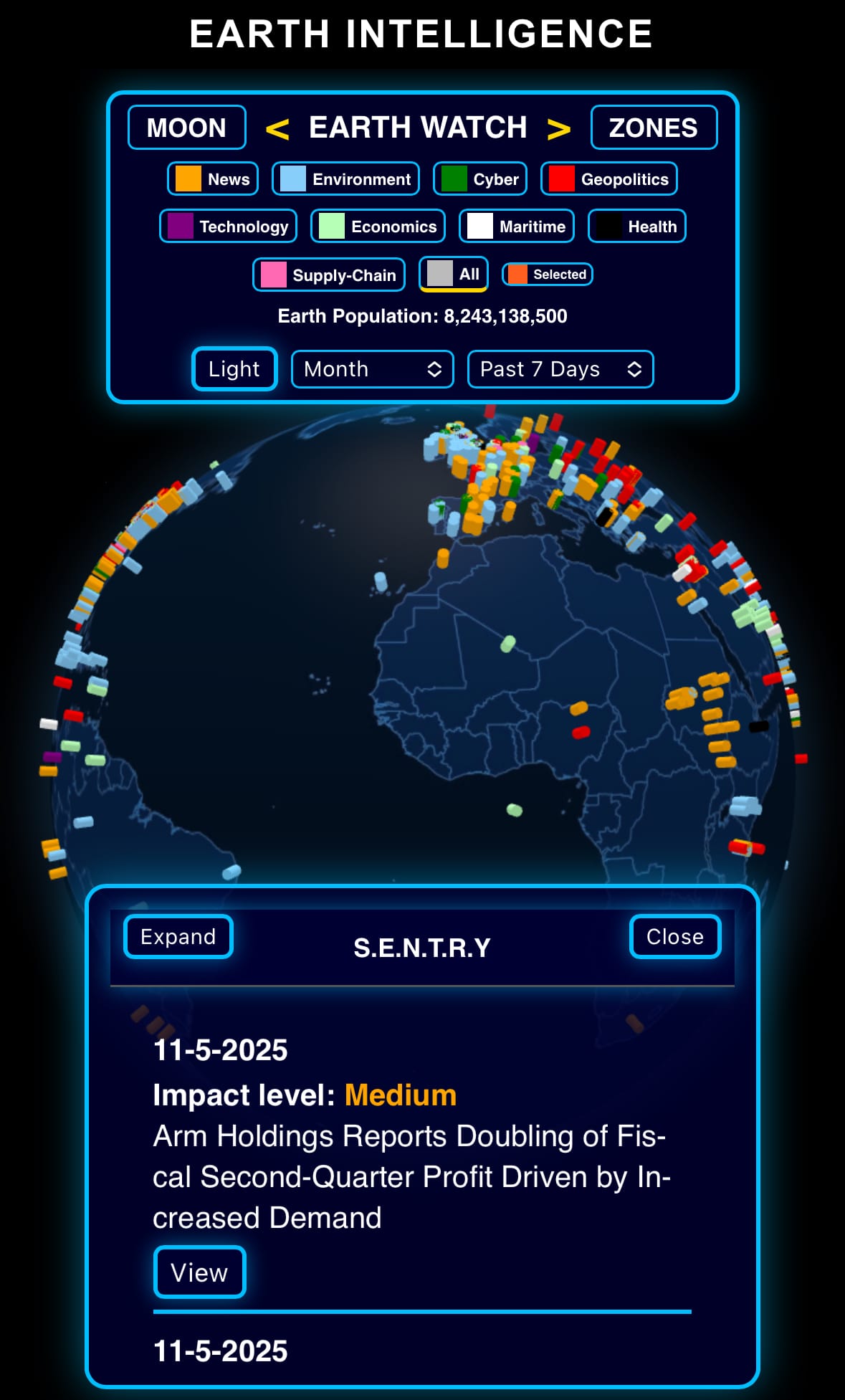
- Click below if you’d like to view our free EARTH WATCH globe:
- Download our mobile app on the Apple App Store (Android coming soon):

Click below to view our previous newsletters:
Support/Suggestions Email:
earthintelligence@earthintel.news