Monday☕️


Trending:
- On March 29, 2026, Israeli forces launched a major overnight air campaign against Tehran, with over 150 fighter jets dropping more than 120 munitions on key infrastructure sites in and around the Iranian capital.
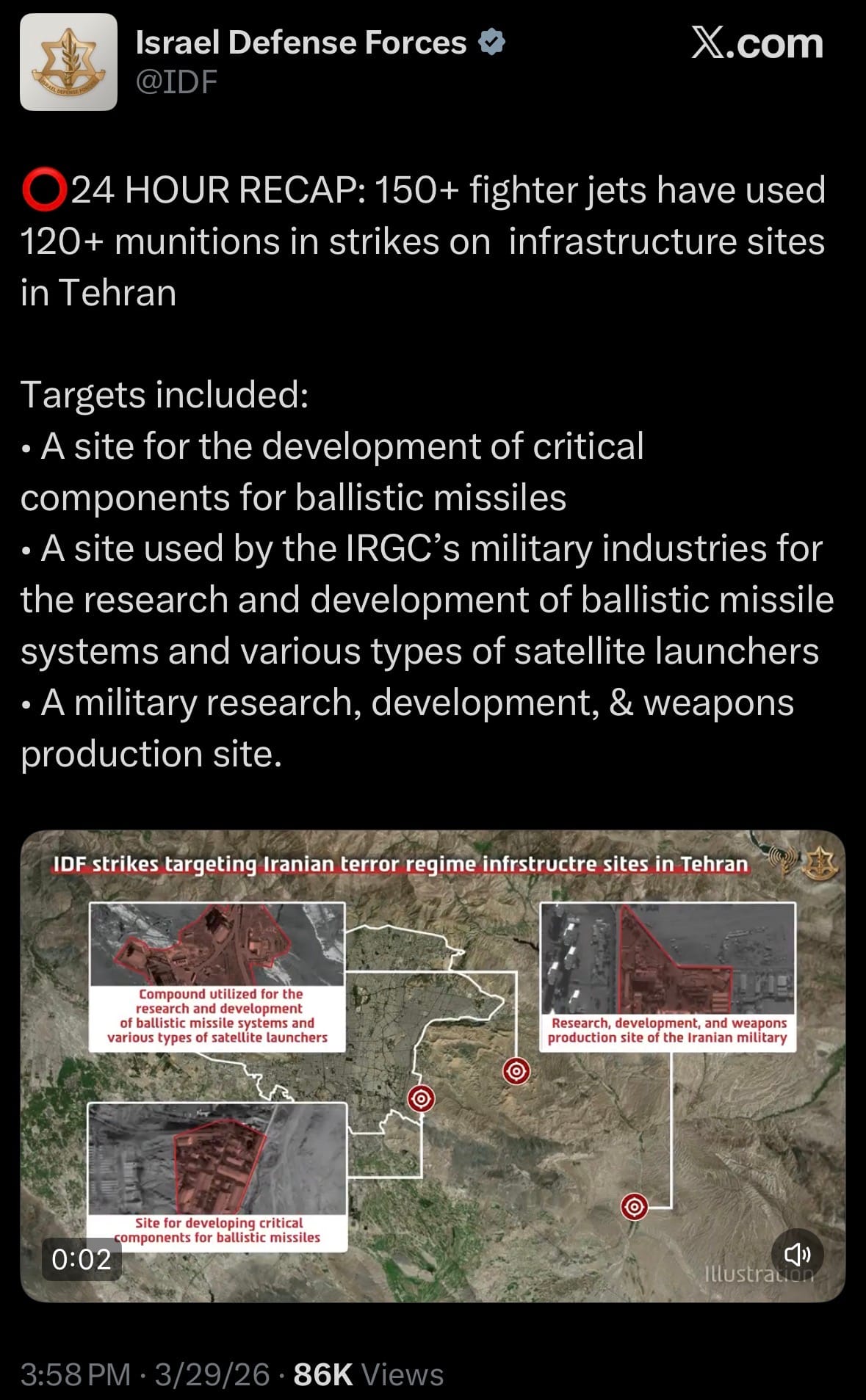
- The strikes targeted a facility developing critical components for ballistic missiles, an IRGC site used for ballistic missile and satellite launcher research and development, and a major military research, development, and weapons production complex.
Economics & Markets:
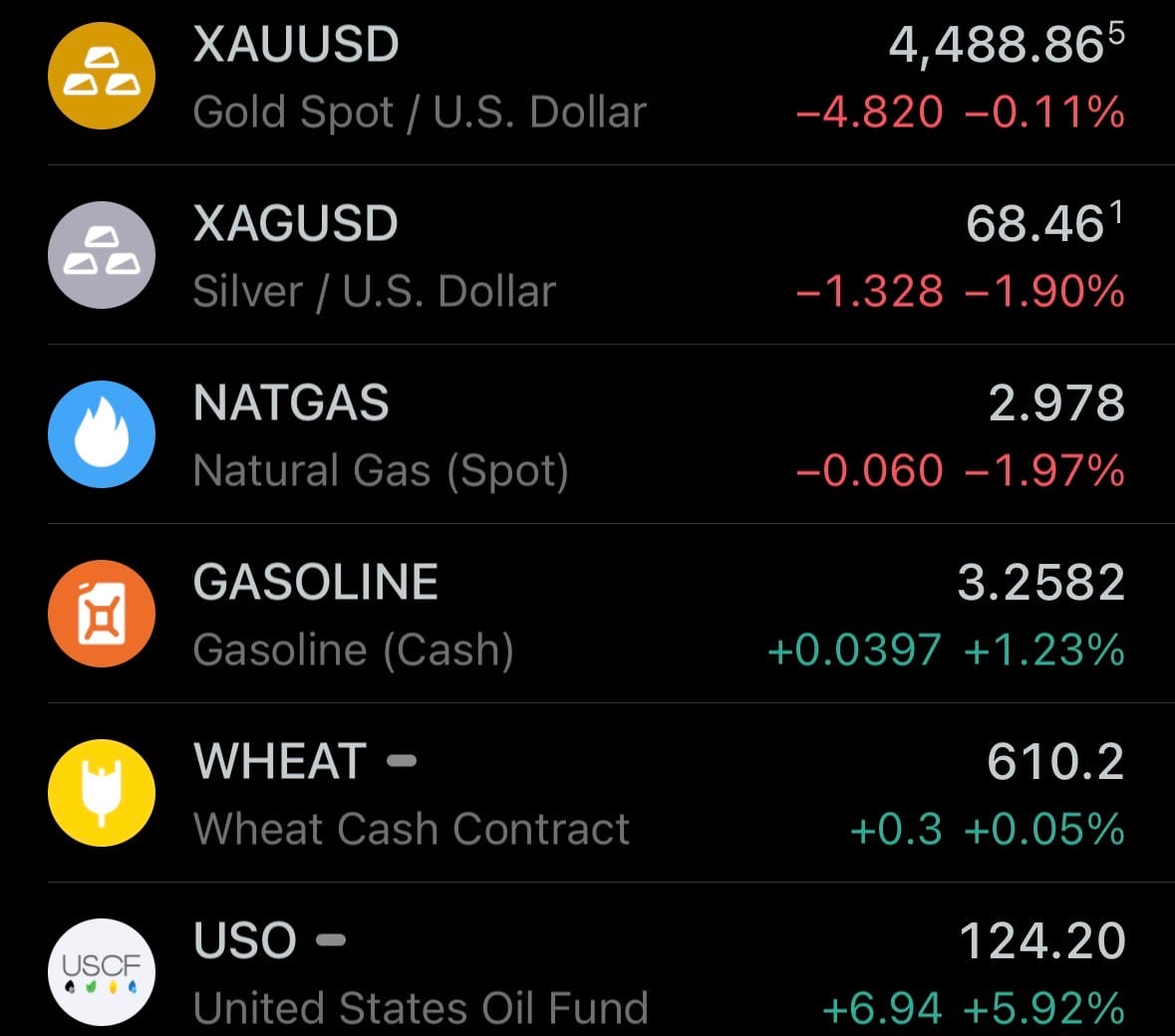
- Yesterday’s commodity market:
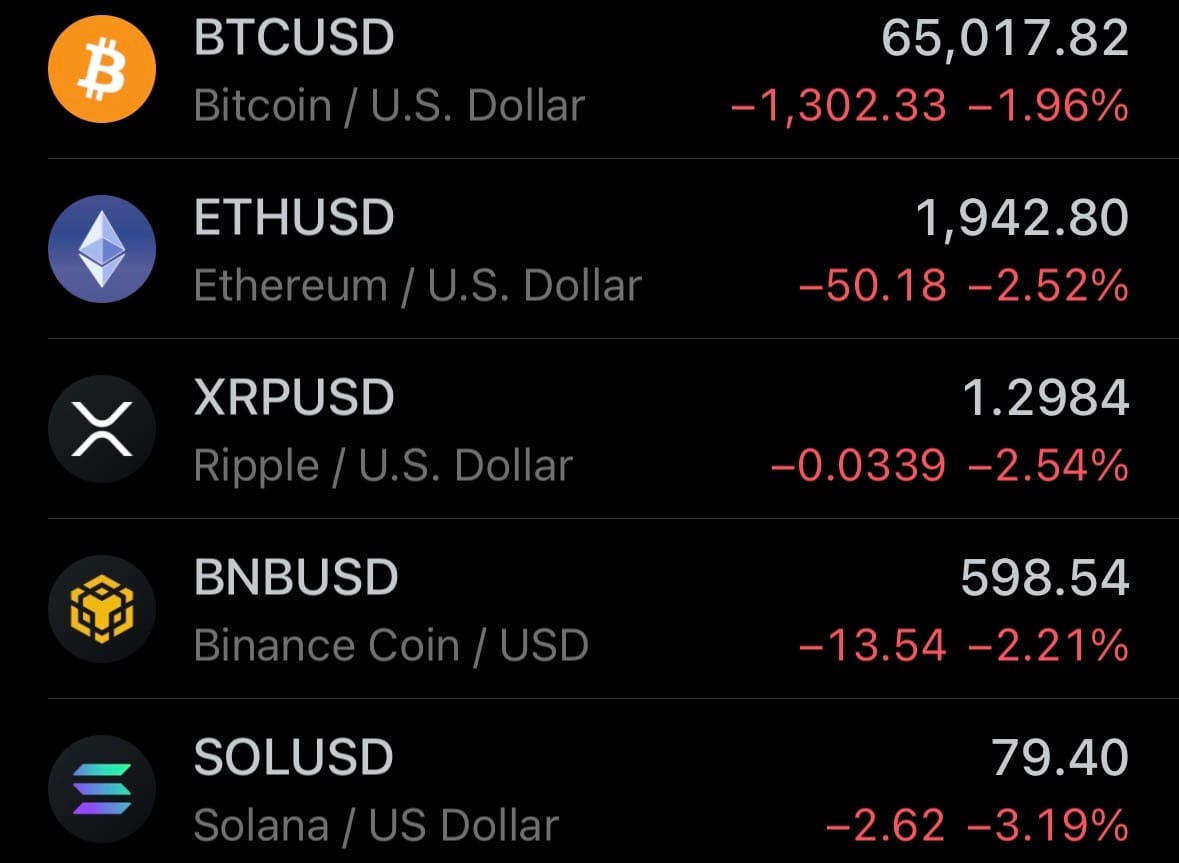
- Yesterday’s crypto market:
Geopolitics & Military Activity:

- As of March 29, 2026, the massive fire at Russia’s key oil and gas export terminal in Ust-Luga on the Baltic Sea continues to burn for the third straight day. Ukrainian drone strikes earlier this week have forced the complete suspension of oil and petroleum product loadings at the port, one of Russia’s largest export hubs on the Gulf of Finland.
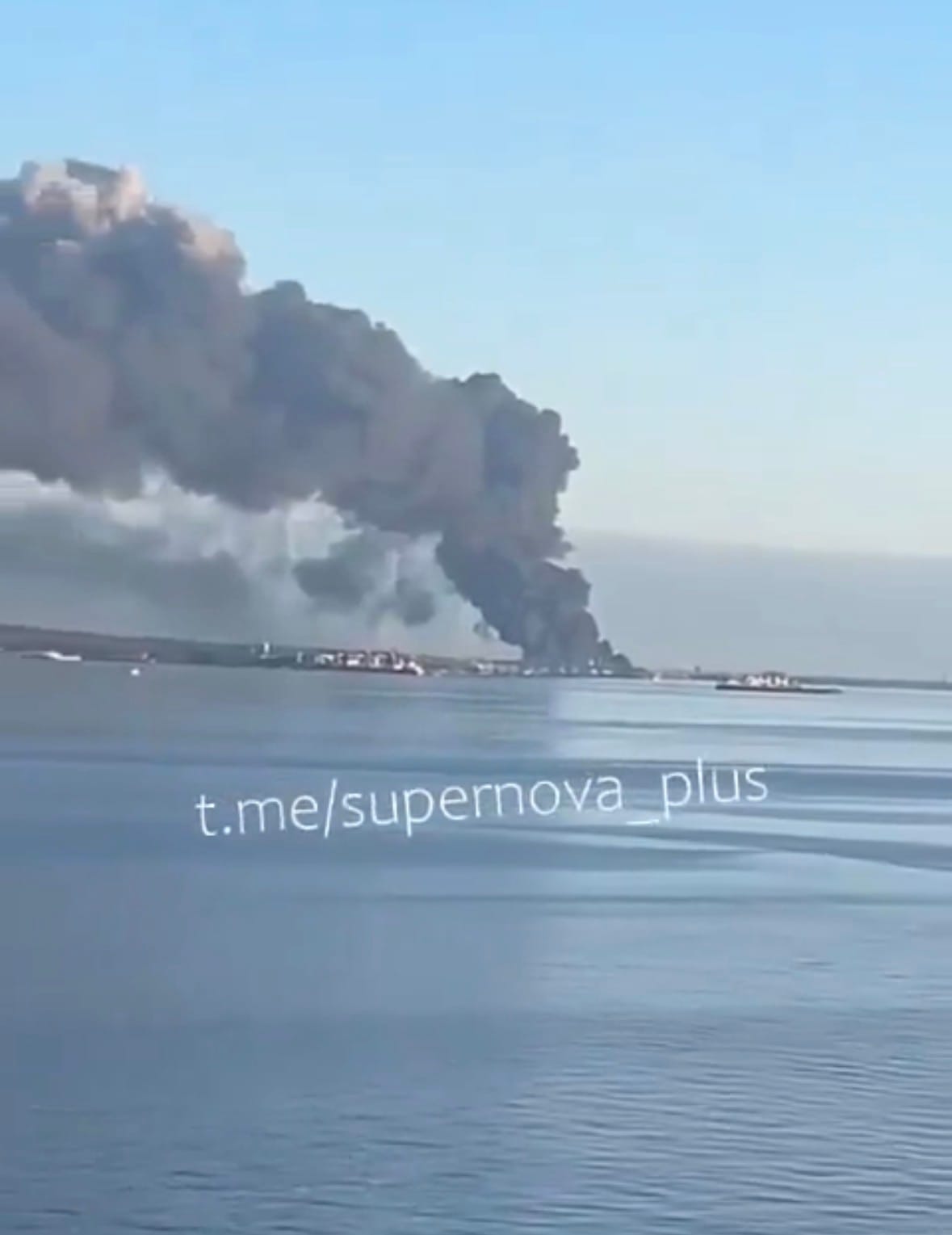
- Satellite imagery and local reports show multiple oil storage tanks and loading infrastructure still on fire, with additional Ukrainian drone attacks reported over several nights. Russian officials say the facility has been sealed off with no casualties, while Ukraine claims successful strikes on tanks and export equipment aimed at crippling Russia’s energy revenue.
Environment & Weather:
Space:
- On March 28, 2026, Rocket Lab successfully launched its Electron rocket on the “The Daughter Of The Stars” mission for the European Space Agency (ESA). The rocket lifted off from Launch Complex 1 in New Zealand and deployed two Celeste Pathfinder satellites, the first pair for ESA’s future Low Earth Orbit Positioning, Navigation, and Timing (LEO-PNT) constellation.
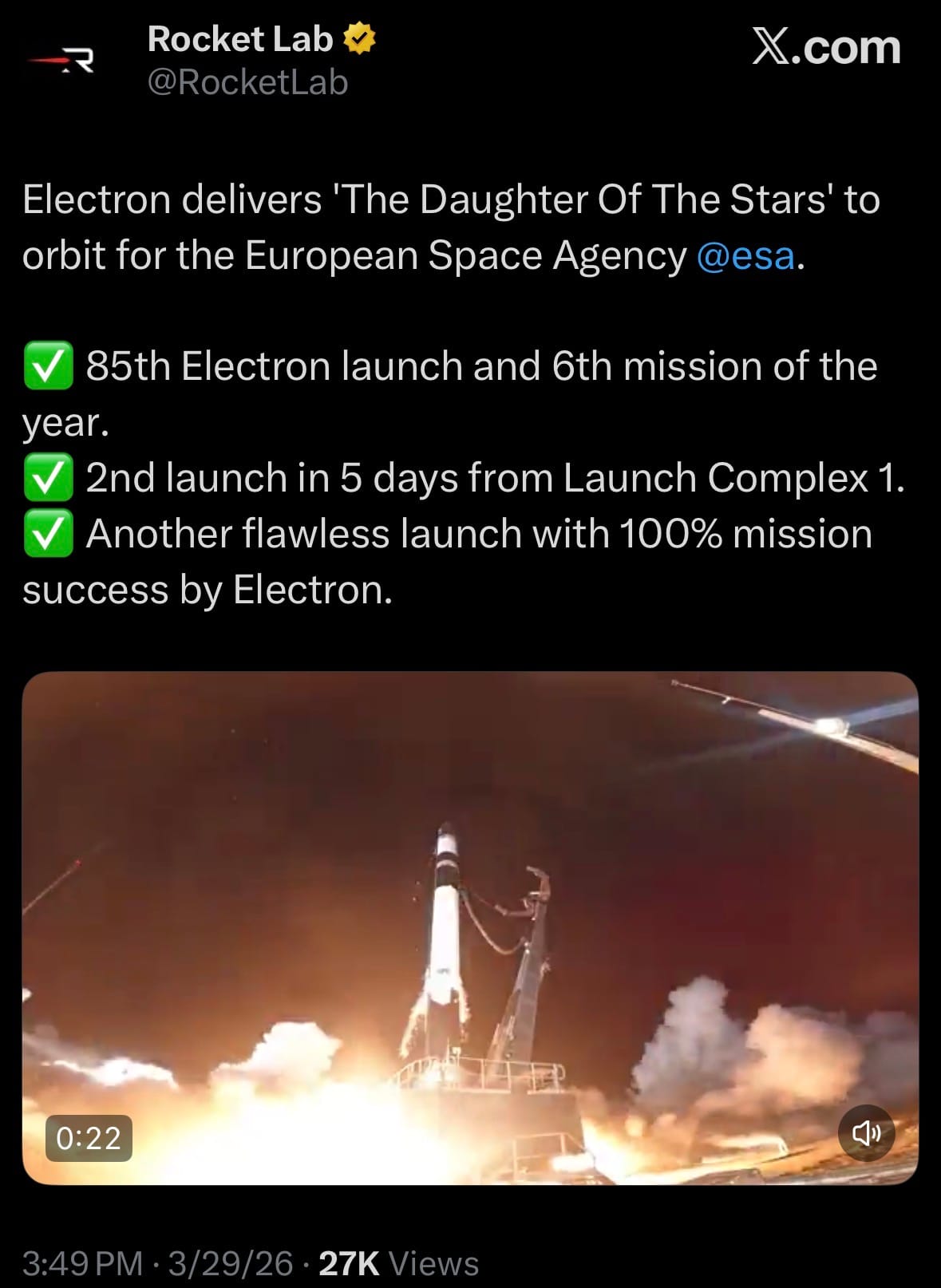
- This marked Rocket Lab’s 85th Electron launch, the 6th mission of 2026, and the second launch in just five days from the same pad. The mission was executed flawlessly with 100% success.
Statistic:
- Largest assets on Earth by market capitalization:
- Gold: $31.179T
- 🇺🇸 NVIDIA: $4.071T
- Silver: $3.869T
- 🇺🇸 Apple: $3.656T
- 🇺🇸 Alphabet (Google): $3.311T
- 🇺🇸 Microsoft: $2.651T
- 🇺🇸 Amazon: $2.139T
- 🇸🇦 Saudi Aramco: $1.739T
- 🇹🇼 TSMC: $1.694T
- 🇺🇸 Broadcom: $1.425T
- 🇺🇸 Tesla: $1.357T
- 🇺🇸 Meta Platforms: $1.329T
- Bitcoin: $1.329T
- 🇺🇸 Berkshire Hathaway: $1.010T
- 🇺🇸 Walmart: $979.72B
- Vanguard S&P 500 ETF (VOO): $805.67B
- 🇺🇸 Eli Lilly: $786.04B
- 🇰🇷 Samsung: $767.50B
- 🇺🇸 JPMorgan Chase: $762.82B
- 🇺🇸 Exxon Mobil: $712.47B
- iShares Core S&P 500 ETF (IVV): $701.80B
- SPDR S&P 500 ETF (SPY): $634.80B
- 🇺🇸 Johnson & Johnson: $579.46B
- 🇺🇸 Visa: $569.77B
- 🇨🇳 Tencent: $567.69B
History:
- The history of the Tomahawk cruise missile begins during the Cold War, when the United States sought a long-range, highly precise strike weapon that could be launched from ships or submarines without exposing pilots or aircraft. Development started in the early 1970s, led by General Dynamics (later Raytheon), as part of a broader effort to create low-flying, terrain-following cruise missiles capable of penetrating Soviet air defenses. The Tomahawk officially entered service in 1983 as the BGM-109, with multiple variants including nuclear and conventional payload versions. What made the Tomahawk revolutionary was its ability to fly long distances (over 1,000+ miles) at low altitude, using TERCOM (Terrain Contour Matching) guidance to navigate by comparing onboard maps with actual terrain below. This allowed it to evade radar and strike targets with far greater precision than traditional missiles. Early versions were deployed on U.S. Navy ships and submarines, making them a key component of sea-based strike capability during the Cold War.
- The Tomahawk proved its effectiveness in real-world combat during the Gulf War in 1991, where it was used extensively to strike Iraqi targets with high precision, marking one of the first large-scale uses of precision-guided cruise missiles. Over time, the system evolved with major upgrades. GPS guidance was integrated in the 1990s, significantly improving accuracy and flexibility. Later versions introduced Digital Scene Matching Area Correlation (DSMAC), allowing the missile to visually compare terrain images during the final phase of flight. The most advanced variants, such as the Tomahawk Block IV (Tactical Tomahawk) introduced in the 2000s, added the ability to loiter, receive in-flight updates, and redirect to new targets mid-mission, making them far more adaptable in dynamic combat environments. Today, the Tomahawk remains one of the most widely used long-range precision strike weapons in the U.S. arsenal, with newer versions like the Block V adding capabilities for anti-ship warfare and enhanced targeting. Operated primarily by the United States Navy and also used by allies like the United Kingdom, the Tomahawk represents a major evolution in missile warfare—combining long-range reach, precision guidance, and flexible targeting into a single system that allows strikes to be conducted from hundreds or thousands of miles away without direct engagement.
Image of the day:

Thanks for reading! Earth is complicated, we make it simple.
- Click below if you’d like to view our free EARTH WATCH globe:
- Download our mobile app:



Click below to view our previous newsletters:

Support/Suggestions Email:
support@earthintel.io