Thursday☕️

Earth Recap:
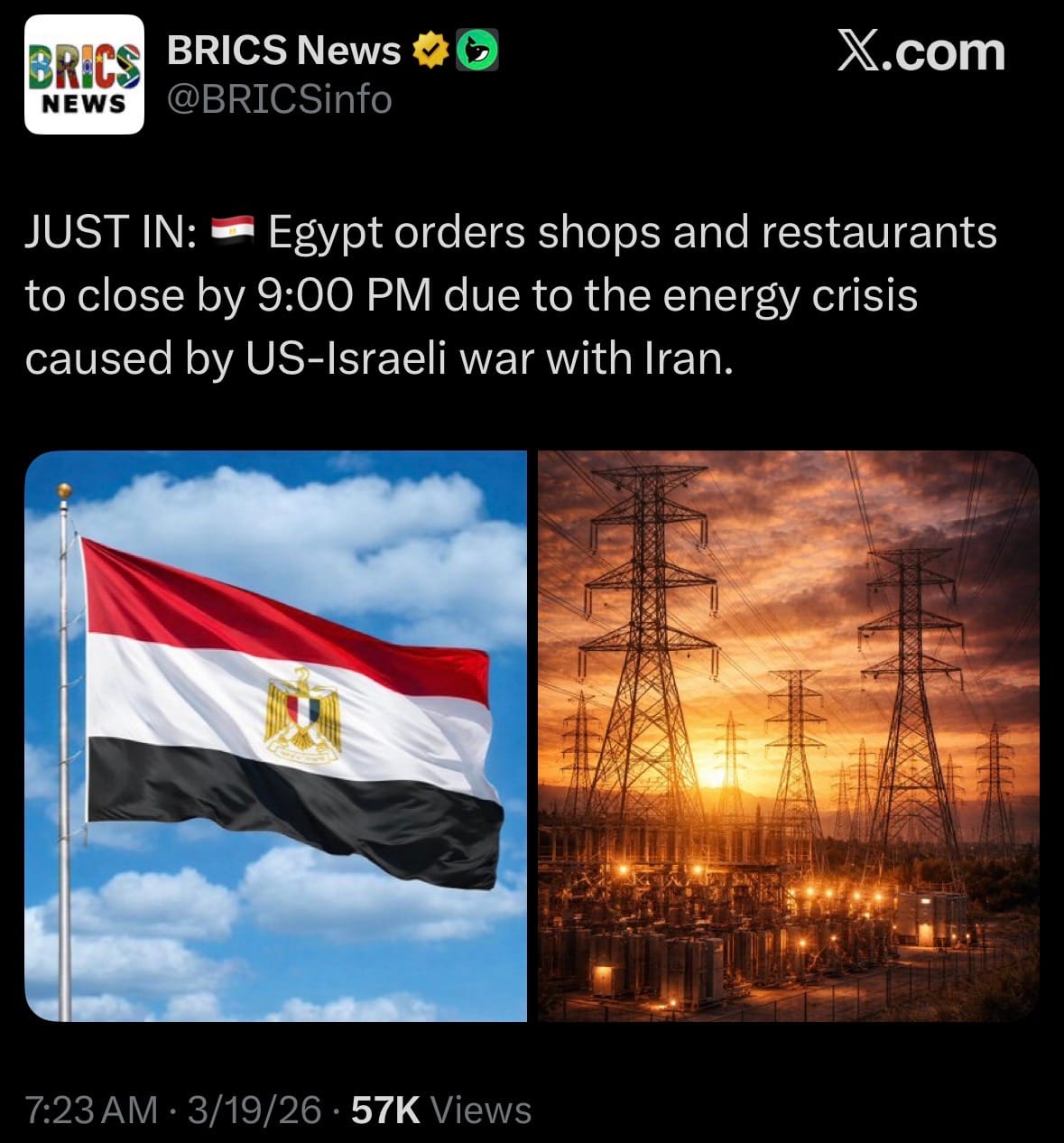
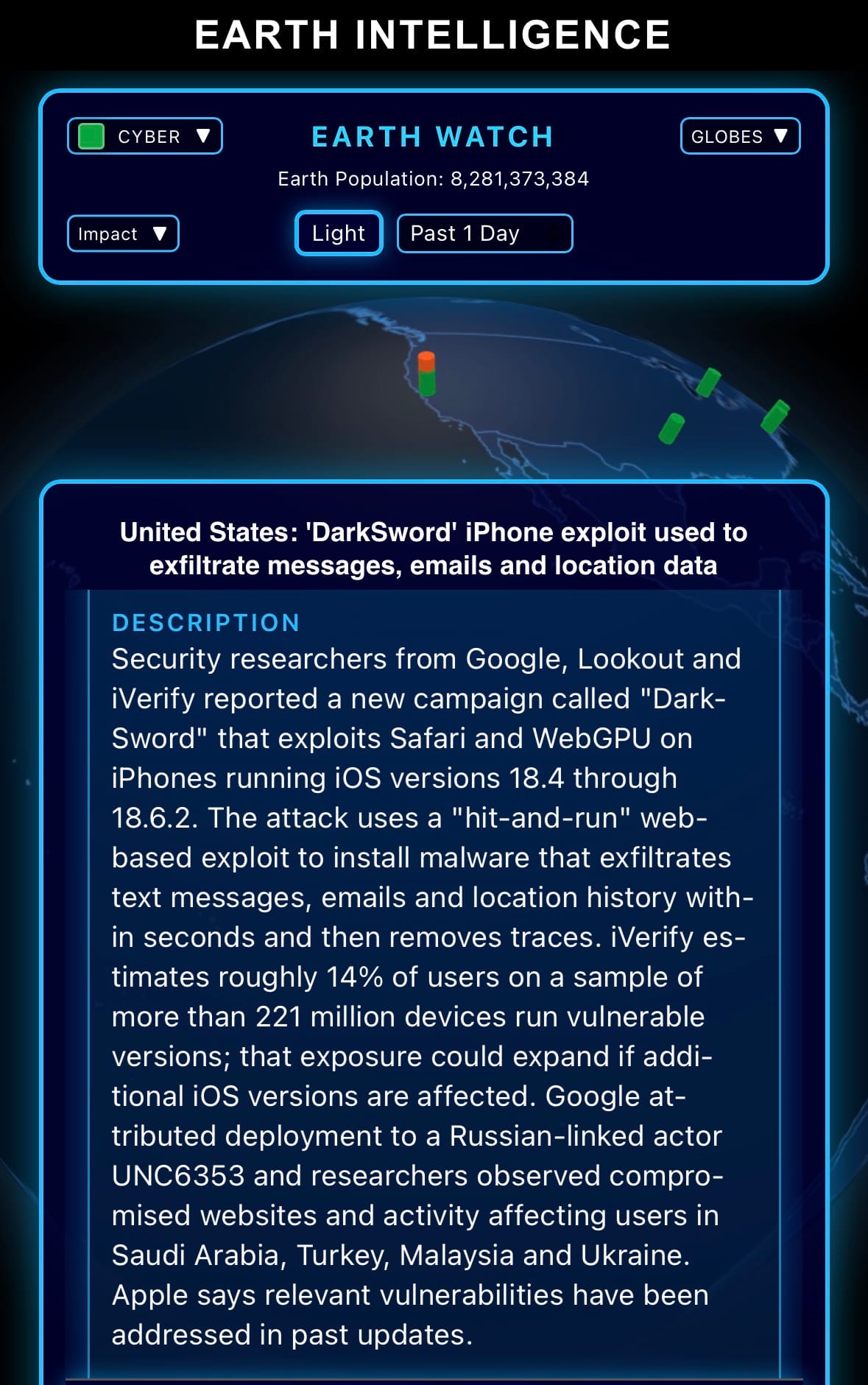
Economics & Markets:
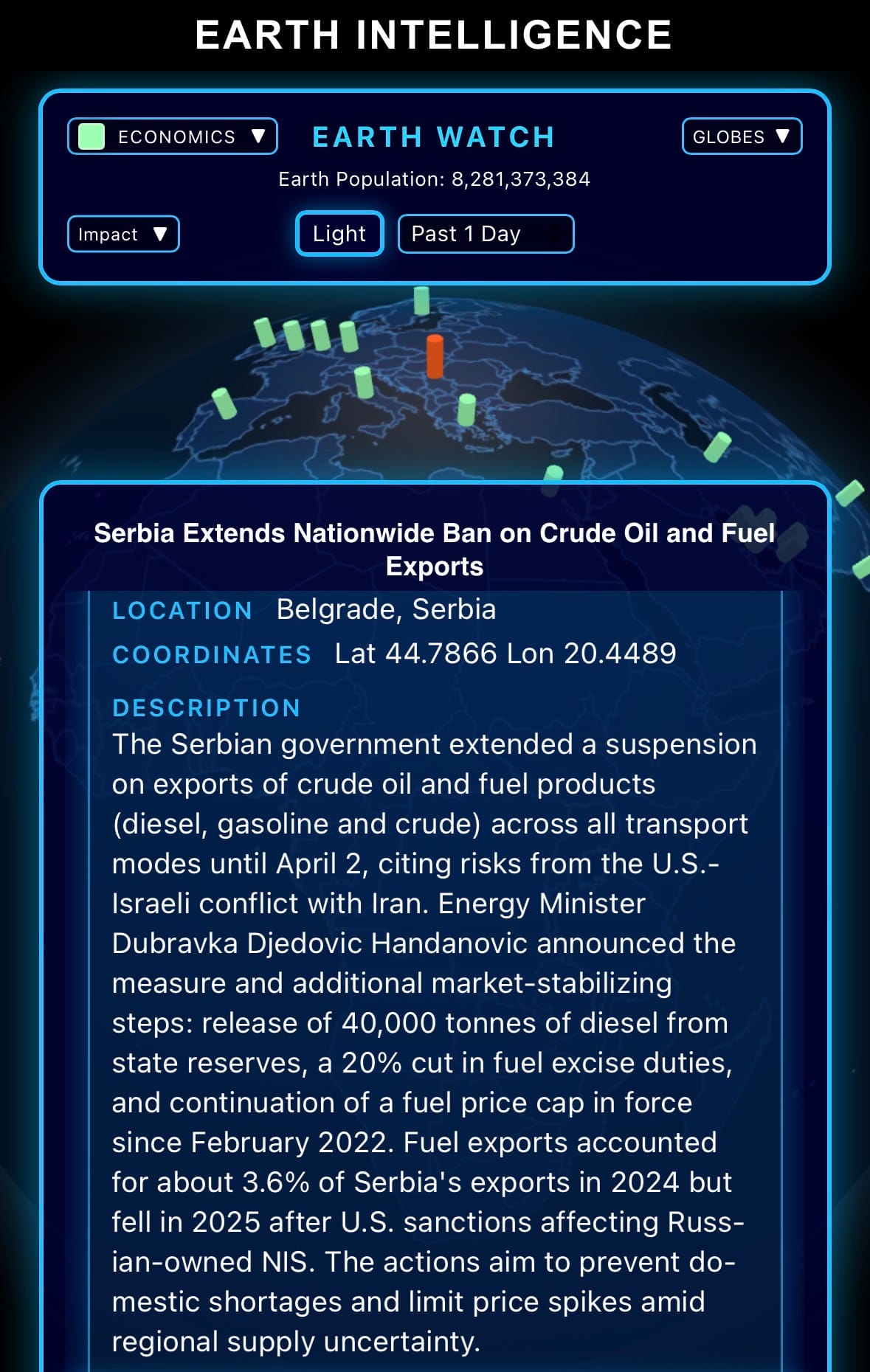
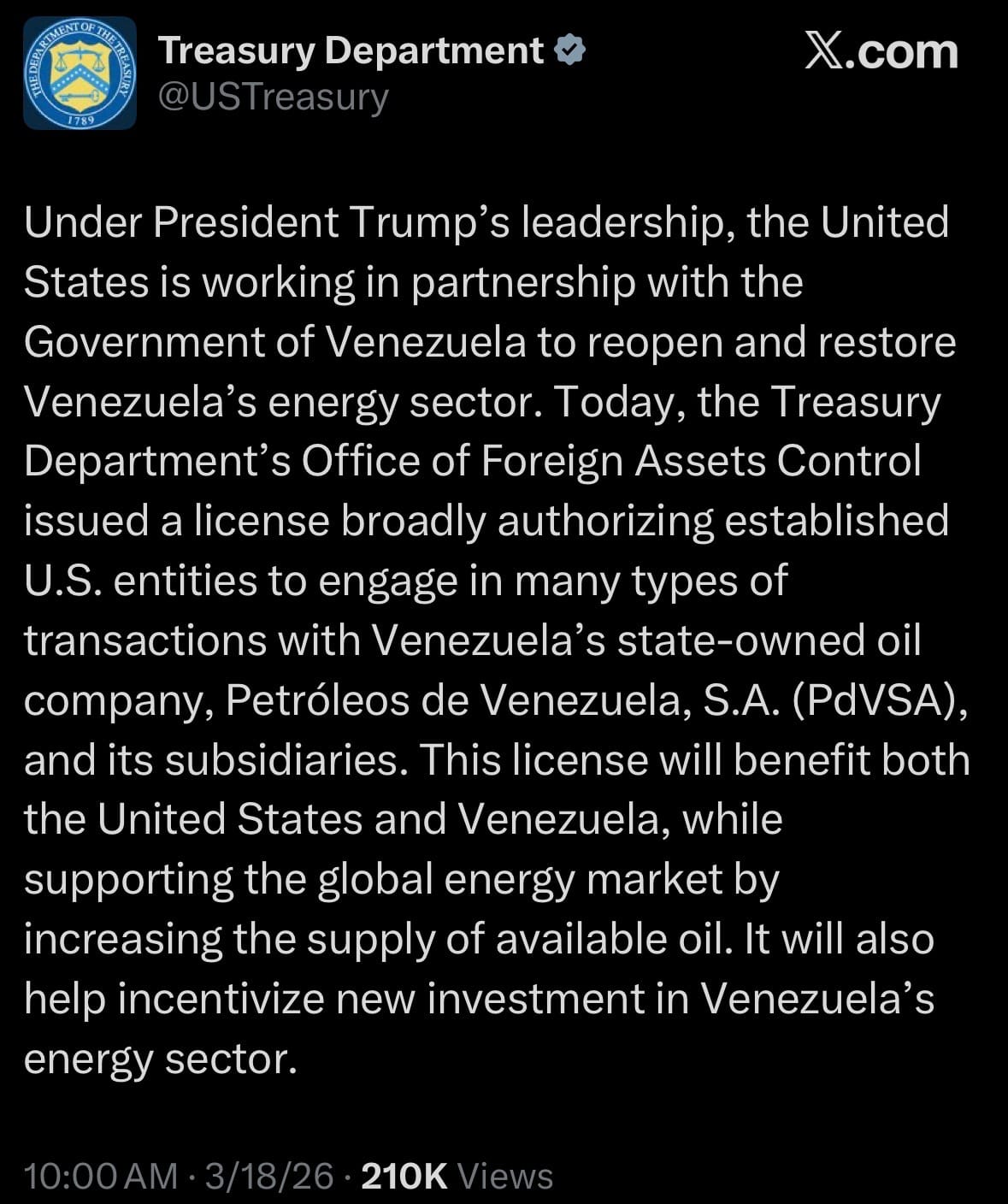
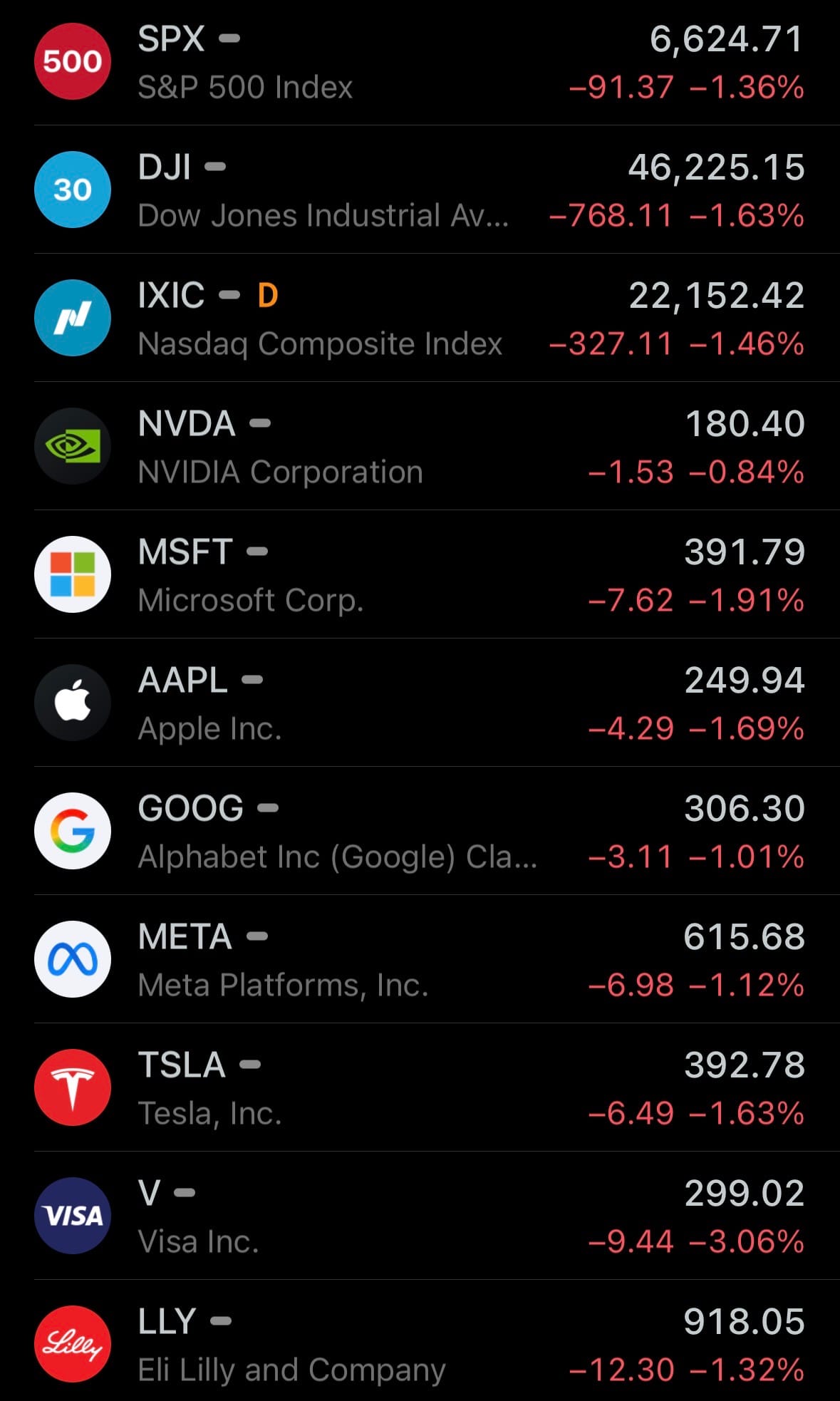
- Yesterday’s U.S. stock market:
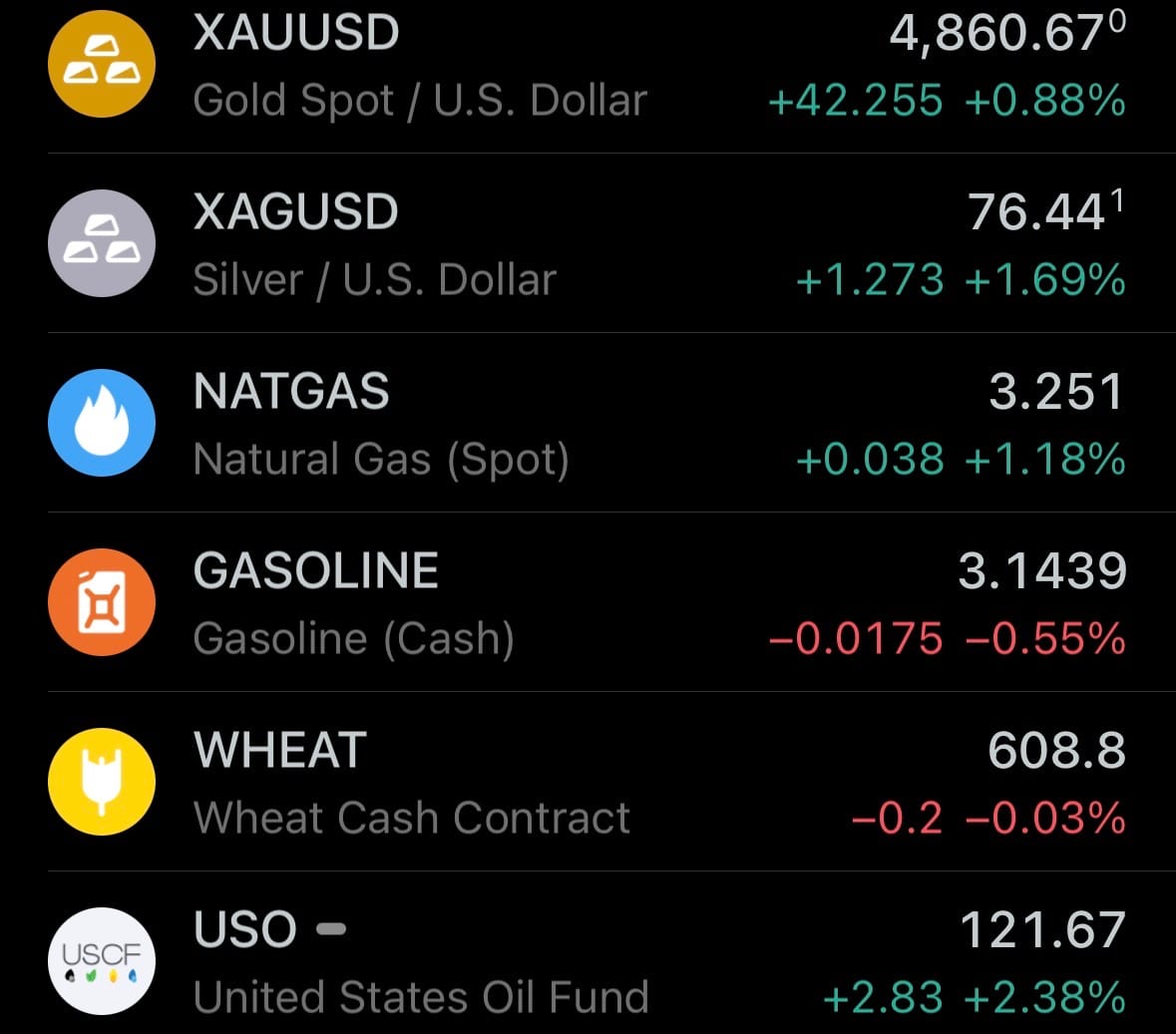
- Yesterday’s commodity market:
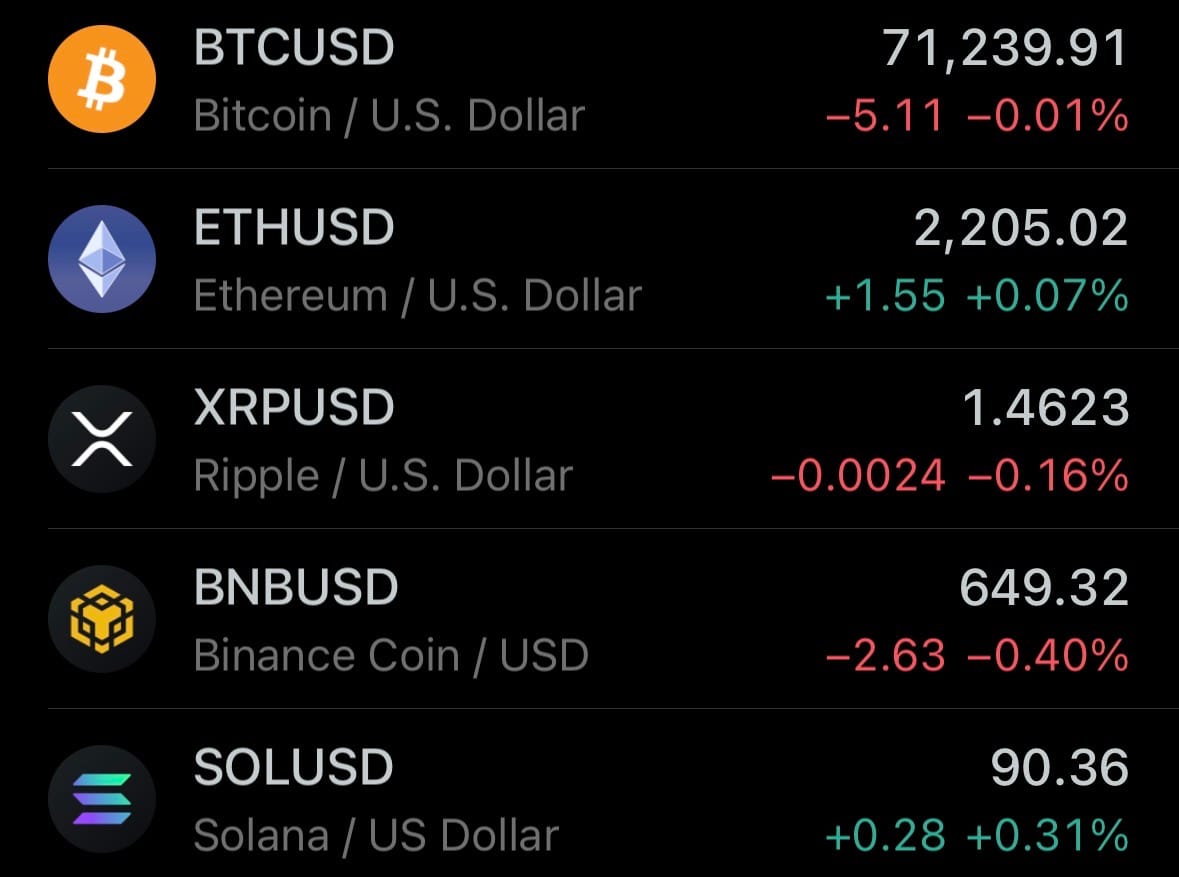
- Yesterday’s crypto market:
Geopolitics & Military Activity:
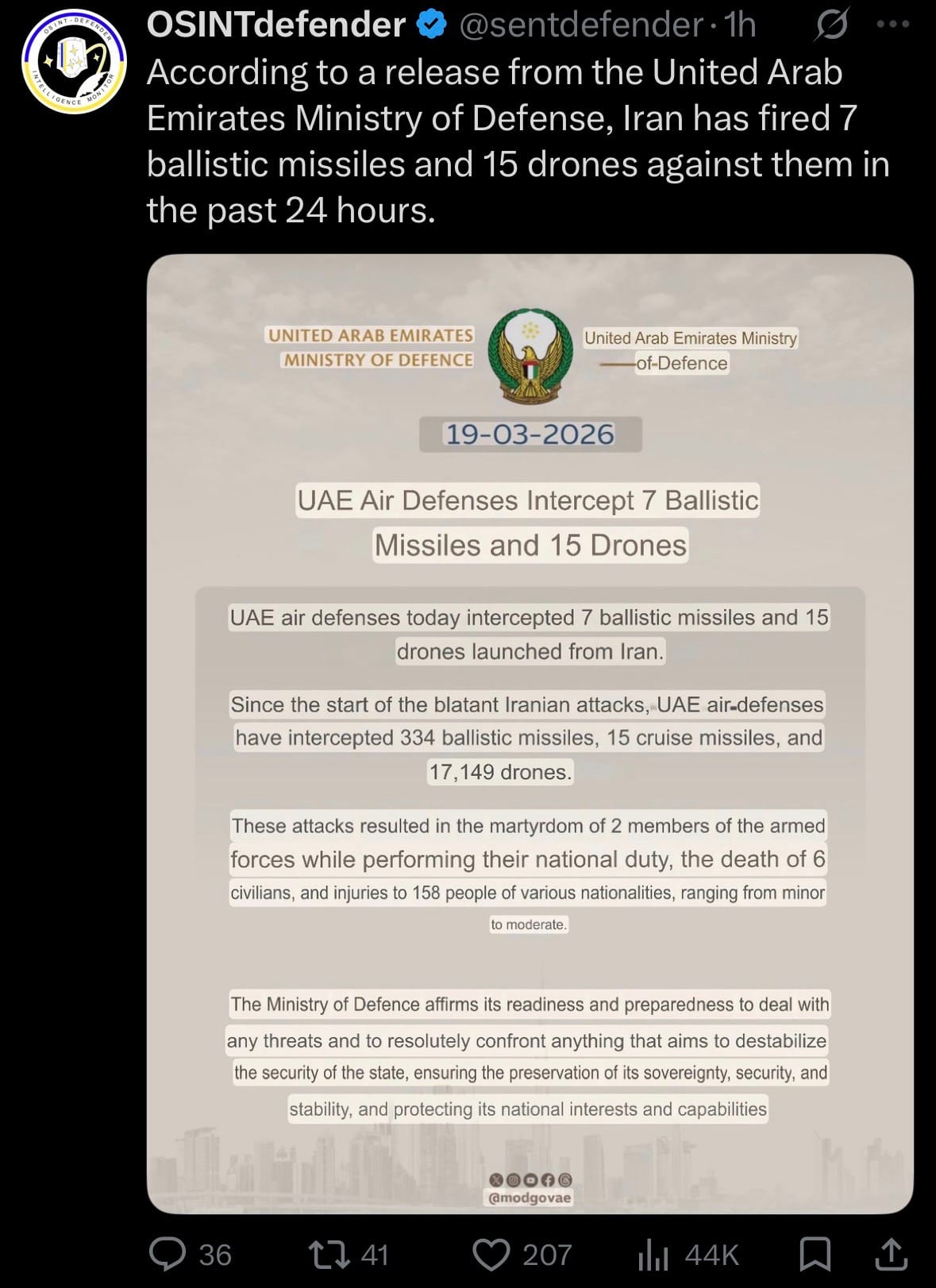
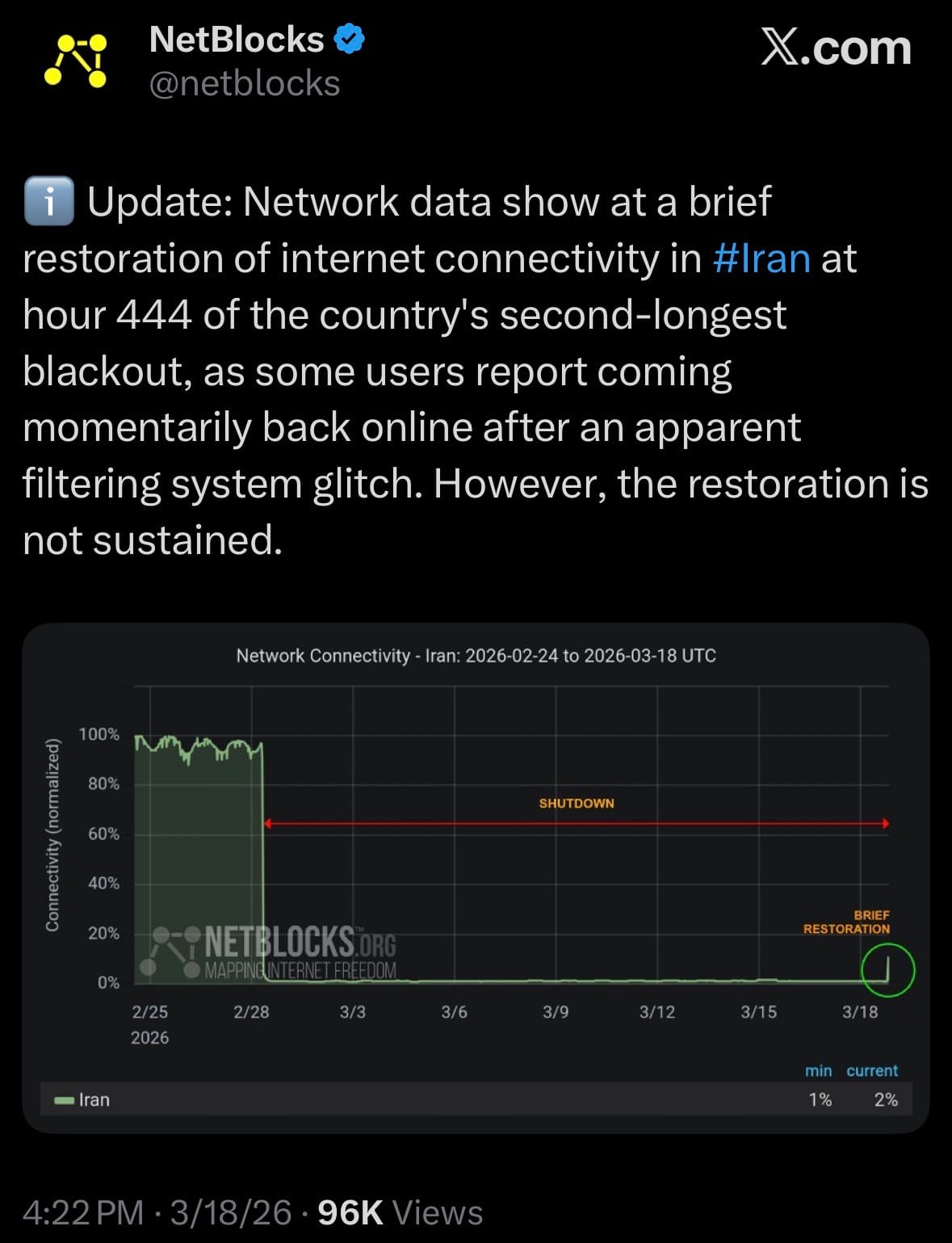
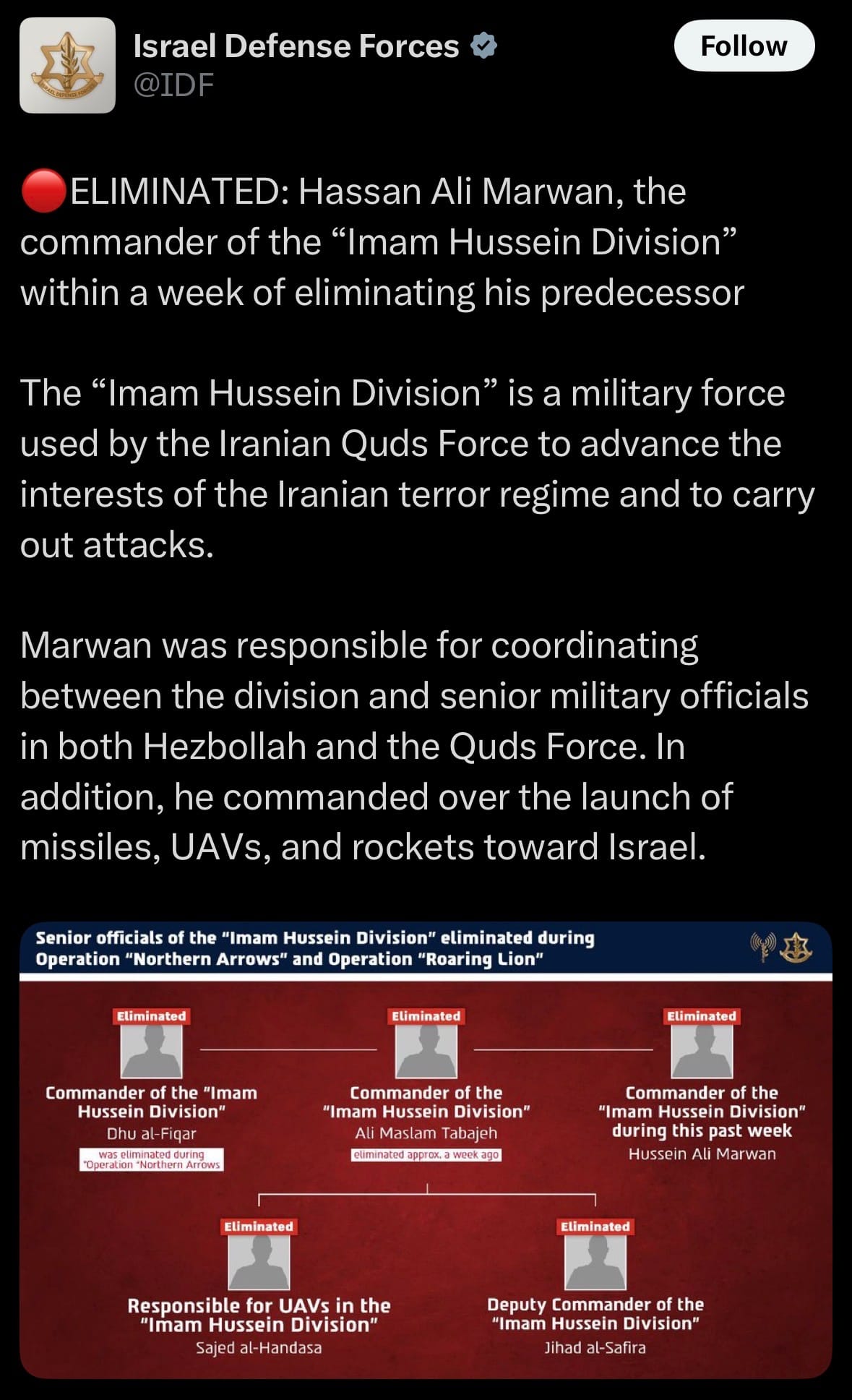
- As of March 18, 2026, Iran carried out a major escalation by launching missile and drone attacks targeting nine countries in one day amid the ongoing U.S.-Israel-Iran war. Strikes and threats hit Israel (with significant damage reported in Tel Aviv and central Israel from ballistic missiles using cluster munitions), Qatar (Ras Laffan LNG hub struck, causing fires and production halts), the UAE (Shah gas field suspended, Fujairah oil zone and a tanker hit), Saudi Arabia, Bahrain, Kuwait, Oman, Jordan, and additional sites.
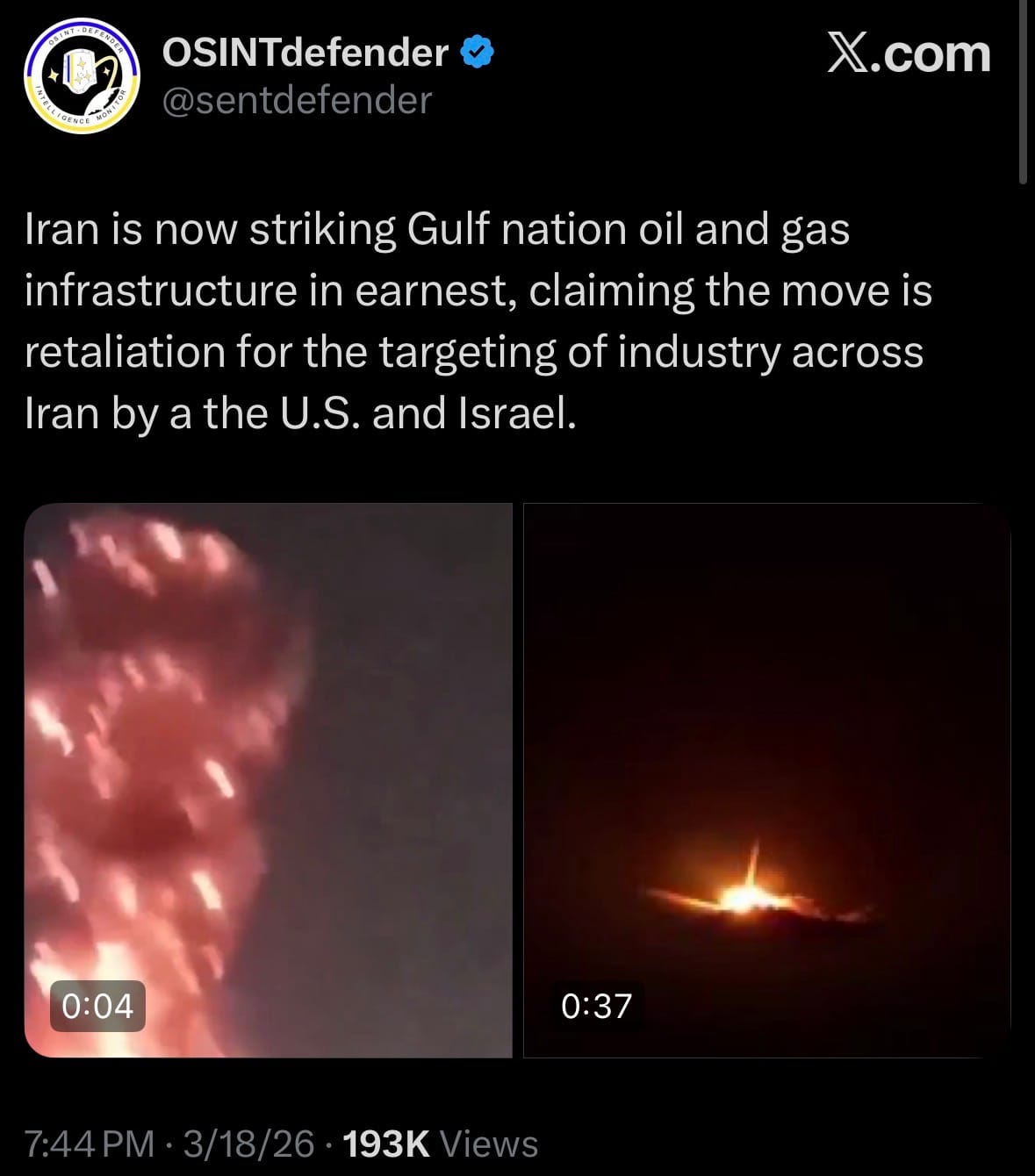
- Multiple Gulf energy facilities are evacuating staff ahead of expected further strikes. The attacks have increased pressure on Gulf states and the West, with several countries showing growing reluctance to deepen involvement in the conflict. Hostilities continue with no ceasefire in sight.
Science & Technology:
- As of March 18, 2026, Google launched Stitch, a new AI-powered design platform. It lets you describe a business idea or app concept in simple words, and the AI instantly turns it into professional-looking designs on a smart canvas.
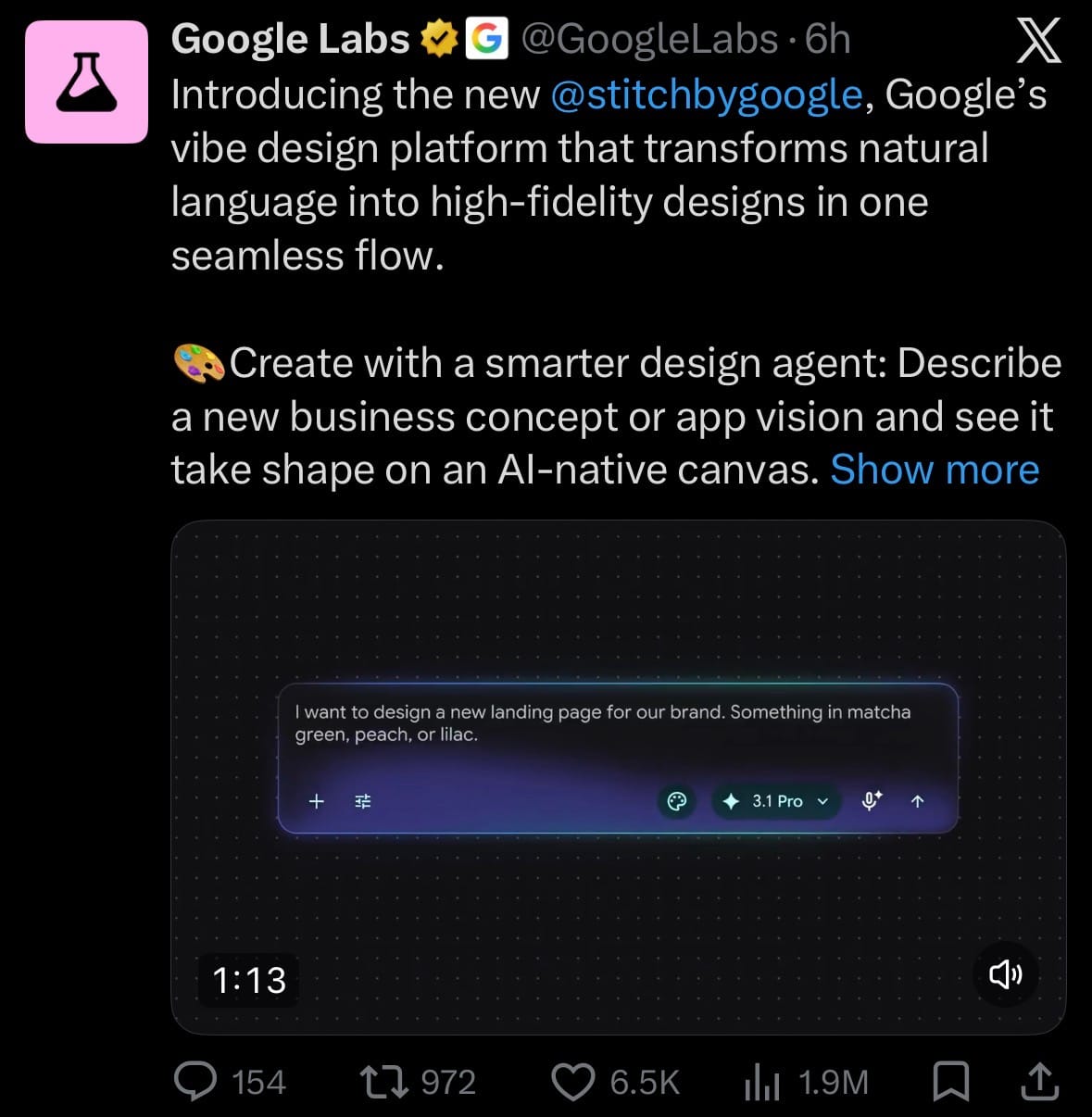
- You can quickly connect screens into interactive prototypes, keep your brand consistent, and even make changes using just your voice in real time. Stitch is currently available in English for users aged 18 and older in countries where Gemini is supported.
Statistic:
- Largest public oil and gas companies by market capitalization:
- 🇸🇦 Saudi Aramco: $1.743T
- 🇺🇸 Exxon Mobil: $656.64B
- 🇺🇸 Chevron: $397.09B
- 🇨🇳 PetroChina: $328.33B
- 🇬🇧 Shell: $262.83B
- 🇫🇷 TotalEnergies: $184.44B
- 🇨🇳 CNOOC: $178.23B
- 🇺🇸 ConocoPhillips: $151.14B
- 🇧🇷 Petrobras: $127.40B
- 🇨🇦 Enbridge: $116.19B
- 🇬🇧 BP: $114.27B
- 🇺🇸 Southern Company: $108.06B
- 🇨🇳 Sinopec: $107.73B
- 🇨🇦 Canadian Natural Resources: $102.42B
- 🇺🇸 Duke Energy: $101.68B
- 🇳🇴 Equinor: $96.08B
- 🇺🇸 Williams Companies: $88.92B
- 🇺🇸 Enterprise Products: $80.07B
- 🇮🇹 ENI: $78.59B
- 🇦🇪 TAQA: $76.22B
- 🇺🇸 EOG Resources: $74.61B
- 🇨🇦 Suncor Energy: $73.80B
- 🇺🇸 Valero Energy: $72.73B
- 🇺🇸 Kinder Morgan: $72.55B
- 🇺🇸 Marathon Petroleum: $71.01B
History:
- The history of submarines begins with early attempts to operate beneath the surface for stealth and surprise. One of the first recorded designs dates back to 1620, when Dutch inventor Cornelius Drebbel built a rudimentary submersible for the English navy, powered by oars and capable of traveling just below the surface of the Thames River. More practical military use emerged in the American Revolution, when David Bushnell’s Turtle (1775) attempted to attach explosives to British ships. During the 19th century, submarine design advanced with the introduction of mechanical propulsion and compressed air systems. A major milestone came with the Confederate submarine H.L. Hunley (1864), which became the first submarine to sink an enemy warship, though it was also lost in the process. By the early 1900s, modern submarine design began to take shape with diesel engines for surface travel and electric batteries for submerged operation. Nations like the United States, Britain, Germany, and France began building operational submarine fleets, setting the stage for their decisive role in global warfare.
- Submarines became a dominant force in World War I and World War II, particularly through Germany’s U-boat campaigns, which targeted Allied shipping and reshaped naval strategy. By World War II, submarines were more advanced, with improved torpedoes, sonar, and longer operational ranges. The real transformation came during the Cold War, when the United States launched the first nuclear-powered submarine, USS Nautilus, in 1954, allowing submarines to remain submerged for months without surfacing. This led to the development of ballistic missile submarines (SSBNs), capable of carrying nuclear weapons and forming a key part of nuclear deterrence strategies. Today, submarines are among the most advanced and stealthy military platforms in existence. Major submarine powers include the United States, Russia, China, the United Kingdom, and France, all of which operate nuclear-powered fleets. Modern submarines fall into categories such as attack submarines (SSNs), ballistic missile submarines (SSBNs), and diesel-electric submarines (SSKs) used by many other nations. Equipped with advanced sonar, cruise missiles, torpedoes, and in some cases nuclear weapons, submarines operate as hidden intelligence platforms, strike systems, and deterrent forces. From early wooden submersibles to silent nuclear-powered vessels patrolling the depths of the oceans, submarines have evolved into one of the most powerful and strategically important tools in modern warfare.
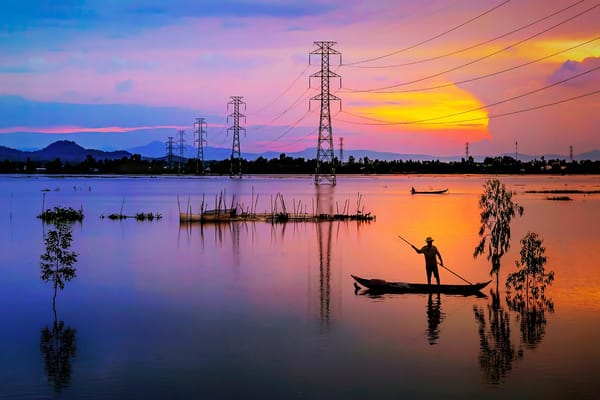
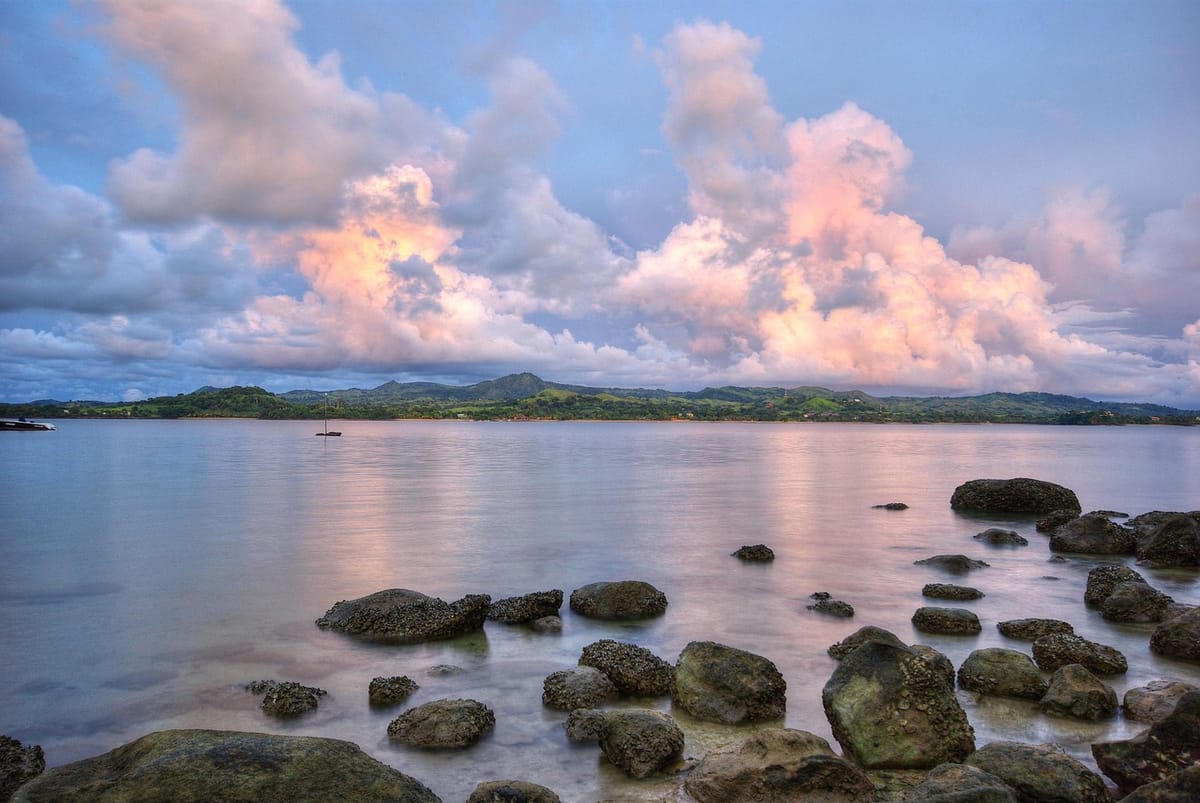
Image of the day:

Thanks for reading! Earth is complicated, we make it simple.
- Click below if you’d like to view our free EARTH WATCH globe:
- Download our mobile app:



Click below to view our previous newsletters:
Support/Suggestions Email:
support@earthintel.io