Tuesday☕️

- On February 9, 2026, Lockheed Martin unveiled the LampreyMMAUV™ (Multi-Mission Autonomous Underwater Vehicle), a modular “plug-and-play” underwater drone built to give U.S. and allied navies a strong advantage in contested waters. The vehicle is designed to be quickly reconfigured for different missions by swapping payloads, without needing major redesigns or long setup times.
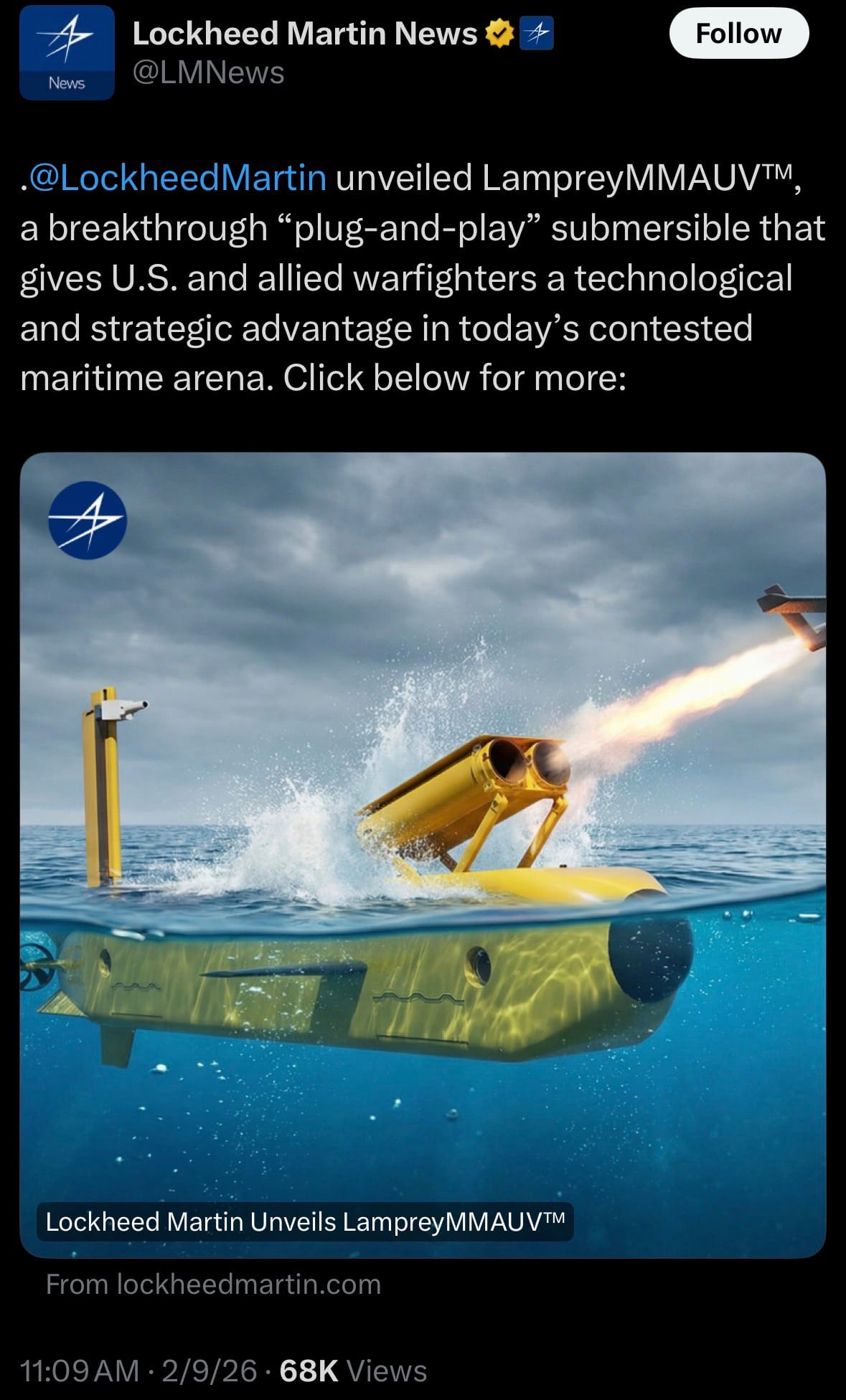
- Its main capabilities include modular payload bays for fast changes of sensors, weapons, or other equipment; long-endurance autonomous operation with a very quiet (low acoustic) signature; the ability to launch from ships, submarines, or shore and work together with air, surface, and underwater forces; support for missions like anti-submarine warfare, mine detection and clearing, intelligence gathering, electronic warfare, and strikes; and an open design that lets third-party systems and software be added easily for quick upgrades and teamwork with allies. Lockheed Martin calls it a key tool for modern naval missions, highlighting fast deployment, lower risk to human crews, and flexibility in dangerous areas.
Economics & Markets:
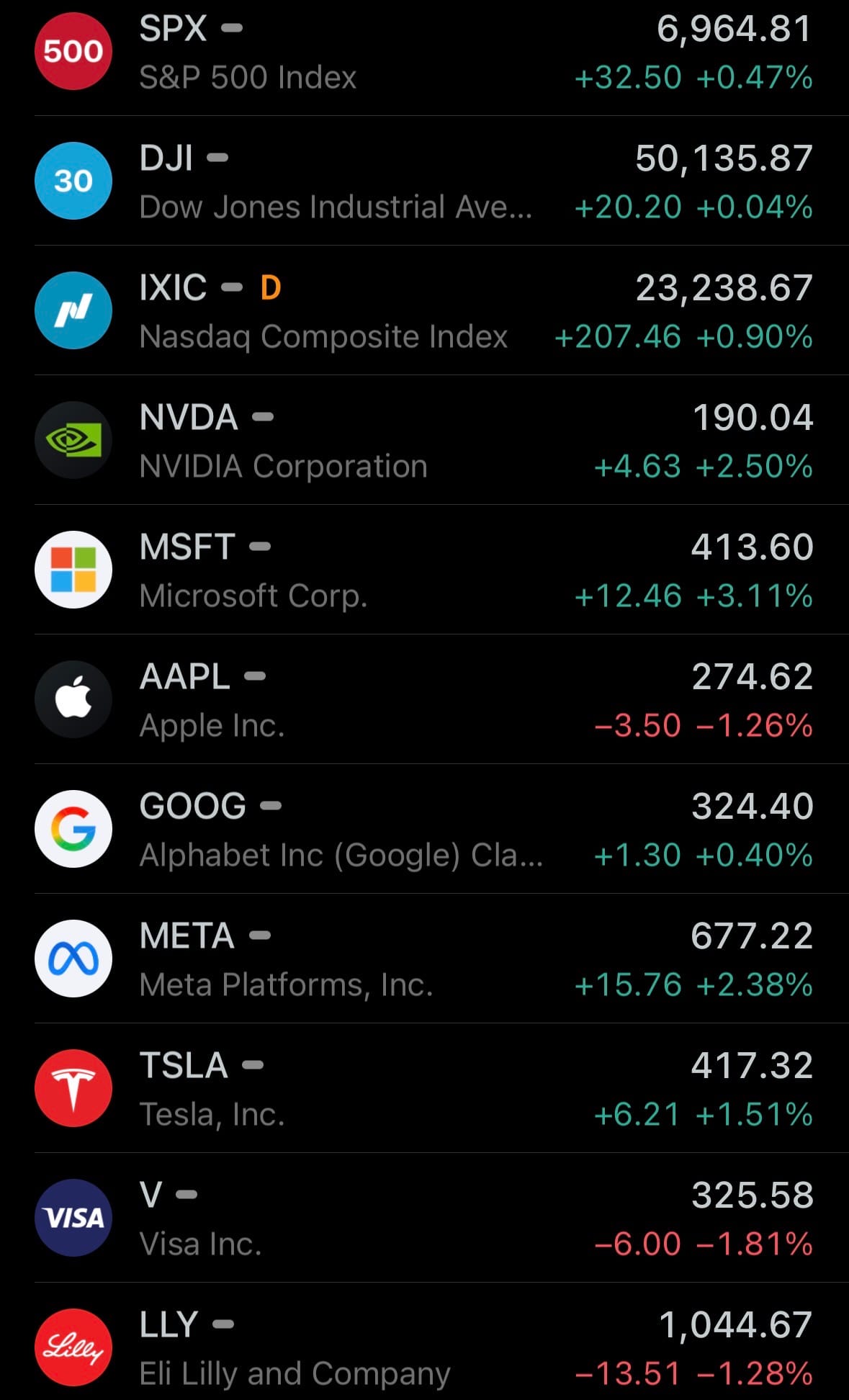
- Yesterday’s U.S. stock market:
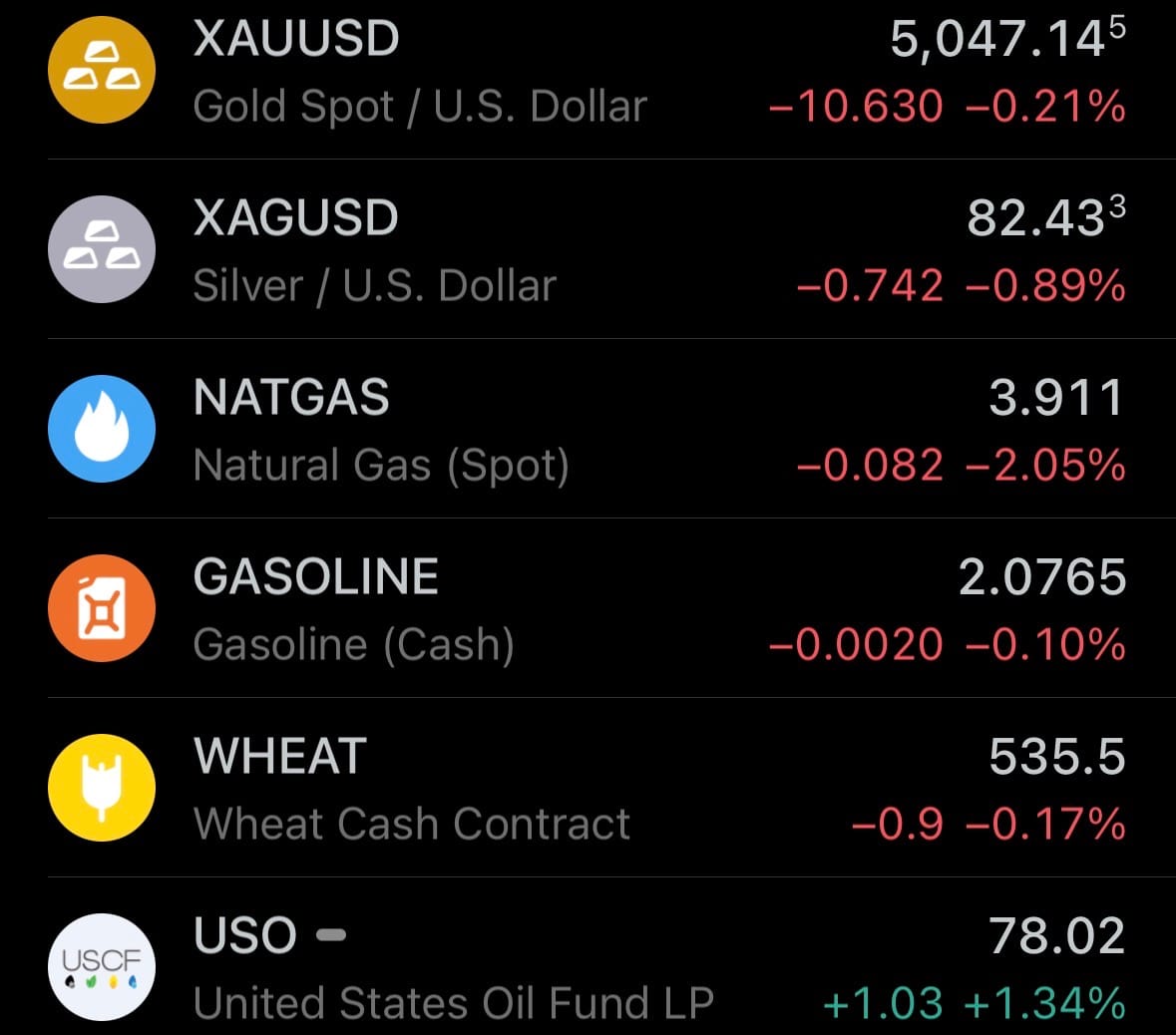
- Yesterday’s commodity market:
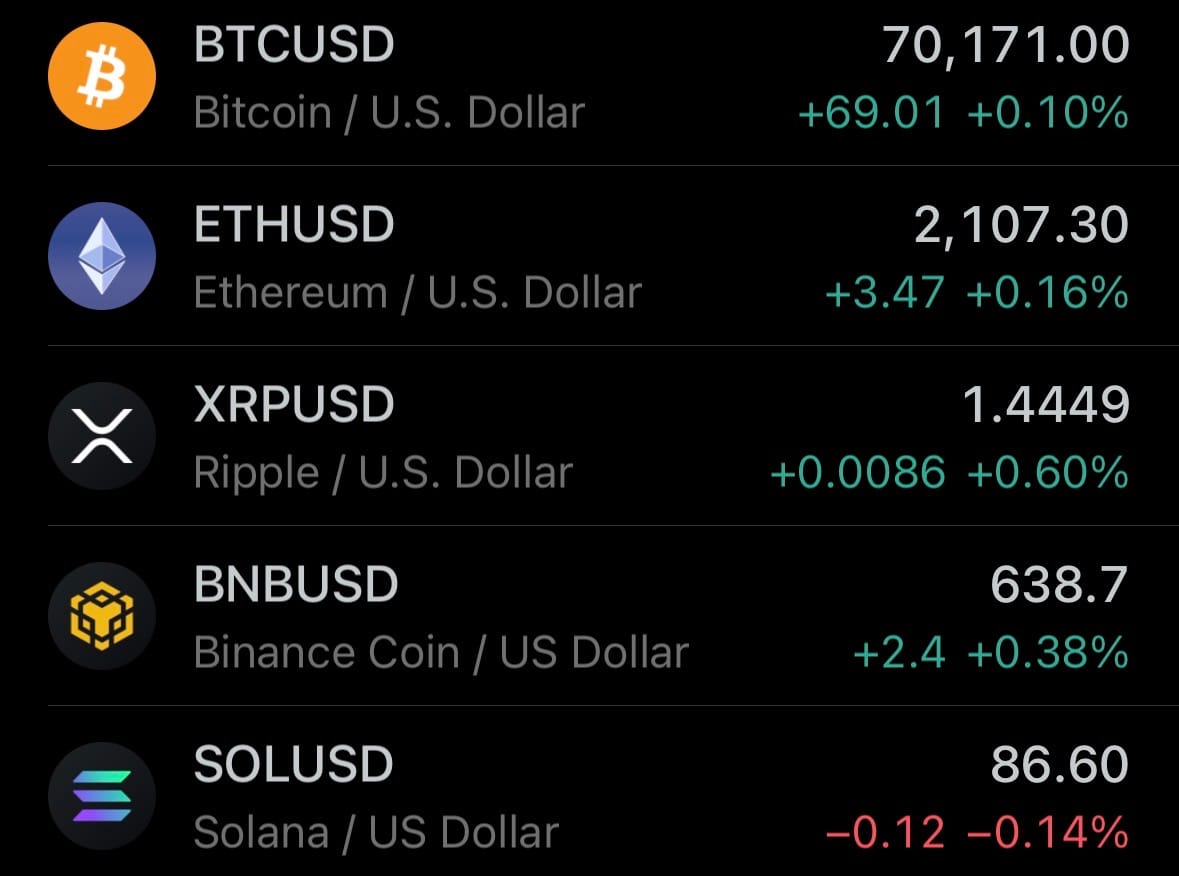
- Yesterday’s crypto market:
Geopolitics & Military Activity:
- On February 9, 2026, U.S. Southern Command (SOUTHCOM), under the direction of Gen. Francis L. Donovan, announced that Joint Task Force Southern Spear conducted an airstrike on a vessel in the Eastern Pacific. Intelligence indicated the vessel was operated by designated terrorist organizations and was actively engaged in narco-trafficking along known smuggling routes.
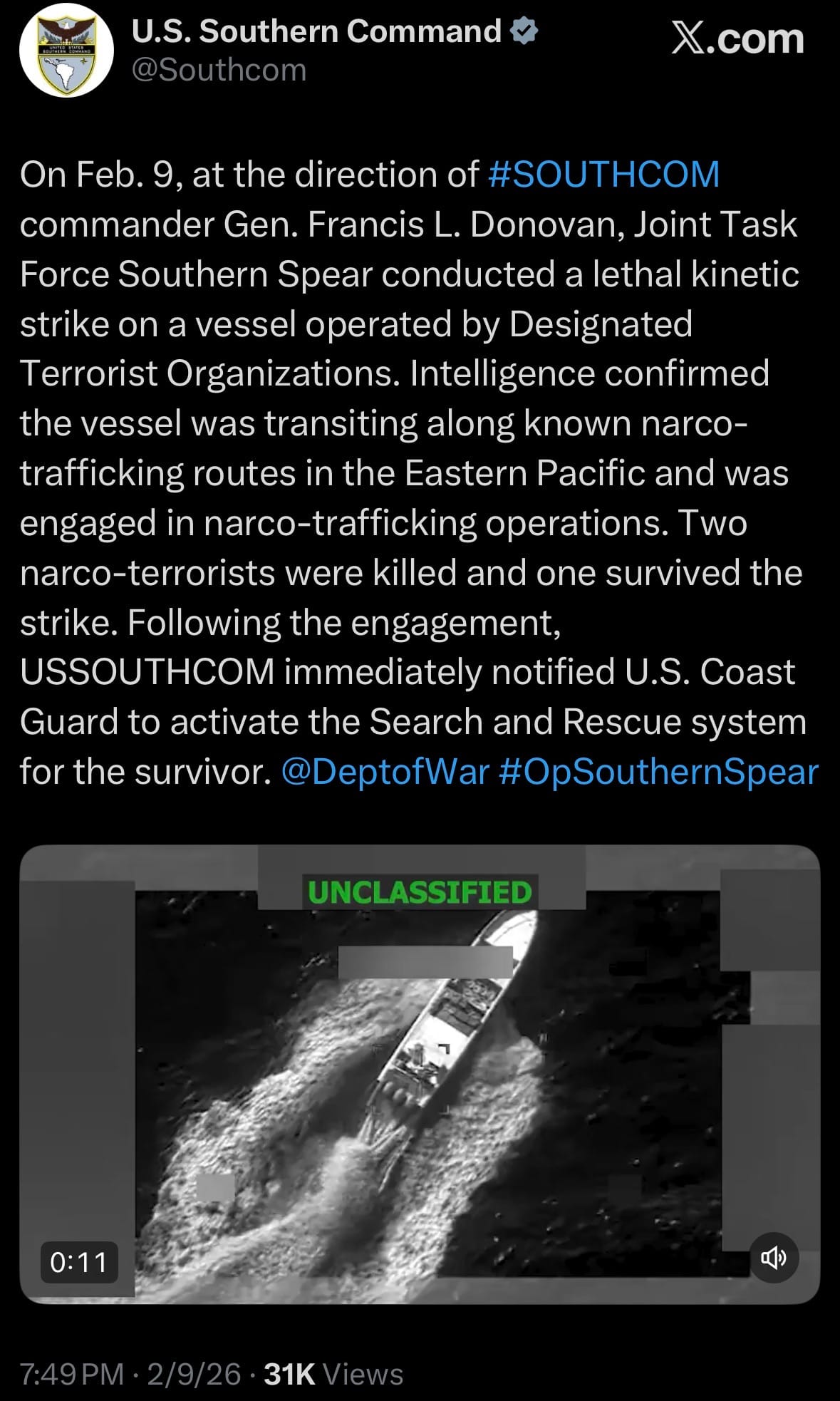
- The strike resulted in the deaths of two individuals classified as narco-terrorists, with one survivor. Immediately after the engagement, SOUTHCOM notified the U.S. Coast Guard to activate search-and-rescue protocols for the surviving individual. The operation falls under Operation Southern Spear, an ongoing campaign targeting illicit drug trafficking and related terrorist activities in the Western Hemisphere.
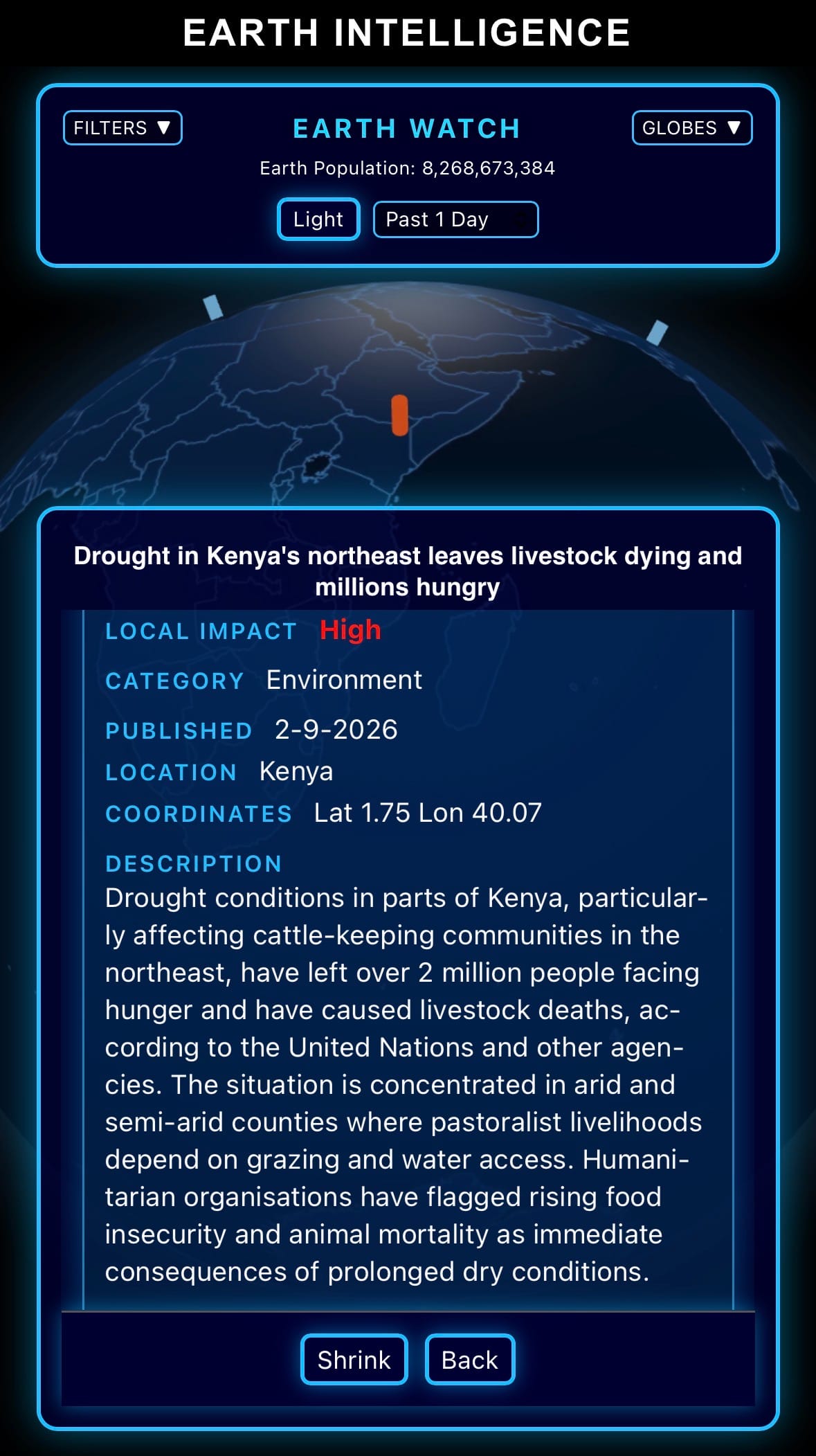
Environment & Weather:
Science & Technology:
- On February 9, 2026, OpenAI began rolling out a limited test of advertisements in ChatGPT to a small group of free and ChatGPT Go users in the United States. The ads appear as clearly labeled “sponsored” content and are visually separated from the main conversation and responses.
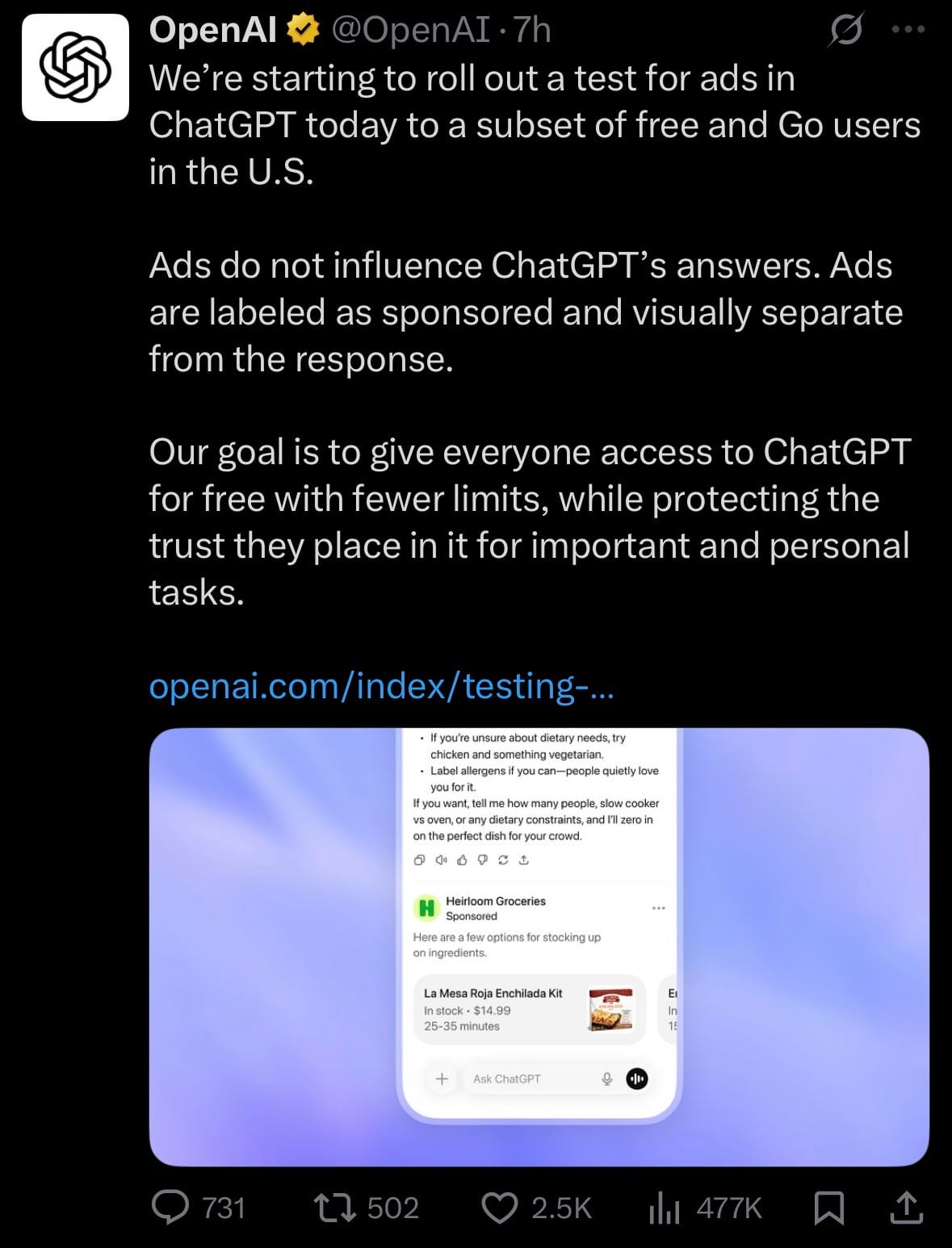
- OpenAI stated that the ads do not affect or influence ChatGPT’s answers in any way. The company’s goal is to make ChatGPT available for free to more people with fewer usage limits while continuing to protect user trust for personal, sensitive, or important tasks. The test is small-scale and will help evaluate how ads can support free access without compromising the quality or integrity of responses. No timeline was given for wider rollout or availability outside the U.S.
Statistic:
- Largest public clothing companies on Earth by market capitalization:
- 🇫🇷 LVMH: $316.72B
- 🇫🇷 Hermès: $258.87B
- 🇪🇸 Inditex: $213.25B
- 🇺🇸 TJX Companies: $173.88B
- 🇯🇵 Fast Retailing: $135.94B
- 🇫🇷 Dior: $108.14B
- 🇺🇸 Nike: $92.39B
- 🇺🇸 Cintas: $78.26B
- 🇺🇸 Ross Stores: $63.25B
- 🇫🇷 Kering: $37.95B
- 🇩🇪 Adidas: $32.68B
- 🇸🇪 H&M: $32.47B
- 🇺🇸 Tapestry: $31.64B
- 🇺🇸 Ralph Lauren: $21.11B
- 🇨🇦 lululemon athletica: $20.83B
- 🇬🇧 Next plc: $20.31B
- 🇺🇸 Burlington Stores: $20.04B
- 🇮🇹 Moncler: $16.03B
- 🇮🇹 Prada: $13.56B
- 🇨🇦 Gildan: $13.43B
- 🇵🇱 LPP SA: $10.98B
- 🇺🇸 Gap Inc.: $10.29B
- 🇨🇦 Aritzia: $9.71B
- 🇺🇸 Levi Strauss & Co.: $8.33B
- 🇺🇸 VF Corporation: $8.25B
History:
- The World Economic Forum begins in 1971, founded by German economist Klaus Schwab as the European Management Forum, originally meant to improve corporate leadership and economic cooperation in a rapidly integrating postwar Europe. Over the following decades, it expanded beyond business management into a broader platform for global dialogue, rebranding as the World Economic Forum in 1987. Its annual Davos meeting became a high-profile convergence point for heads of state, central bankers, CEOs, academics, and major NGOs—an informal space where economic strategy, geopolitical risk, and emerging technologies could be discussed outside traditional diplomatic structures. As globalization accelerated in the 1990s and 2000s, Davos evolved into a symbolic nerve center of interconnected capitalism, where the world’s most influential institutions could coordinate narratives, share priorities, and build relationships across government and private power. The Forum’s stated mission has long been “public-private cooperation,” reflecting the reality that modern global systems—trade, finance, energy, technology—are shaped jointly by states and corporations rather than either alone.
- In the modern era, the WEF has become both influential and controversial precisely because it sits at the intersection of elite coordination and public visibility. Supporters argue it is one of the few places where rival nations, corporate leaders, and international institutions can speak directly about systemic risks—climate change, pandemics, AI governance, supply-chain fragility, cyber threats—before crises escalate. Critics argue that it functions as an unelected consensus engine, where powerful actors align interests in ways that may not reflect democratic accountability. This environment has also produced a large ecosystem of conspiracy theories, portraying Davos as a secret command center controlling world events. In reality, the Forum does not legislate or command governments, but it does shape discourse through agenda-setting: themes like sustainability, ESG frameworks, carbon reduction, digital identity, global health preparedness, and social inclusion have been prominently promoted in its reports and panels. During COVID-19, for example, its discussions around pandemic response and economic recovery became entangled in public suspicion, with some falsely framing coordinated global health policy as centralized control rather than institutional risk management. The WEF’s visibility—combined with its concentration of wealth and influence—makes it an easy magnet for both legitimate critique and exaggerated mythmaking.
- Today, the World Economic Forum operates less as a governing body and more as a global alignment platform: a place where elites from finance, tech, defense-adjacent industries, and government ministries exchange priorities and shape the language of the future. Its influence is real but indirect—soft power through networks, reports, partnerships, and agenda framing rather than binding authority. The Forum remains a defining symbol of globalization’s command layer: admired by some as a rare space for cross-sector problem-solving, criticized by others as a stage for elite interest convergence, and surrounded by a fog of suspicion because modern power often looks opaque when it gathers behind closed doors. Davos is not the world’s control room—but it is undeniably one of the places where the world’s most powerful actors compare maps, synchronize narratives, and decide what problems will define the next era.
Image of the day:

Thanks for reading! Earth is complicated, we make it simple.
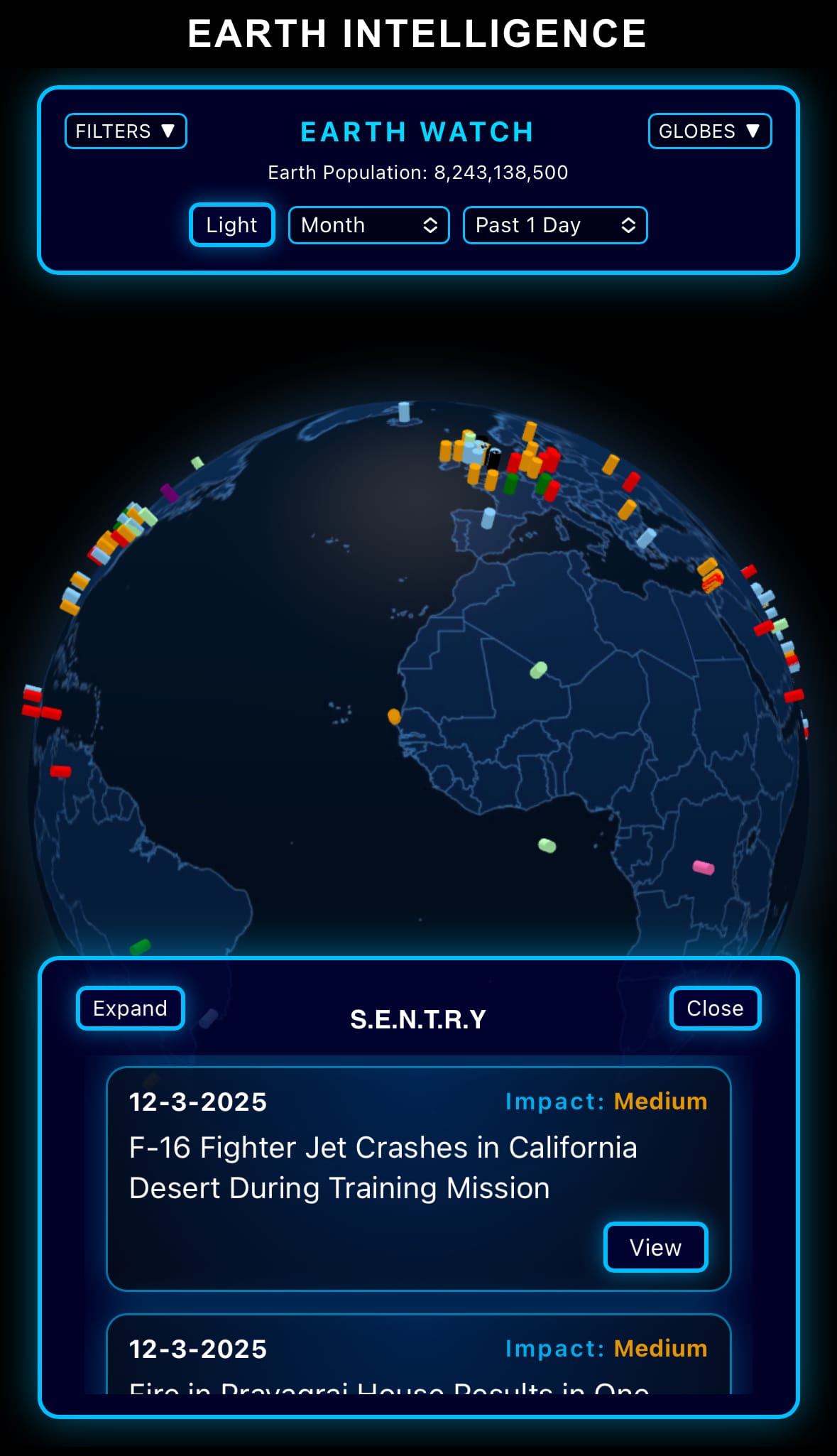
- Click below if you’d like to view our free EARTH WATCH globe:
- Download our mobile app:


Click below to view our previous newsletters:
Support/Suggestions Email:
earthintelligence@earthintel.news