Tuesday☕️


Trending:


Economics & Markets:
- Yesterday U.S. stock market:

- Today’s commodity market:

- Today’s crypto market

Geopolitics & Military Activity:
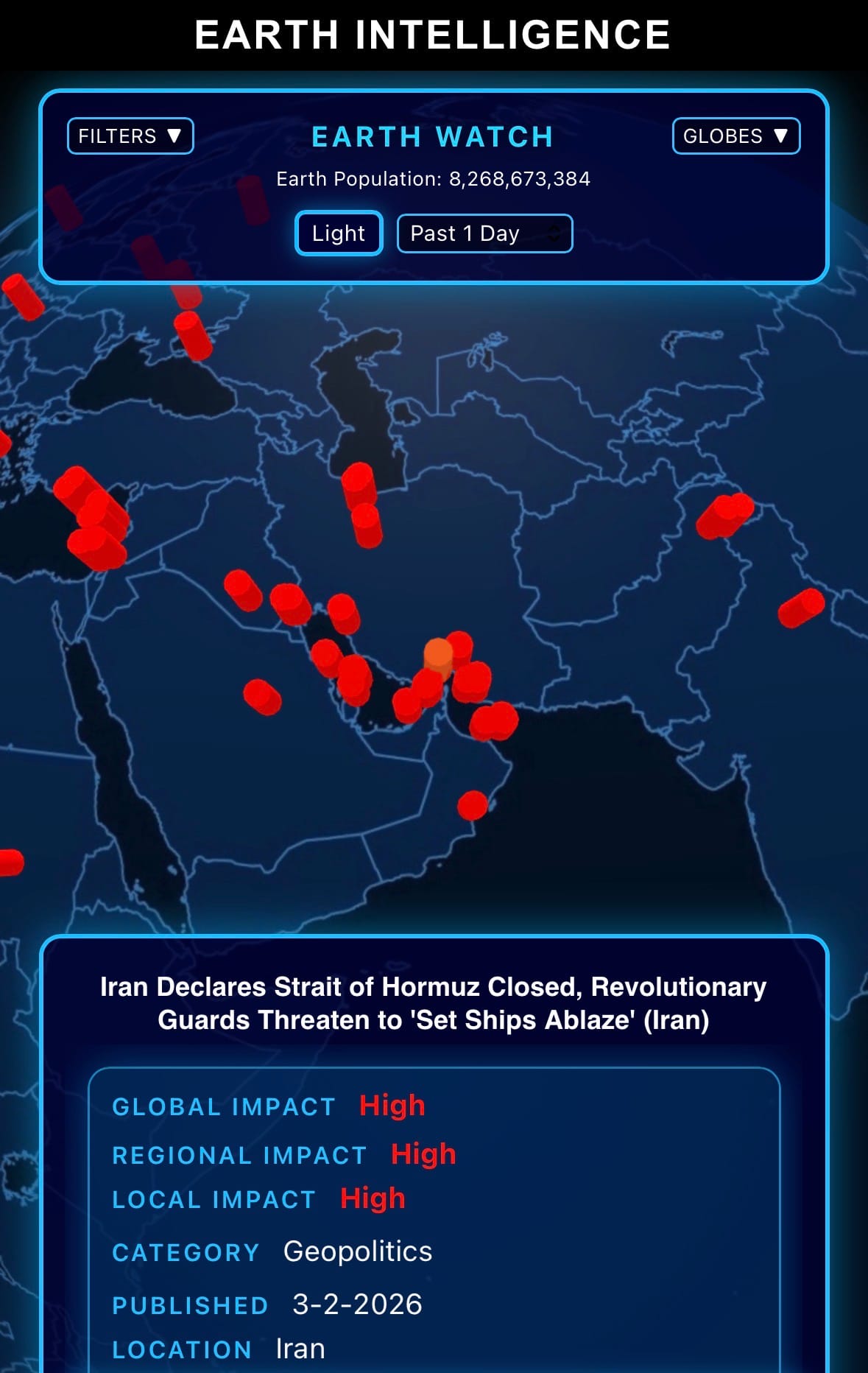
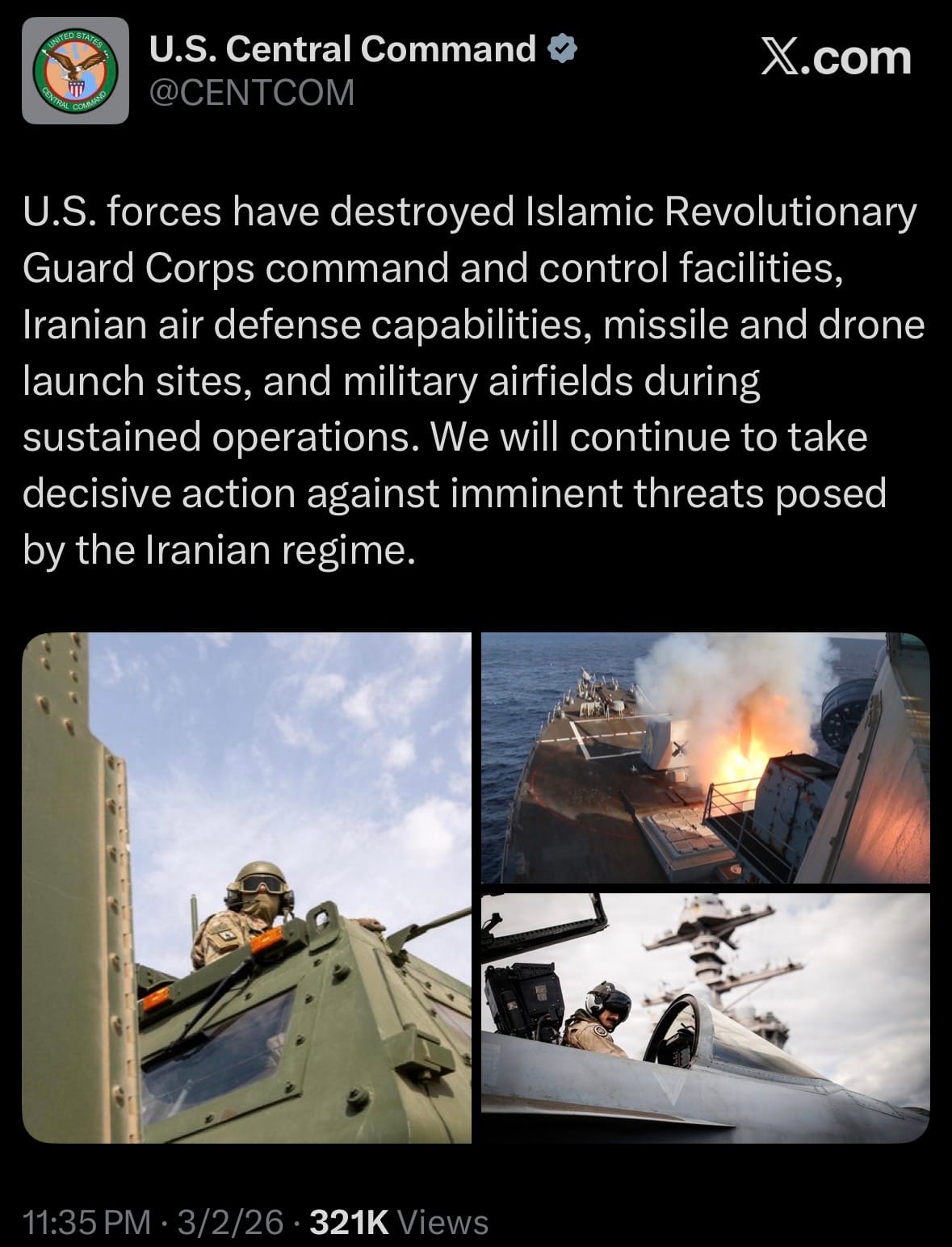
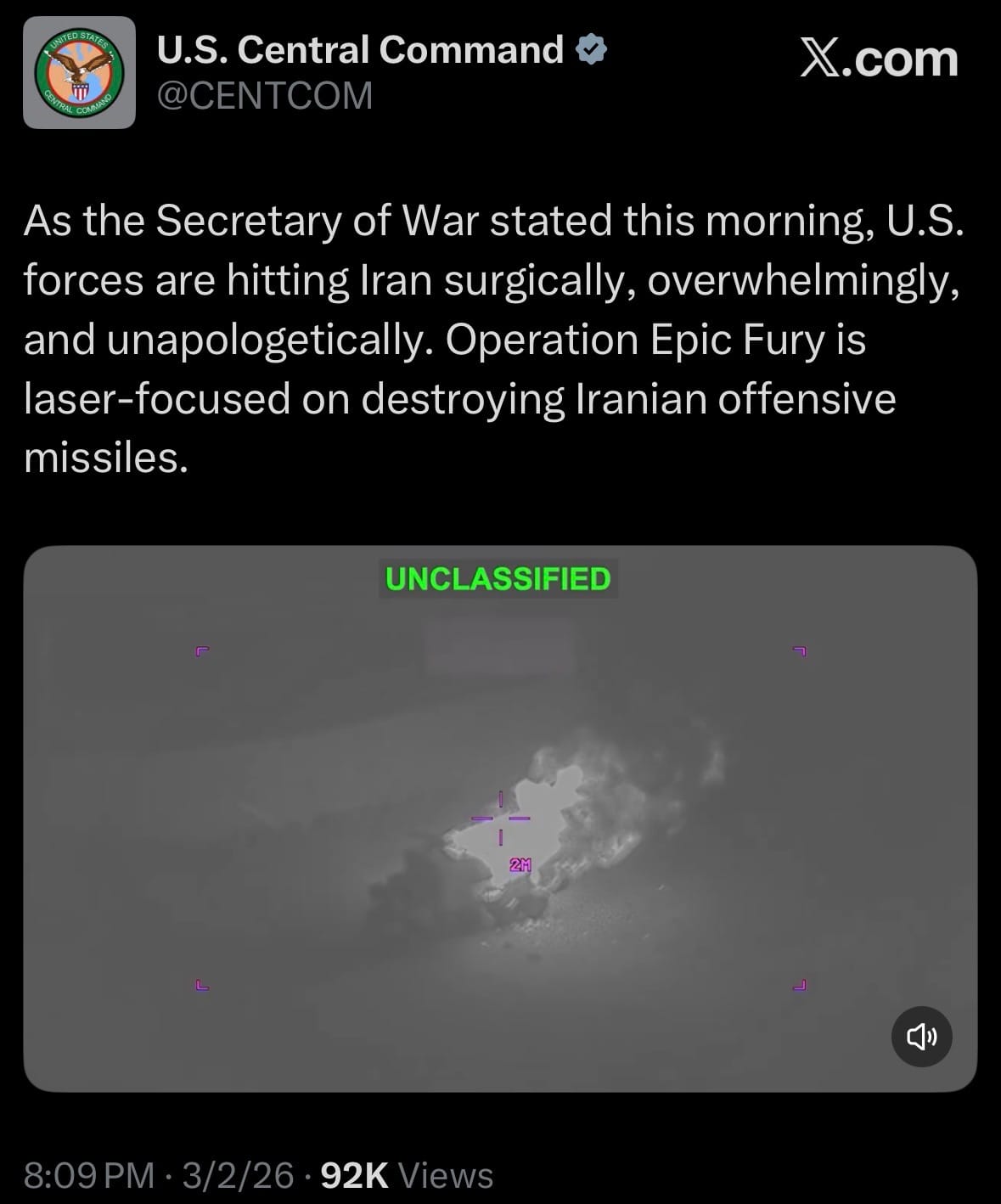
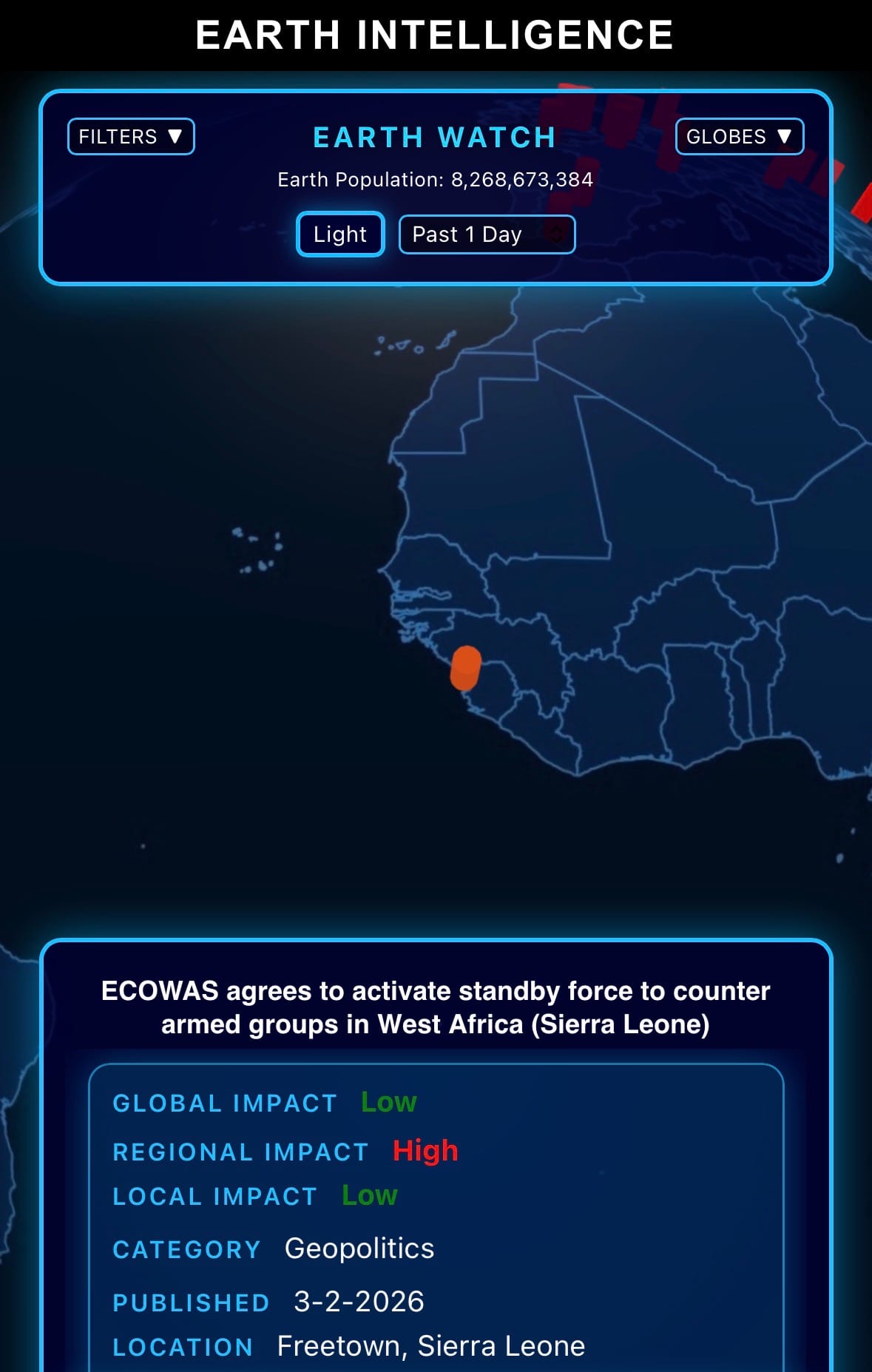
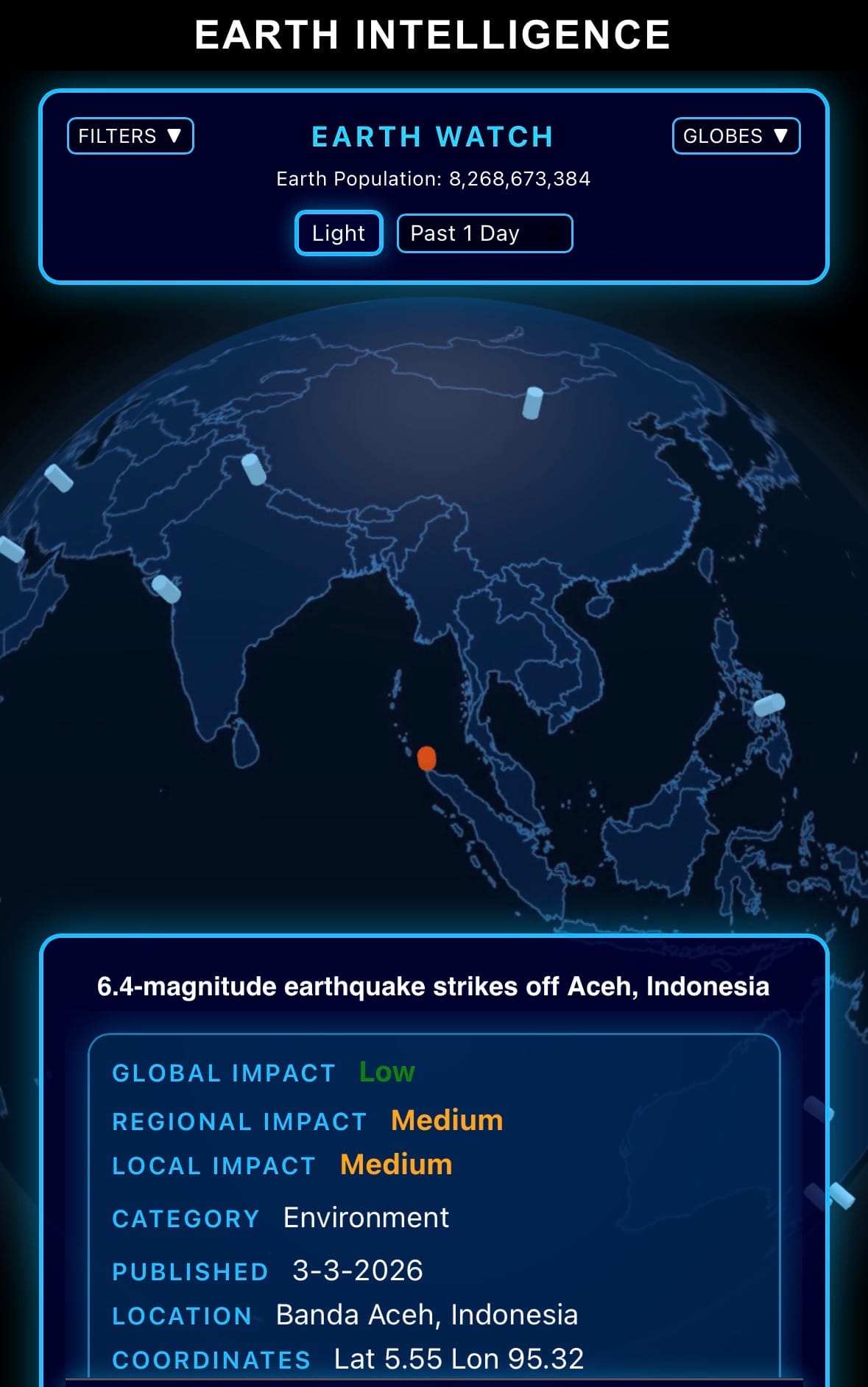
Environment & Markets:
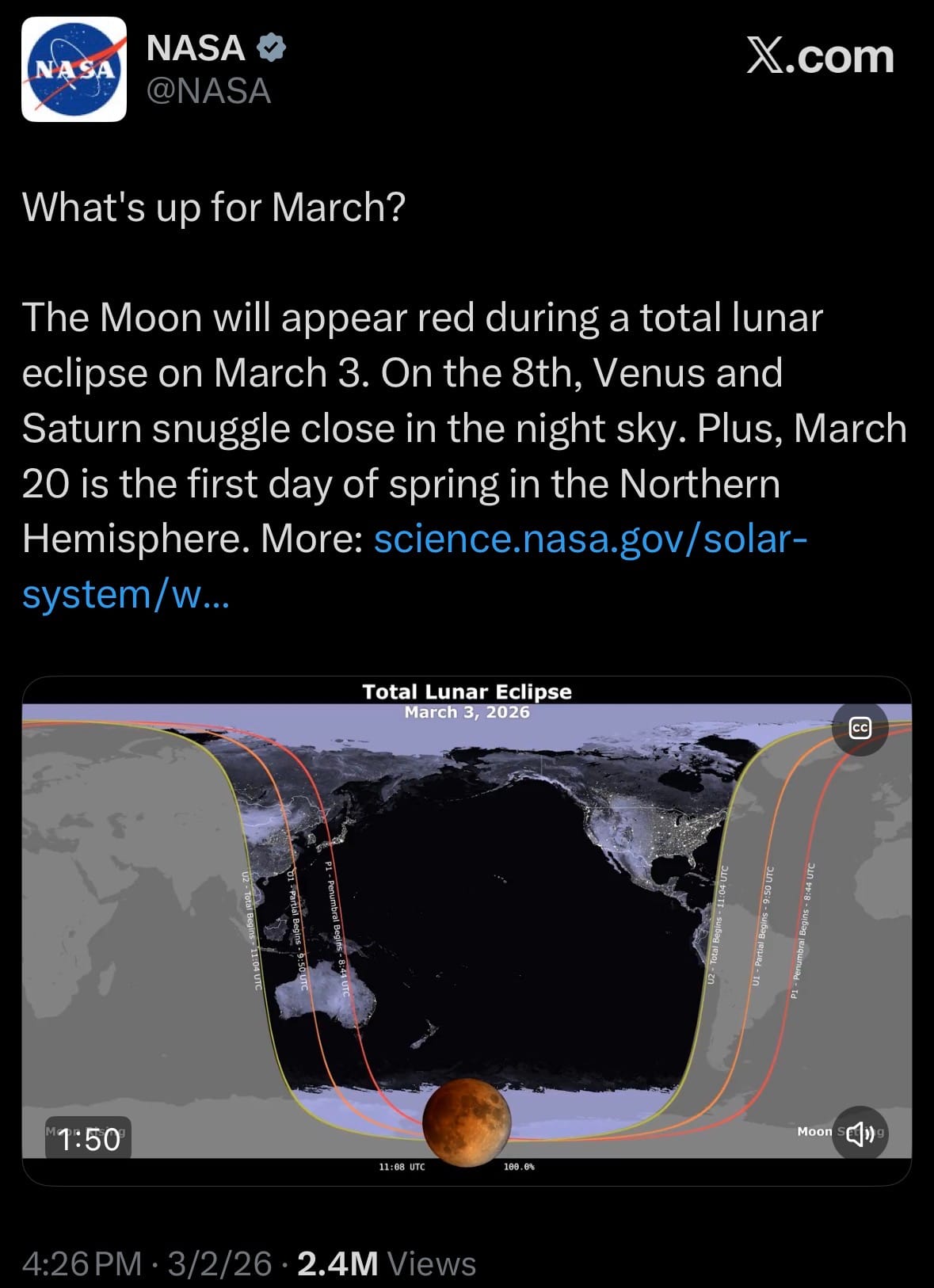
Science & Technology:

Statistic:
- Largest public automakers by market capitalization:
- 🇺🇸 Tesla: $1.513T
- 🇯🇵 Toyota: $317.57B
- 🇨🇳 BYD: $128.77B
- 🇨🇳 Xiaomi: $109.99B
- 🇰🇷 Hyundai: $107.05B
- 🇺🇸 General Motors: $72.53B
- 🇮🇹 Ferrari: $64.19B
- 🇩🇪 BMW: $60.62B
- 🇩🇪 Mercedes-Benz: $58.62B
- 🇩🇪 Volkswagen: $57.62B
- 🇺🇸 Ford: $53.41B
- 🇮🇳 Maruti Suzuki India: $49.36B
- 🇰🇷 Kia: $48.62B
- 🇮🇳 Mahindra & Mahindra: $43.67B
- 🇩🇪 Porsche: $42.92B
- 🇯🇵 Honda: $38.06B
- 🇨🇳 Seres Group: $26.00B
- 🇯🇵 Suzuki Motor: $25.95B
- 🇨🇳 Great Wall Motors: $25.17B
- 🇨🇳 SAIC Motor: $23.60B
- 🇳🇱 Stellantis: $22.04B
- 🇨🇳 Geely: $21.32B
- 🇨🇳 Chery Automobile: $19.12B
- 🇮🇳 Hyundai Motor India: $19.04B
- 🇺🇸 Rivian: $18.62B
History:
- Missile technology begins with gunpowder. The earliest recorded rockets emerged in China during the Song Dynasty around the 13th century, when “fire arrows” used black powder propulsion to create simple battlefield rockets. These were unstable, unguided, and largely psychological weapons, but they introduced the key principle: thrust-driven flight independent of external propulsion like a bow or cannon. Rocket concepts slowly spread westward, and by the 18th and 19th centuries, military rockets such as the British Congreve rockets were used in warfare, though they lacked precision and reliability. The true scientific foundation for modern missiles came in the early 20th century through pioneers like Konstantin Tsiolkovsky, Robert Goddard, and Hermann Oberth, who formalized rocketry mathematics and liquid-fuel propulsion. The breakthrough moment arrived in World War II with Nazi Germany’s V-2 rocket (1944)—the first long-range guided ballistic missile and the first human-made object to reach the edge of space. The V-2 demonstrated that rockets could travel supersonically, exit the atmosphere, and strike distant targets without interception by conventional air defenses. It marked the birth of modern missile warfare.
- The Cold War industrialized missile technology into the backbone of nuclear deterrence. The United States and Soviet Union rapidly developed intercontinental ballistic missiles (ICBMs) capable of delivering nuclear warheads across continents. These systems used multi-stage rockets to loft payloads into suborbital trajectories, where they would reenter at hypersonic speeds toward their targets. Submarine-launched ballistic missiles (SLBMs) added survivability, forming one leg of the nuclear triad. At the same time, cruise missiles evolved as a different class of weapon: powered throughout flight, flying at low altitude, and using terrain-following guidance to evade radar detection. Advances in inertial navigation, radar guidance, and later satellite navigation dramatically improved precision. By the late 20th century, missile systems diversified into short-range, medium-range, and long-range categories, as well as air-to-air, surface-to-air, anti-ship, and anti-radiation variants. Missile defense systems emerged in parallel, creating a continuous technological arms race between offensive penetration capability and defensive interception.
- In the 21st century, missile development has shifted toward speed, maneuverability, and precision under contested conditions. Hypersonic glide vehicles and hypersonic cruise missiles aim to travel at speeds exceeding Mach 5 while retaining maneuverability, reducing reaction time for defenders. Maneuverable reentry vehicles (MaRVs) and multiple independently targetable reentry vehicles (MIRVs) allow ballistic missiles to deploy multiple warheads or alter their trajectory during descent to complicate interception. Modern guidance integrates satellite navigation, advanced sensors, and real-time data updates, increasing strike accuracy to within meters. Major missile powers include the United States, Russia, China, France, the United Kingdom, India, Israel, North Korea, and others, each developing layered arsenals tailored to strategic doctrine. Missile technology has evolved from unstable black powder rockets to precision-guided hypersonic systems capable of crossing continents in minutes. It represents the evolution of long-range strike power—combining propulsion science, guidance systems, materials engineering, and geopolitical strategy into one of the most decisive technologies in modern military capability.
Image of the day:

Thanks for reading! Earth is complicated, we make it simple.
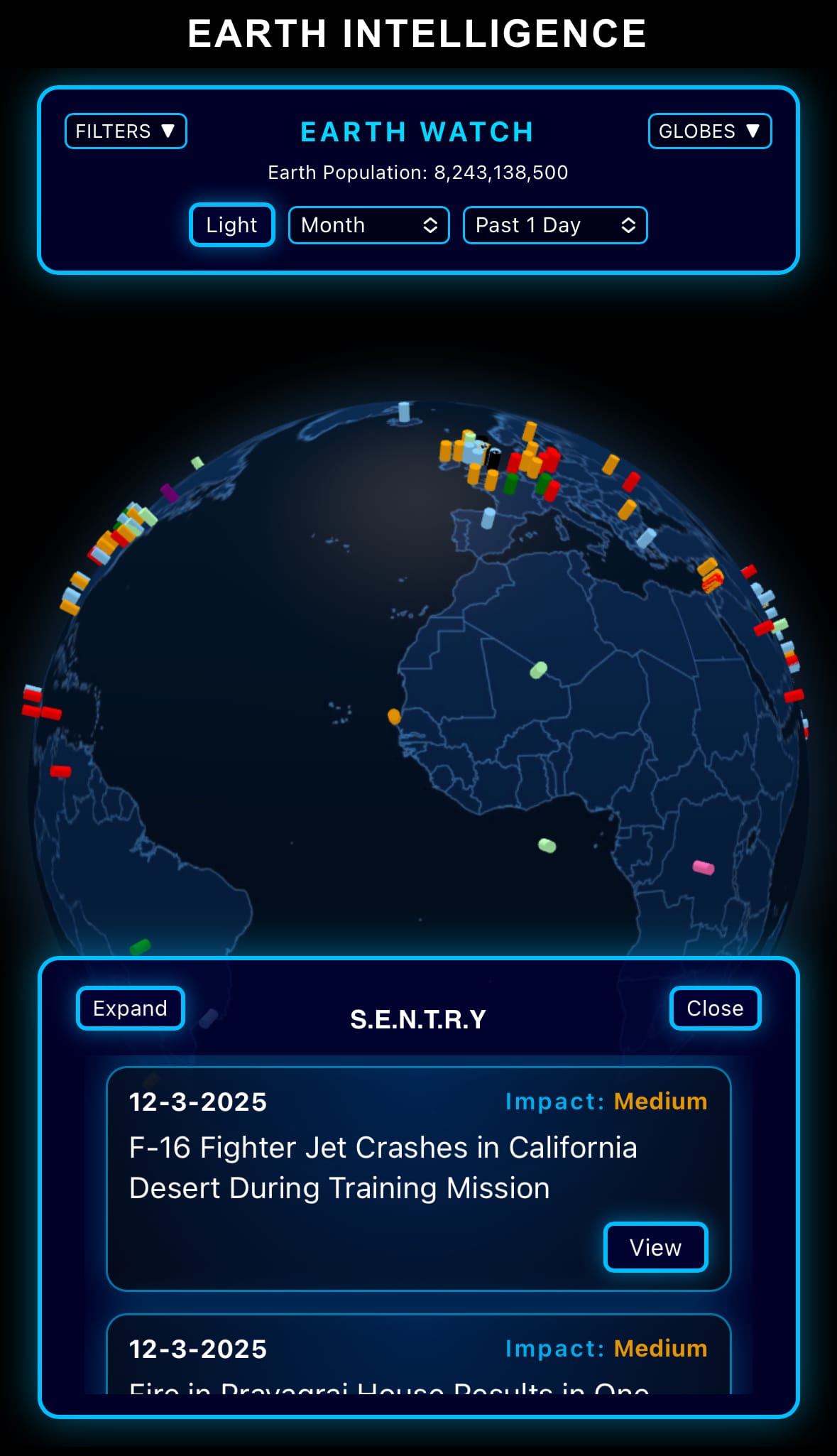
- Click below if you’d like to view our free EARTH WATCH globe:
- Download our mobile app:



Click below to view our previous newsletters:

Support/Suggestions Email:
earthintelligence@earthintel.news