Tuesday☕️

Trending:
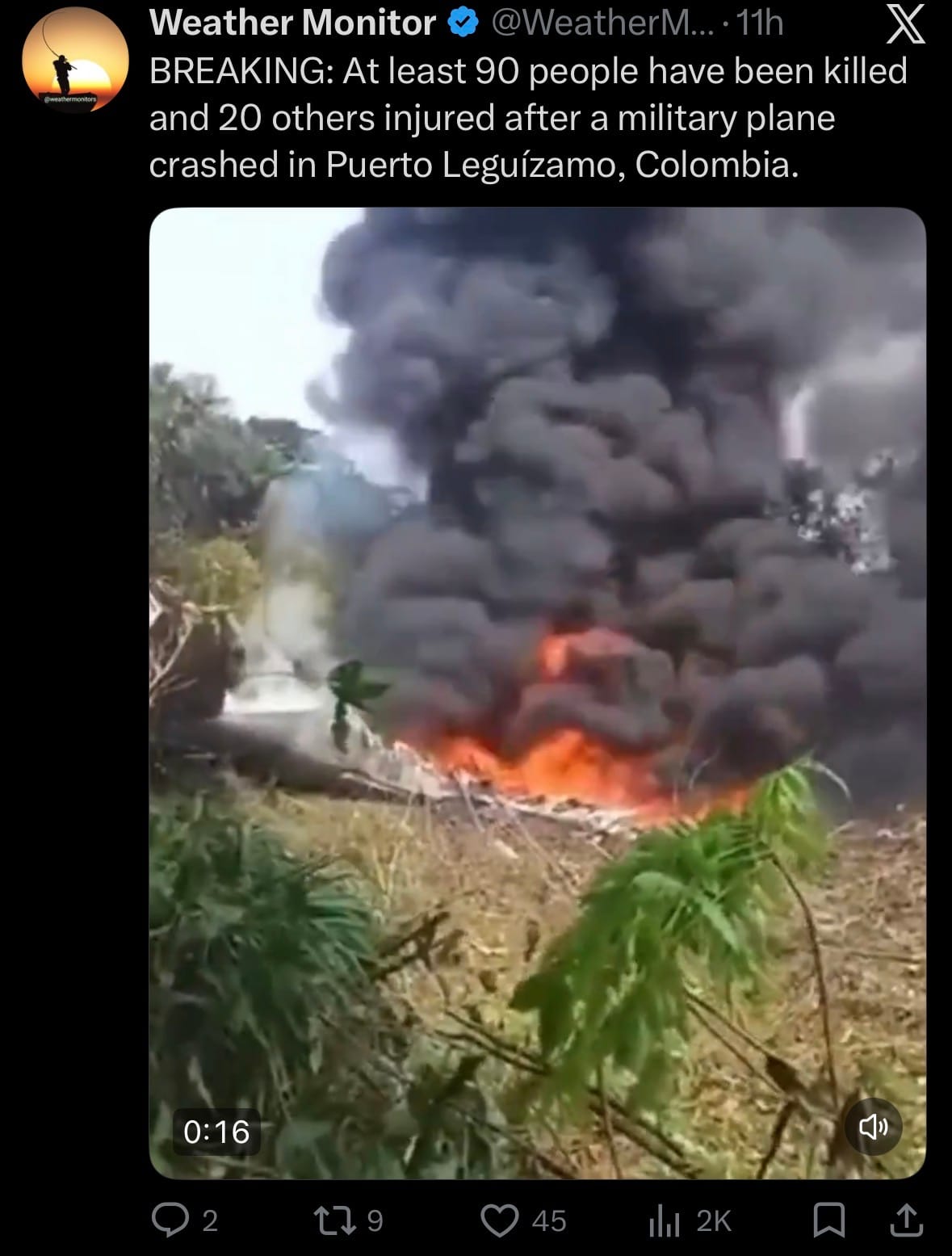
- On March 23, 2026, at least 90 people were killed and 20 others injured when a Colombian military plane crashed in Puerto Leguízamo, southern Colombia. The aircraft went down shortly after takeoff, with most victims believed to be soldiers and civilians on board. The exact cause remains unknown and is still under investigation.
Economics & Markets:

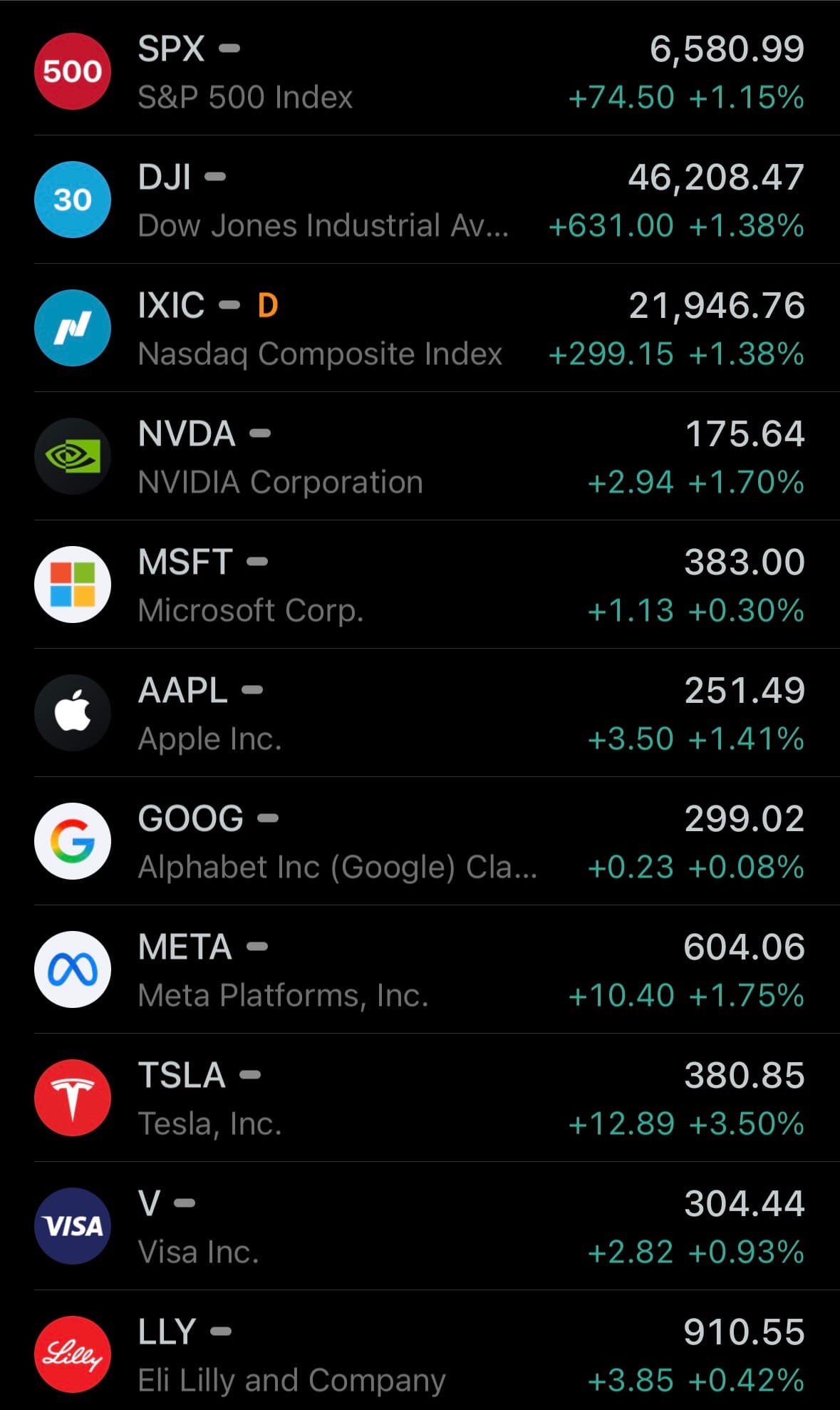
- Yesterday’s U.S. stock market:
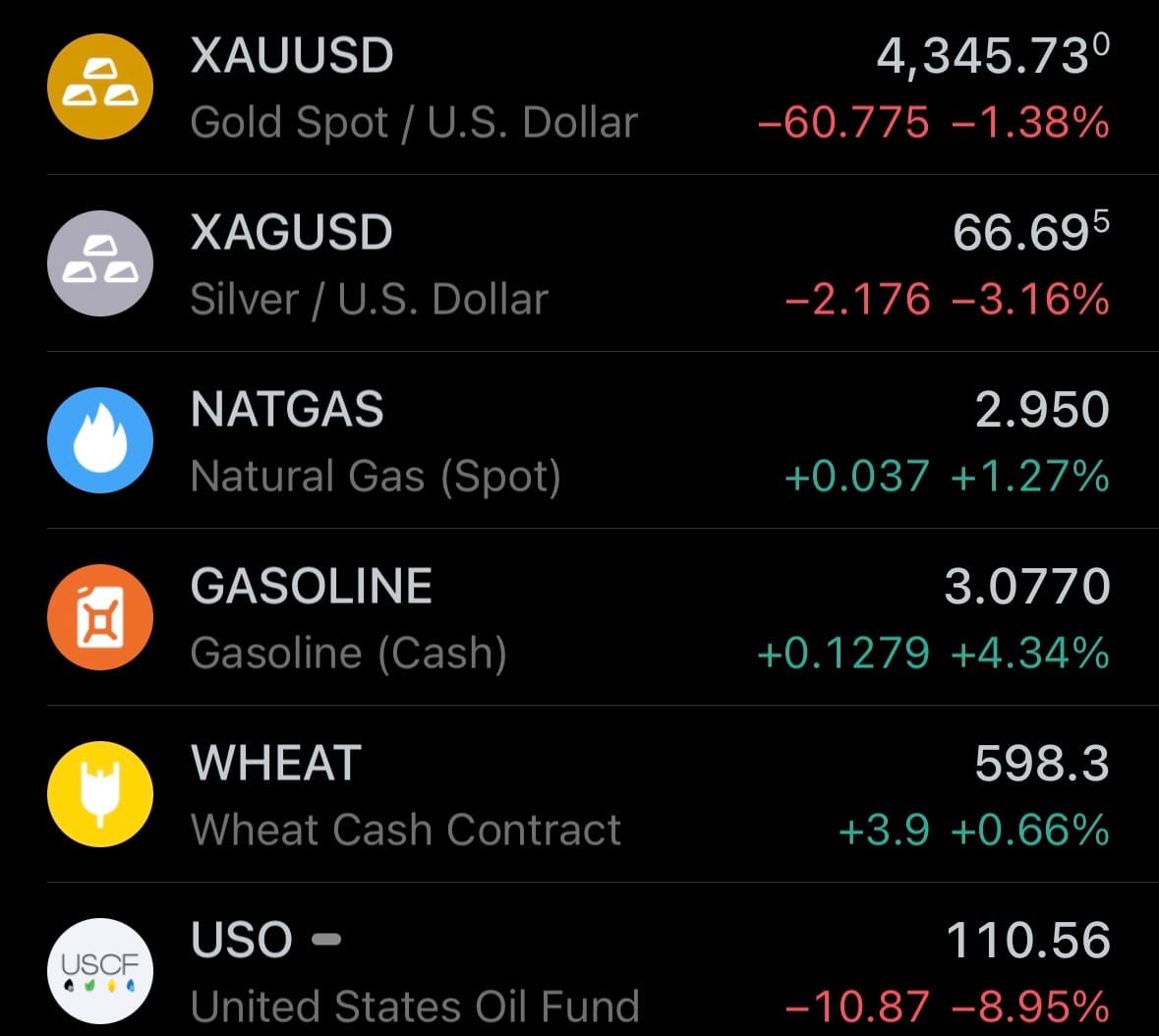
- Yesterday’s commodity market:
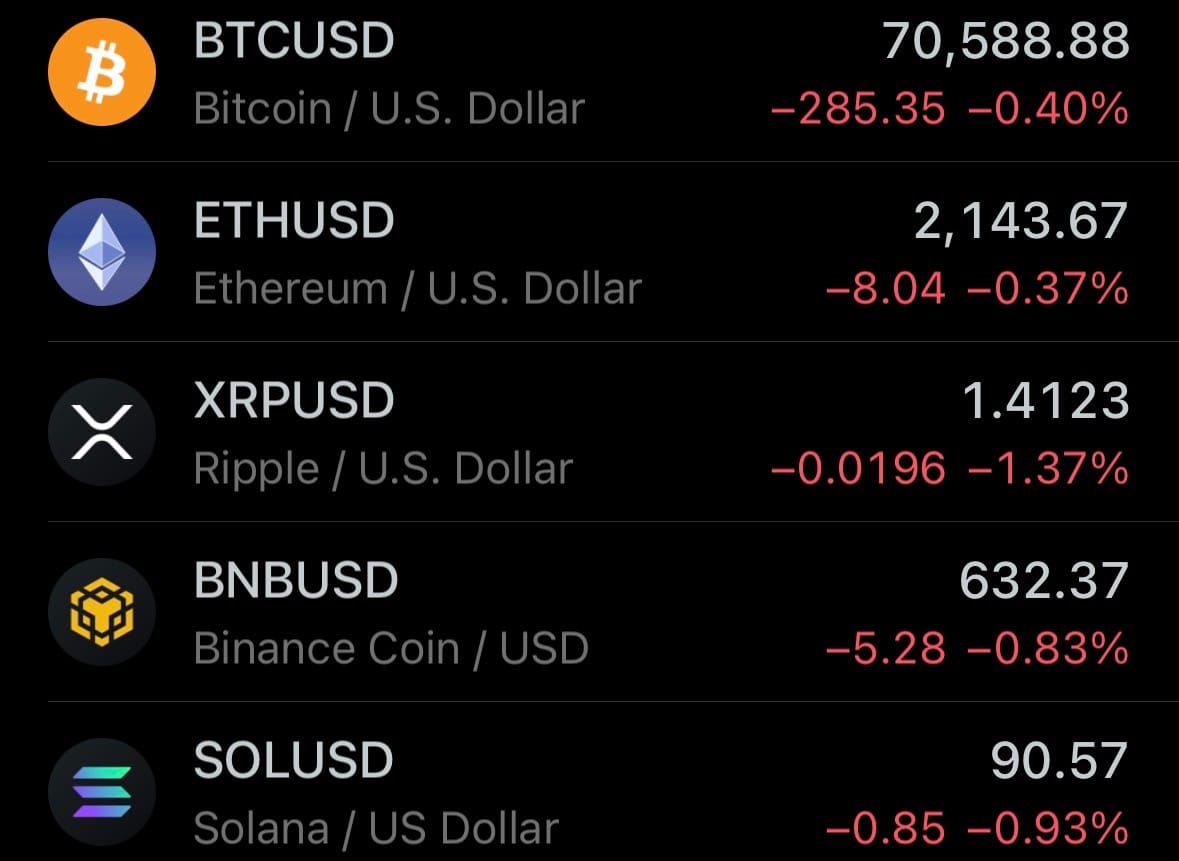
- Yesterday’s crypto market:
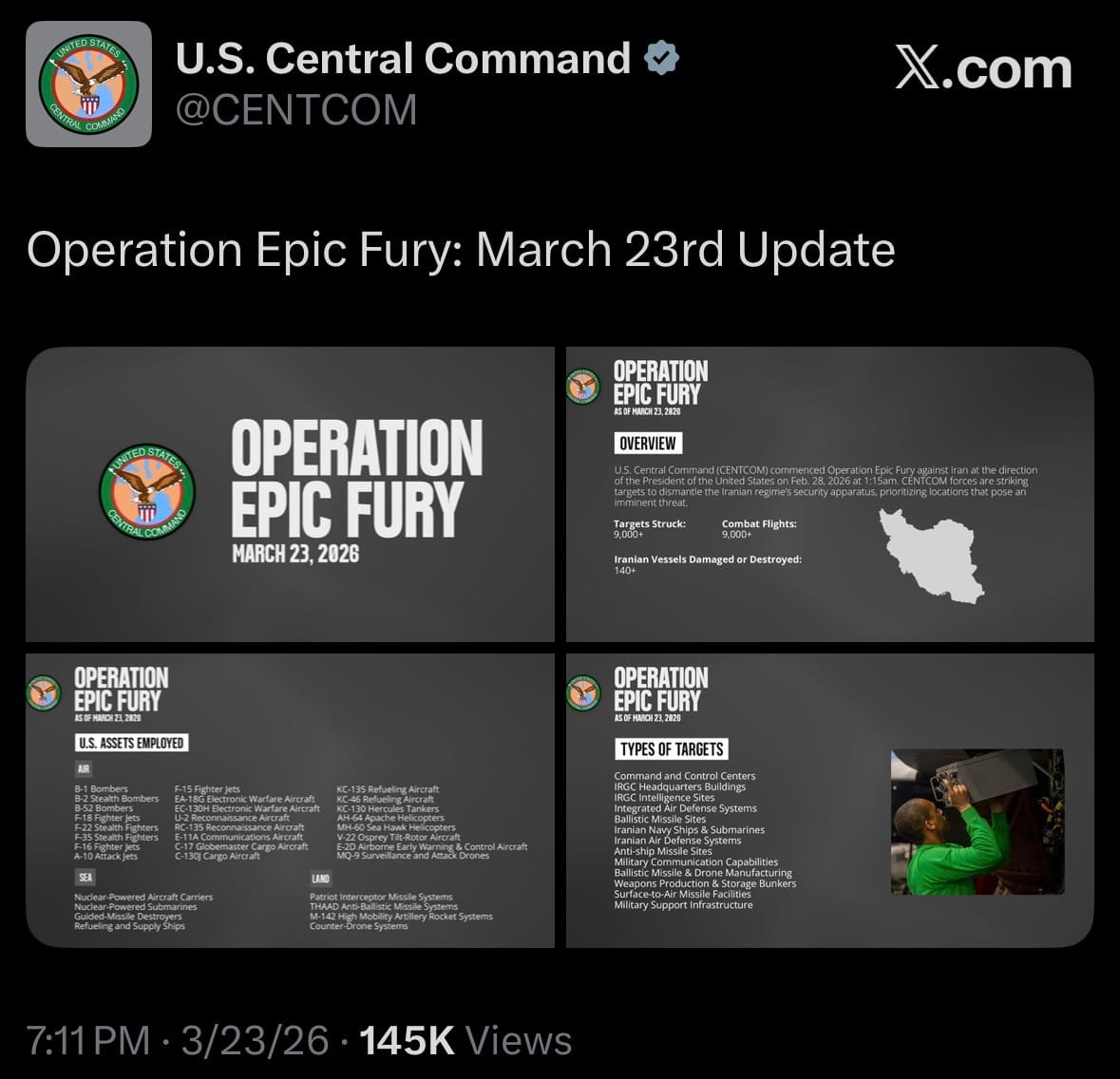
Geopolitics & Military:
- On March 24, 2026, Ukraine carried out a major drone strike on Russia’s largest oil export port at Primorsk on the Baltic Sea in Leningrad Oblast. The attack targeted the Transneft oil terminal, causing significant fires, damaging tank farms and loading infrastructure, and crippling operations at the facility that handles around one million barrels of oil per day.
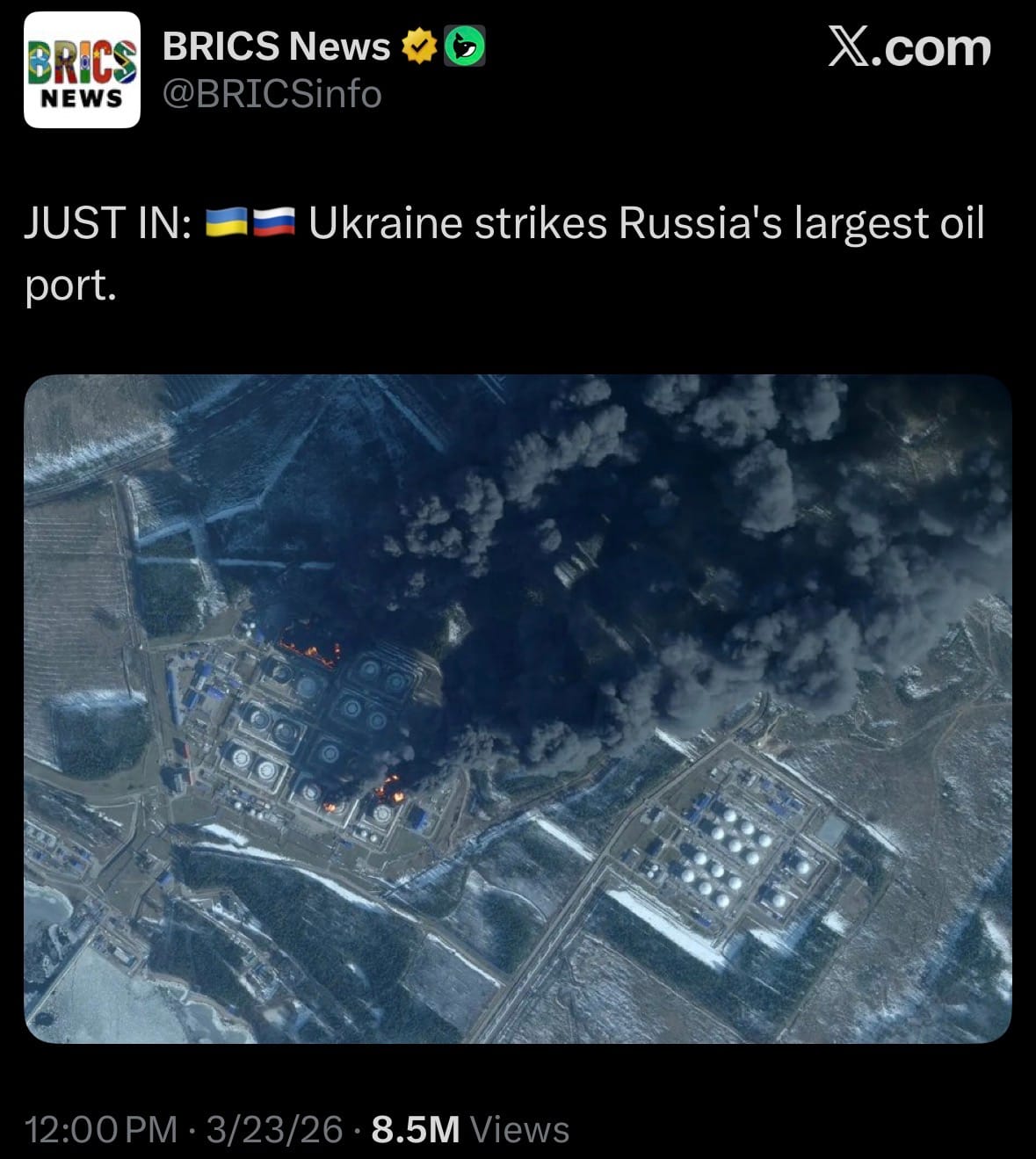
- Russia reported that over 50 Ukrainian drones were intercepted in the region, but confirmed damage and a large blaze at the port. Ukraine also struck a refinery in Ufa as part of the same wave of long-range attacks on Russian energy infrastructure.
Cyber:
- On March 23, 2026, Russian national Aleksei Volkov was sentenced to 81 months (6 years and 9 months) in U.S. federal prison after extradition from Italy for hacking U.S. companies and helping major cybercrime groups, including the Yanluowang ransomware operation, extort tens of millions of dollars.
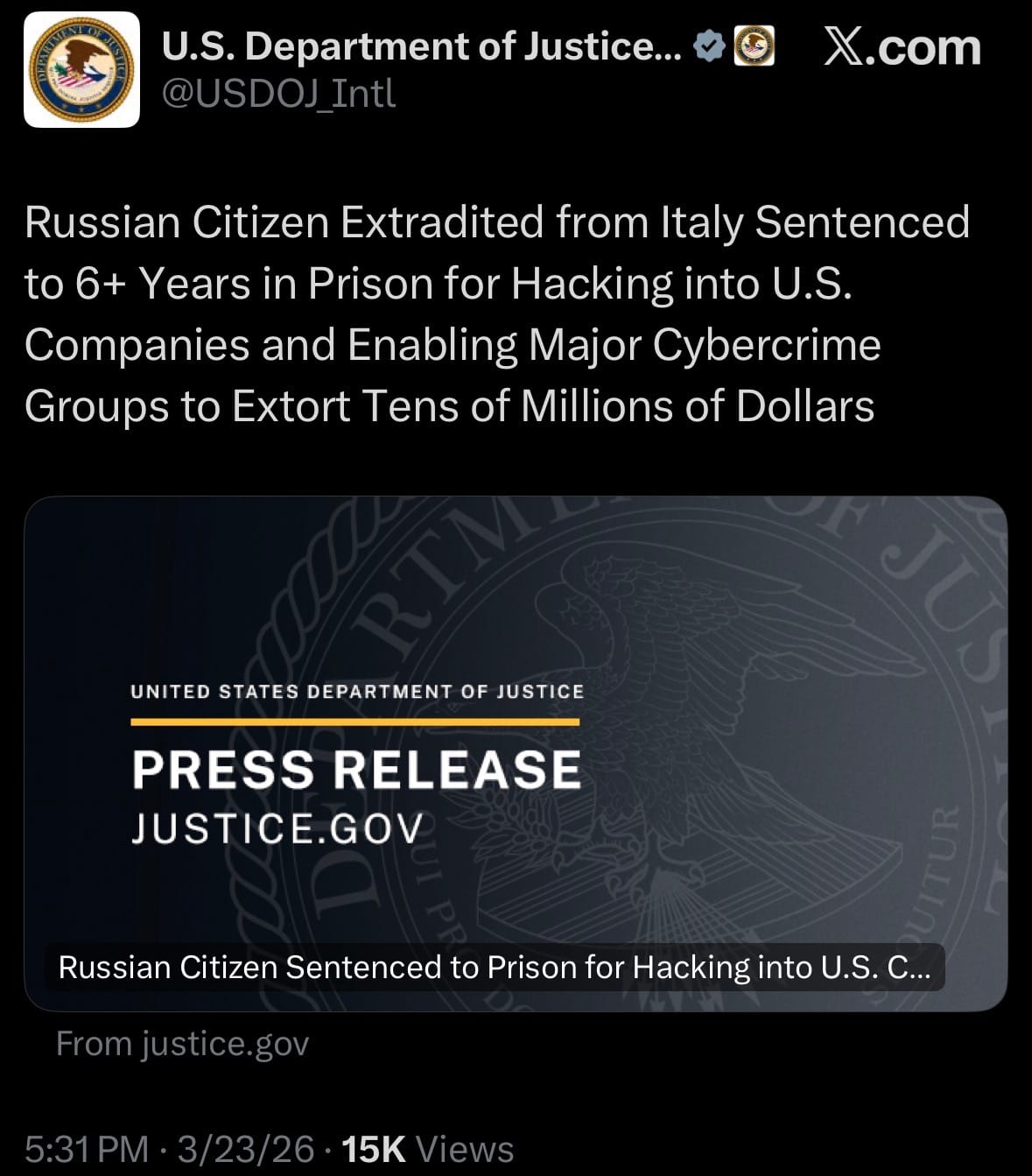
- He pleaded guilty to facilitating dozens of ransomware attacks that caused over $9 million in actual losses and more than $24 million in intended extortion demands across the United States.
Science & Technology:
- On March 23, 2026, Anthropic has introduced a major new capability for Claude: users can now enable the AI to directly control their computer to complete tasks. Claude can open apps, navigate browsers, fill spreadsheets, interact with files, and perform other desktop actions just as a human would at the keyboard.

- This feature is available in research preview exclusively for Claude Cowork and Claude Code users on macOS only. It is designed to handle complex, multi-step workflows hands-free, with safeguards to keep actions visible and user-approved.

Statistic:
- Largest public oil & gas companies on Earth by market capitalization:
- 🇸🇦 Saudi Aramco: $1.743T
- 🇺🇸 Exxon Mobil: $671.39B
- 🇺🇸 Chevron: $410.28B
- 🇨🇳 PetroChina: $338.80B
- 🇬🇧 Shell: $259.82B
- 🇫🇷 TotalEnergies: $191.90B
- 🇨🇳 CNOOC: $189.01B
- 🇺🇸 ConocoPhillips: $155.46B
- 🇧🇷 Petrobras: $124.18B
- 🇨🇦 Enbridge: $118.20B
- 🇬🇧 BP: $111.61B
- 🇺🇸 Southern Company: $104.94B
- 🇨🇳 Sinopec: $103.69B
- 🇨🇦 Canadian Natural Resources: $100.91B
- 🇺🇸 Duke Energy: $99.02B
- 🇳🇴 Equinor: $98.15B
- 🇺🇸 Williams Companies: $89.90B
- 🇺🇸 Enterprise Products: $82.38B
- 🇮🇹 ENI: $78.75B
- 🇺🇸 EOG Resources: $75.79B
- 🇨🇦 Suncor Energy: $75.24B
- 🇺🇸 Kinder Morgan: $74.99B
- 🇺🇸 SLB (Schlumberger): $73.93B
- 🇦🇪 TAQA: $72.54B
- 🇺🇸 Valero Energy: $70.98B
History:
- The global internet infrastructure evolved from a military research network into the most critical system on Earth. It began with ARPANET in 1969, which introduced packet-switching—breaking data into small pieces and sending it across distributed networks. In the 1980s, TCP/IP standardized communication between networks, allowing separate systems to connect into a single global internet. By the 1990s, the system expanded through ISPs, fiber backbones, and internet exchange points (IXPs), forming a layered architecture: undersea cables carry data between continents, terrestrial fiber distributes it across countries, IXPs route traffic between networks, and hyperscale data centers (AWS, Google, Microsoft, Meta) process and store it. Today, the internet is a physical, engineered system, not abstract—built on cables, routing hubs, and massive compute infrastructure that together form the digital nervous system of the world.
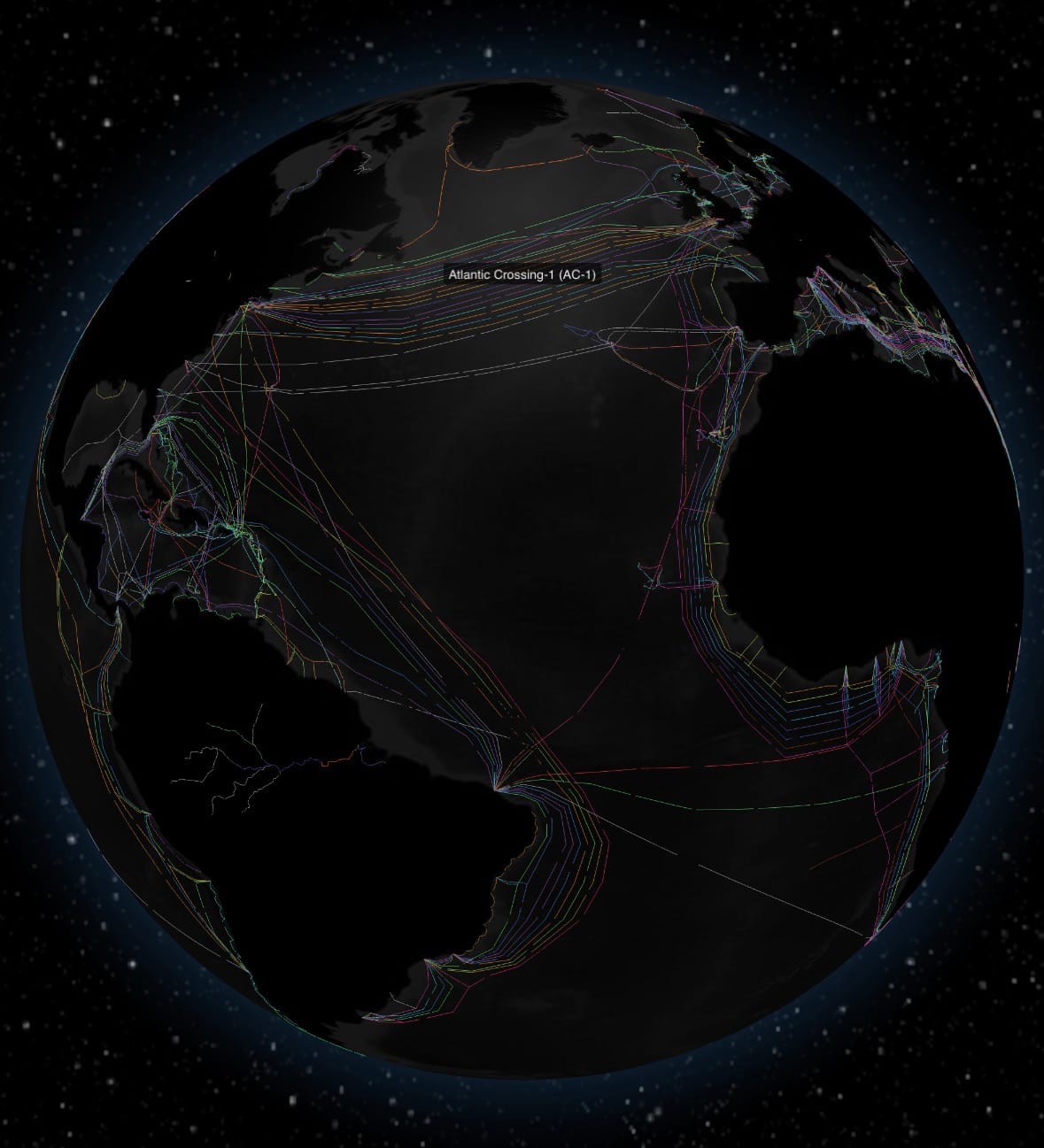
- The most critical layer is undersea fiber optic cables, which carry over 95–99% of all international internet traffic. There are 500+ active cables spanning roughly 1.7 million kilometers, with major systems like 2Africa (~45,000 km, one of the largest ever built) encircling Africa, and transoceanic cables like MAREA (U.S.–Spain) and large Pacific systems connecting North America to Asia. These cables concentrate along key chokepoints: the North Atlantic routes (U.S.–Europe), the Mediterranean and Red Sea corridor (linking Europe to Asia), the Bab el-Mandeb Strait, and the Strait of Malacca connecting Asia’s major economies. Because so many cables run through these narrow regions, they represent critical vulnerabilities. Major disruptions have demonstrated this clearly—such as the 2008 Mediterranean cable cuts near Egypt, which disrupted internet access across the Middle East and parts of Asia, and more recent Red Sea cable damage events in the 2020s, which forced rerouting of global traffic and caused regional slowdowns. These incidents show that even a small number of cable failures can have widespread impact. Undersea cables are therefore one of the most strategic targets for disrupting communications: damaging them can affect global finance, cloud infrastructure, military coordination, and everyday internet usage almost immediately.
Image of the day:

Thanks for reading! Earth is complicated, we make it simple.
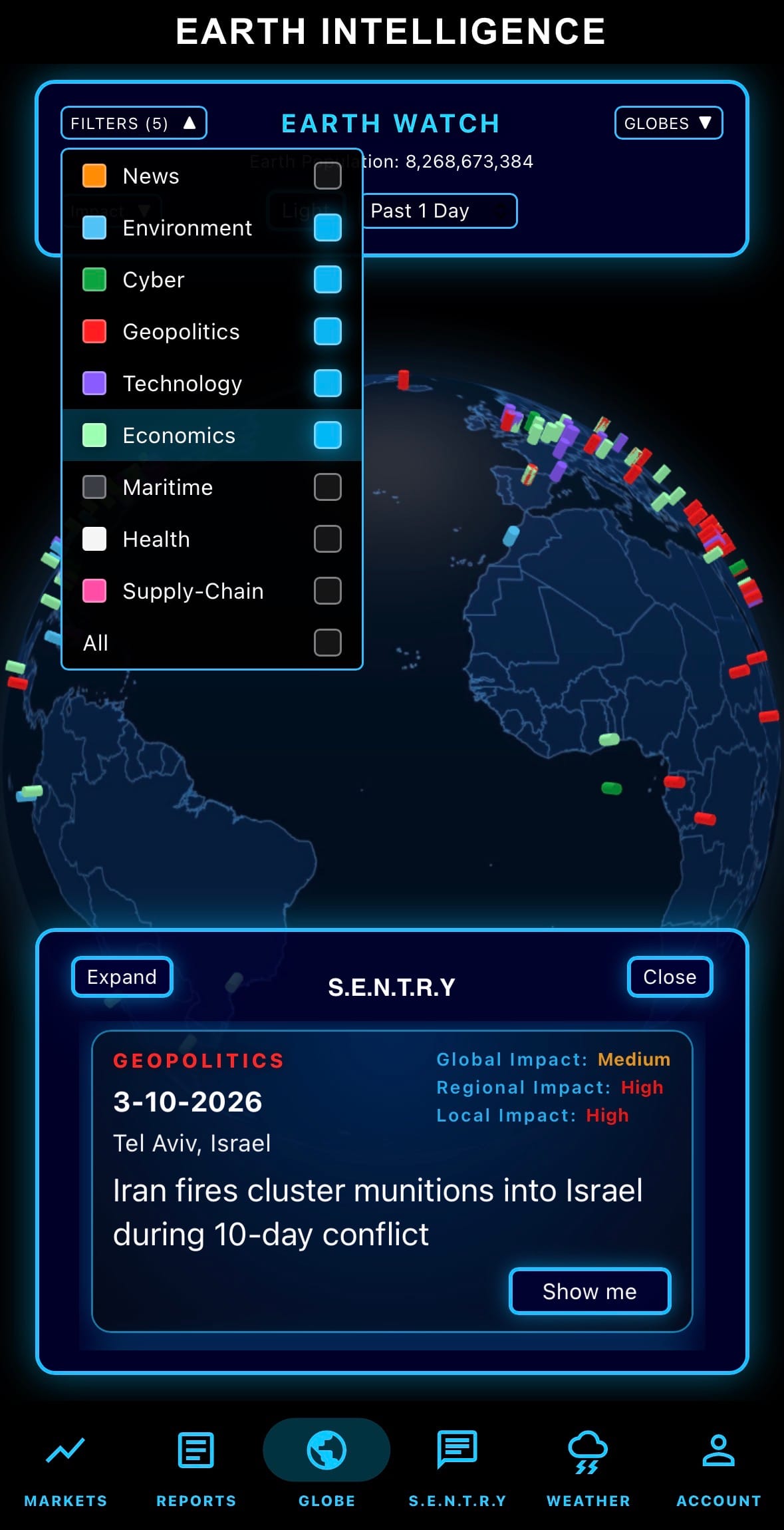
- Click below if you’d like to view our free EARTH WATCH globe:
- Download our mobile app:


Click below to view our previous newsletters:
Support/Suggestions Email:
support@earthintel.io