Tuesday☕️🌎


Trending:
- September 21, 2026 — U.S. Treasury Secretary Scott Bessent said all Iranian airlines are expected to be effectively shut out of international operations beginning September 23 under new U.S. secondary sanctions.
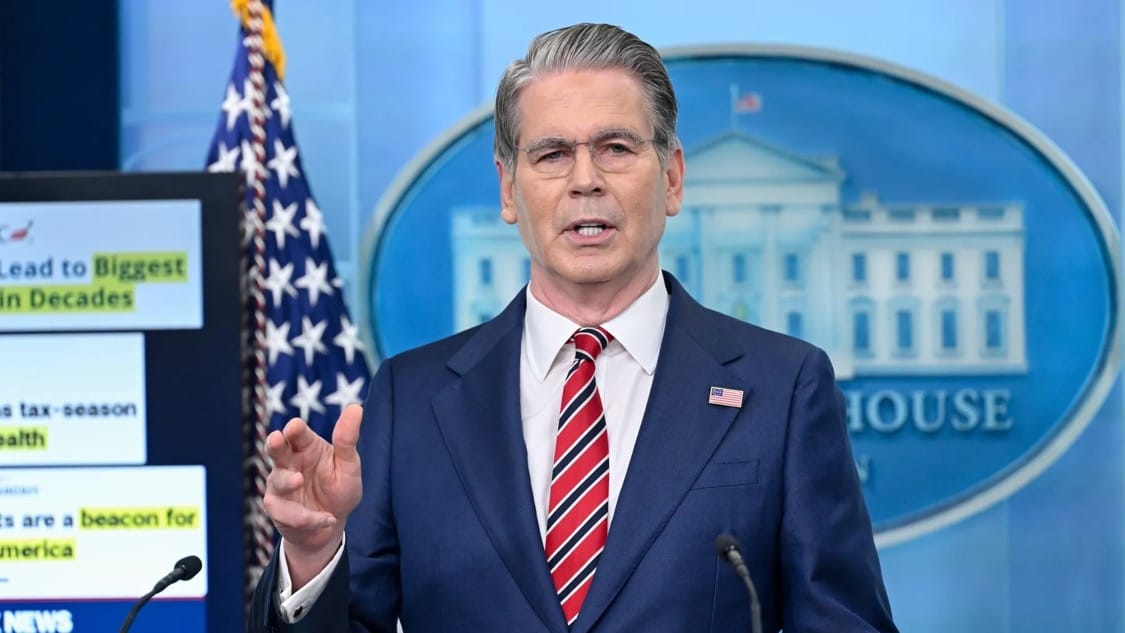
- Airports, fuel suppliers, ticketing companies and other businesses that continue supporting Iranian carriers could lose access to the U.S. dollar and American financial system, making it extremely difficult for those airlines to operate abroad.
Geopolitics & Military Activity:
Economics & Markets:
- September 22, 2026 — Diamond prices have fallen to their lowest levels in roughly two decades as lab-grown diamonds, oversupply, and weaker global demand reshape the industry.
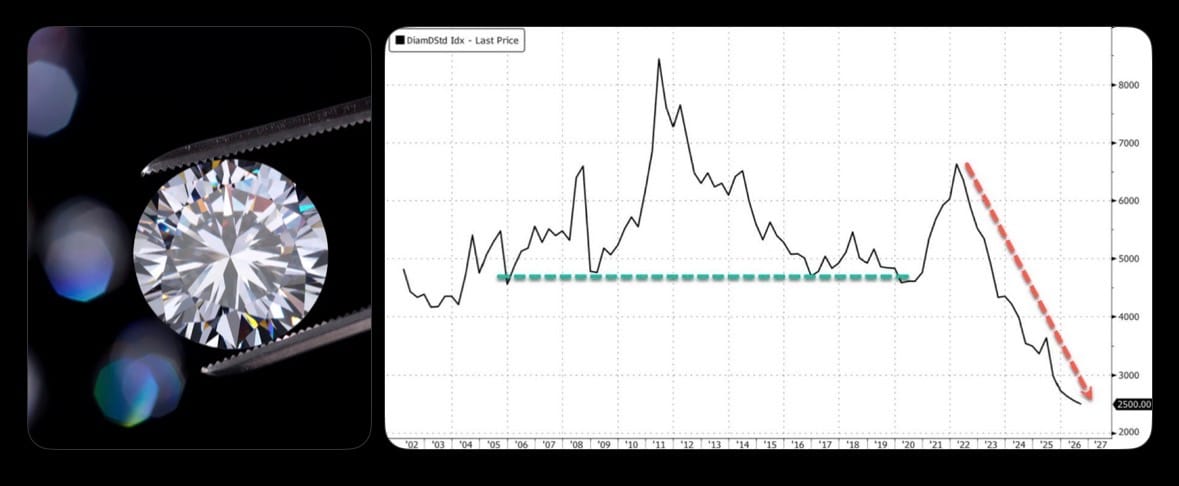
- Current market data shows natural diamonds averaging about $5,300 across tracked listings, compared with roughly $1,800 for lab-grown stones, while many 1-carat lab-grown diamonds now sell for around $500–$600.
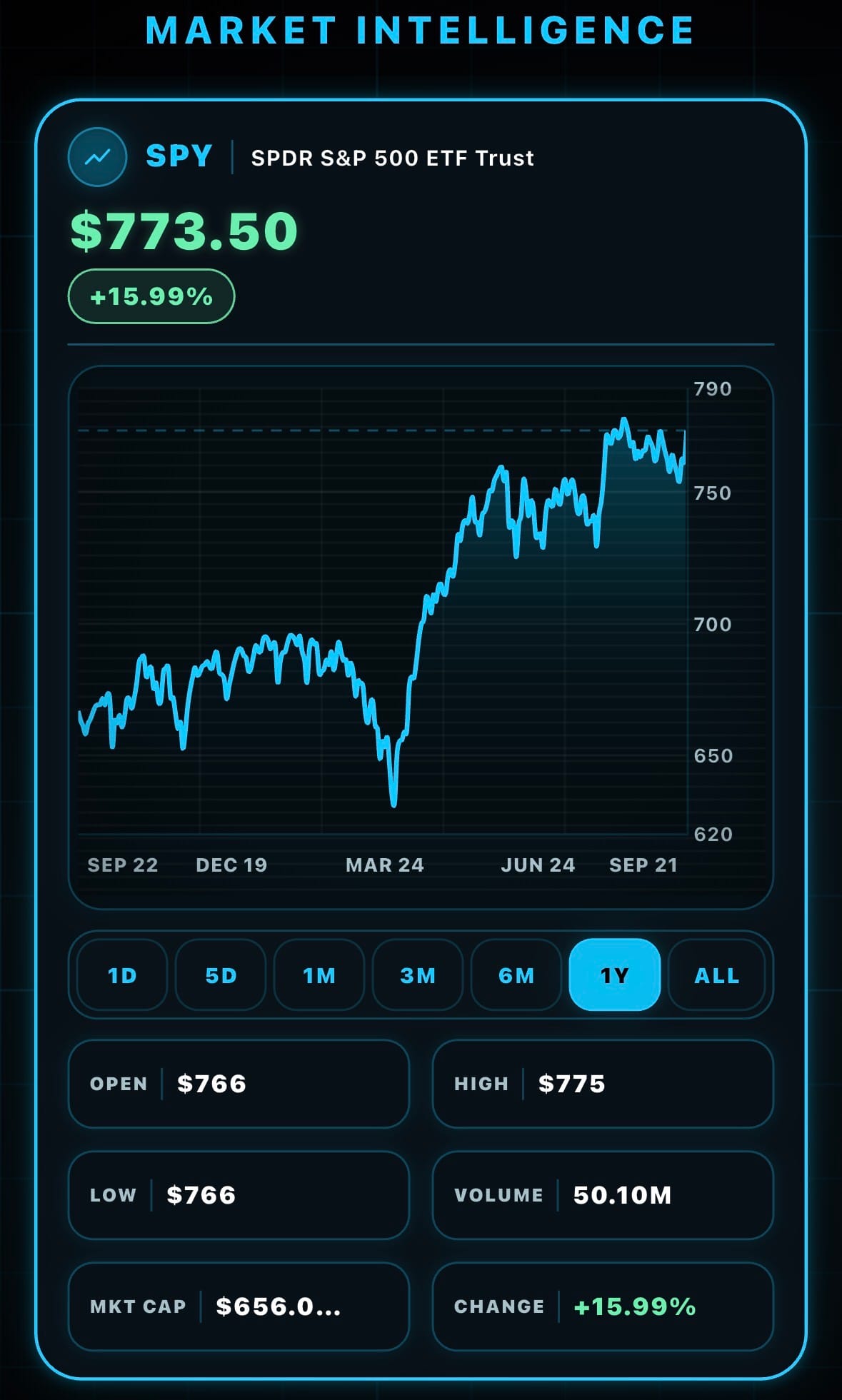
- Past 1 year of S&P 500 ETF (SPY) price action:
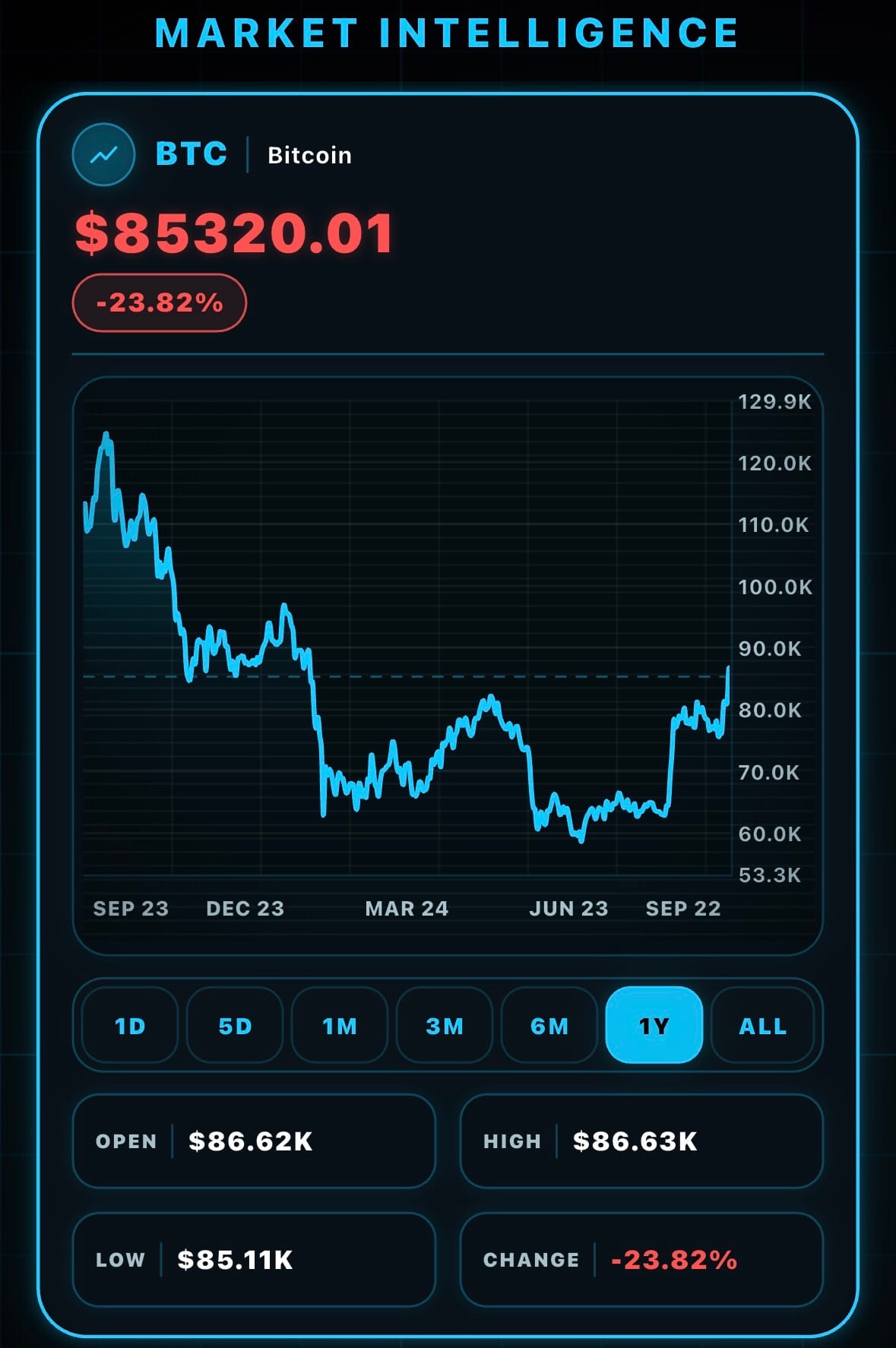
- Past 1 year of Bitcoin price action:
Environment & Weather:
Science & Technology:
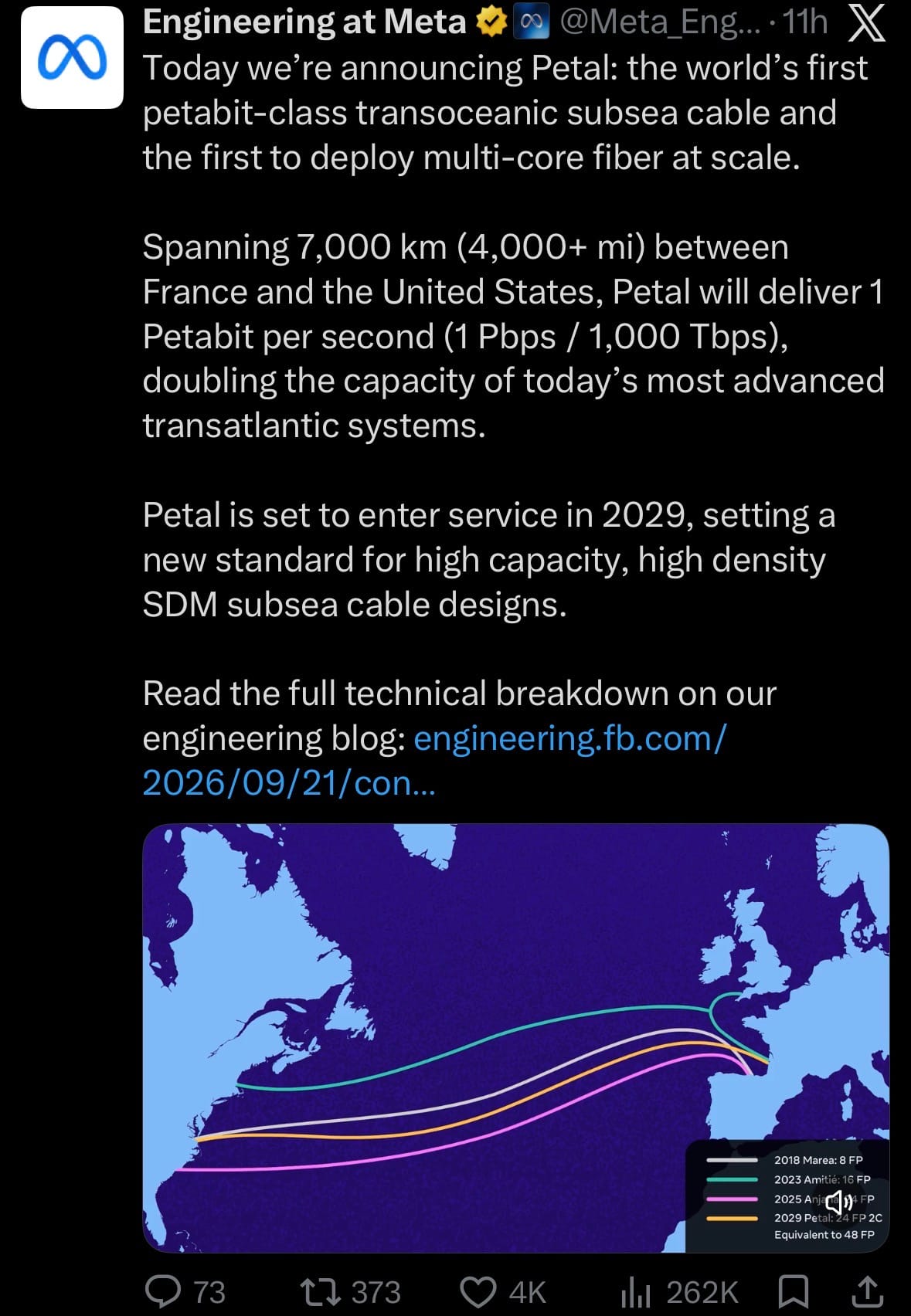
- SpaceXAI released Grok 4.7, its new flagship AI model for coding, research, office work, and long-running AI agent tasks, with better performance than Grok 4.6 while keeping the same starting price of $2 per million input tokens and $6 per million output tokens.
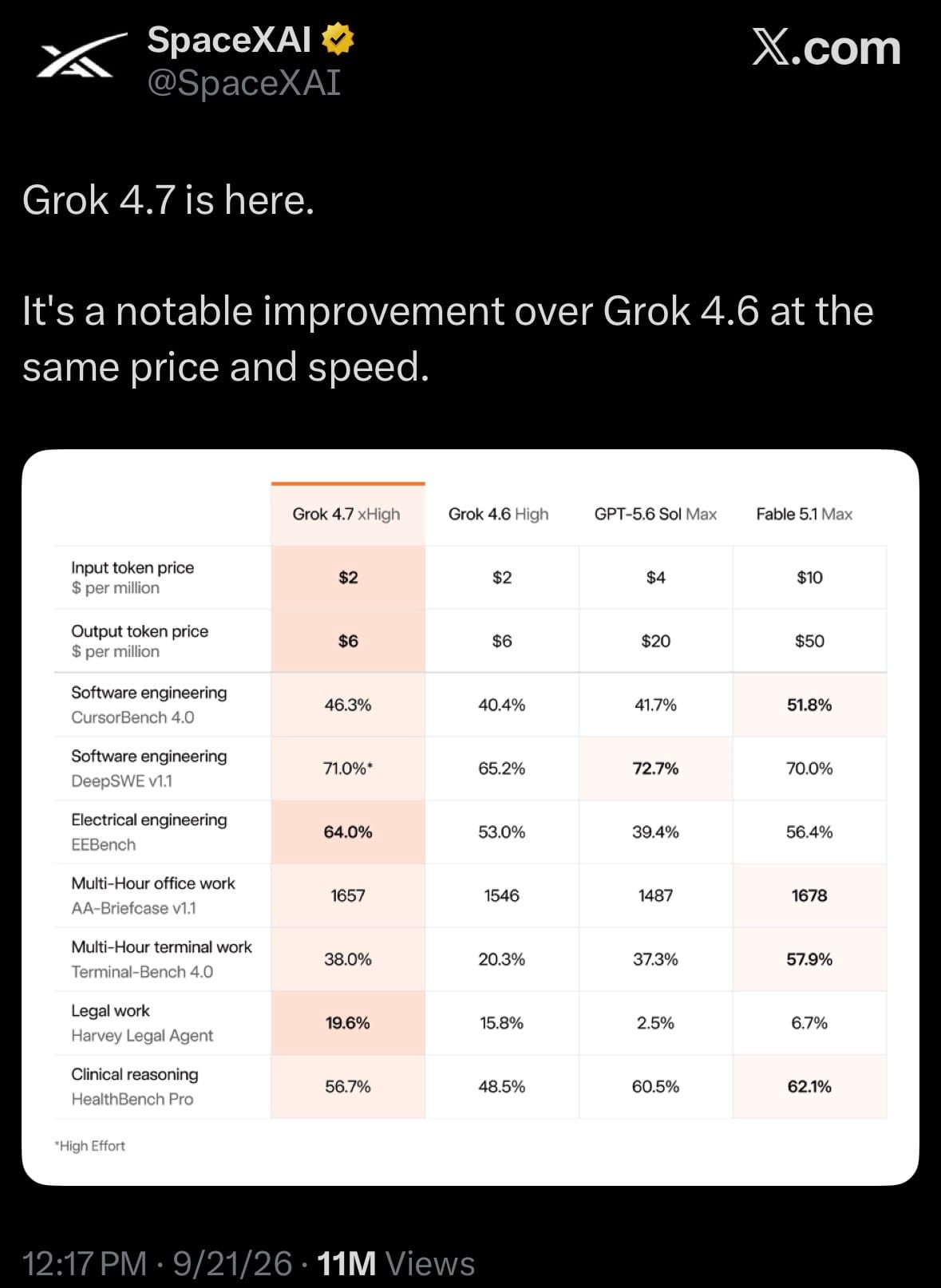
- It is designed to work longer on difficult tasks, check its own work more carefully, and handle larger amounts of information, and is now available through Grok Build, Cursor, the Grok API, and other platforms.
Statistic:
- Companies ranked by TTM revenue:
- 🇺🇸 Amazon: $742.77B
- 🇺🇸 Walmart: $725.30B
- 🇸🇦 Saudi Aramco: $459.04B
- 🇺🇸 Apple: $451.44B
- 🇺🇸 UnitedHealth: $449.71B
- 🇨🇳 Sinopec: $444.74B
- 🇺🇸 Alphabet (Google): $422.49B
- 🇺🇸 CVS Health: $407.90B
- 🇨🇳 PetroChina: $407.25B
- 🇺🇸 McKesson: $403.43B
- 🇺🇸 Berkshire Hathaway: $385.68B
- 🇩🇪 Volkswagen: $364.51B
- 🇯🇵 Toyota: $334.31B
- 🇺🇸 Cencora: $328.68B
- 🇺🇸 Exxon Mobil: $326.00B
- 🇺🇸 Microsoft: $318.27B
- 🇨🇳 China State Construction Engineering: $302.86B
- 🇺🇸 Costco: $293.58B
- 🇺🇸 The Cigna Group: $276.88B
- 🇰🇷 Samsung: $270.94B
- 🇬🇧 Shell: $267.34B
- 🇹🇼 Foxconn: $261.93B
- 🇺🇸 NVIDIA: $253.49B
- 🇺🇸 Cardinal Health: $250.73B
- 🇨🇭 Glencore: $247.53B
- 🇳🇱 Exor: $223.05B
- 🇺🇸 Bullish: $216.58B
History of the Houthis
- The Houthis, formally Ansar Allah, grew out of northern Yemen’s Zaydi Shiite community, a branch of Islam that had deep political and religious roots in Yemen for centuries. The modern movement developed during the 1990s, particularly around the al-Houthi family in Saada, after Yemen’s north and south unified in 1990. A religious and political revival organization known as the Believing Youth emerged to strengthen Zaydi identity as Saudi-backed Sunni religious influence expanded. Hussein Badreddin al-Houthi, a former Yemeni parliamentarian and religious leader, became the movement’s central figure. After 2001 he adopted increasingly anti-American and anti-Israeli rhetoric and strongly opposed President Ali Abdullah Saleh’s relationship with the United States. Fighting between Hussein’s supporters and the Yemeni government erupted in 2004; Hussein was killed that year, but the movement continued under his family, eventually led by his younger brother Abdul-Malik al-Houthi. Between 2004 and 2010, the Houthis fought six major rounds of war against Saleh’s government, gradually evolving from a regional religious movement into a capable armed organization.
- The turning point came during the Arab Spring and Yemen’s political collapse. Saleh was forced from power in 2012 and replaced by Abdrabbuh Mansur Hadi, but Yemen remained divided among government forces, tribal organizations, southern separatists, AQAP and the increasingly powerful Houthis. Exploiting political instability and public anger over issues including fuel prices, the Houthis expanded south and seized Sana’a in September 2014, assisted in important ways by military units still loyal to former president Saleh—even though Saleh had previously fought them. They placed increasing pressure on Hadi’s government, seized the presidential palace in January 2015 and advanced toward southern Yemen. Hadi escaped and requested outside assistance, leading Saudi Arabia and a coalition of Arab states to intervene in March 2015. Saudi Arabia viewed a powerful Iran-aligned armed organization on its southern border as a major security threat. The resulting war devastated Yemen and produced one of the world’s largest humanitarian crises. Iran increasingly provided the Houthis with weapons technology, training and assistance, particularly helping improve their ballistic missiles, cruise missiles and drones, although the Houthis remain a distinctly Yemeni movement rather than simply an Iranian military unit. The Houthis eventually broke with Saleh; after he attempted to switch sides in 2017, Houthi forces killed him. Despite years of Saudi-led military operations, the Houthis survived and consolidated control over Sana’a and much of populous northern and western Yemen.
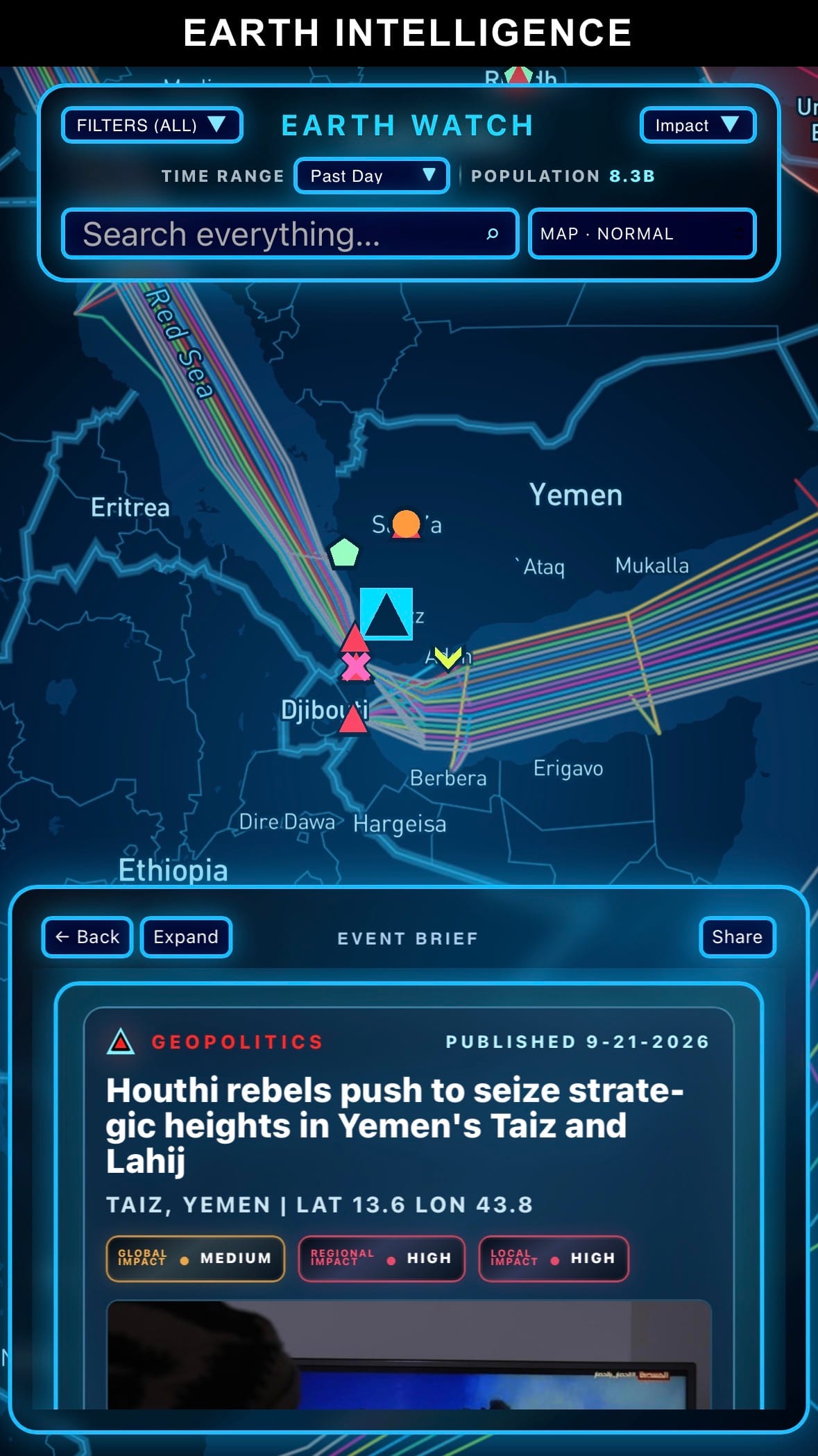
- The Houthis then evolved from a Yemeni insurgency into a regional military actor capable of threatening Saudi Arabia, Israel and international shipping. They developed an increasingly sophisticated arsenal of ballistic missiles, land-attack cruise missiles, anti-ship missiles, one-way attack drones, sea mines and unmanned boats, with Iranian assistance contributing substantially to this expansion. After the October 2023 Israel-Hamas war, the Houthis began launching missiles and drones toward Israel and attacking commercial vessels around the Red Sea, Bab el-Mandeb and Gulf of Aden, saying they were acting in support of Palestinians. The campaign disrupted one of the world’s most important shipping corridors and triggered U.S., British and Israeli military strikes against Houthi launchers, radar, weapons facilities and command infrastructure. By 2026, the Houthis remained entrenched in northern Yemen, with Yemen’s civil-war front lines largely frozen, while their involvement in wider regional conflict continued to make them a major security problem around the Red Sea. Their transformation is essentially 1990s Zaydi revival movement → Hussein al-Houthi → 2004 insurgency → six wars with Yemen’s government → 2011 Arab Spring instability → 2014 capture of Sana’a → 2015 Saudi-led intervention → Iranian-supported missile/drone expansion → 2017 break with Saleh → 2023 Red Sea campaign → today’s heavily armed regional actor. What makes the Houthis unusual is that a relatively localized movement from Yemen’s northern mountains ultimately acquired enough territory, weapons and organization to govern millions of people while simultaneously threatening aircraft, cities, warships and global commercial shipping hundreds or even more than a thousand miles from Yemen.
Image of the day:

Thanks for reading! Earth is complicated, we make it simple.

- Download our mobile app:


Click below to view our previous newsletters:

Support/Suggestions Email:
support@earthintel.io