Wednesday☕️


Economics & Markets:
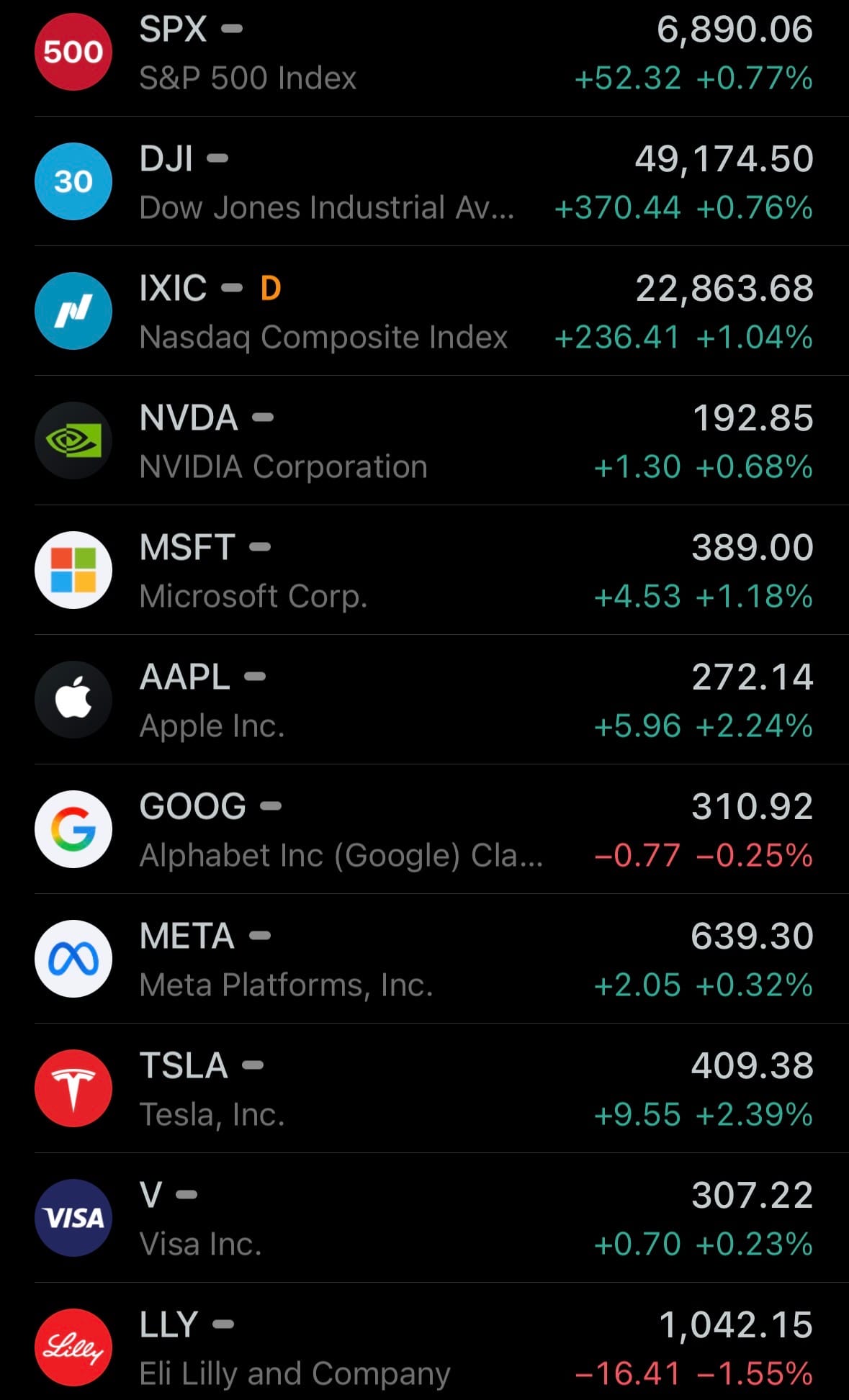
- Yesterday’s U.S. stock market:
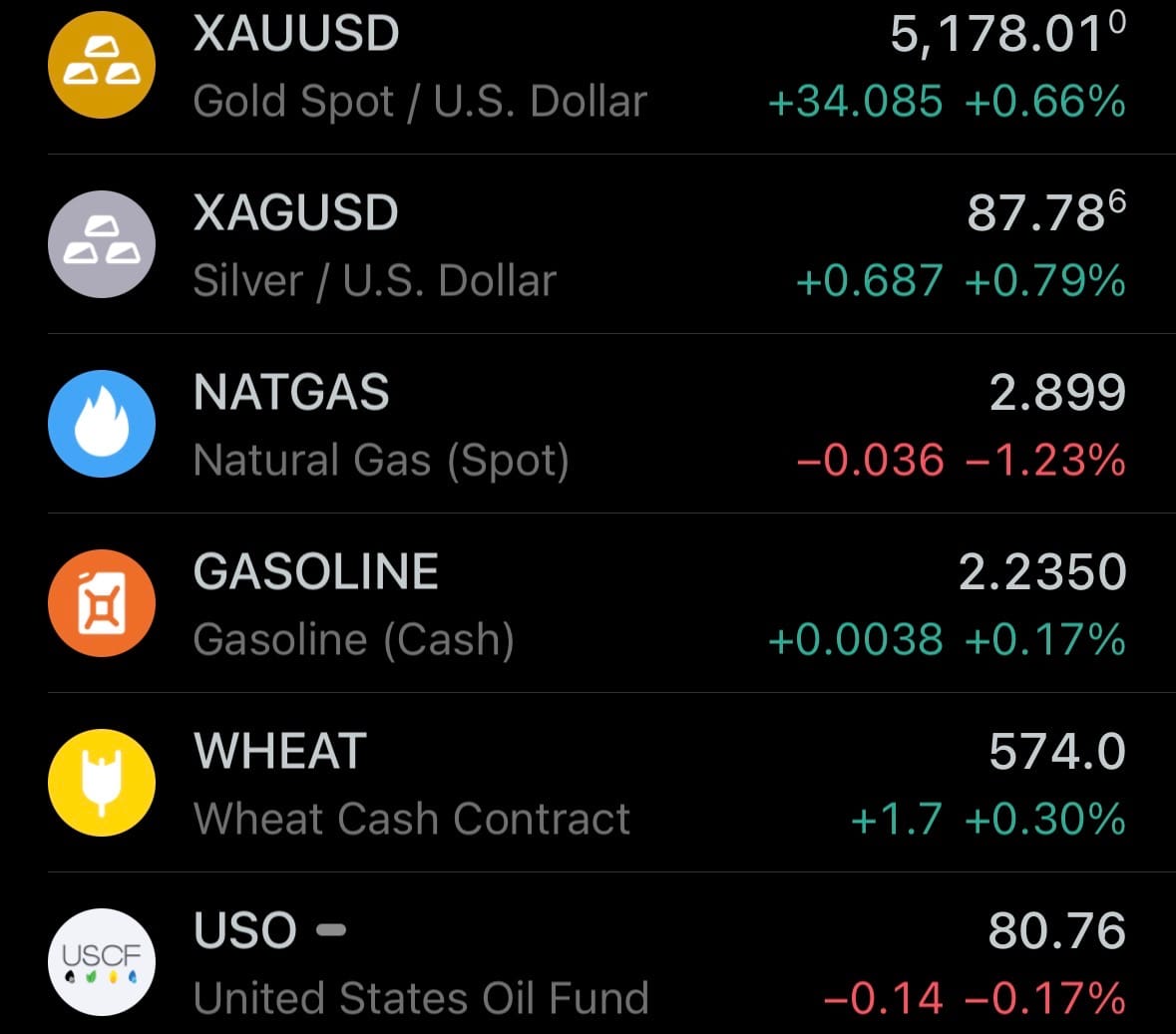
- Yesterday’s commodity market:
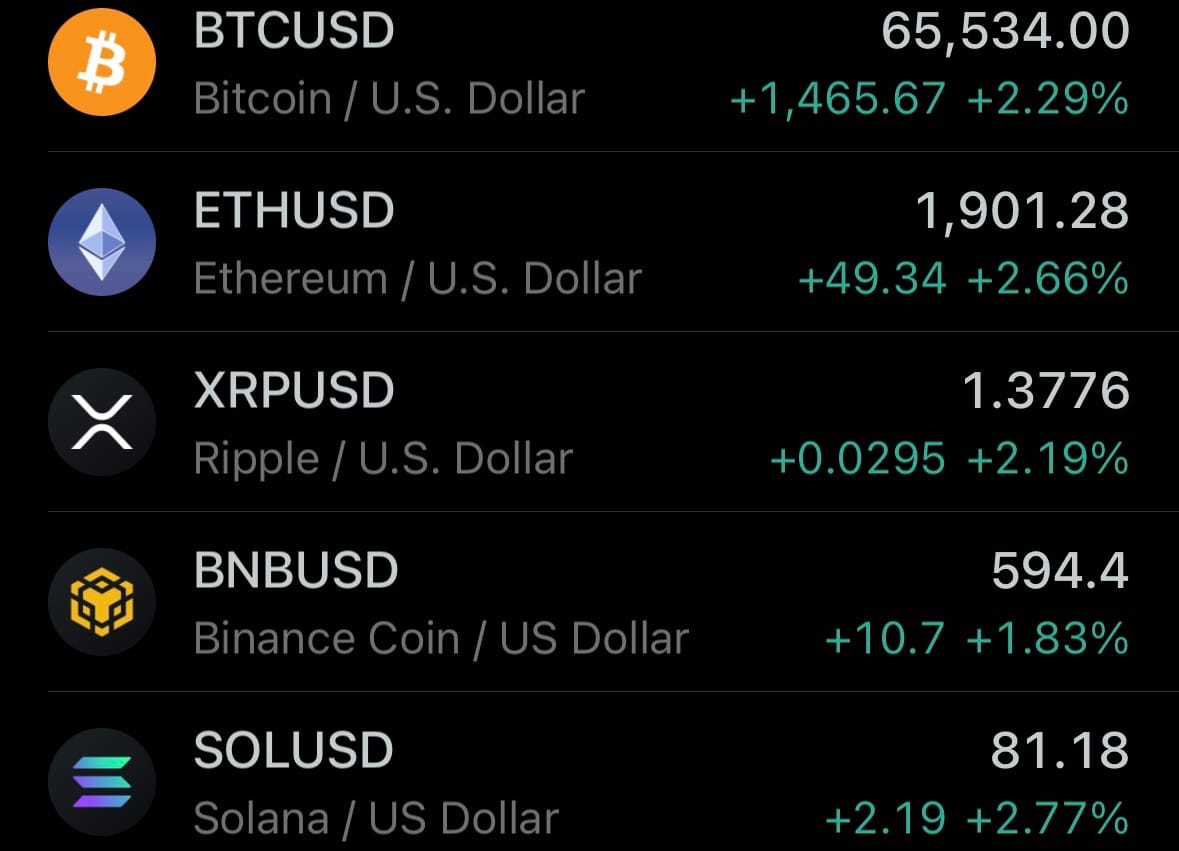
- Yesterday’s crypto market:
Geopolitics & Military Activity:
- On February 24, 2026, U.S. forces boarded the oil tanker Bertha in the Indian Ocean without incident during a right-of-visit and maritime interdiction operation in the INDOPACOM area. The vessel, sanctioned for involvement in illicit Venezuelan and potentially Iranian oil shipments, had left the Caribbean in early January in violation of U.S. quarantine measures and was tracked for thousands of miles before being intercepted.
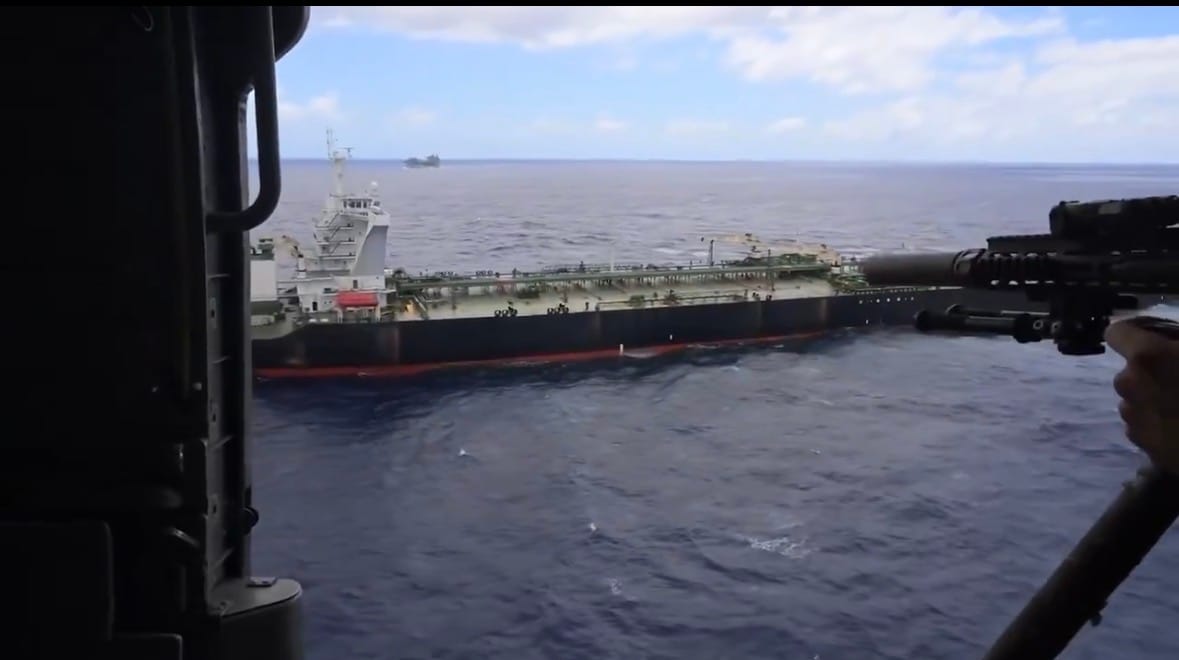
- Three small boats that attempted to flee during the boarding were also captured. The Bertha, previously flagged to the Cook Islands and later falsely registered under Curaçao, was carrying approximately 1.9 million barrels of crude oil and managed by a Chinese company; this is the third interdiction in the Indian Ocean and the 10th overall in the ongoing campaign against shadow fleet vessels linked to Venezuelan oil since late 2025.
Business:
- On February 24, 2026, Meta announced a long-term partnership with AMD to install up to 6 gigawatts (GW) of AMD's powerful Instinct GPUs in its worldwide data centers to power AI work. The first phase (1 GW) will use special custom Instinct GPUs from the MI450 family, combined with AMD's next-generation EPYC CPUs (codenamed Venice) and a new rack design called Helios, with the first shipments starting in the second half of 2026.
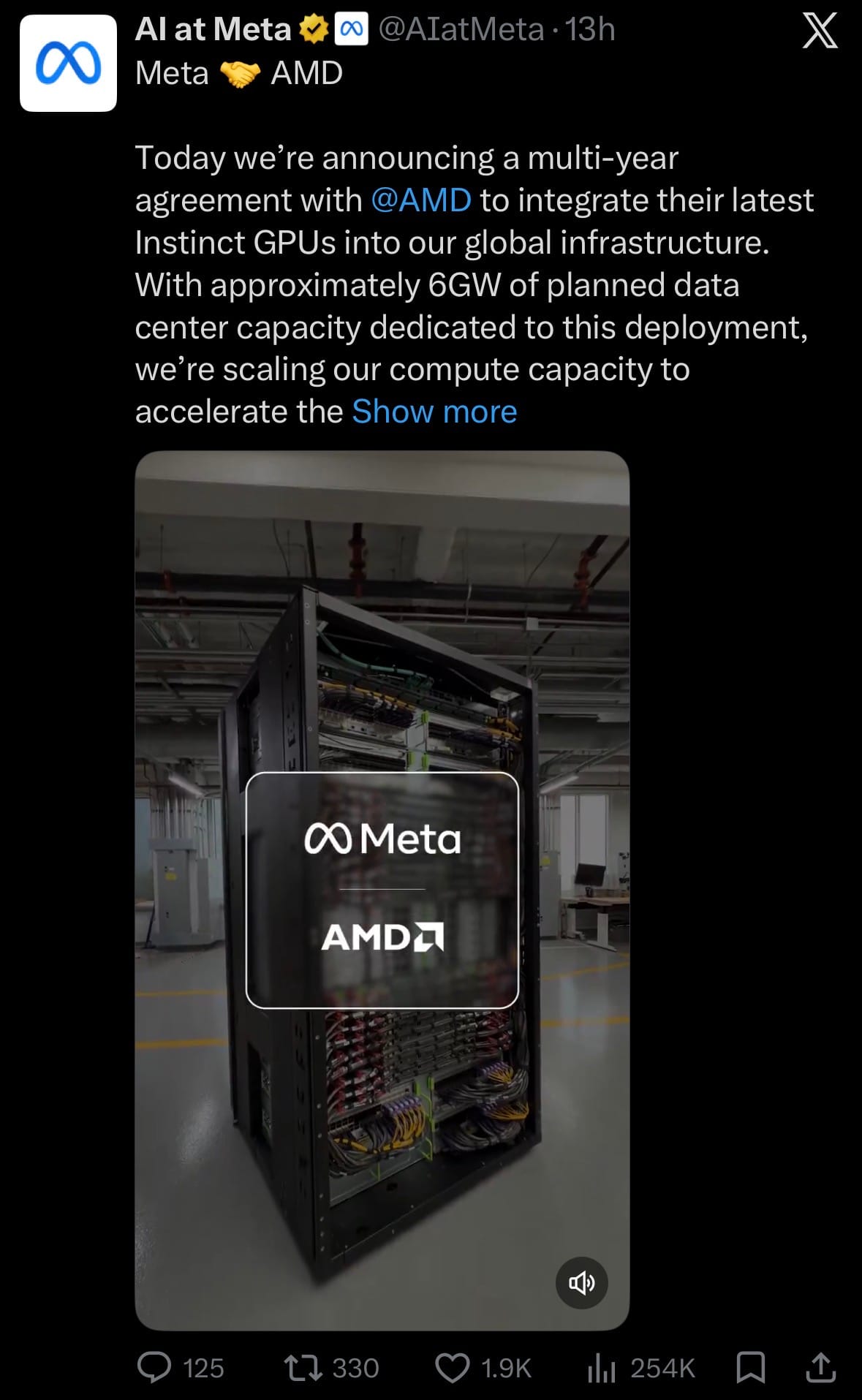
- As part of the deal, AMD gave Meta a warrant for up to 160 million shares (about a 10% stake) that vests as Meta hits deployment goals up to the full 6 GW; this spreads Meta's AI chip suppliers beyond just Nvidia, boosts AMD's position in big AI systems, and could be worth more than $100 billion in total computing power as AI data centers keep growing rapidly.
Environment & Weather:
- On February 24, 2026, the National Fire—a wildfire in Florida's Big Cypress National Preserve (Collier County, near Ochopee and Alligator Alley/I-75)—rapidly expanded to 25,000 acres after igniting on February 22–23, growing from around 1,000–5,000 acres overnight amid extreme drought, dry fuels from recent frost, and windy conditions. The fire remains 0% contained, with ground crews, aviation support, and prescribed burning operations working to slow its spread in the preserve's swampy, vegetated terrain.
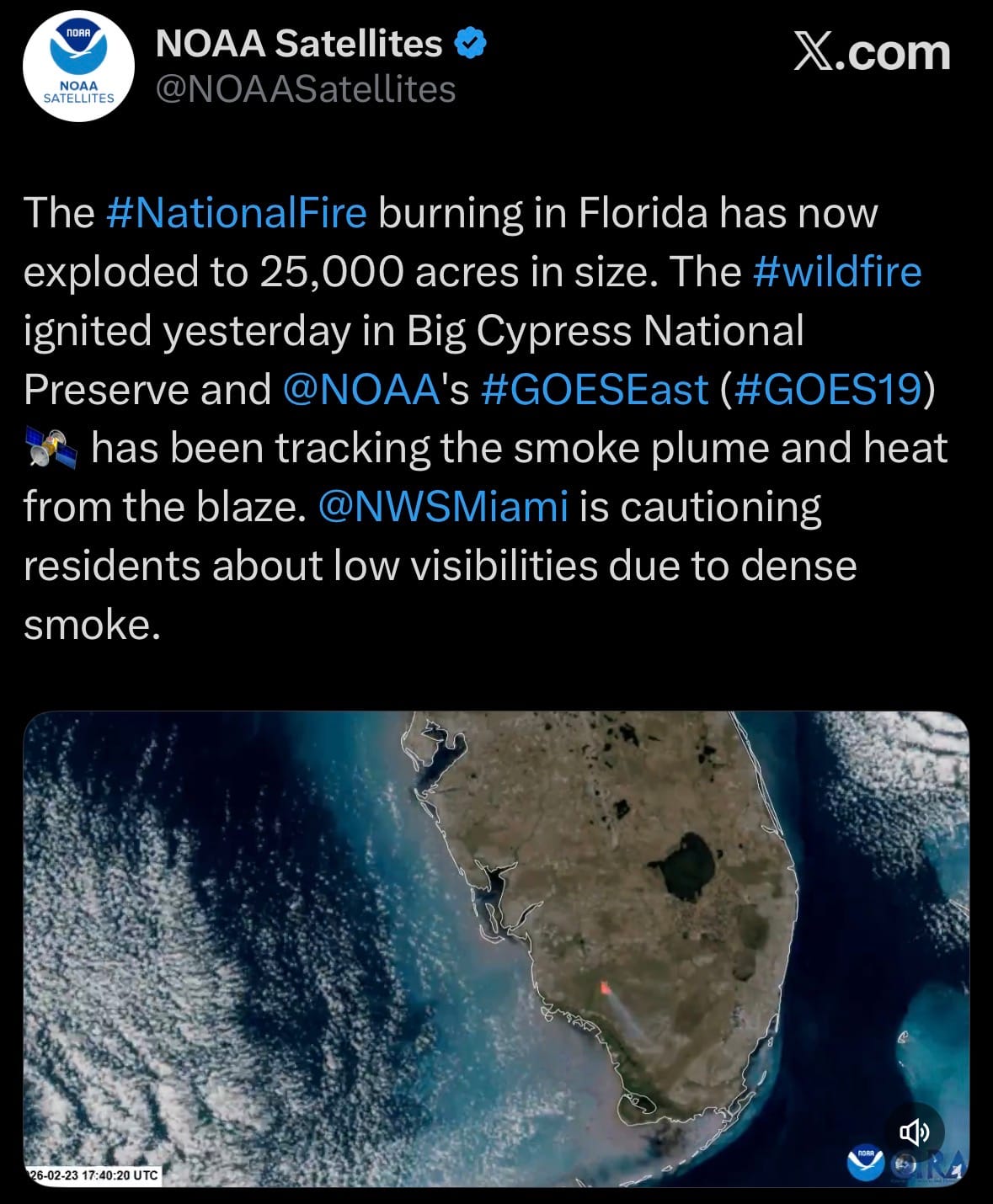
- NOAA's GOES-East satellite (GOES-19) has captured the intense heat signatures and a large smoke plume visible from space, drifting across South Florida and even toward the Keys. The National Weather Service in Miami warns of dense smoke reducing visibility for drivers on nearby roads like I-75 (Alligator Alley), Tamiami Trail (US-41), and State Road 29, creating hazardous driving conditions in areas including Big Cypress, Jerome, Copeland, Ochopee, and Everglades City.
Science & Technology:
- On February 24, 2026, Anthropic launched a new feature called Remote Control to Claude Code (Coding AI). It’s available now in early testing for Max plan users (and coming soon to Pro users). Here’s how it works in simple terms: You start a coding task—like building, testing, or fixing code—right in your computer’s terminal using Claude.

- Then you can leave your desk, open the Claude app on your phone (iOS or Android) or go to claude.ai/code, and keep controlling Claude from anywhere while the task keeps running on your computer. This means you can kick off a long job, go for a walk, join a meeting, or commute, and still check progress, give instructions, or make changes without stopping the work or losing your place. It makes coding with AI easier and more flexible, especially when you’re away from your computer.
Statistic:
- Largest public port operators by market capitalization:
- 🇮🇳 Adani Ports & SEZ: $39.43B
- 🇭🇰 CK Hutchison Holdings: $30.62B
- 🇵🇭 International Container Terminal Services: $25.92B
- 🇨🇳 Shanghai International Port Group (SIPG): $17.15B
- 🇭🇰 China Merchants Port: $9.03B
- 🇨🇳 Qingdao Port International: $8.63B
- 🇦🇪 Abu Dhabi Ports: $6.88B
- 🇲🇾 Westports: $5.41B
- 🇳🇿 Port of Tauranga: $3.21B
- 🇩🇪 Hamburger Hafen: $2.04B
History:
- Maritime ports began as simple anchorages—natural harbors where ships could beach safely and goods could move between land and sea. Ancient civilizations quickly understood that control of a port meant control of trade, taxation, and naval movement. Phoenician cities like Tyre and Sidon (c. 1000 BC) built structured harbors to support Mediterranean commerce. The Greeks and Romans engineered more advanced facilities; Rome’s Portus in the 1st century AD featured artificial basins, breakwaters, and warehouses, making it one of the first purpose-built mega-ports designed to feed an empire. In China, major river and coastal ports tied inland production to maritime trade networks. Throughout the medieval period, ports like Venice, Genoa, and later Lisbon and Antwerp became commercial power centers. These were not just docking points—they were financial hubs, customs gates, and naval strongholds. The Age of Exploration in the 15th–17th centuries shifted the global axis: Atlantic ports such as Seville, Amsterdam, and London rose as colonial trade expanded. Ports became instruments of empire, shaping global trade routes and projecting state power overseas.
- The industrial revolution transformed ports from merchant towns into mechanized logistics engines. Steamships in the 19th century increased cargo volume and regularity, demanding deeper harbors, cranes, rail connections, and standardized handling systems. Ports like Liverpool, New York, Hamburg, and Marseille expanded massively. The 20th century introduced the most disruptive innovation in port history: containerization. In the 1950s, standardized steel containers allowed cargo to be moved seamlessly between ships, trucks, and trains without unpacking. This dramatically reduced loading time, theft, and cost, reshaping global trade. Ports that adapted—such as Rotterdam, Los Angeles/Long Beach, and Singapore—became high-throughput logistics hubs with massive container terminals, gantry cranes, and automated yards. Others declined if they couldn’t modernize. Container ports evolved into tightly coordinated systems linked to rail corridors, highways, and inland distribution centers, forming the backbone of global supply chains.
- Today’s major ports are strategic choke points in global commerce. Ports like Shanghai, Singapore, Ningbo-Zhoushan, Shenzhen, Rotterdam, Busan, and Los Angeles/Long Beach handle enormous volumes of container traffic, connecting manufacturing centers to global markets. Control of ports is not just about trade; it affects energy flows, military mobility, and geopolitical leverage. The Panama Canal and Suez Canal amplify certain ports’ importance by routing global shipping through narrow corridors. Modern ports integrate automation, AI-driven logistics systems, real-time tracking, and vast warehousing networks. Some are expanding into deepwater terminals to accommodate ultra-large container vessels exceeding 20,000 TEUs. At the same time, port security has become critical, as disruptions—whether from labor strikes, cyberattacks, or blockages—can ripple across continents. From natural harbors to AI-coordinated logistics complexes, maritime ports have evolved into the physical gateways of globalization, where raw materials, finished goods, energy supplies, and strategic influence converge at the edge of the sea.
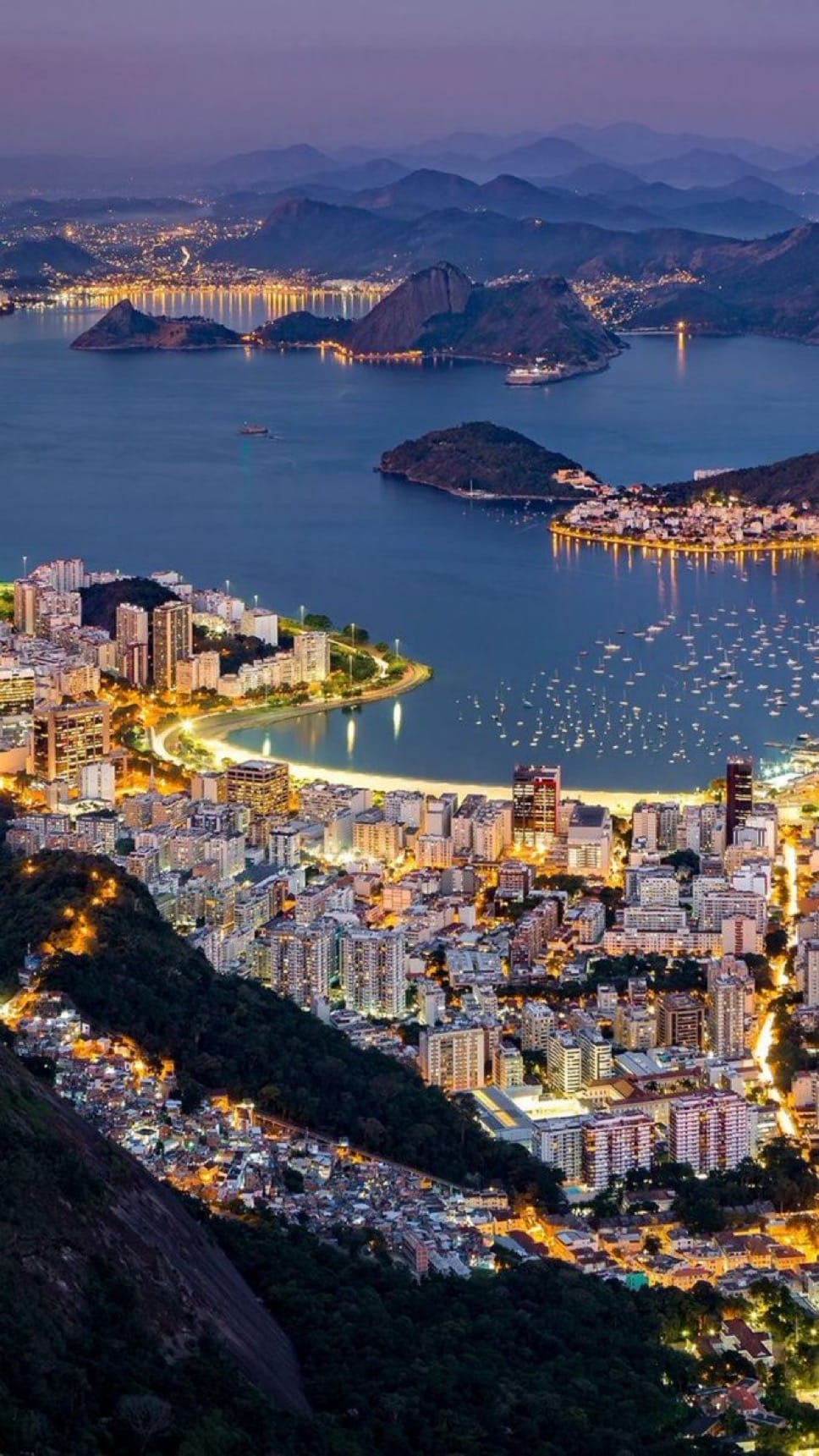
Image of the day:
Thanks for reading! Earth is complicated, we make it simple.
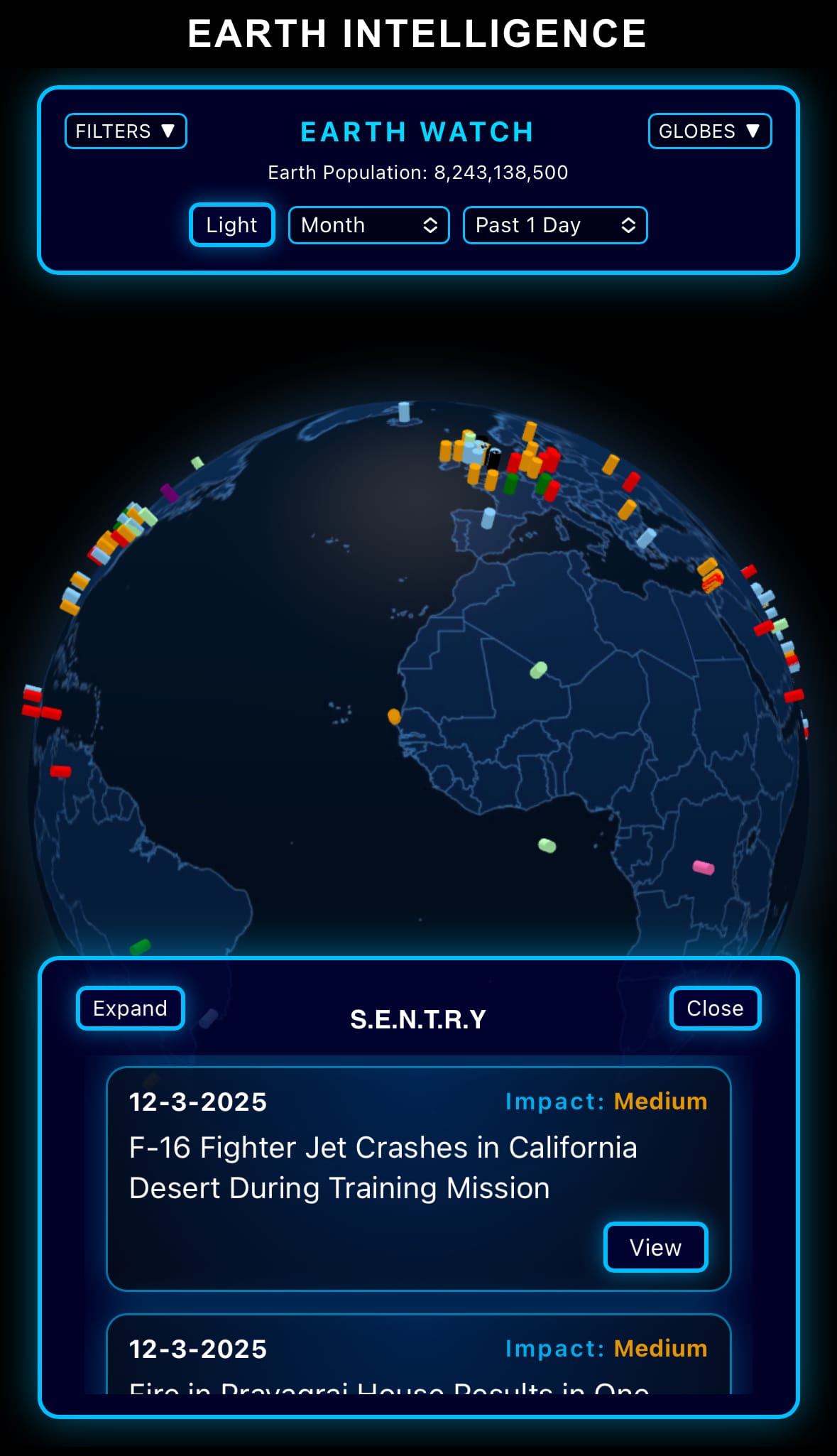
- Click below if you’d like to view our free EARTH WATCH globe:
- Download our mobile app:


Click below to view our previous newsletters:
Support/Suggestions Email:
earthintelligence@earthintel.news