Wednesday☕️


Trending:
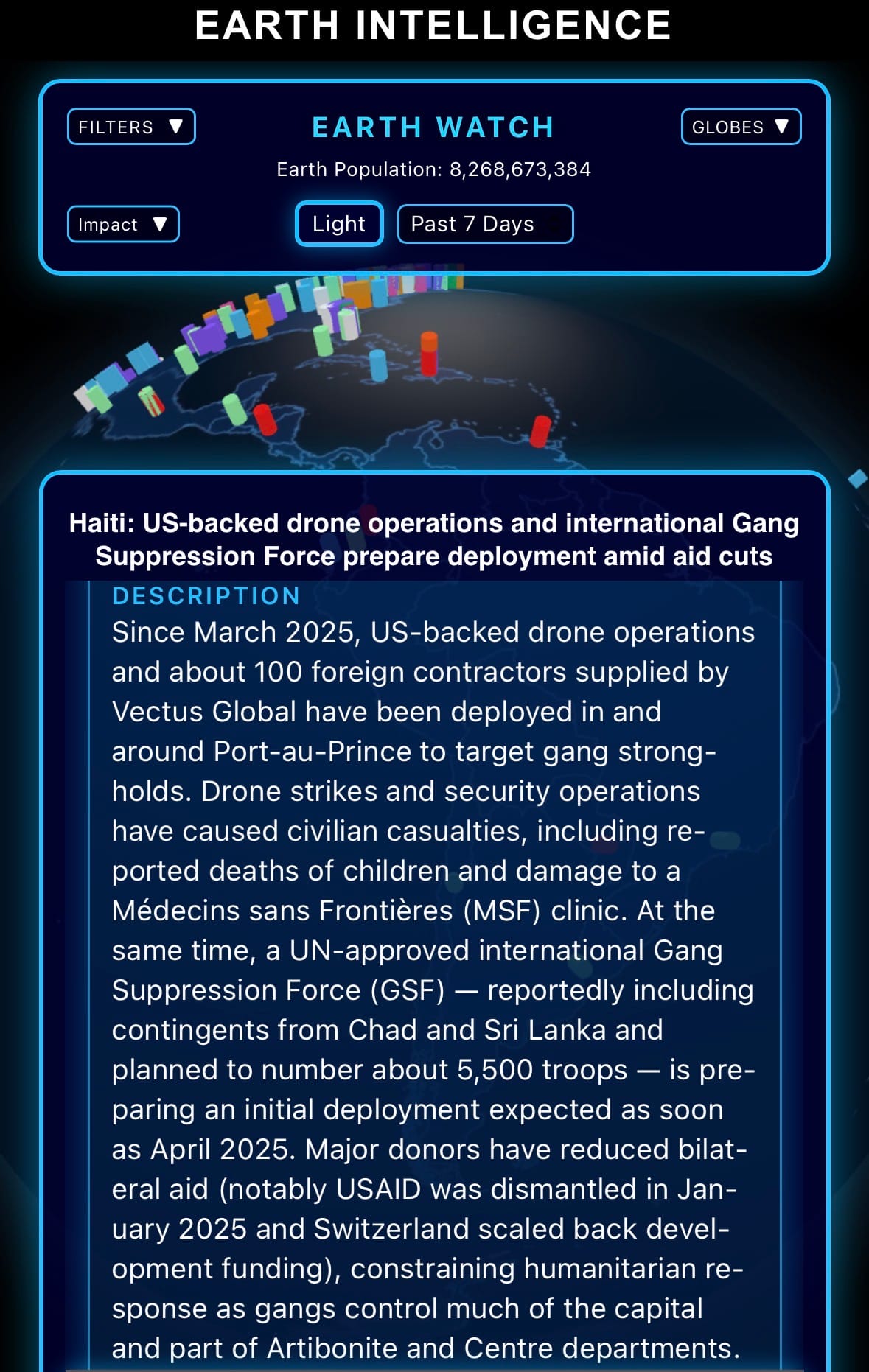
Economics & Markets:
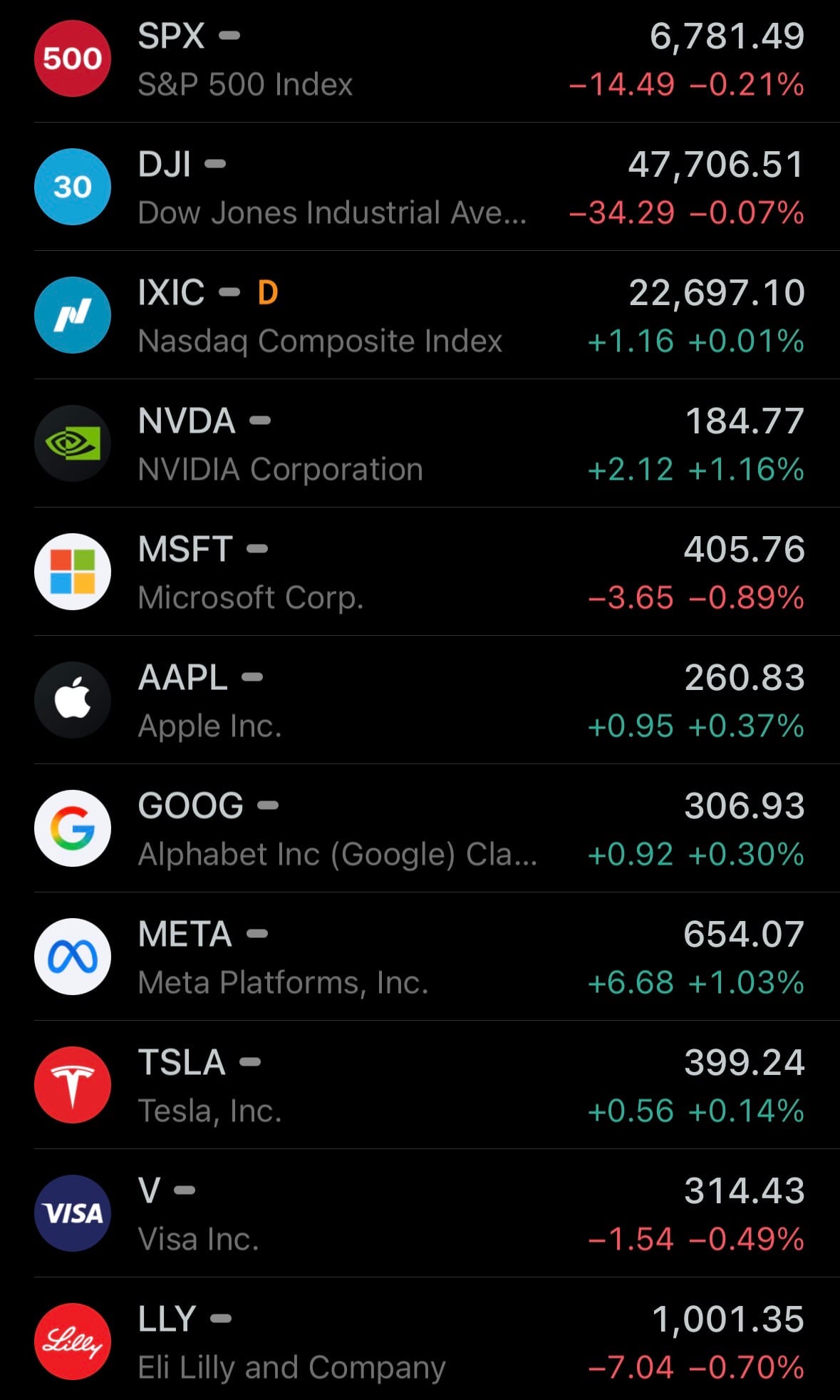
- Yesterday’s U.S. stock market:
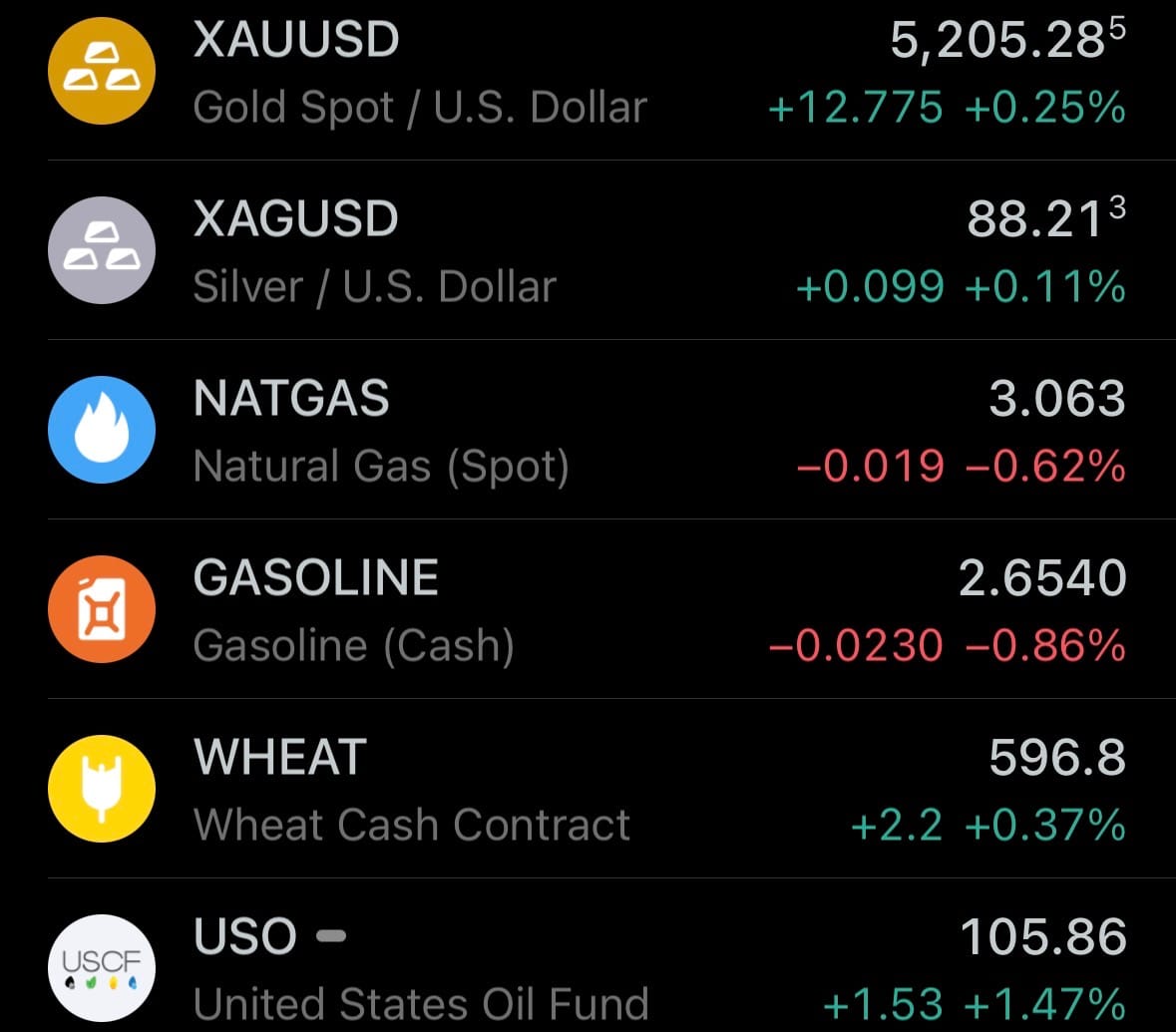
- Yesterday’s commodity market:
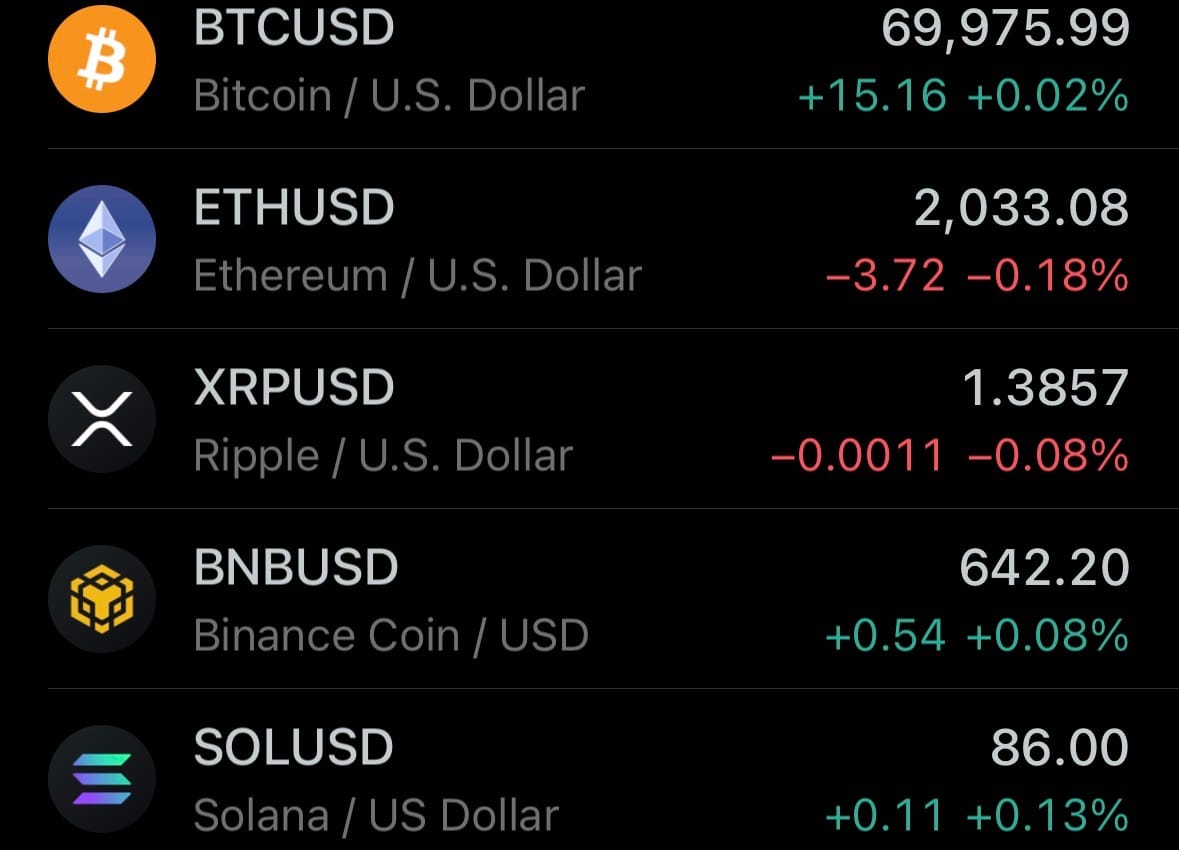
- Yesterday’s crypto market:
Geopolitics & Military Activity:
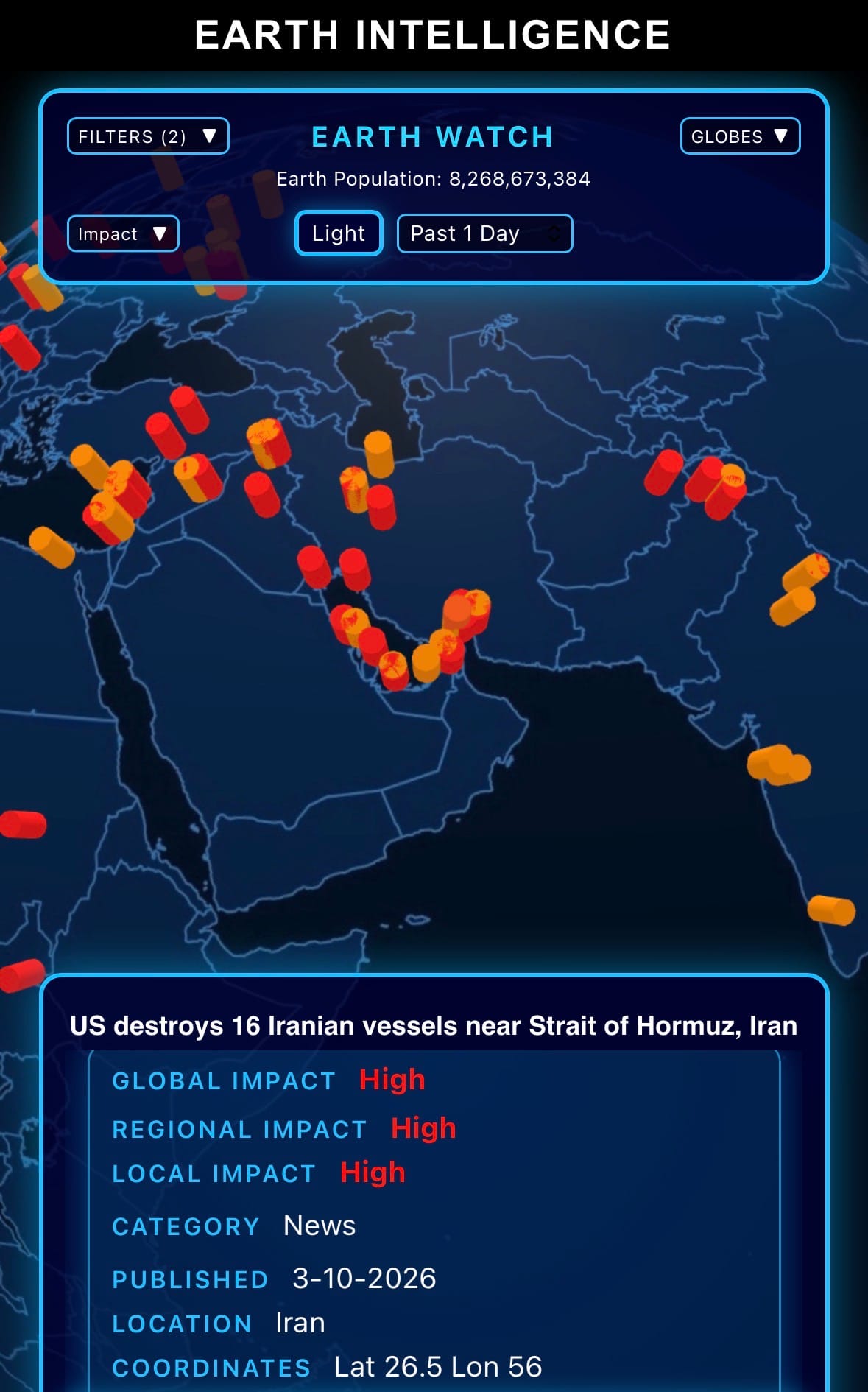
- As of March 10, 2026, U.S. forces destroyed 16 Iranian mine-laying vessels near the Strait of Hormuz as part of ongoing Operation Epic Fury, according to U.S. Central Command announcements and accompanying video footage showing strikes on multiple moored boats. The action came amid intelligence reports that Iran had begun laying mines in the critical waterway—through which about 20% of global crude oil passes—prompting preemptive U.S. strikes to prevent disruptions to shipping and energy flows.
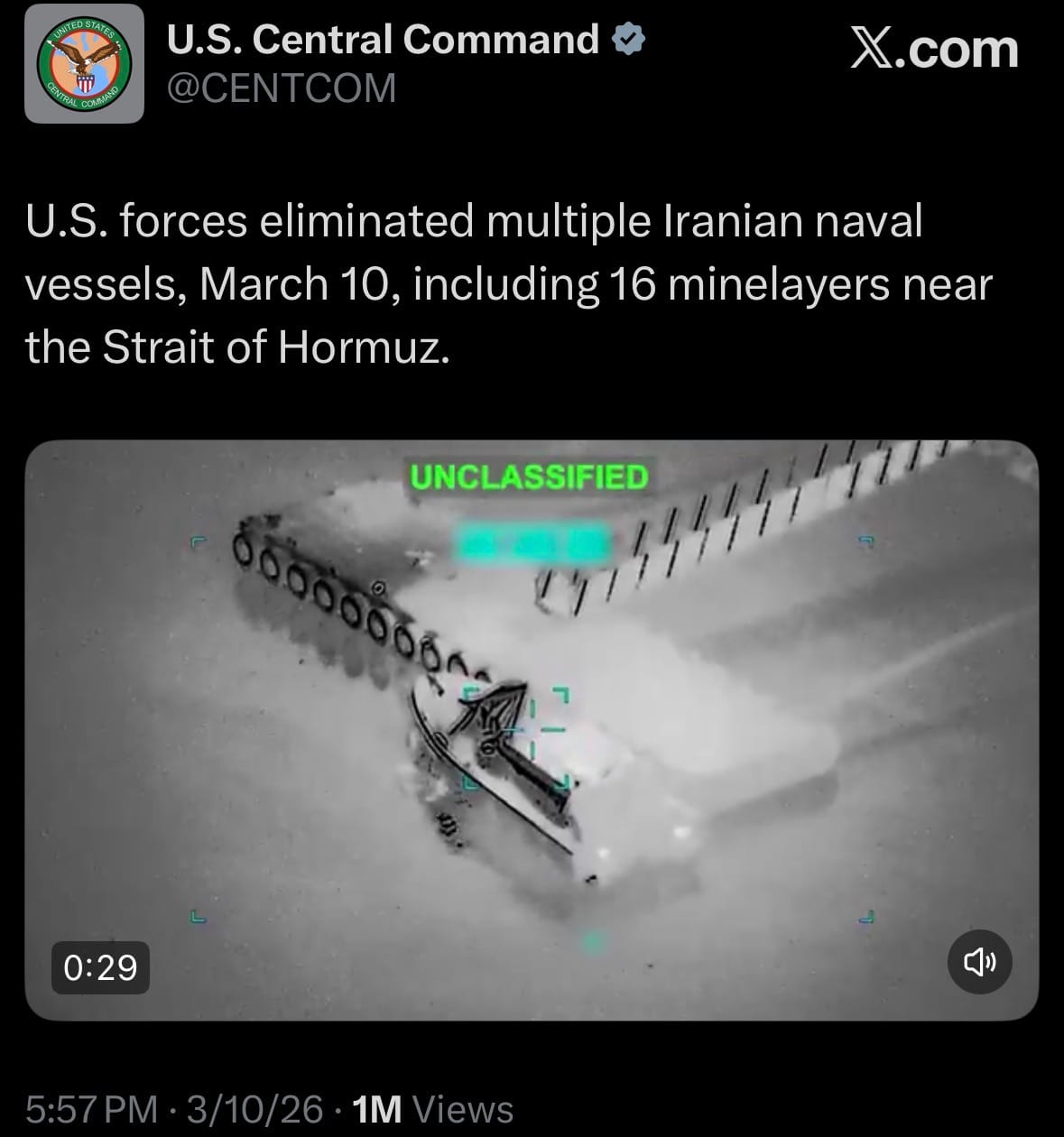
- President Donald Trump warned Iran to remove any mines immediately and stated there were no confirmed reports of active mining, while emphasizing the need to keep the strait open; some reports noted the vessels were inactive or moored at the time of the attack.
Environment & Weather:
- As of March 10, 2026, a large and extremely violent tornado struck Kankakee County, Illinois, causing significant damage after moving through Kankakee city. The National Weather Service issued a rare Particularly Dangerous Situation (PDS) Tornado Warning as the storm tracked east toward Hopkins Park, Sun River Terrace, Aroma Park, Momence, and into northwest Indiana.
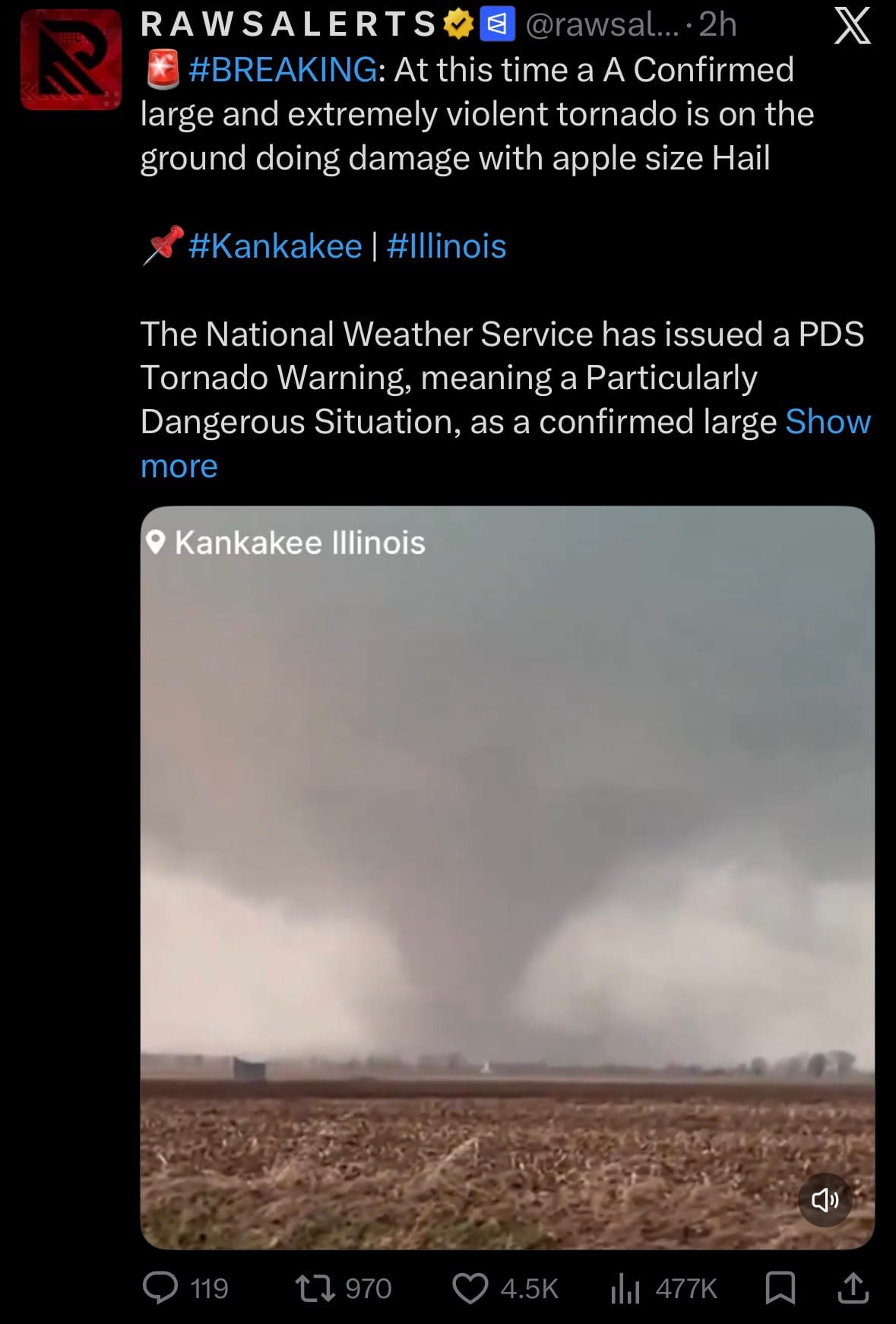
- Reports confirmed apple-sized hail (or up to baseball/grapefruit size) along with the tornado, which destroyed homes and caused widespread power outages in affected areas. Residents in the storm’s path took immediate shelter in basements or the lowest levels of sturdy buildings away from windows during the life-threatening event.
Science & Technology:
Statistic:
- Largest public companies on Earth by market capitalization:
- 🇺🇸 NVIDIA: $4.490T
- 🇺🇸 Apple: $3.833T
- 🇺🇸 Alphabet (Google): $3.712T
- 🇺🇸 Microsoft: $3.015T
- 🇺🇸 Amazon: $2.300T
- 🇹🇼 TSMC: $1.800T
- 🇸🇦 Saudi Aramco: $1.733T
- 🇺🇸 Meta Platforms (Facebook): $1.654T
- 🇺🇸 Broadcom: $1.624T
- 🇺🇸 Tesla: $1.498T
- 🇺🇸 Berkshire Hathaway: $1.066T
- 🇺🇸 Walmart: $997.56B
- 🇺🇸 Eli Lilly: $896.22B
- 🇰🇷 Samsung: $873.75B
- 🇺🇸 JPMorgan Chase: $778.71B
- 🇨🇳 Tencent: $663.95B
- 🇺🇸 Exxon Mobil: $617.22B
- 🇺🇸 Visa: $606.23B
- 🇺🇸 Johnson & Johnson: $587.31B
- 🇳🇱 ASML: $543.20B
- 🇺🇸 Mastercard: $459.35B
- 🇰🇷 SK Hynix: $456.30B
- 🇺🇸 Micron Technology: $453.70B
- 🇺🇸 Costco: $442.52B
- 🇺🇸 Oracle: $429.38B
History:
- The history of global financial payment networks begins with early systems created to move money across distance without physically transporting gold or coins. In ancient trading civilizations such as Mesopotamia around 2000 BC, merchants used clay tablets and written obligations to record debts and settle transactions between cities. Later, in medieval trade networks, merchant banking families such as the Medici in the 14th and 15th centuries developed more advanced methods like letters of credit, allowing merchants to deposit funds in one city and withdraw them in another. This reduced the risks of theft and piracy during long trade journeys. By the 17th and 18th centuries, major financial centers such as London, Amsterdam, and Venice had developed clearinghouses where banks reconciled large volumes of payments between institutions. The invention of the telegraph in the mid-1800s accelerated this system dramatically, allowing banks to transmit payment instructions across continents within minutes instead of weeks. Financial communication became increasingly electronic, laying the groundwork for modern banking networks that could move capital quickly across national borders.
- The modern global payment infrastructure began forming in the mid-20th century with the introduction of electronic card networks and international banking communication systems. In 1950, the Diners Club card became one of the first widely accepted charge cards, followed by BankAmericard in 1958 (which later became Visa) and Master Charge in 1966 (later Mastercard), creating the foundation for global credit card networks connecting banks, merchants, and consumers. A critical milestone came in 1973 with the creation of SWIFT (Society for Worldwide Interbank Financial Telecommunication), which standardized secure messaging between banks and allowed financial institutions around the world to send payment instructions efficiently. Over the following decades, electronic banking, automated clearinghouses, and digital payment processing expanded rapidly. In the 21st century, payment systems have evolved into complex global networks processing trillions of dollars daily through credit card systems, online banking, and digital platforms such as PayPal, Apple Pay, Alipay, and other mobile payment ecosystems. These networks are now deeply intertwined with geopolitics, as access to systems like SWIFT and global banking infrastructure can be used as a tool of economic influence or sanctions. What began as handwritten credit ledgers and merchant letters of exchange has evolved into a global digital financial network that moves money instantly across continents and underpins modern commerce, banking, and international trade.
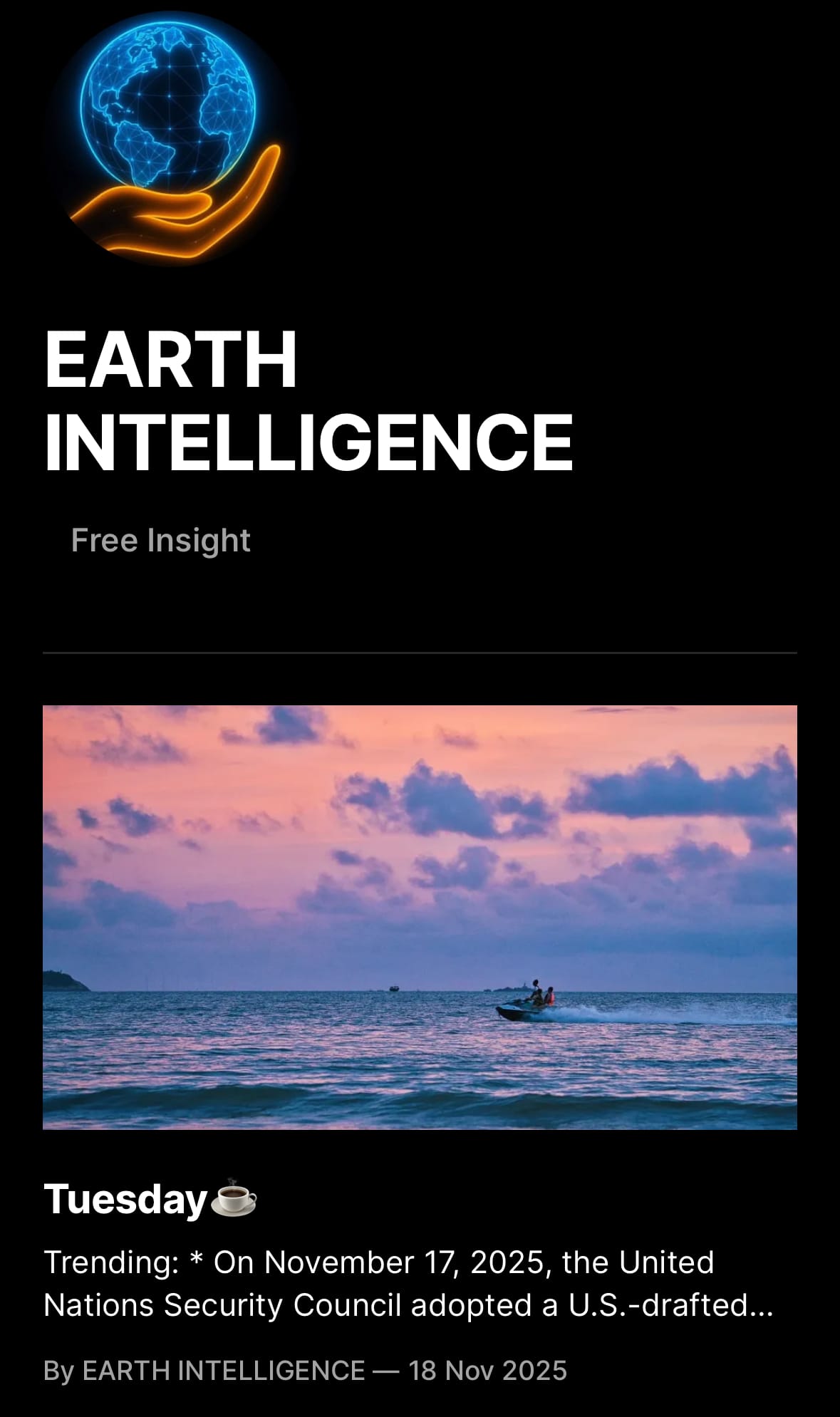
Image of the day:

Thanks for reading! Earth is complicated, we make it simple.
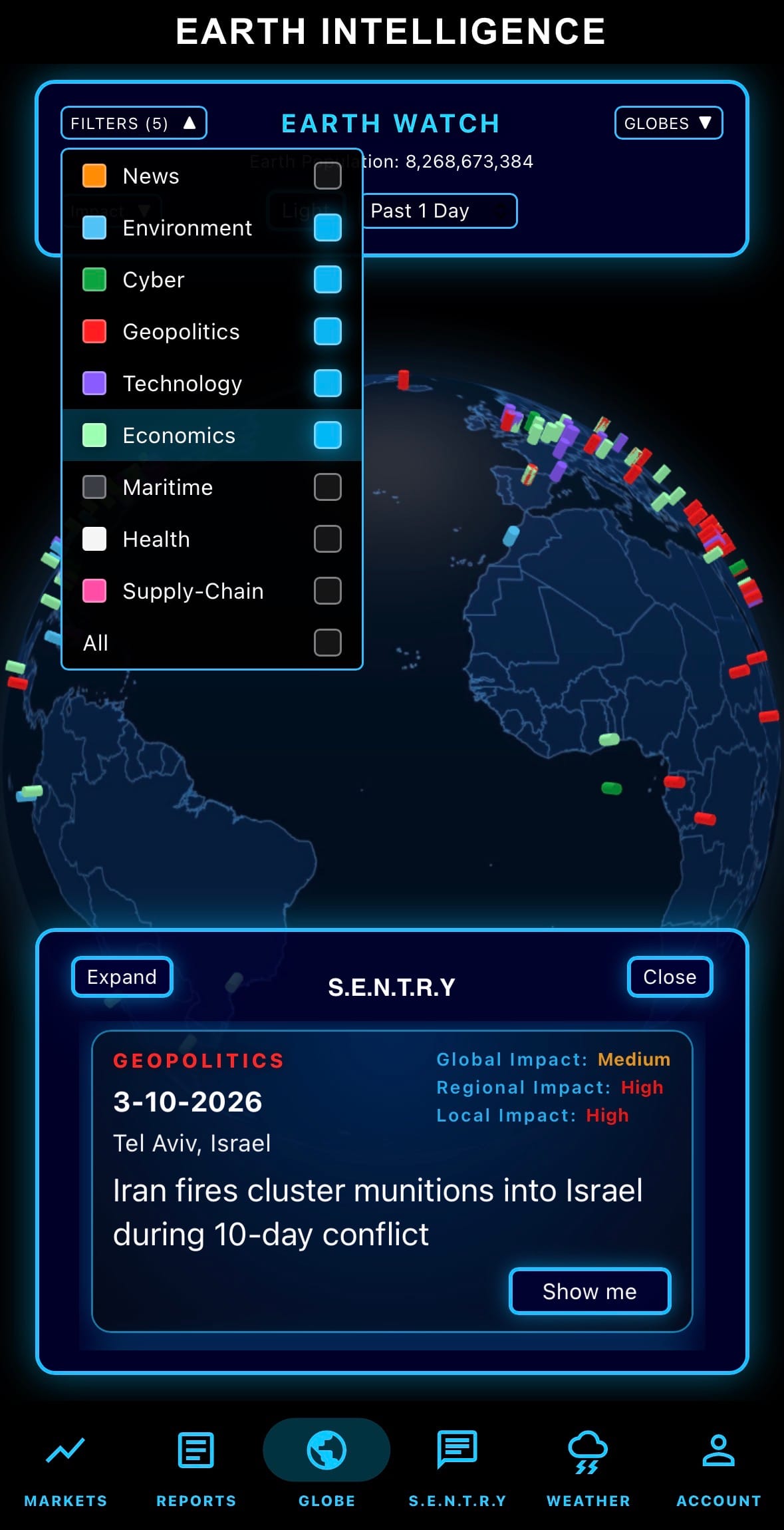
- Click below if you’d like to view our free EARTH WATCH globe:
- Download our mobile app:



Click below to view our previous newsletters:
Support/Suggestions Email:
support@earthintel.io