Monday☕️

Trending:
- As of April 13, 2026, the United States has imposed a naval blockade on the Strait of Hormuz, with U.S. forces now actively intercepting and turning away ships attempting to enter or leave Iranian ports.
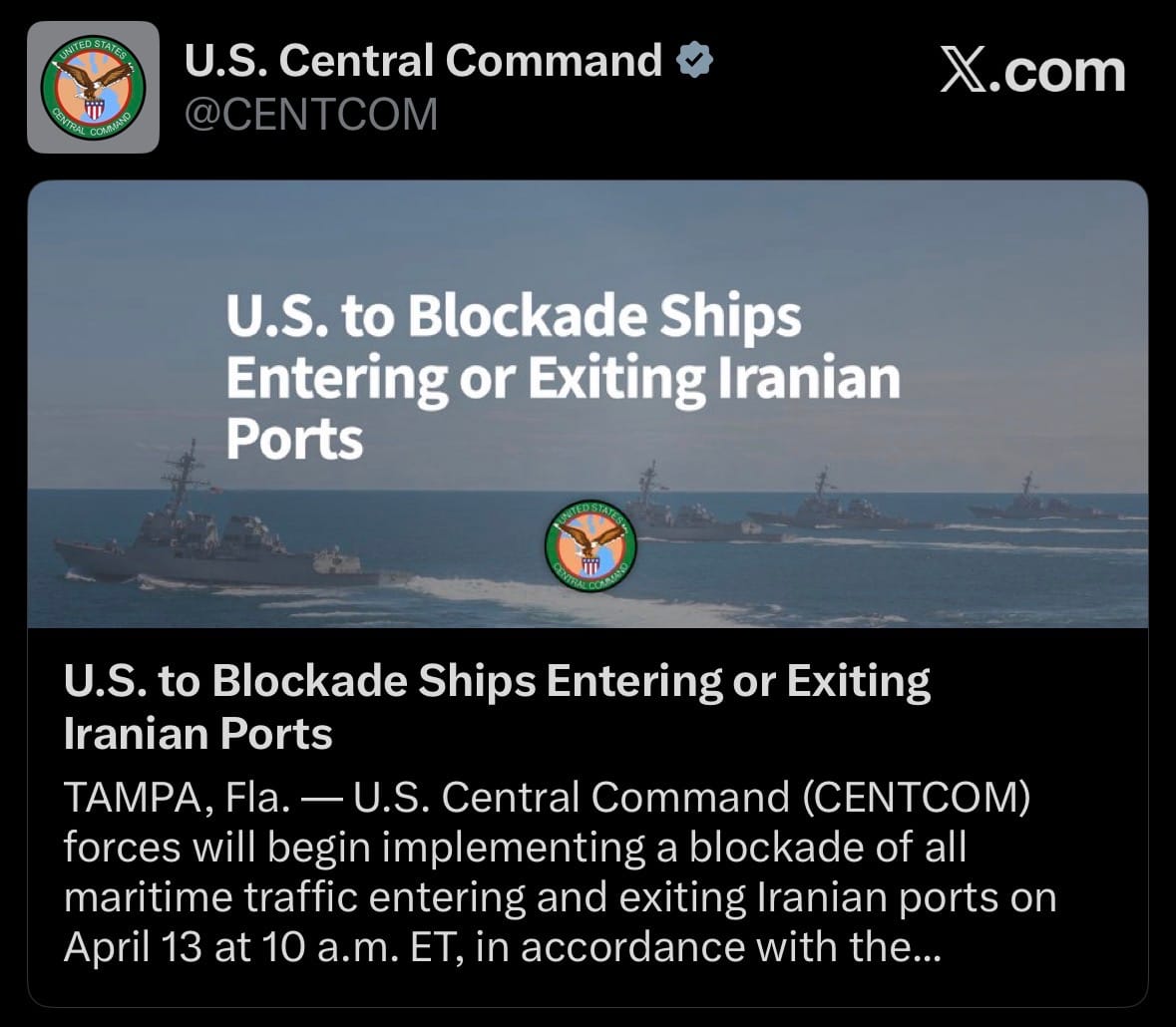
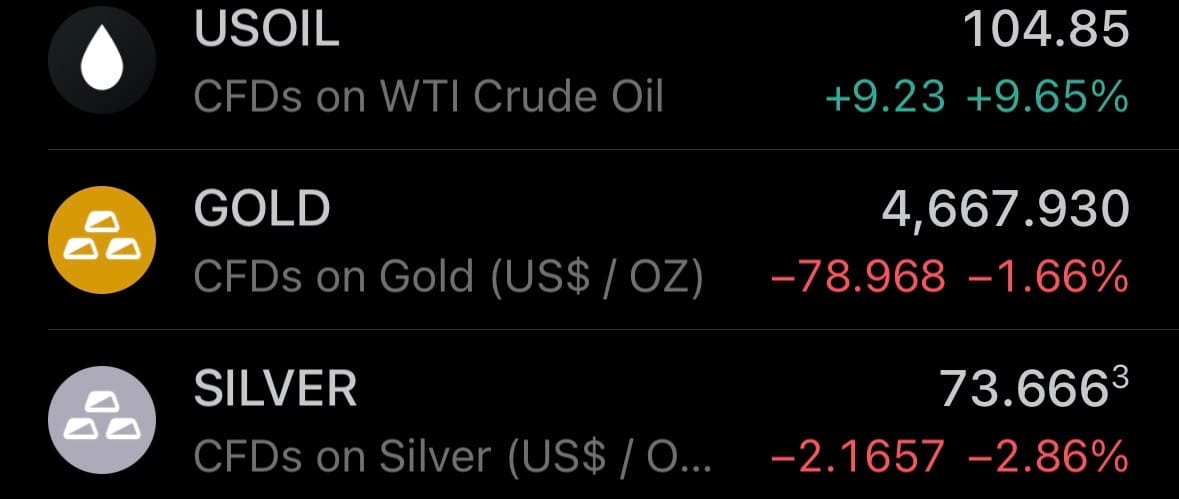
- This creates a rare dual blockade situation: Iran continues its own checkpoint system and selective blockade near Larak Island, while the U.S. Navy simultaneously enforces its own blockade to prevent ships from reaching Iran. Both sides are currently blocking traffic in the critical waterway, further strangling global oil and LNG flows. Oil prices surged sharply following the announcement.
Economics & Markets:
- Following the U.S. announcement of a naval blockade of the Strait of Hormuz, hundreds of empty supertankers are now converging on the U.S. Gulf Coast from multiple directions, with many vessels rerouting mid-ocean from Europe, Asia, and other regions.
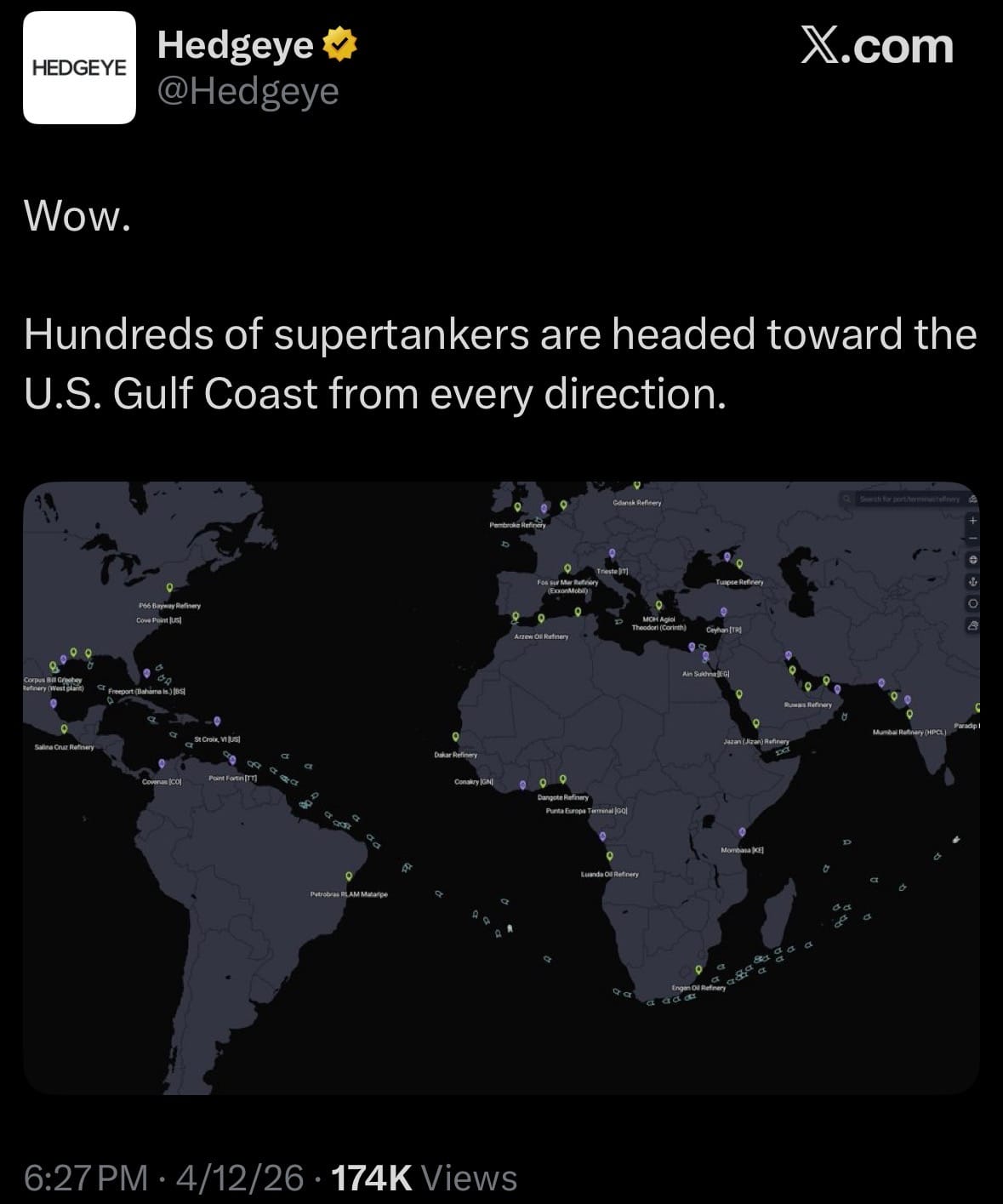
- This surge, including over 170 tankers already tracked heading to Texas and Louisiana ports, signals a major shift in global oil trade as buyers seek American crude amid disrupted Middle East supplies and rising prices.
Geopolitics & Military Activity:
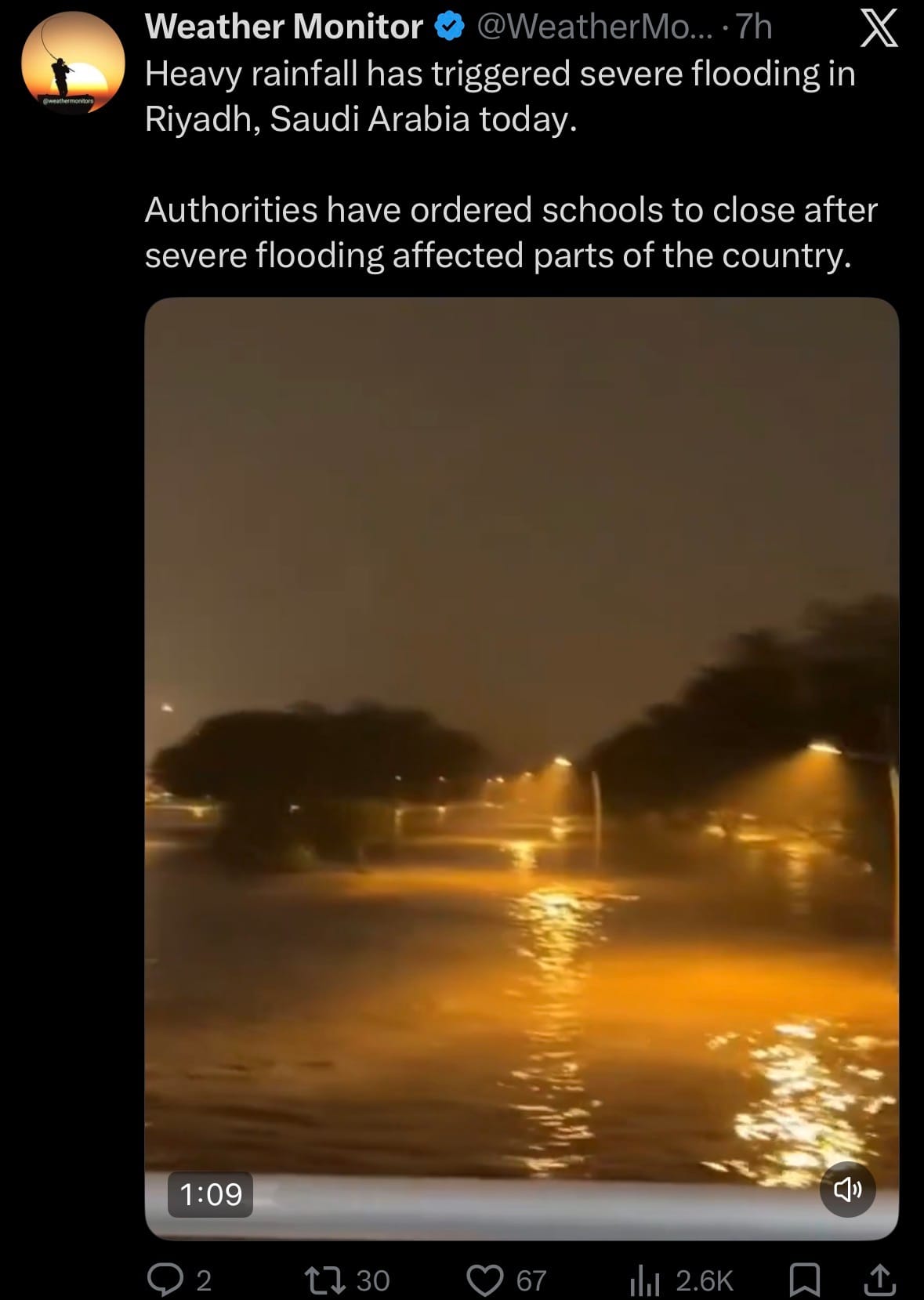
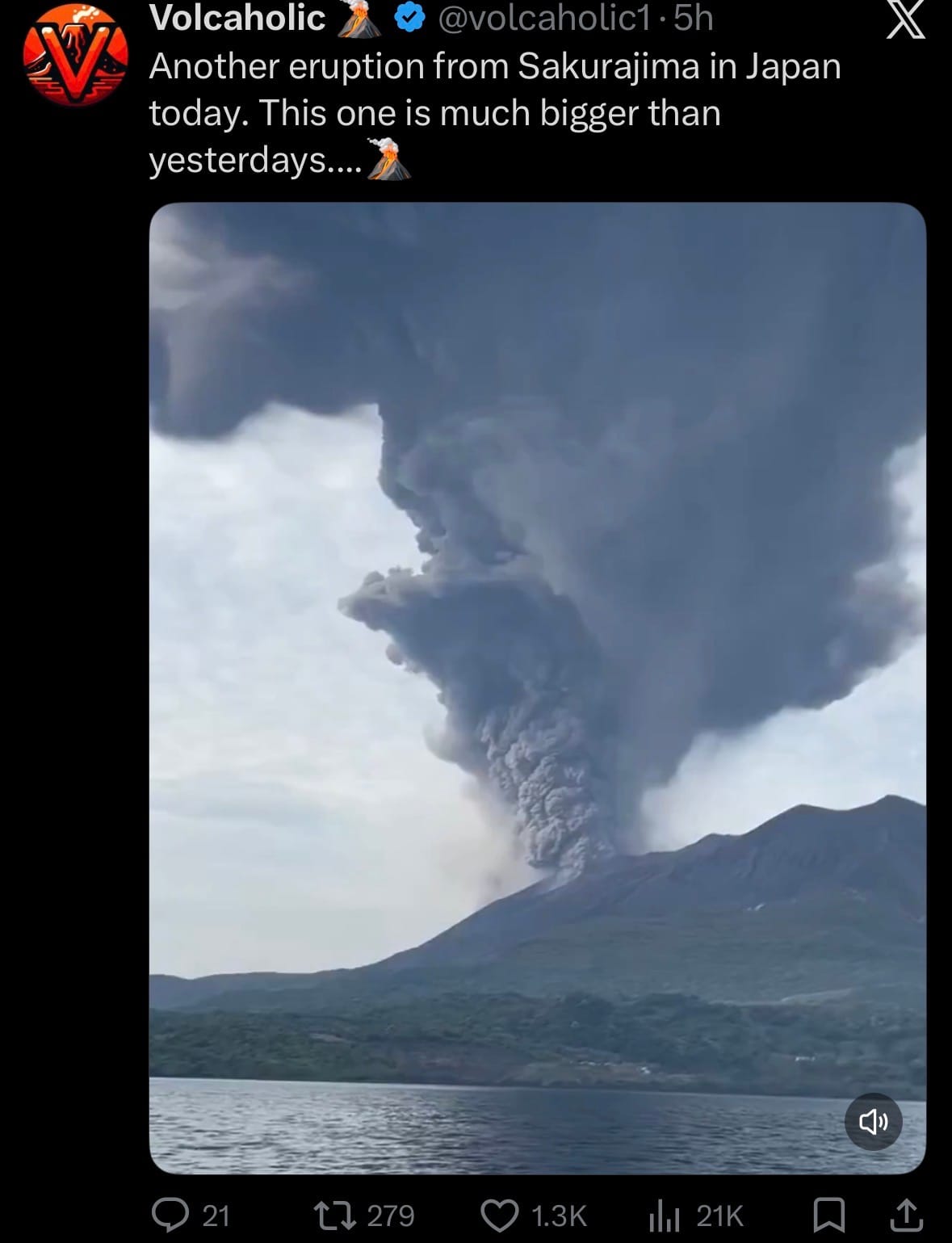
Environment & Weather:
Science & Technology:
- D-Robotics has raised $270 million in its Series B funding round to accelerate development of a unified software-hardware stack for robotics, featuring open-source foundation models, edge-cloud computing, and a single intelligence core that works across any robot form factor.

- This latest investment highlights the broader 2025–2026 trend of surging capital flowing into foundational robotics platforms and enabling technologies, as the industry sees rapid shipment growth (like D-Robotics’ 180% increase last year) and strong backing from major investors including Temasek, Hillhouse, Didi, and Yunfeng.
Space:
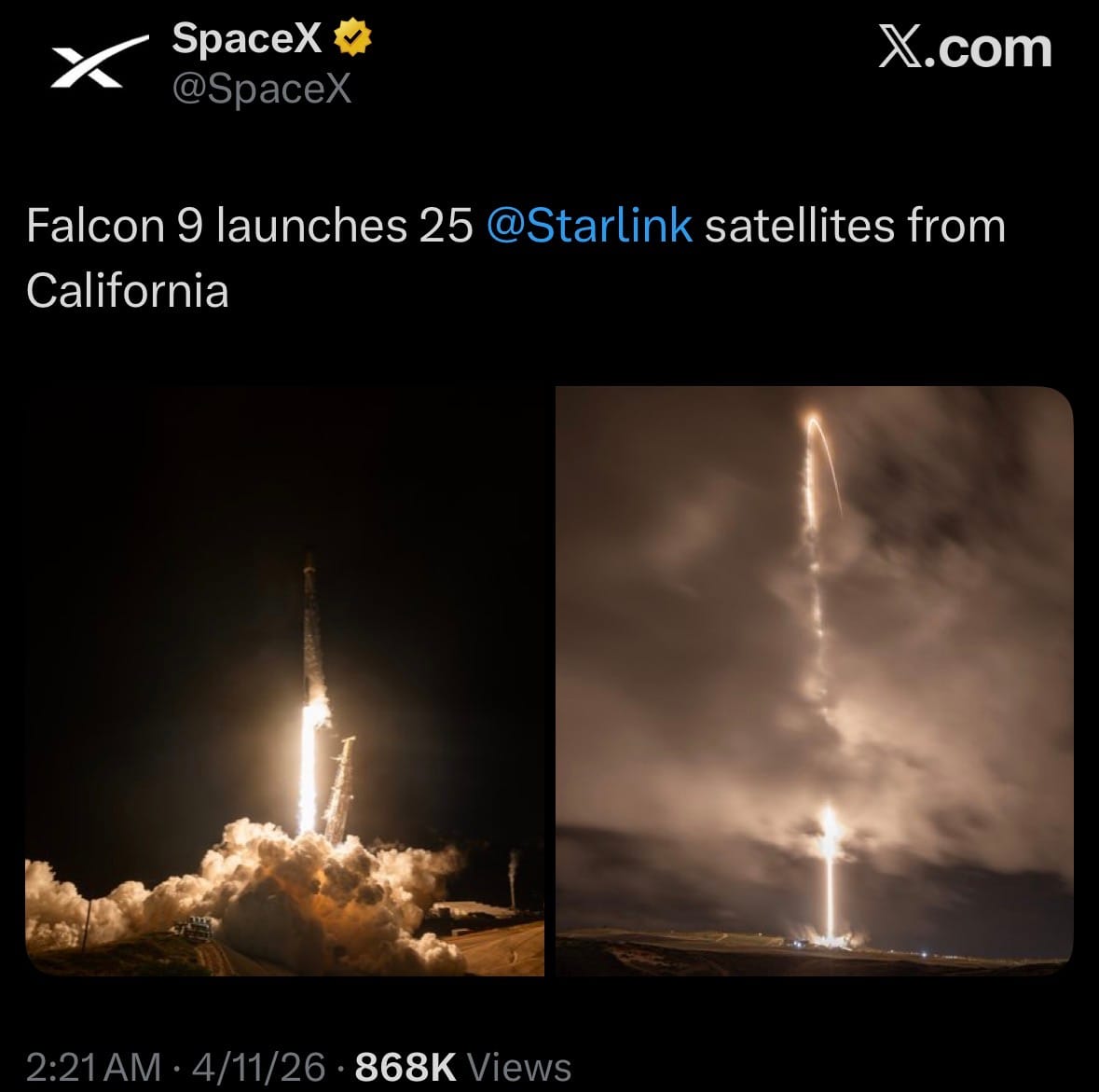
- On April 10, 2026, SpaceX launched a Falcon 9 rocket from Vandenberg Space Force Base in California, successfully deploying 25 Starlink satellites (Group 17-21) into low-Earth orbit.
- On April 11, 2026, China launched a Jielong 3 rocket from a sea platform near Haiyang, placing a SatNet test satellite into orbit to support future satellite internet development.
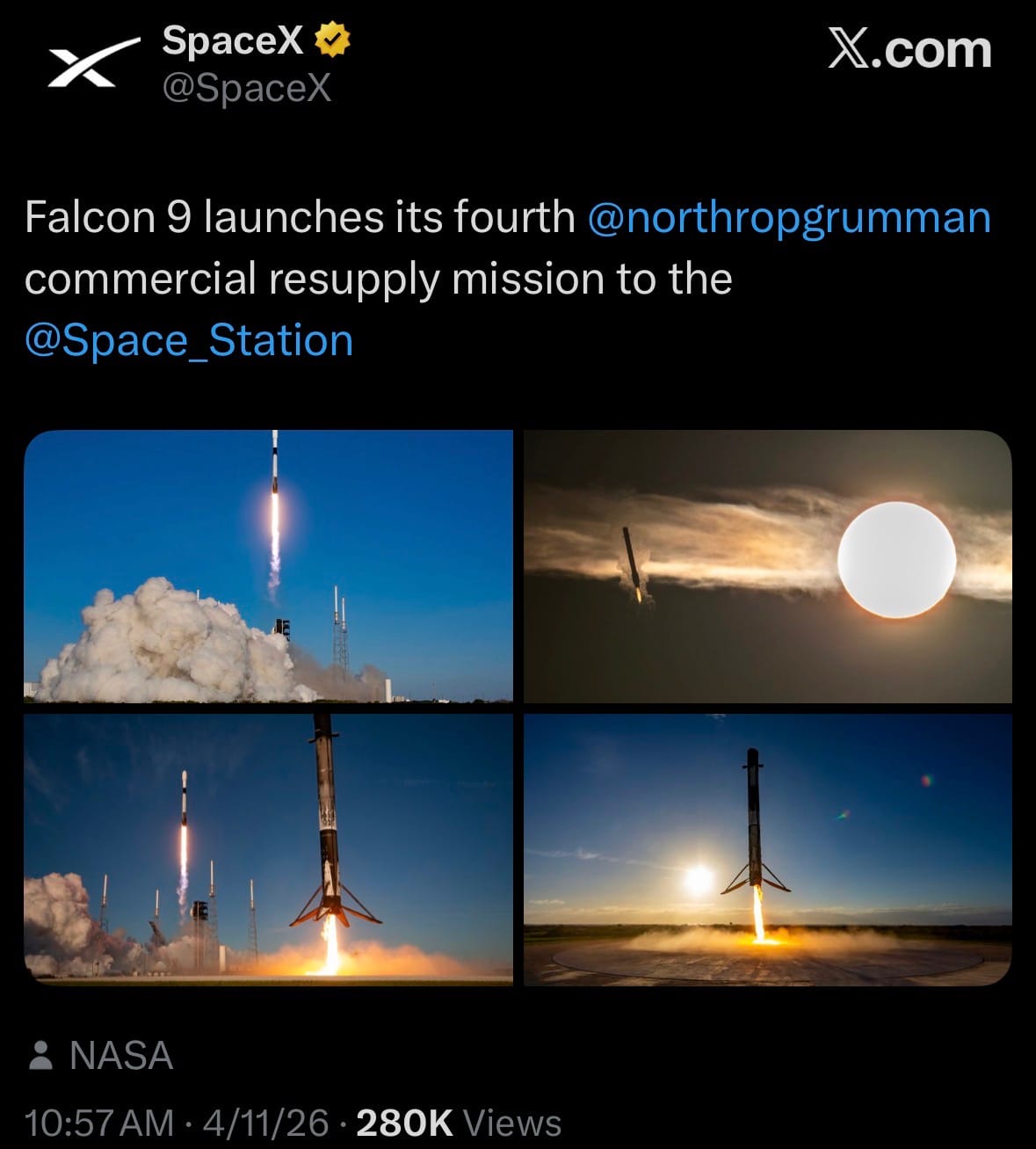
- Also on April 11, SpaceX launched another Falcon 9 from Cape Canaveral in Florida, carrying Northrop Grumman’s Cygnus NG-24 cargo spacecraft with supplies and experiments to the International Space Station.
Statistic:
- Largest assets on Earth by market capitalization:
- Gold: $32.627T
- 🇺🇸 NVIDIA: $4.584T
- Silver: $4.155T
- 🇺🇸 Apple: $3.828T
- 🇺🇸 Alphabet (Google): $3.819T
- 🇺🇸 Microsoft: $2.756T
- 🇺🇸 Amazon: $2.563T
- 🇹🇼 TSMC: $1.922T
- 🇺🇸 Broadcom: $1.761T
- 🇸🇦 Saudi Aramco: $1.750T
- 🇺🇸 Meta Platforms: $1.593T
- Bitcoin: $1.418T
- 🇺🇸 Tesla: $1.309T
- 🇺🇸 Berkshire Hathaway: $1.035T
- 🇺🇸 Walmart: $1.010T
- 🇰🇷 Samsung: $916.50B
- 🇺🇸 Vanguard S&P 500 ETF (VOO): $854.01B
- 🇺🇸 Eli Lilly: $840.84B
- 🇺🇸 JPMorgan Chase: $835.72B
- 🇺🇸 iShares Core S&P 500 ETF (IVV): $747.36B
- 🇺🇸 SPDR S&P 500 ETF (SPY): $689.19B
- 🇺🇸 Exxon Mobil: $633.91B
- 🇺🇸 Visa: $586.81B
- 🇺🇸 Vanguard Total Stock Market ETF (VTI): $585.40B
- 🇳🇱 ASML: $580.45B
History:
- Blockades have been used for thousands of years as a way to win wars without direct confrontation by cutting off an enemy’s access to food, trade, and reinforcements. In ancient times, powers like Athens during the Peloponnesian War (431–404 BC) used naval blockades to starve rival cities into surrender, proving that controlling sea routes could decide entire conflicts. This strategy expanded in the Middle Ages and early modern period, with examples like the Venetian maritime blockades dominating Mediterranean trade. By the Napoleonic Wars (early 1800s), blockades became global in scale—Britain’s Royal Navy enforced a massive blockade against France, while Napoleon attempted a counter-blockade through the Continental System, showing how blockades could target entire economies. In the American Civil War (1861–1865), the Union’s Anaconda Plan systematically shut down Confederate ports, crippling their ability to trade cotton for weapons and supplies. During World War I (1914–1918), Britain’s blockade of Germany restricted food and raw materials, contributing to widespread shortages and weakening the German war effort, while Germany responded with submarine warfare targeting Allied shipping. In World War II (1939–1945), blockades became fully industrialized and global, with Allied naval and submarine operations targeting Axis supply lines across the Atlantic and Pacific, while Japan was gradually strangled by U.S. naval dominance cutting off oil and resources. Moving into the Cold War, blockades became more controlled and strategic, such as the Berlin Blockade (1948–1949)—a land-based blockade—and the Cuban Missile Crisis (1962) naval quarantine, showing how blockades could be used as high-pressure tools without immediate escalation into full war.
- From the late 20th century into today, blockades have evolved into complex, layered systems that combine naval power with economic and technological control. Modern examples include the Gulf War (1990–1991) maritime interception operations against Iraq, ongoing blockades and restrictions around places like Gaza, and anti-piracy and enforcement operations in critical shipping lanes. By 2026, the situation in the Strait of Hormuz represents one of the most advanced and dangerous forms of blockade ever seen—a contested dual blockade over one of the most critical chokepoints on Earth, responsible for roughly 20% of global oil and LNG flow. Following escalating conflict in early 2026, Iran moved to control the strait internally using mines, drones, missile systems, patrol boats, and selective passage enforcement, effectively turning the waterway into a controlled gate where access is restricted and monitored. In response, as of April 12, 2026, the United States implemented its own blockade posture across the broader strait, with naval forces actively restricting and intercepting traffic at the entry and exit points, rather than just targeting Iranian ports. This creates a rare and highly unstable adversarial dual blockade, where Iran is controlling movement within the strait while the U.S. is controlling flow into and out of the strait itself. Ships now face layered enforcement from both sides, leading to delays, rerouting, and major disruption of global energy supply chains, causing sharp increases in oil prices. This marks the modern evolution of blockades: no longer just about stopping ships, but about competing for control over global economic arteries in real time, where access, movement, and flow of resources become the central battlefield.
Image of the day:

Thanks for reading! Earth is complicated, we make it simple.
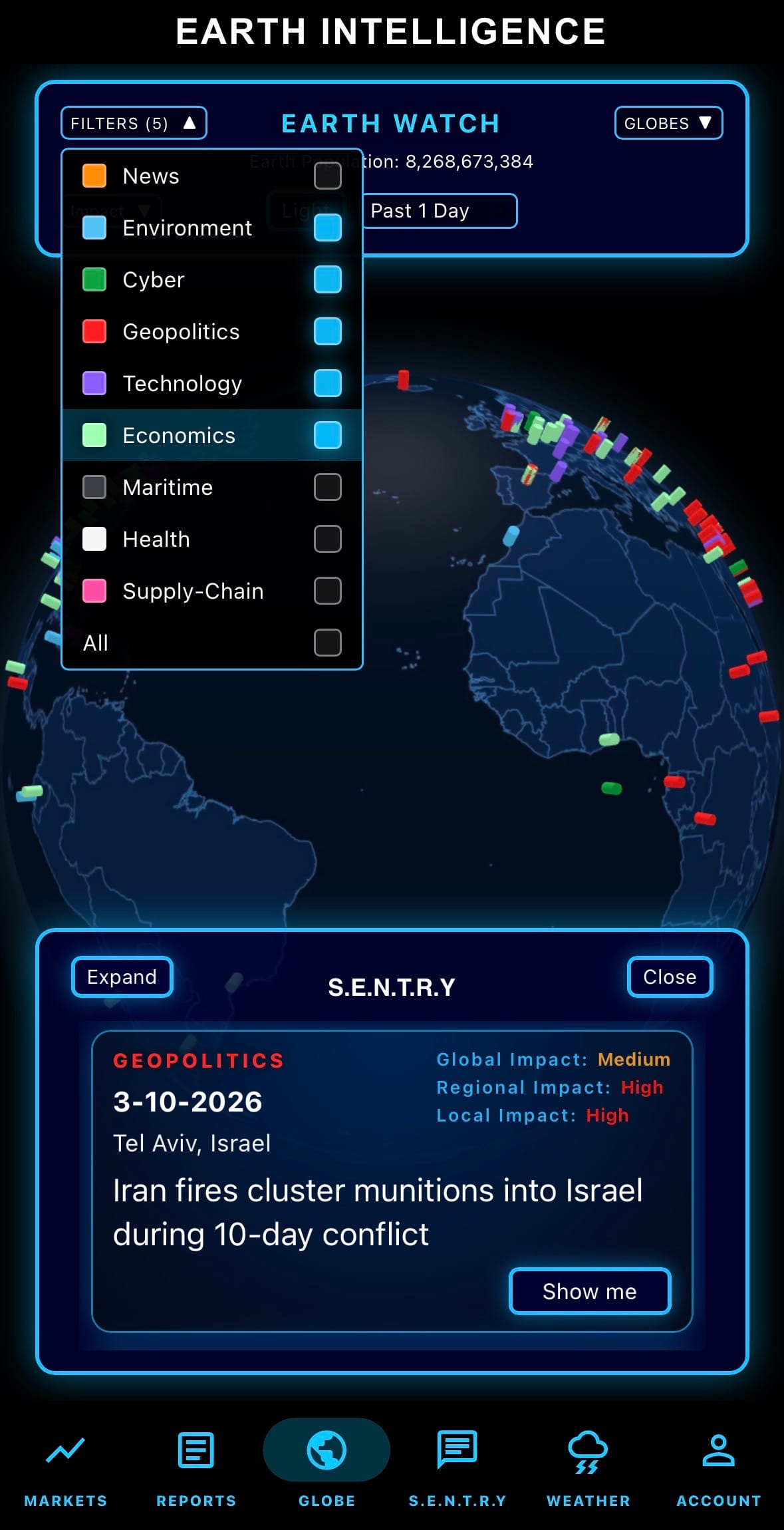
- Click below if you’d like to view our free EARTH WATCH globe:
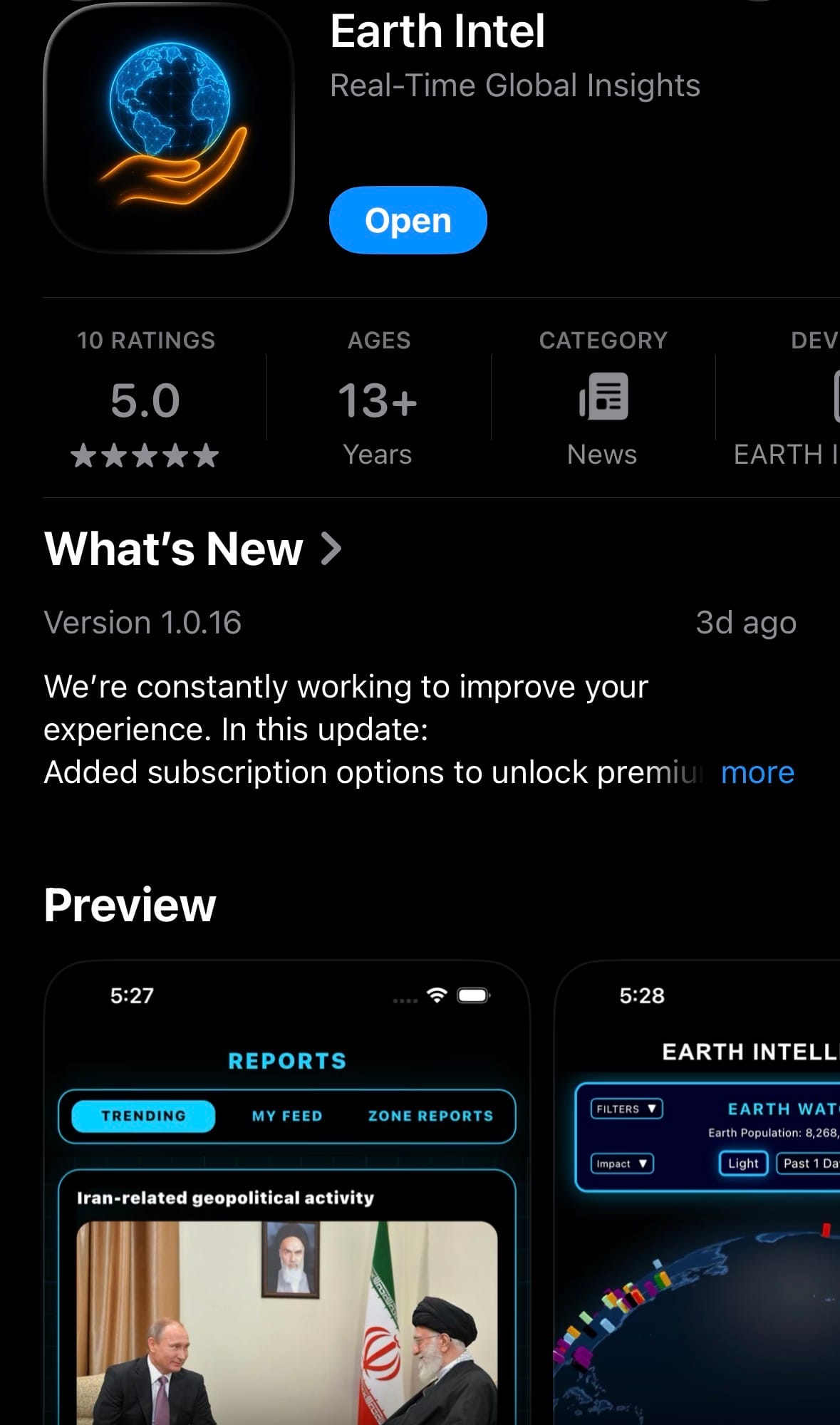
- Download our mobile app:


Click below to view our previous newsletters:
Support/Suggestions Email:
support@earthintel.io