Monday☕️


Trending:
- On June 21, 2026, Abelardo de la Espriella won Colombia’s presidential runoff with over 12.9 million votes.

- This is the highest number of votes ever received by a candidate in Colombian history, surpassing the previous record set by Gustavo Petro in 2022. The right-wing, Trump-backed outsider is on track to defeat leftist candidate Iván Cepeda, though outgoing President Petro has indicated he may not accept the results.
Economics & Markets:
- On June 22, 2026, China imposed sanctions and export controls on several U.S. companies.
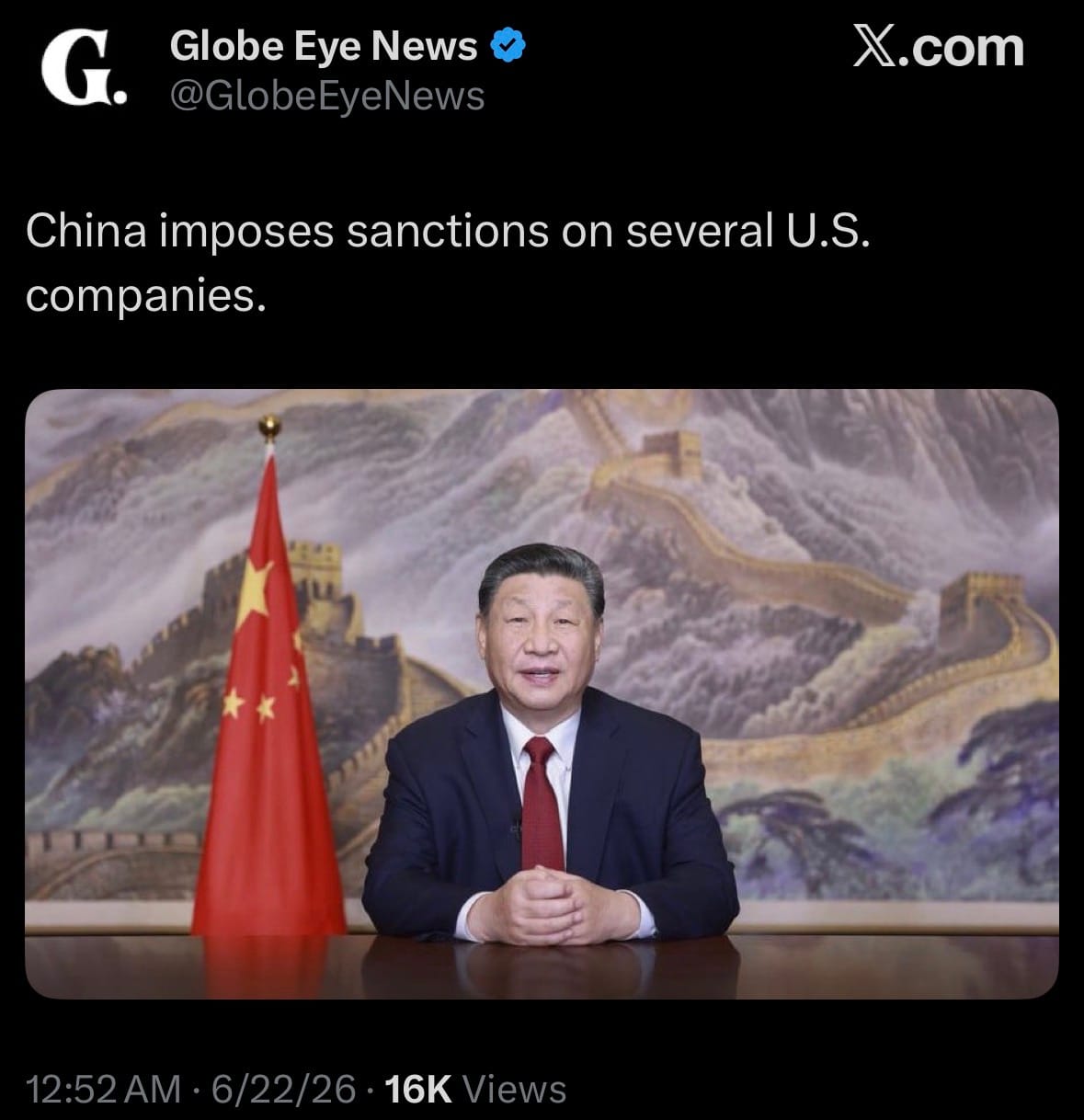
- The move is in direct retaliation for recent U.S. actions, including the Pentagon’s updated blacklist of major Chinese firms (such as Alibaba, Tencent, Baidu, and BYD) and other restrictions on Chinese tech and defense sectors. The affected American companies face procurement bans, export limits, and potential restrictions on doing business in China.
Geopolitics & Military Activity:
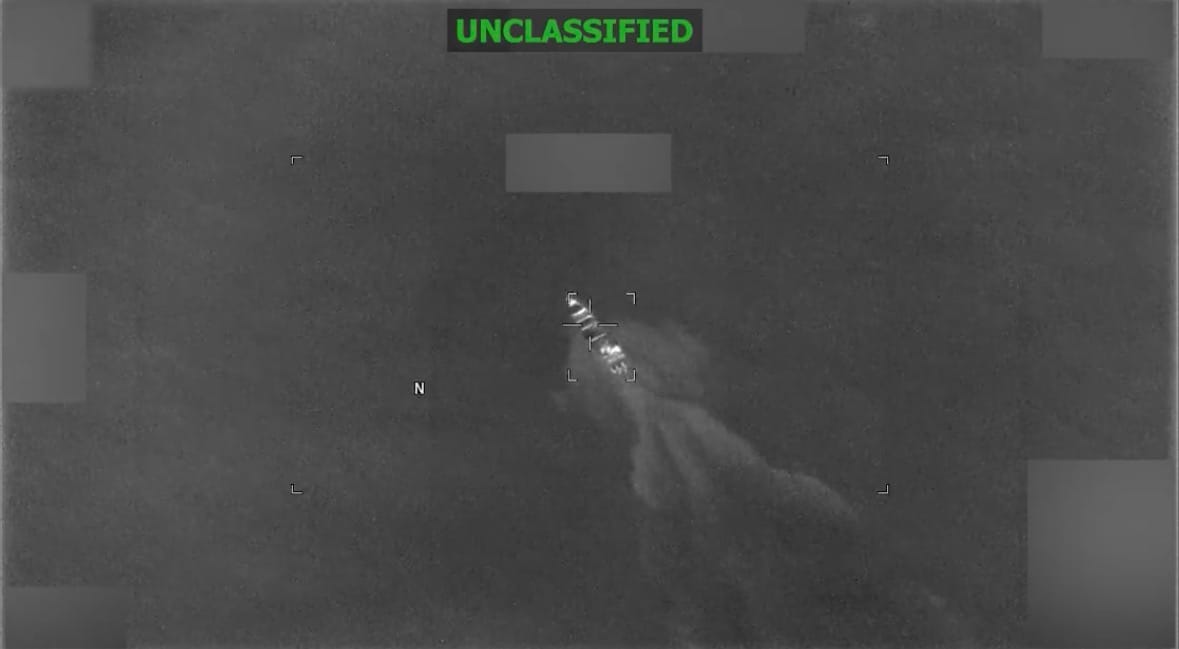
- On June 21, 2026, U.S. Joint Task Force Southern Spear carried out a lethal strike on a vessel linked to designated terrorist organizations in the Caribbean. The operation killed two narco-terrorists, left six survivors, and prompted immediate Coast Guard search and rescue.
Space:
- On June 21, 2026, SpaceX launched a Falcon 9 rocket from Vandenberg Space Force Base in California. The rocket successfully deployed 24 Starlink satellites into sun-synchronous orbit.
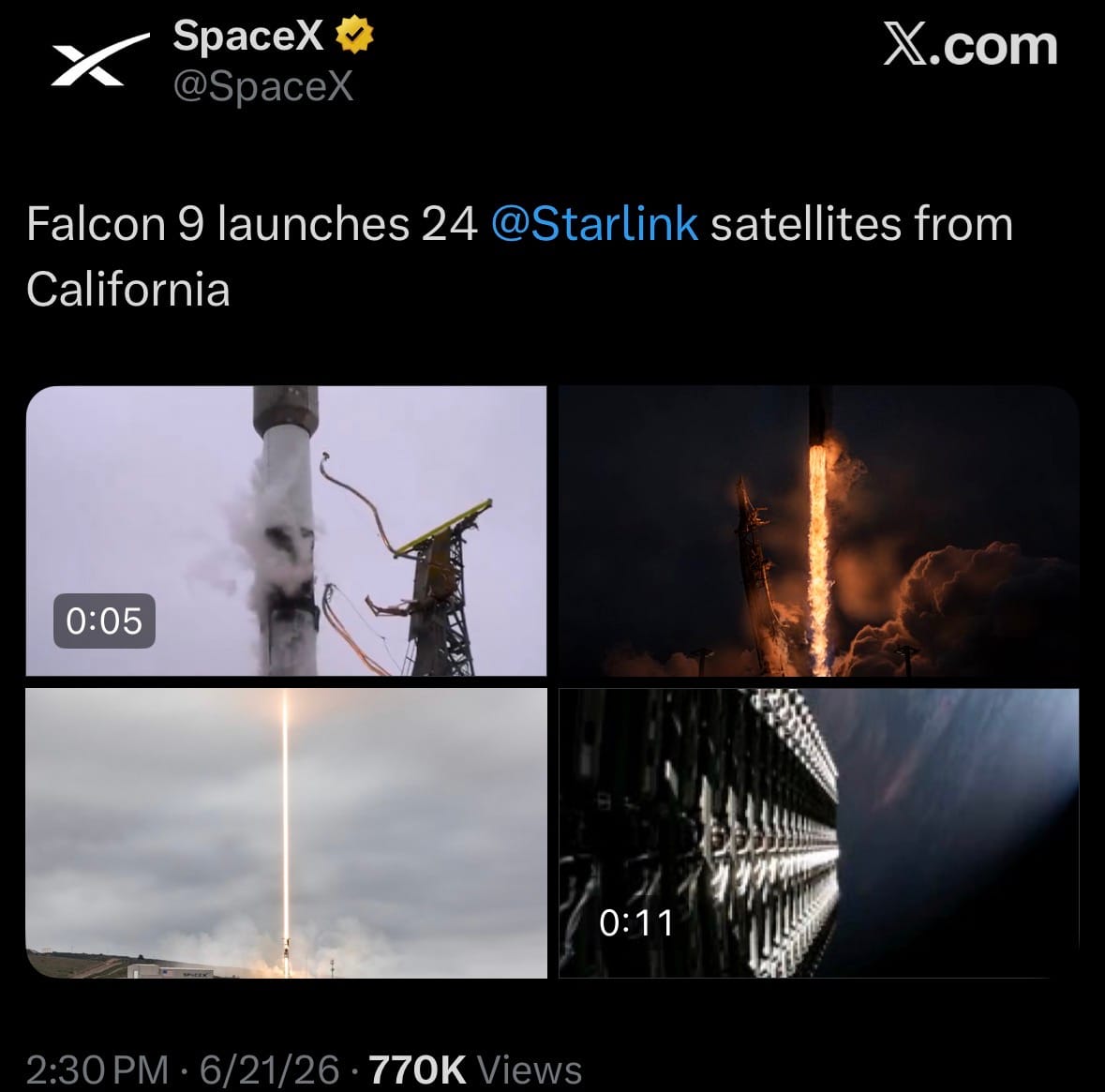
- The first-stage booster completed its 33rd flight and landed on the droneship Of Course I Still Love You.
Statistic:
- Largest public companies by market capitalization:
- 🇺🇸 NVIDIA: $5.103T
- 🇺🇸 Alphabet (Google): $4.483T
- 🇺🇸 Apple: $4.376T
- 🇺🇸 Microsoft: $2.818T
- 🇺🇸 Amazon: $2.628T
- 🇺🇸 SpaceX: $2.437T
- 🇹🇼 TSMC: $2.396T
- 🇺🇸 Broadcom: $1.957T
- 🇸🇦 Saudi Aramco: $1.705T
- 🇺🇸 Tesla: $1.504T
- 🇰🇷 Samsung: $1.488T
- 🇺🇸 Meta Platforms: $1.465T
- 🇰🇷 SK Hynix: $1.325T
- 🇺🇸 Micron Technology: $1.278T
- 🇺🇸 Berkshire Hathaway: $1.055T
- 🇺🇸 Eli Lilly: $979.64B
- 🇺🇸 Walmart: $932.52B
- 🇺🇸 AMD: $876.23B
- 🇺🇸 JPMorgan Chase: $871.43B
- 🇳🇱 ASML: $743.73B
- 🇺🇸 Intel: $673.43B
- 🇺🇸 Visa: $622.32B
- 🇺🇸 Exxon Mobil: $571.21B
- 🇺🇸 Johnson & Johnson: $549.78B
- 🇺🇸 Oracle: $530.02B
- 🇨🇳 Tencent: $505.64B
History:
- The Suez Canal is one of the most important strategic chokepoints ever built, connecting the Mediterranean Sea to the Red Sea and allowing ships to travel between Europe and Asia without sailing around Africa. The idea dates back over 4,000 years. Ancient Egyptian pharaohs such as Senusret III (c. 1850 BC) are believed to have built early canals connecting parts of the Nile River to the Red Sea. Later versions were expanded by Persian King Darius I (c. 500 BC) and used by the Greeks and Romans. These ancient canals eventually fell into disrepair and disappeared. The modern canal was championed by French diplomat Ferdinand de Lesseps, and construction began in 1859 under Egypt’s ruler Said Pasha. After ten years of construction involving over 1.5 million workers, the canal officially opened on November 17, 1869. Stretching approximately 193 kilometers (120 miles), it instantly transformed global trade. A voyage from London to India could now be shortened by thousands of miles, making the canal one of the most valuable pieces of infrastructure on Earth. Initially controlled by French interests, Britain purchased a major stake in 1875 and effectively dominated the canal for decades because it was the lifeline connecting Britain to India and its wider empire.
- The canal became a major geopolitical flashpoint throughout the 20th century. During World War I (1914–1918) and World War II (1939–1945), Britain heavily defended the canal because losing it could cripple Allied logistics. The most famous crisis occurred in 1956, when Egyptian President Gamal Abdel Nasser nationalized the canal after the United States and Britain withdrew funding for the Aswan Dam. In response, Britain, France, and Israel launched military operations against Egypt in what became known as the Suez Crisis. Although the invasion initially achieved military objectives, intense pressure from the United States and Soviet Union forced a withdrawal. The crisis marked the decline of British and French imperial influence and confirmed Egypt’s control over the canal. During the Six-Day War (1967) between Israel and Arab states, the canal was closed and remained shut for eight years, becoming a heavily fortified front line between Egyptian and Israeli forces. It finally reopened in 1975 following the Yom Kippur War (1973) and subsequent peace efforts. Throughout the Cold War and beyond, the canal remained one of the most strategically important waterways in the world because it linked Europe, the Middle East, Asia, and East Africa through a single route.
- By 2026, the Suez Canal remains one of the most critical trade arteries on Earth. Roughly 10–15% of global trade and a significant share of global oil, LNG, container shipping, and manufactured goods pass through it annually. In 2015, Egypt completed a major expansion project to increase traffic capacity and reduce transit times. The canal’s importance was dramatically highlighted in March 2021, when the container ship Ever Given became stuck and blocked traffic for six days, disrupting hundreds of billions of dollars in global commerce and exposing how dependent the world economy is on a single waterway. More recently, attacks on shipping in the Red Sea and Bab el-Mandeb Strait (2023–2026) have forced some vessels to avoid the route entirely and sail around Africa, increasing costs and transit times. Today, the Suez Canal is not simply an Egyptian infrastructure project—it is a strategic asset that influences global trade, energy markets, military logistics, supply chains, and geopolitics. Alongside the Strait of Hormuz, Strait of Malacca, and Panama Canal, it remains one of the most important chokepoints in the world, demonstrating how a narrow passage can shape the movement of commerce and power across entire continents.
Image of the day:

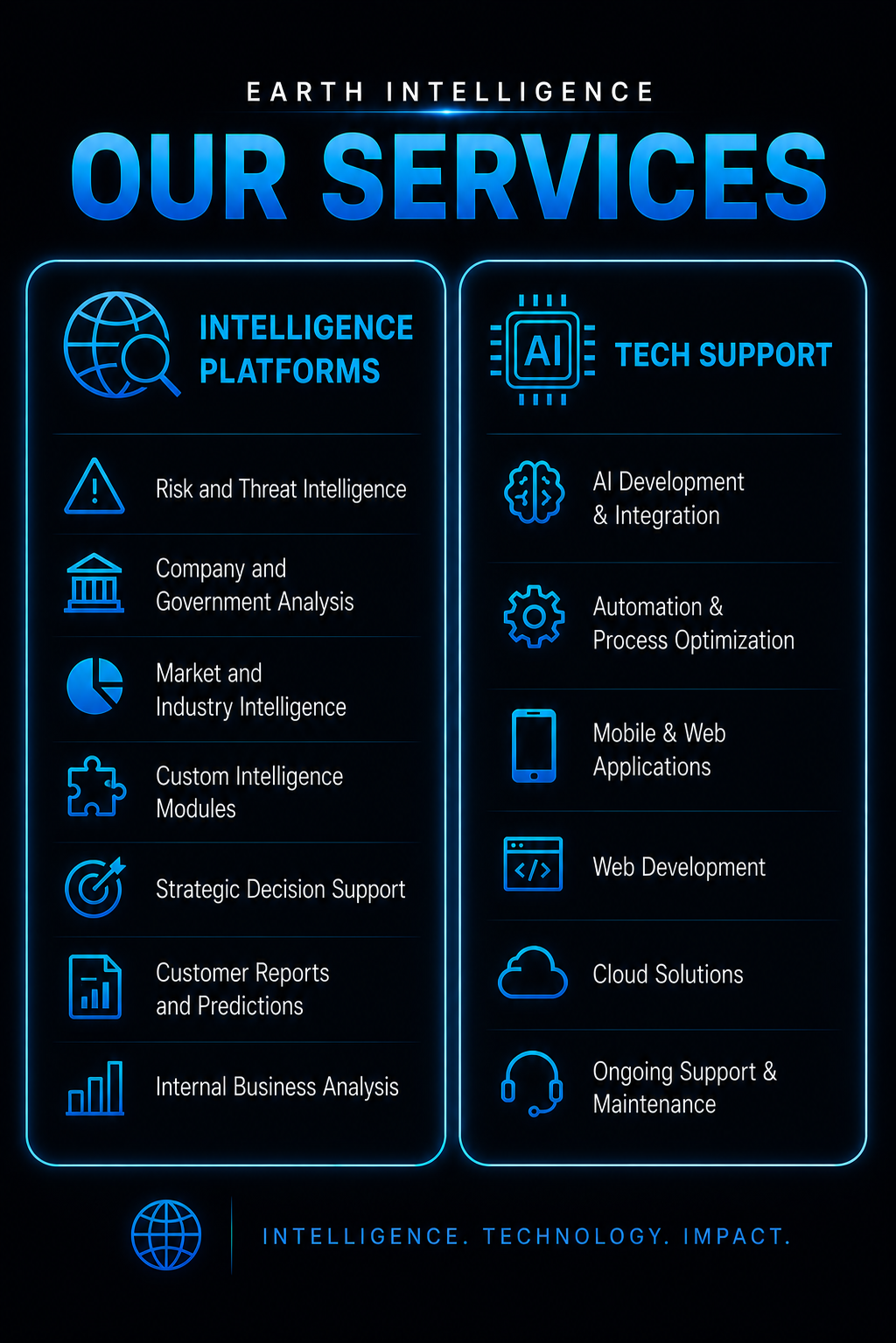
Thanks for reading! Earth is complicated, we make it simple.
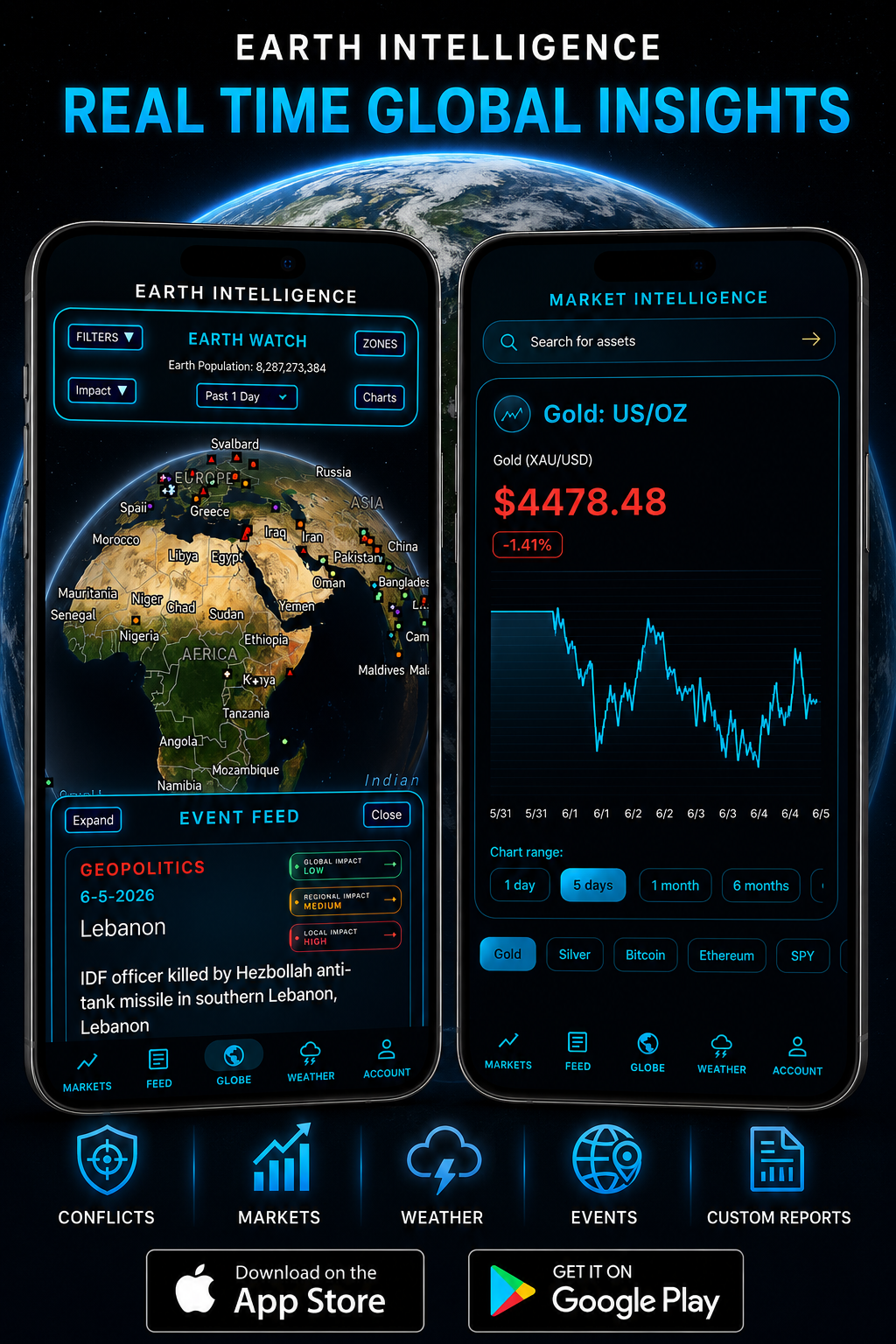
- Download our mobile app:

Click below to view our previous newsletters:
Support/Suggestions Email:
support@earthintel.io