Monday☕️

Trending:
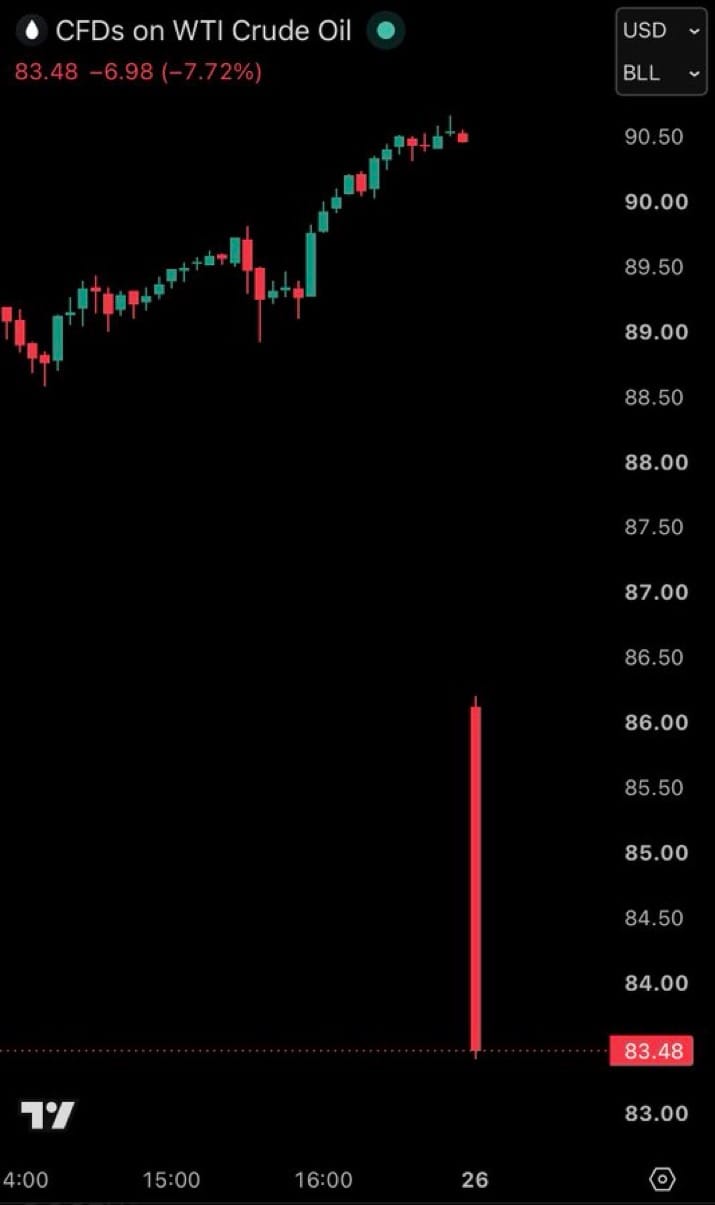
- Yesterday, U.S. oil prices (WTI crude) crashed more than 8% as markets reacted to the halt in U.S. and Iranian military strikes and emerging reports of new negotiations. The sharp drop reflects reduced fears of further disruption to oil flows through the Strait of Hormuz, with prices pulling back from recent multi-month highs.
Economics & Markets:
- Defense technology company Anduril is reportedly in talks to raise a new funding round that could value it at around $100 billion, up sharply from its most recent $61 billion valuation after a $5 billion raise in May.
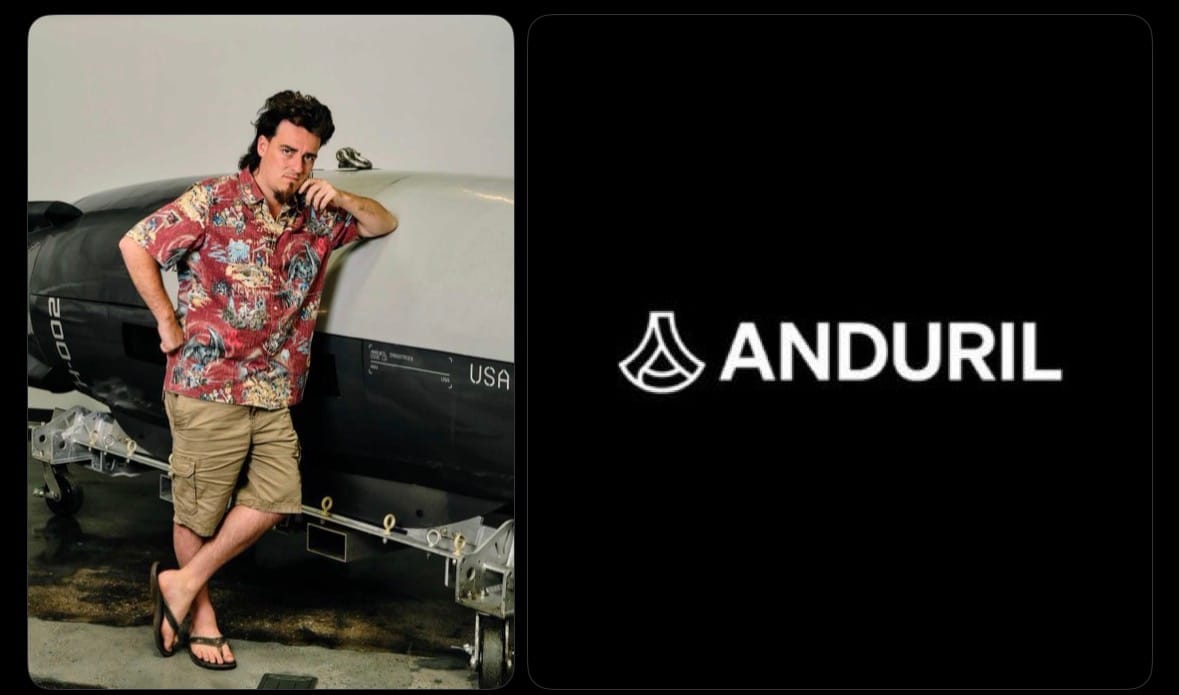
- Every Anduril product runs on Lattice OS, a unified autonomy software layer that powers its drones, submarines, and surveillance systems and functions as an operating system for modern warfare.
Geopolitics & Military Activity:
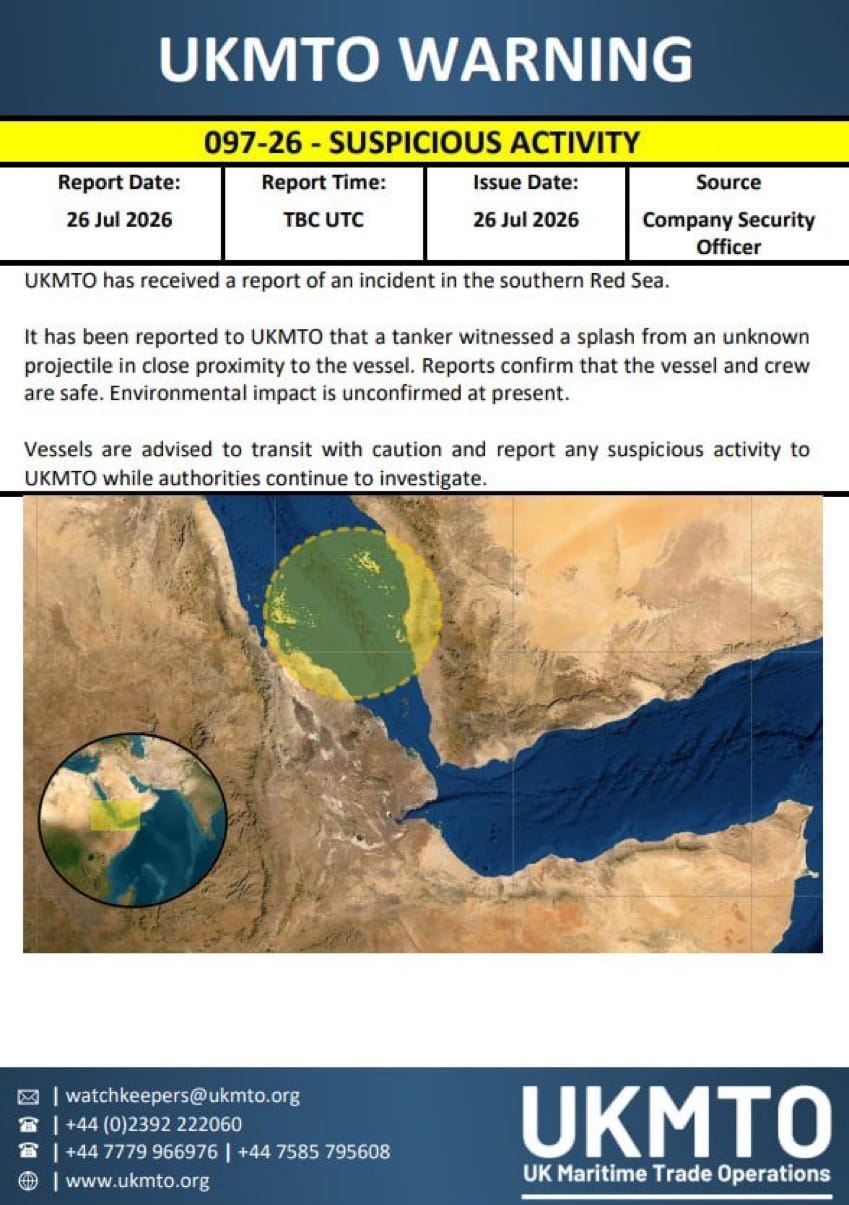
- July 26, 2026: UK Maritime Trade Operations confirmed a tanker in the southern Red Sea near Bab al-Mandeb reported a splash from an unknown projectile, with the crew and vessel safe and no damage reported amid the widening Saudi-Houthi maritime conflict.
- Separately, Iranian state media claimed an oil tanker exploded in the Strait of Hormuz after striking a naval mine, though the report remains unverified with no independent confirmation and appears framed as a warning to ships not coordinating with Iran.
U.S. CENTCOM Update:
- The U.S. naval blockade against Iran remains fully in effect, with CENTCOM reporting it has redirected 12 commercial vessels attempting to run the blockade, disabled 2 that refused to comply, and boarded 2 others to enforce total compliance.
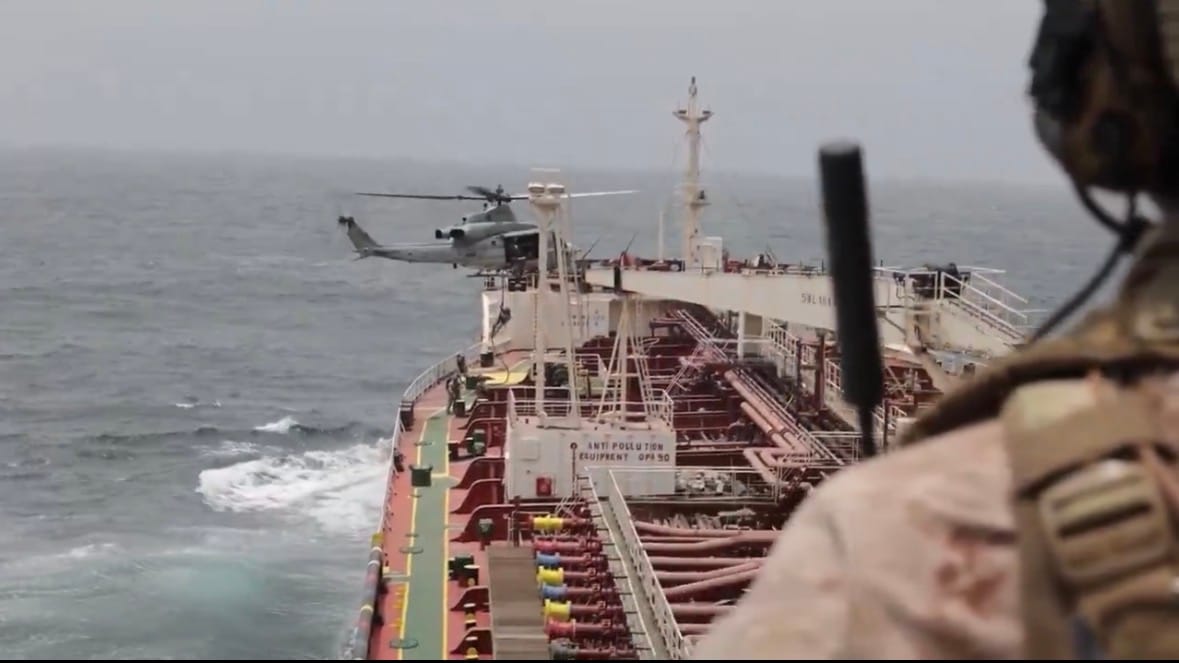
- On Saturday, U.S. forces completed a verification boarding of the Comoros-flagged tanker M/T Charminar in the Arabian Sea (now continuing its journey), after disabling the Mozambique-flagged M/T Lavine in the Gulf of Oman on July 24 for repeatedly ignoring warnings and attempting to breach the blockade.
Space:
- July 25, 2026: SpaceX successfully launched Starlink Group 17-51, sending 24 Starlink v2 Mini satellites into low Earth orbit aboard a Falcon 9 rocket from Vandenberg Space Force Base in California.
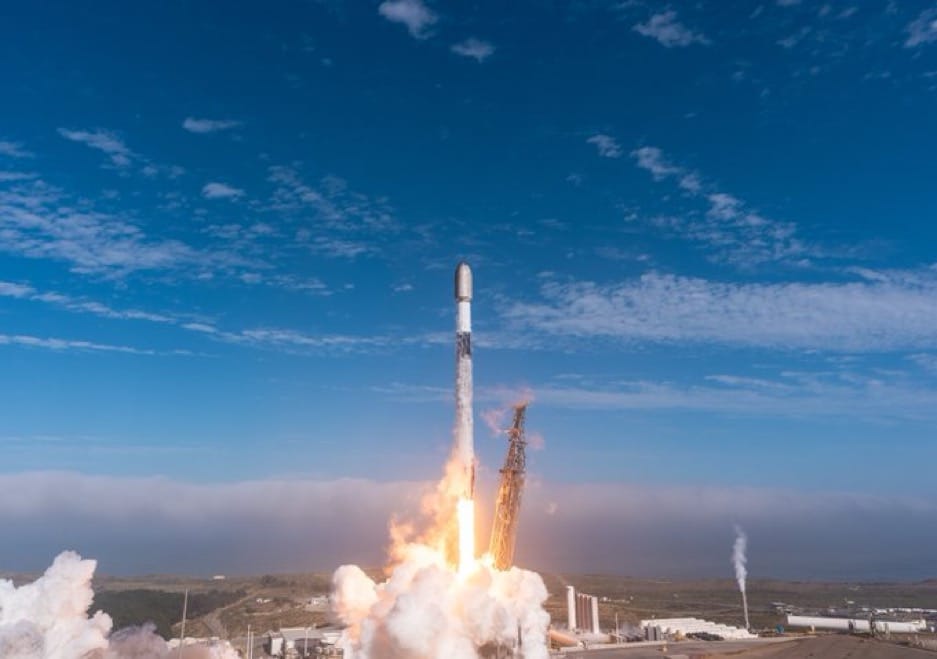
- The first-stage booster completed its eighth flight and landed successfully on the droneship “Of Course I Still Love You” in the Pacific Ocean, continuing SpaceX’s rapid cadence of Starlink constellation deployments.
Statistic:
- Largest public German companies on Earth by market capitalization:
- 🇩🇪 Siemens: $236.72B
- 🇩🇪 SAP: $188.62B
- 🇩🇪 Allianz SE: $184.67B
- 🇩🇪 Siemens Energy: $146.11B
- 🇩🇪 Deutsche Telekom: $145.54B
- 🇩🇪 Infineon: $95.41B
- 🇩🇪 Munich RE: $74.25B
- 🇩🇪 DHL Group (Deutsche Post): $72.77B
- 🇩🇪 Merck KGaA: $68.96B
- 🇩🇪 Deutsche Bank: $66.31B
- 🇩🇪 E.ON: $58.37B
- 🇩🇪 Rheinmetall: $54.87B
- 🇩🇪 Deutsche Börse: $53.04B
- 🇩🇪 Bayer: $51.58B
- 🇩🇪 BASF: $48.96B
- 🇩🇪 Mercedes-Benz: $48.86B
- 🇩🇪 RWE: $47.83B
- 🇩🇪 Commerzbank: $45.86B
- 🇩🇪 Porsche: $45.42B
- 🇩🇪 Siemens Healthineers: $44.73B
- 🇩🇪 Volkswagen: $40.83B
- 🇩🇪 Daimler Truck: $39.81B
- 🇩🇪 BMW: $38.94B
- 🇩🇪 Hochtief: $38.34B
- 🇩🇪 Adidas: $35.09B
- 🇩🇪 Hannover Rück: $34.80B
History:
- Palmer Luckey’s path to Anduril began with virtual reality. As a teenager, he collected and modified head-mounted displays before developing an early prototype of the Oculus Rift, leading him to found Oculus VR in 2012. A successful Kickstarter campaign helped revive consumer interest in virtual reality, and in 2014 Facebook acquired Oculus for $2 billion. Luckey remained at Facebook until 2017, when he left following controversy surrounding his donation to Nimble America, a pro-Donald Trump political organization. Luckey has consistently said his political views led to his departure, while Meta has denied that politics were the reason. Shortly afterward, Luckey partnered with Trae Stephens, Brian Schimpf, Matt Grimm, and Joe Chen to found Anduril Industries in 2017. Named after the sword Andúril from The Lord of the Rings, the company set out to modernize defense technology by applying Silicon Valley’s rapid development model to national security. Rather than waiting years for government requirements before designing products, Anduril adopted a “build first, then sell” philosophy, privately funding new technologies, proving they worked, and then offering finished systems to governments. This approach contrasted sharply with the traditional defense contracting model and quickly attracted attention from the U.S. Department of Defense and allied nations.
- At the center of Anduril’s technology ecosystem is Lattice, an artificial intelligence software platform that connects drones, radar, cameras, autonomous vehicles, sensors, and command centers into a single real-time operating picture. Around this software foundation, Anduril has developed an expanding family of autonomous systems including Ghost reconnaissance drones, Altius loitering munitions, Anvil counter-drone interceptors, Roadrunner reusable autonomous interceptor aircraft, Barracuda autonomous cruise missiles, Fury autonomous combat aircraft for the U.S. Air Force’s Collaborative Combat Aircraft program, Dive-LD autonomous underwater vehicles capable of operating at depths of approximately 6,000 meters, and Ghost Shark, an extra-large autonomous submarine developed with Australia. The company has also expanded through acquisitions including Dive Technologies, Area-I, Blue Force Technologies, Adranos, and Klas, allowing it to rapidly enter underwater systems, autonomous aircraft, rocket propulsion, communications, and advanced manufacturing. Major contracts have included a $1 billion U.S. Special Operations Command counter-drone integration program, while Australia committed approximately A$1.7 billion toward the Ghost Shark submarine program. To support future production, Anduril is constructing Arsenal-1, a manufacturing complex in Ohio designed to produce tens of thousands of autonomous systems annually using highly automated production methods.
- Few defense companies have grown as quickly as Anduril. Founded in 2017, the company reached a $14 billion valuation in 2024, then a $61 billion valuation in May 2026, and by July 2026 was reportedly in discussions to raise funding at approximately a $100 billion valuation, placing it among the world’s most valuable defense companies despite remaining privately held. For comparison, as of July 2026, RTX had a market capitalization of approximately $287 billion, Boeing approximately $165 billion, Lockheed Martin approximately $134 billion, General Dynamics approximately $105 billion, Northrop Grumman approximately $77 billion, L3Harris Technologies approximately $56 billion, and Huntington Ingalls Industries approximately $11 billion. If Anduril reaches a $100 billion valuation, it would be valued similarly to General Dynamics and above Northrop Grumman and L3Harris, despite being less than a decade old. Its rapid rise reflects a broader shift in defense technology toward artificial intelligence, autonomy, software-defined warfare, mass-producible autonomous weapons, and rapid commercial-style innovation. Rather than competing solely as another defense contractor, Anduril aims to become a technology company that happens to build military systems, reshaping how modern defense equipment is designed, manufactured, and deployed for the United States and its allies.
Image of the day:

Thanks for reading! Earth is complicated, we make it simple.
- Download our mobile app:


Click below to view our previous newsletters:

Support/Suggestions Email:
support@earthintel.io