Monday☕️🌎

Trending:
- September 5, 2026 — Manjit Singh Bedi, one of the FBI’s Most Wanted Fraudsters, was arrested in India after nearly a year on the run and is accused of stealing at least $600,000 from the U.S. SNAP food-assistance program through a grocery store he operated in Tacoma, Washington.
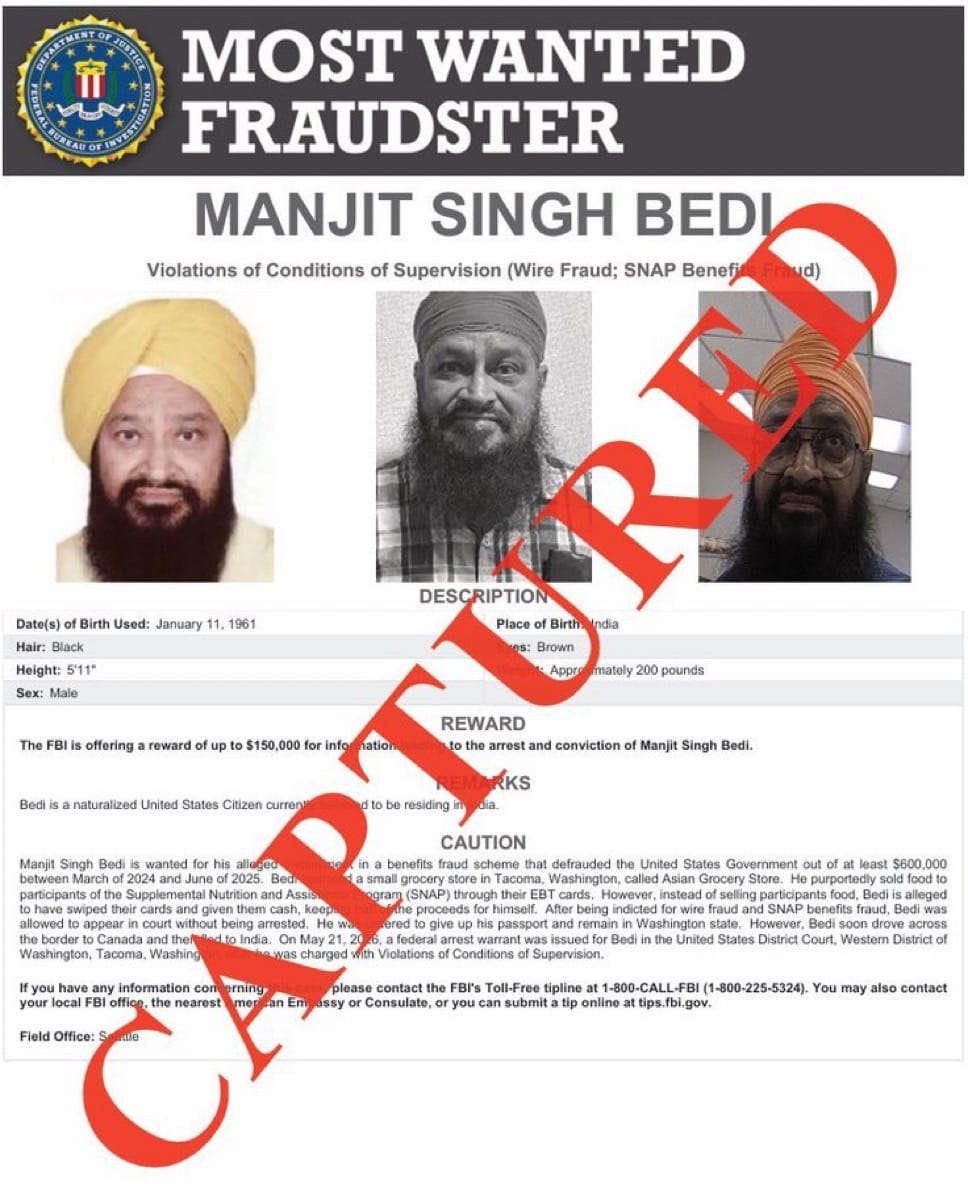
- He allegedly exchanged customers’ SNAP benefits for cash and kept about half for himself before fleeing through Canada to India; the FBI is now working to return him to the United States to face charges.
Economics & Markets:
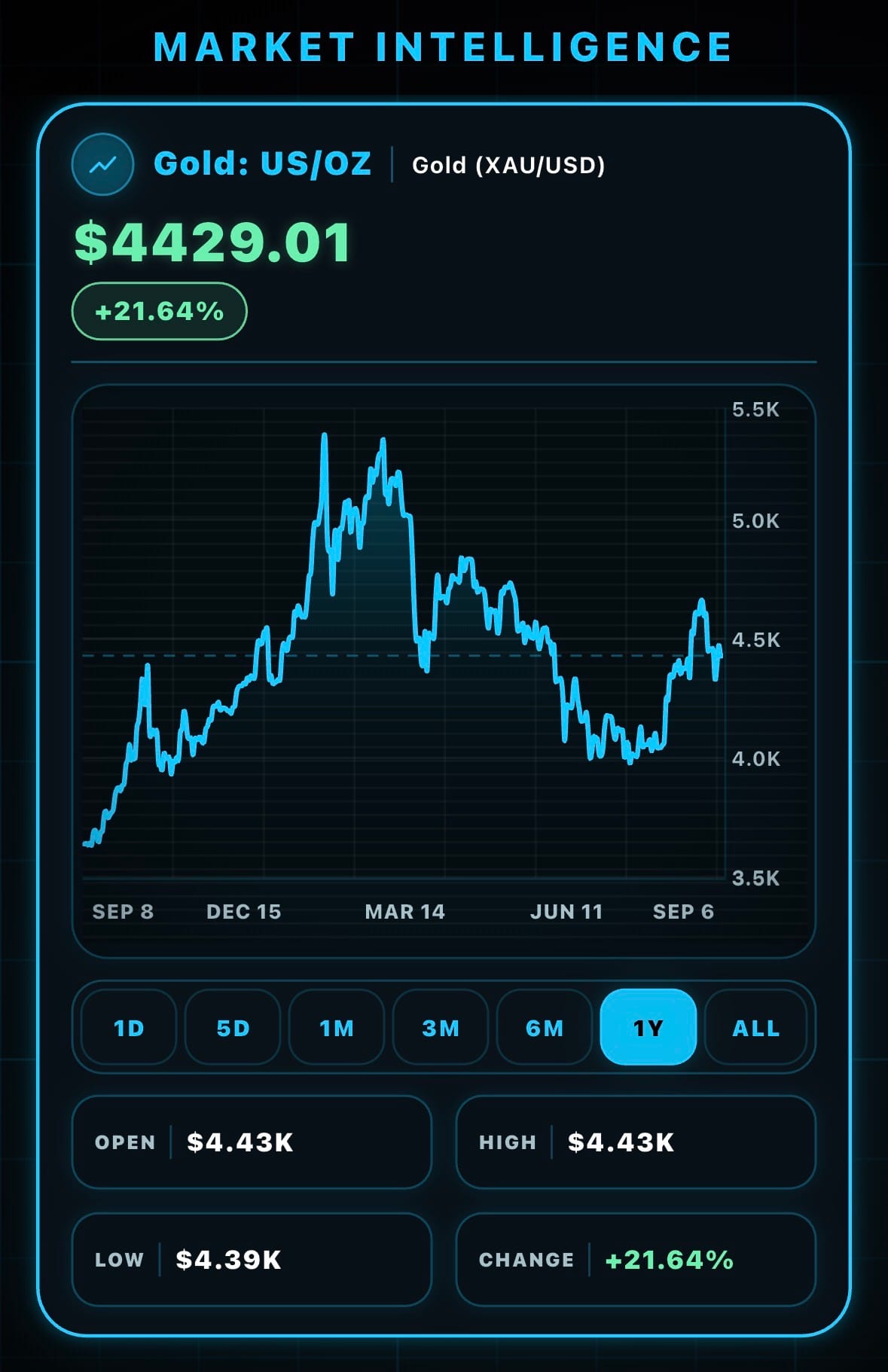
- Past 1 year of Gold price:
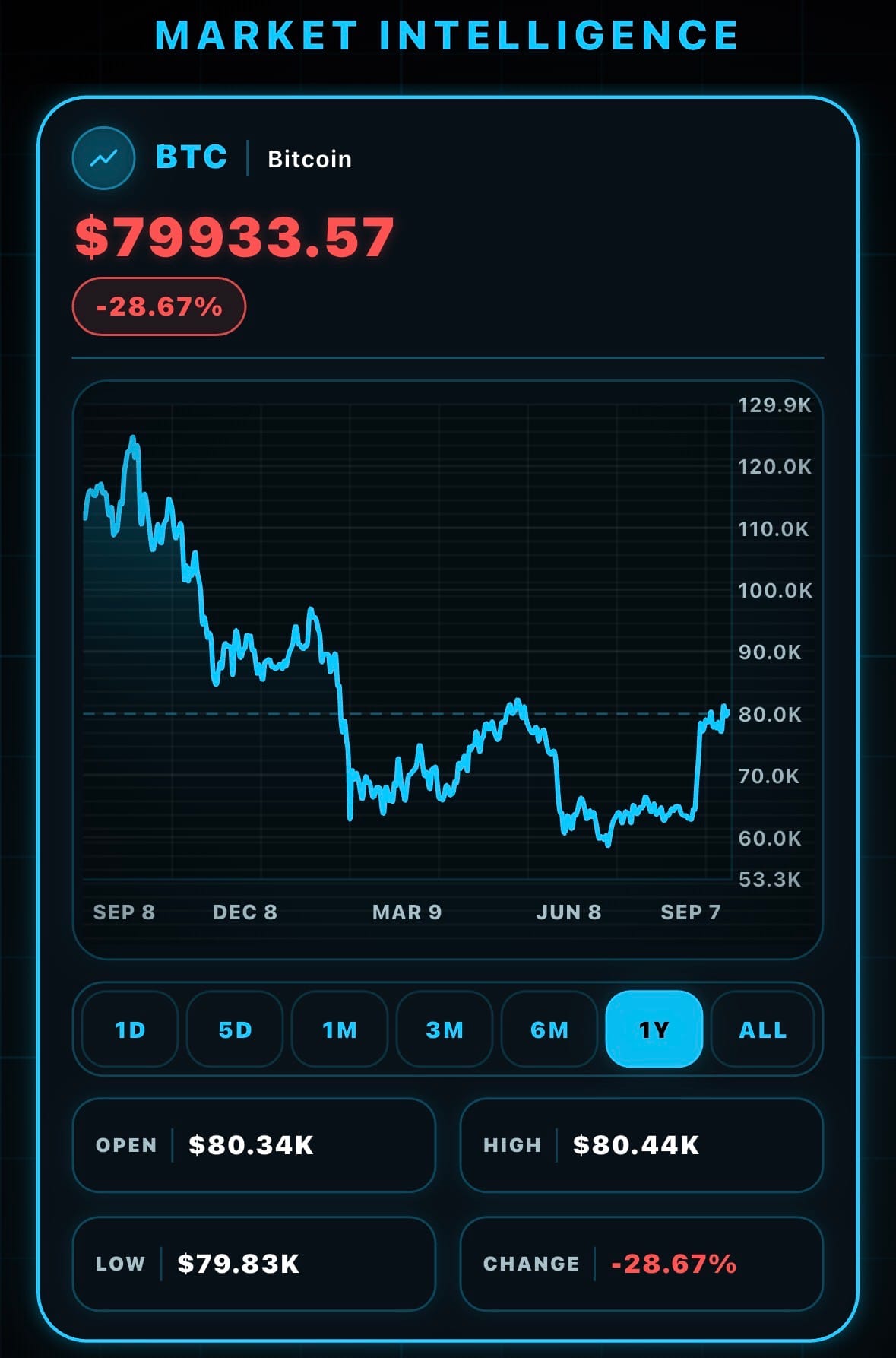
- Past 1 year of Bitcoin price:
Geopolitics & Military Activity:
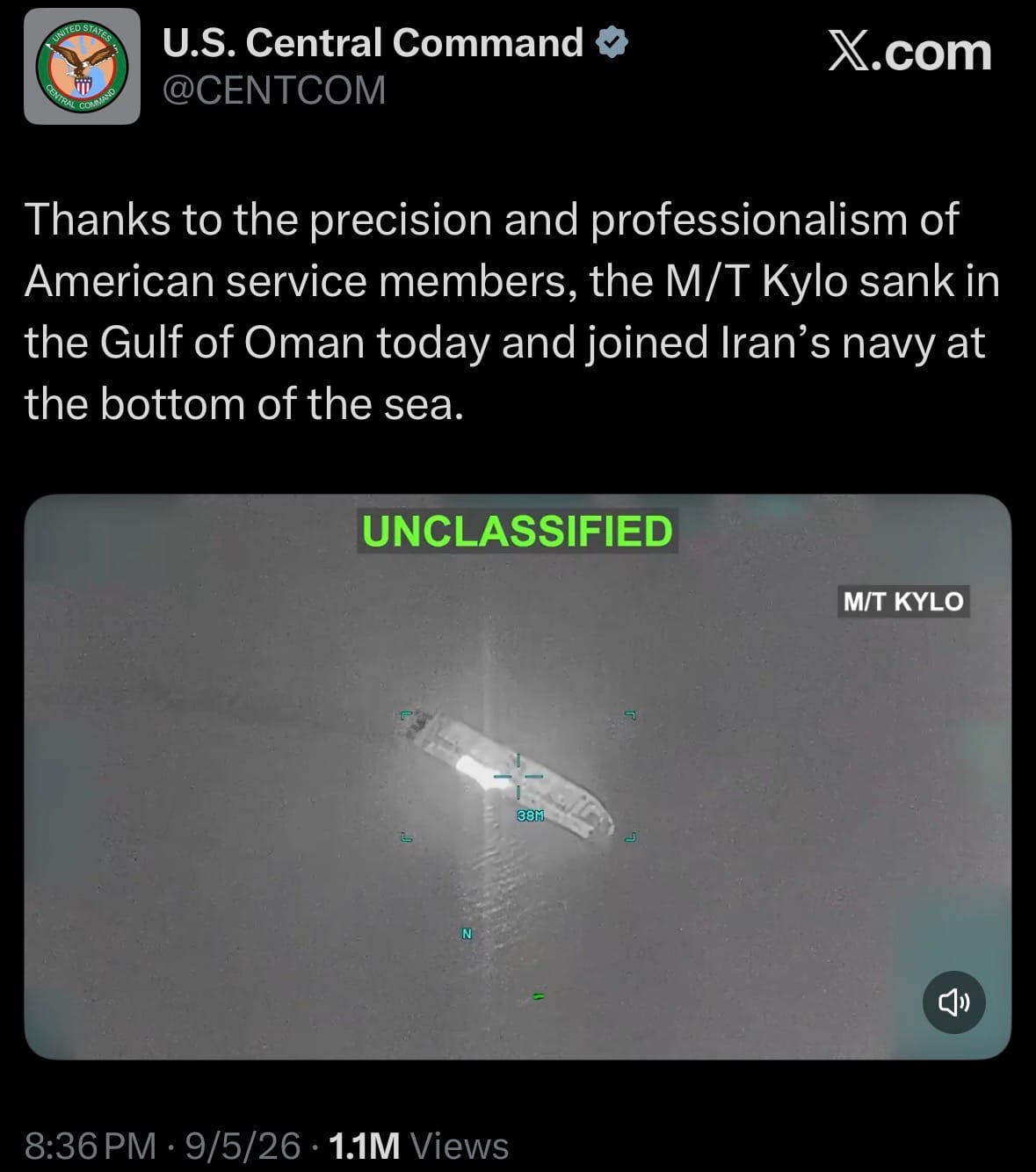
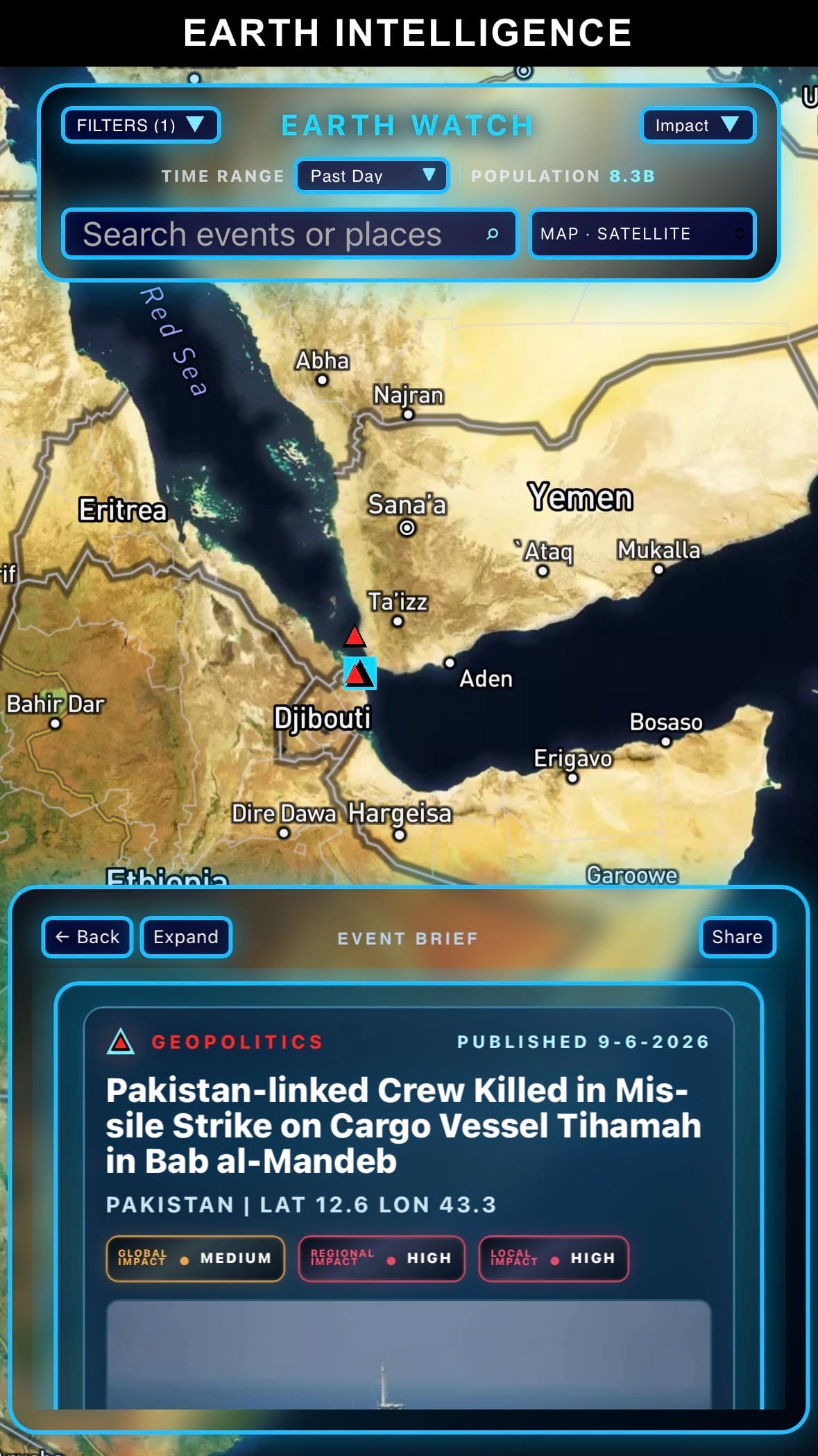
- September 5, 2026 — U.S. forces struck three Iranian oil tankers after CENTCOM said Iran’s IRGC fired ballistic missiles at a U.S. aircraft carrier and destroyer; the American ships avoided the attacks with no personnel injured. Two Iranian-linked tankers were permanently disabled, while the M/T Kylo was struck in the Gulf of Oman, its crew evacuated, and the vessel later sank.
- September 5, 2026 — U.S. Southern Command forces intercepted a multi-vessel floating refueling station in the Eastern Pacific that SOUTHCOM says was supporting drug-trafficking operations for Ecuador’s Los Choneros organization.
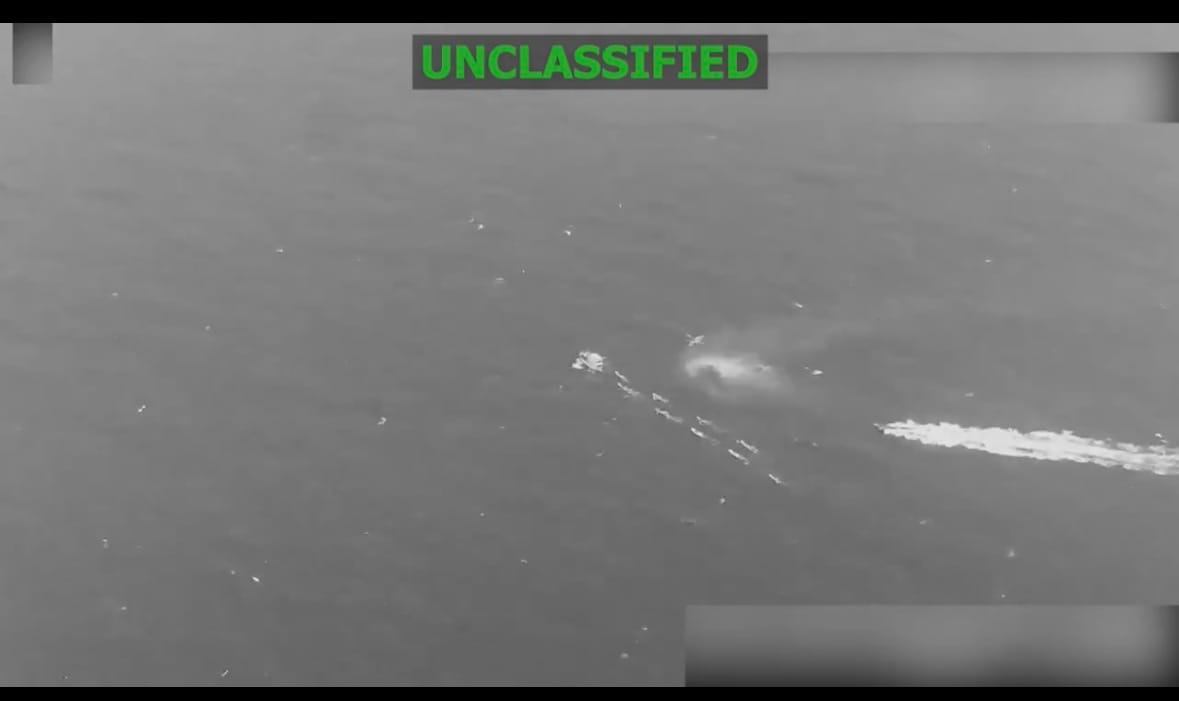
- U.S. forces transferred the crew of the main vessel to Ecuadorian authorities, then sank the main vessel and its attached support boats to eliminate the offshore refueling network.
Environment & Weather:
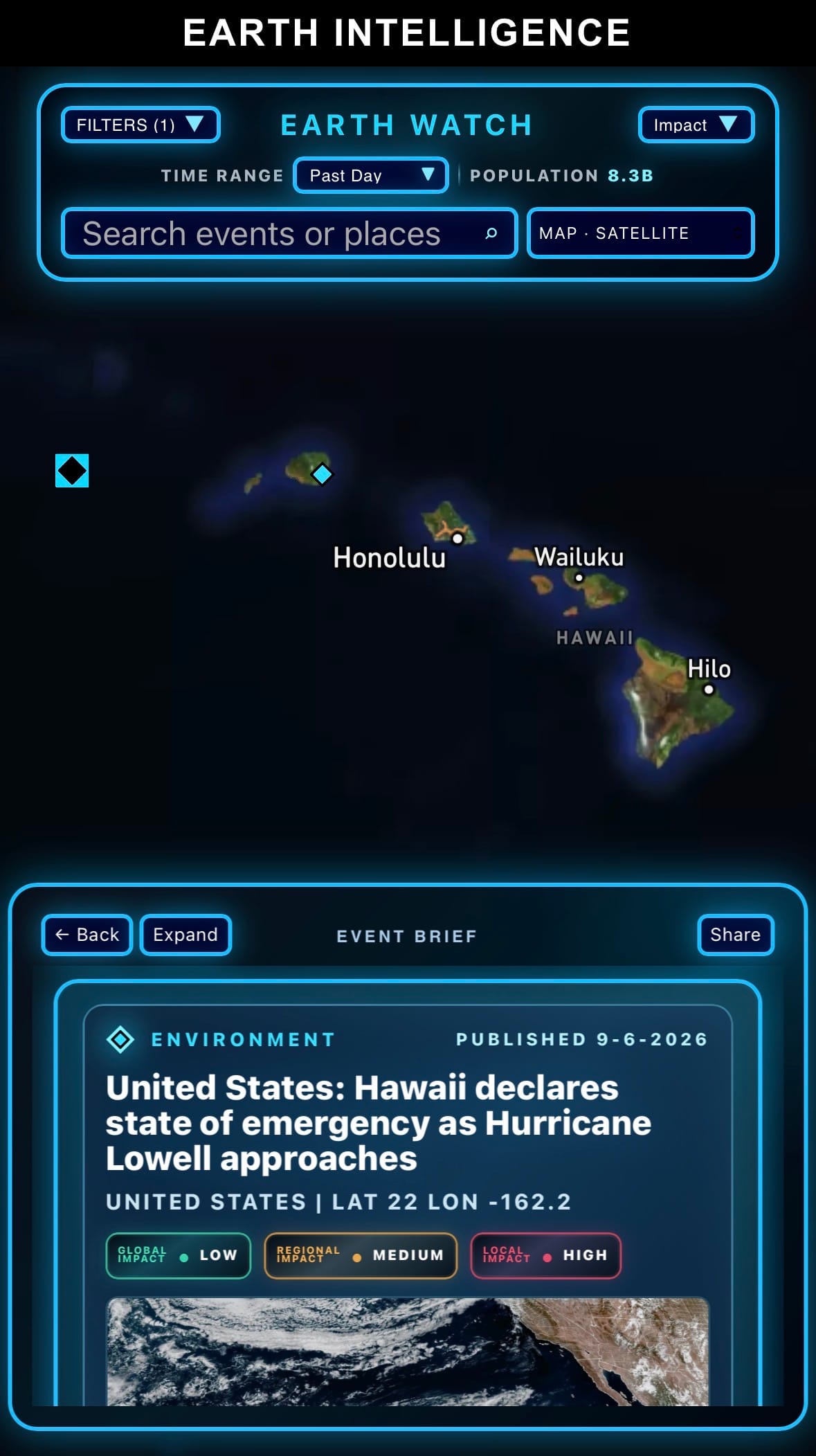
- September 6, 2026 — Hawaii declared a state of emergency as Category 3 Hurricane Lowell approaches the islands, bringing the risk of heavy rain, flooding, strong winds, and dangerous surf. The hurricane is currently about 545 miles south-southwest of Kauai and is expected to pass just west of Hawaii Monday night, with Kauai and Niihau expected to see the strongest effects.
Science & Technology:
Space:
- September 6, 2026 — President Trump shared an image promoting a futuristic U.S. Space Force uniform design, drawing widespread attention online, but the design shown in his post has not been officially adopted by the Space Force.
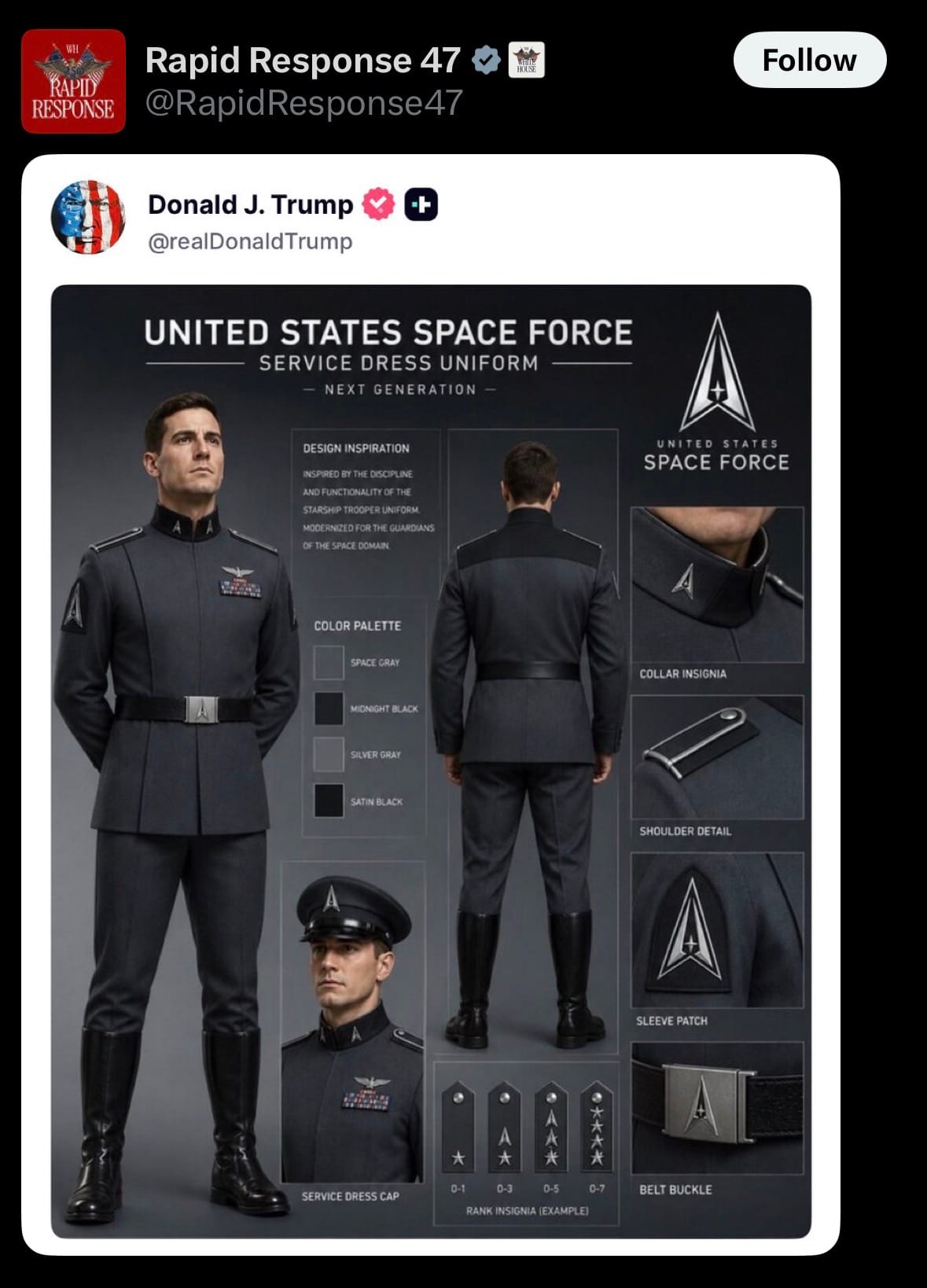
- The service already introduced its official new service dress in January and a separate Honor Guard ceremonial uniform in August, both part of its effort to establish a distinct identity separate from the Air Force.
Launches:
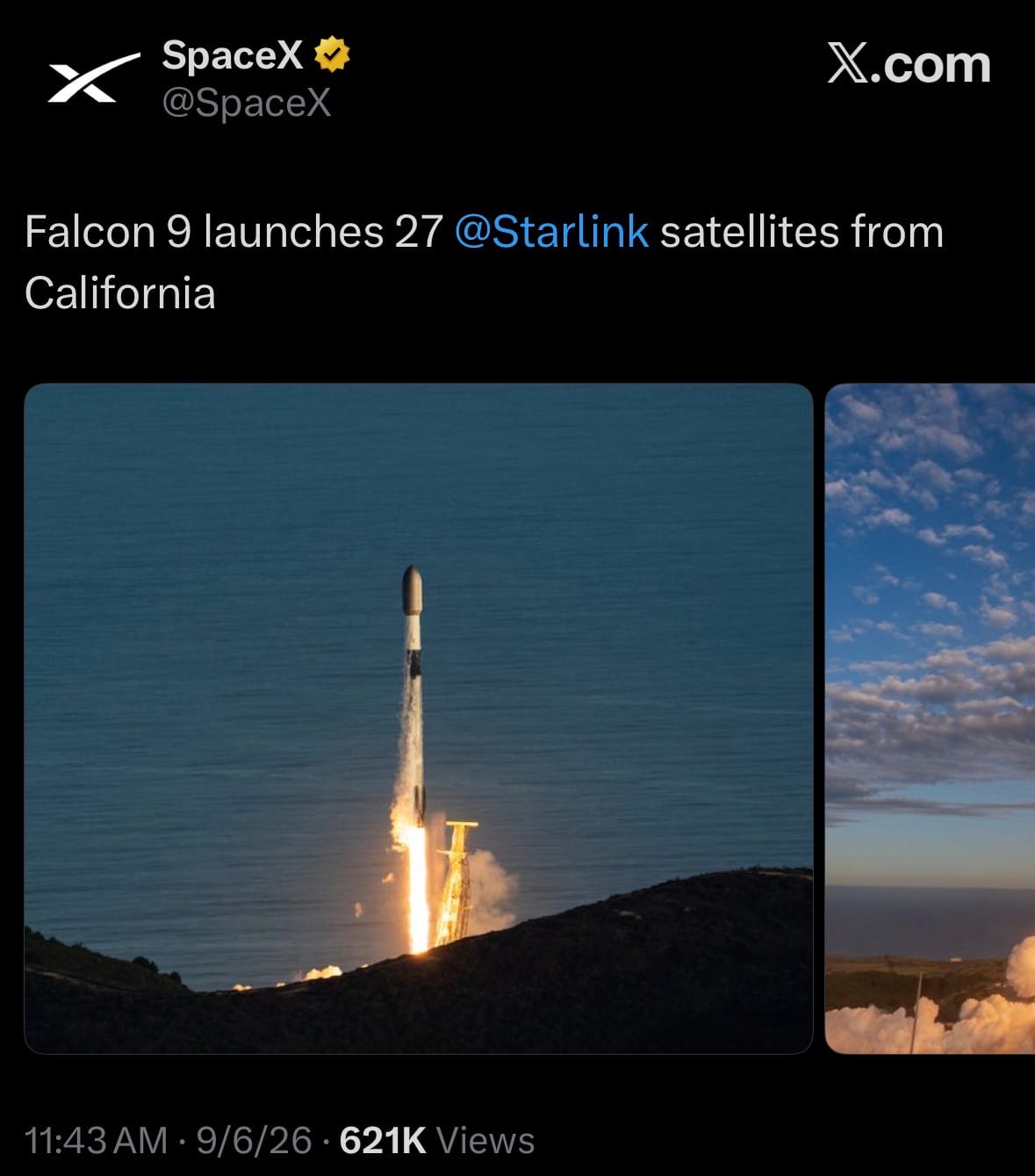
- Starlink Group 15-24 — September 6, 2026 — SpaceX launched 27 Starlink satellites at 7:26 a.m. local time from Vandenberg Space Force Base, California, expanding its global satellite internet network.
- Onward and Upward — September 5, 2026 — Germany’s Isar Aerospace launched its second Spectrum rocket at 10:12 p.m. local time from Andøya, Norway, carrying five small satellites and one experiment on a test flight of its new European launch system.
Statistic:
Top assets by market cap
- 🥇 Gold: $31.125T
- 🇺🇸 NVIDIA: $5.562T
- 🇺🇸 Apple: $4.669T
- 🇺🇸 Alphabet (Google): $4.100T
- 🥈 Silver: $3.757T
- 🇺🇸 Microsoft: $3.710T
- 🇺🇸 Amazon: $2.788T
- 🇹🇼 TSMC: $2.224T
- 🇺🇸 SpaceX: $1.950T
- 🇺🇸 Broadcom: $1.702T
- 🇸🇦 Saudi Aramco: $1.675T
- ₿ Bitcoin: $1.602T
- 🇺🇸 Meta Platforms: $1.571T
- 🇺🇸 Tesla: $1.398T
- 🇰🇷 Samsung: $1.300T
- 🇺🇸 Micron Technology: $1.148T
- 🇺🇸 Berkshire Hathaway: $1.083T
- 🇺🇸 Vanguard S&P 500 ETF: $1.053T
- 🇺🇸 Eli Lilly: $1.024T
- 🇺🇸 JPMorgan Chase: $953.33B
- 🇰🇷 SK Hynix: $923.92B
- 🇺🇸 iShares Core S&P 500 ETF: $870.50B
- 🇺🇸 Walmart: $852.62B
- 🇺🇸 SPDR S&P 500 ETF: $814.22B
- 🇺🇸 AMD: $779.62B
- 🇺🇸 Visa: $700.27B
- 🇺🇸 Vanguard Total Stock Market ETF: $693.15B
- 🇺🇸 Johnson & Johnson: $663.27B
- 🇳🇱 ASML: $658.68B
- 🇺🇸 Exxon Mobil: $655.72B
- 🇨🇳 CXMT: $610.26B
- 🇨🇳 Tencent: $511.26B
- 🇺🇸 Mastercard: $507.39B
- 🇺🇸 Intel: $506.40B
- 🇺🇸 Invesco QQQ Trust: $485.76B
- 🇺🇸 Oracle: $457.36B
- Platinum: $456.50B
- 🇺🇸 AbbVie: $453.19B
- 🇺🇸 Bank of America: $438.30B
- 🇺🇸 Cisco: $430.53B
- 🇺🇸 Palantir: $418.92B
- 🇨🇳 China Construction Bank: $417.83B
- 🇺🇸 Chevron: $409.19B
- 🇺🇸 Costco: $406.11B
- 🇺🇸 Lam Research: $384.96B
- 🇺🇸 Coca-Cola: $378.92B
- 🇺🇸 Caterpillar: $374.14B
- 🇺🇸 Merck: $370.88B
- 🇬🇧 HSBC: $366.94B
- 🇨🇳 Agricultural Bank of China: $363.49B
History of the FBI and Specialized Task Forces
- The FBI grew from a small federal investigative unit into America’s primary federal law-enforcement and domestic-security agency. Before it existed, the federal government relied heavily on the U.S. Marshals Service, founded in 1789, and investigators borrowed from agencies such as the Secret Service. In 1908, Attorney General Charles Bonaparte created the Bureau of Investigation (BOI) within the Department of Justice to investigate federal crimes including fraud, corruption, interstate crime, and espionage. J. Edgar Hoover became director in 1924 and transformed the Bureau through centralized records, fingerprint identification, professional training, laboratories, and nationwide coordination. It became the FBI in 1935 and gained national attention pursuing gangsters such as John Dillinger and Alvin Karpis. WWII and the Cold War expanded its counterespionage role, while Hoover’s controversial COINTELPRO operations against political and civil-rights groups later contributed to greater oversight. The FBI subsequently expanded into organized crime, public corruption, financial crime, counterintelligence, terrorism, cybercrime, kidnappings, and violent crime. After September 11, 2001, intelligence and counterterrorism became central missions alongside traditional federal law enforcement.
- Specialized units and task forces developed because major threats often cross agencies, states, and jurisdictions. Joint Terrorism Task Forces (JTTFs) began in 1980 and combine FBI agents with federal, state, local, and other partners to investigate terrorism. The Hostage Rescue Team (HRT) was established in 1983 as the FBI’s elite national tactical unit for hostage situations, terrorism, and exceptionally high-risk operations, while FBI field offices maintain SWAT teams. Behavioral-analysis programs developed from FBI profiling work of the 1970s and now assist with serial offenders, kidnappings, threats, terrorism, and complex violent crimes. Safe Streets Task Forces, created in 1992, target gangs, violent criminals, organized crime, and fugitives. Other specialized capabilities include cyber teams, child-exploitation and human-trafficking investigations, bomb technicians, crisis negotiators, Evidence Response Teams, surveillance, aviation, hazardous-material response, digital forensics, and underwater search.
- Today, the FBI operates at the center of a much broader American task-force network. It works with the DEA on narcotics, ATF on firearms and explosives, U.S. Marshals on fugitives, HSI on trafficking and transnational crime, the Secret Service on financial and cybercrime, and thousands of state and local departments. Major structures include JTTFs for terrorism, Safe Streets for violent crime, OCDETF for major drug-trafficking organizations, ICAC task forces for internet crimes against children, cyber task forces, and Marshals-led regional fugitive teams. Large investigations can therefore combine agents, intelligence analysts, prosecutors, tactical operators, surveillance teams, forensic scientists, and cyber specialists into one operation. The evolution is essentially 1789 U.S. Marshals → 1908 BOI → 1924 Hoover reforms → 1935 FBI → WWII/Cold War intelligence → organized-crime era → 1980 JTTFs → 1983 HRT → 1992 Safe Streets → post-9/11 transformation → today’s cyber, counterterrorism, trafficking, fugitive, and transnational-crime task-force system.
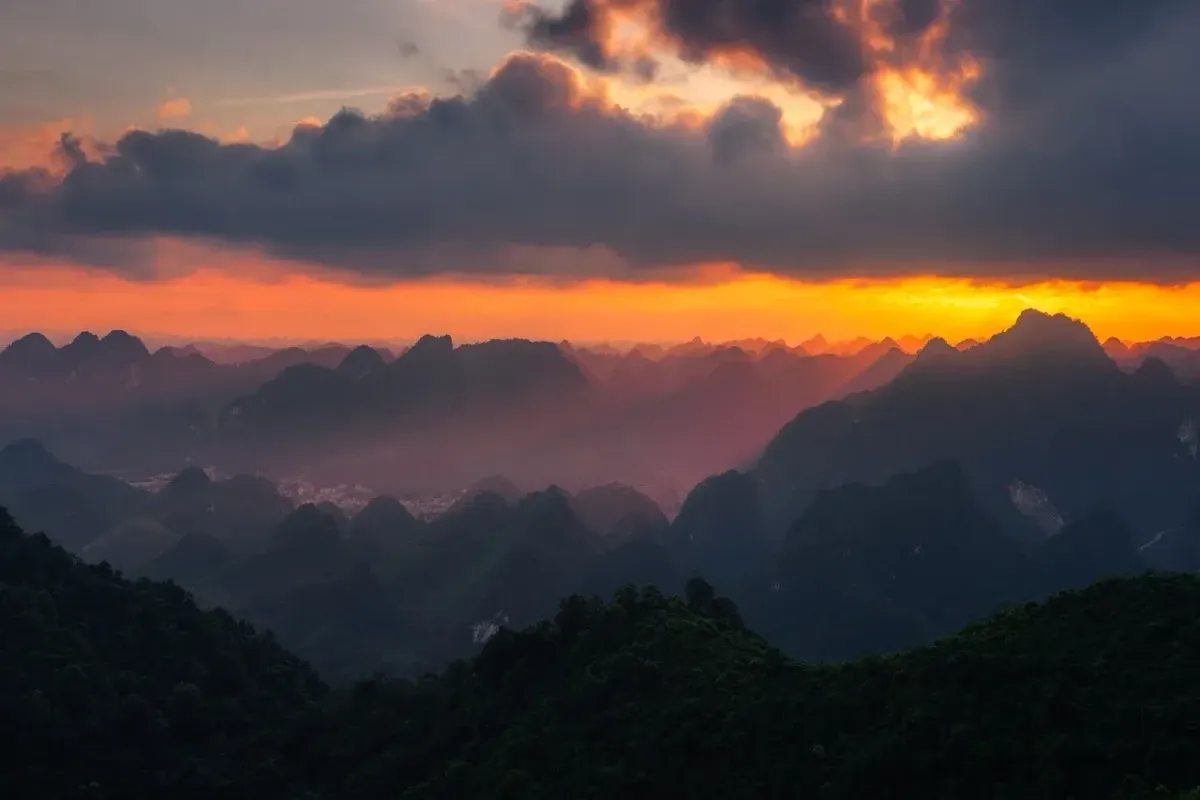
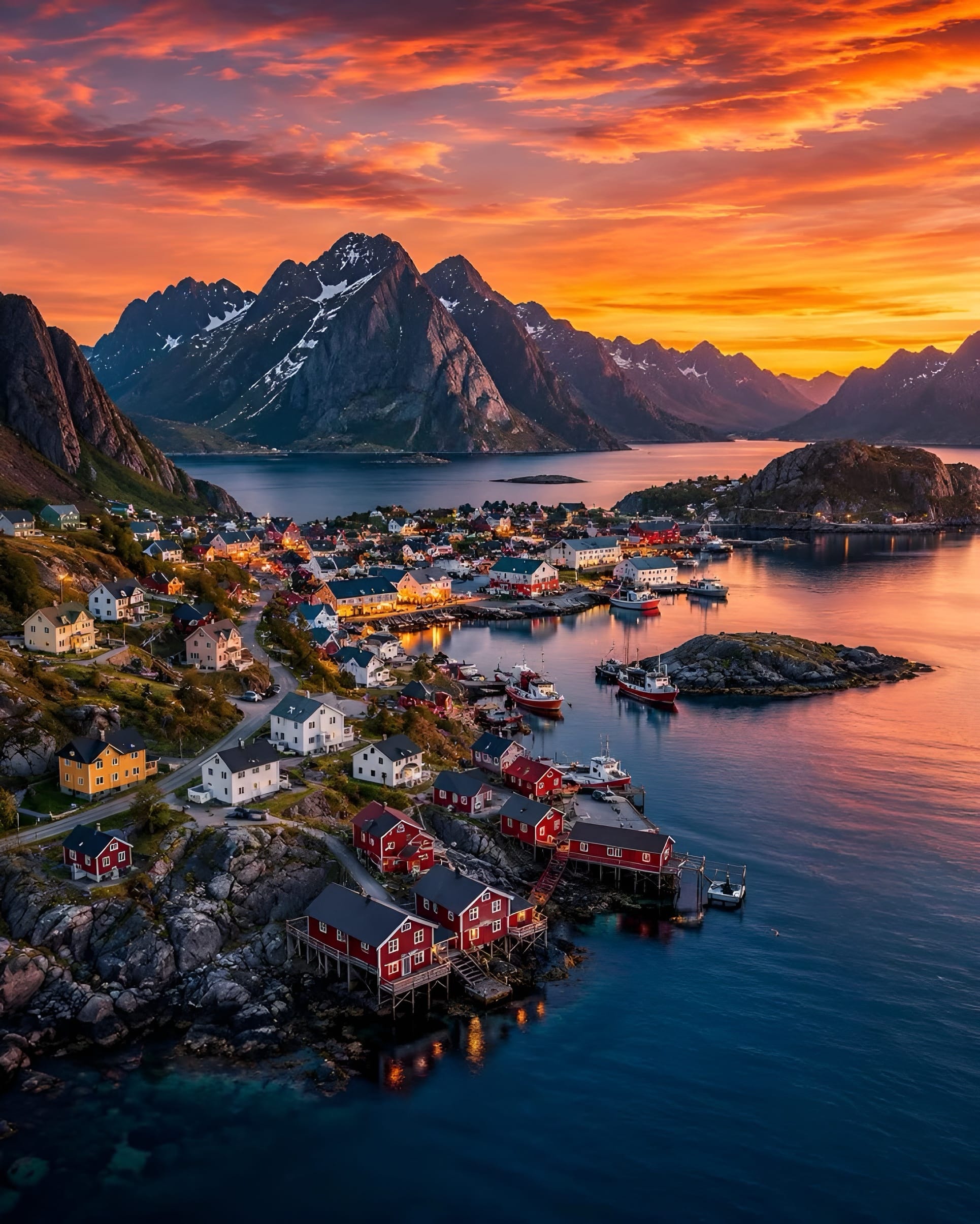
Image of the day: Lofoten, Norway
Thanks for reading! Earth is complicated, we make it simple.

- Download our mobile app:


Click below to view our previous newsletters:
Support/Suggestions Email:
support@earthintel.io