Thursday☕️


Economics & Markets:
- U.S. oil exports surged to a new all-time high of 5.2 million barrels per day last week, marking a sharp increase from 3.9 million bpd in March as global buyers scramble for alternatives to disrupted Middle East supplies.
- The record shipments, driven largely by soaring demand from Asia (up 82% to 2.5 million bpd), are fueled by the ongoing U.S. blockade of the Strait of Hormuz and reflect America’s growing role as the world’s swing oil supplier amid the current geopolitical tensions.
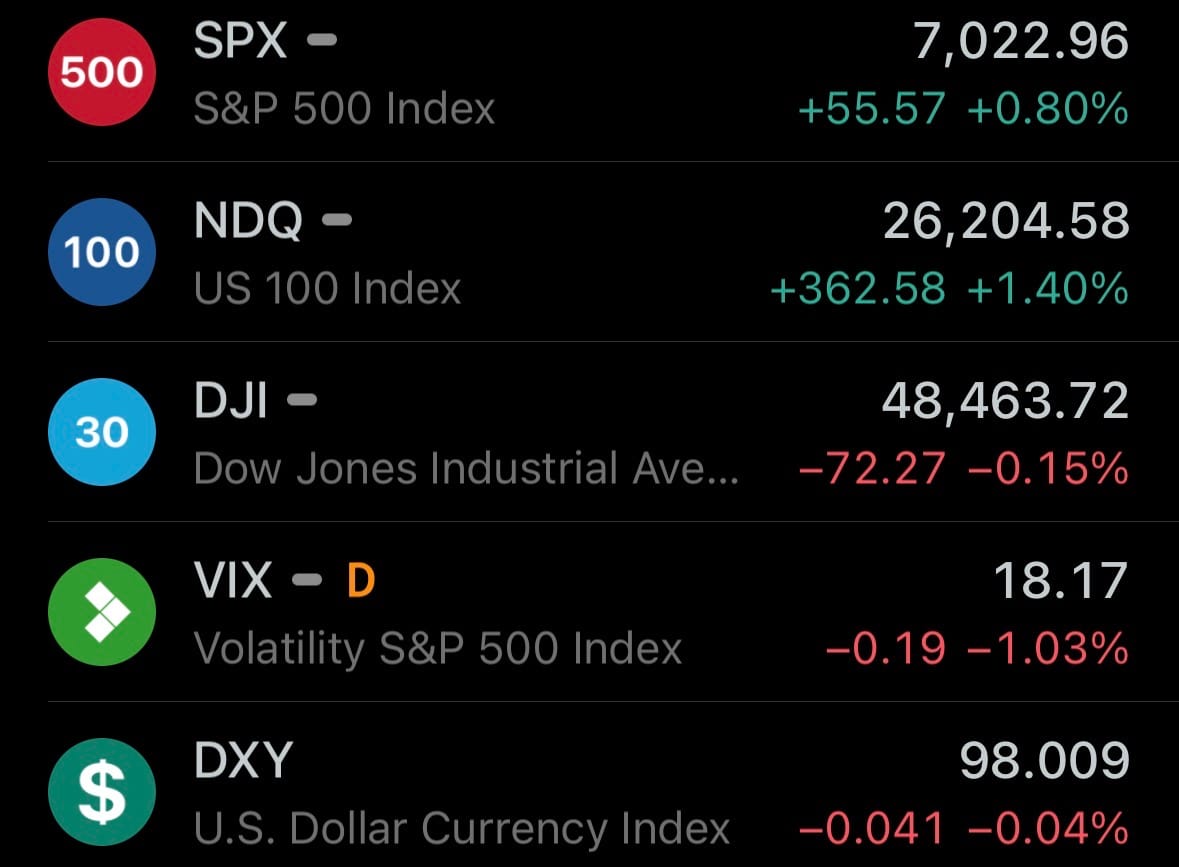
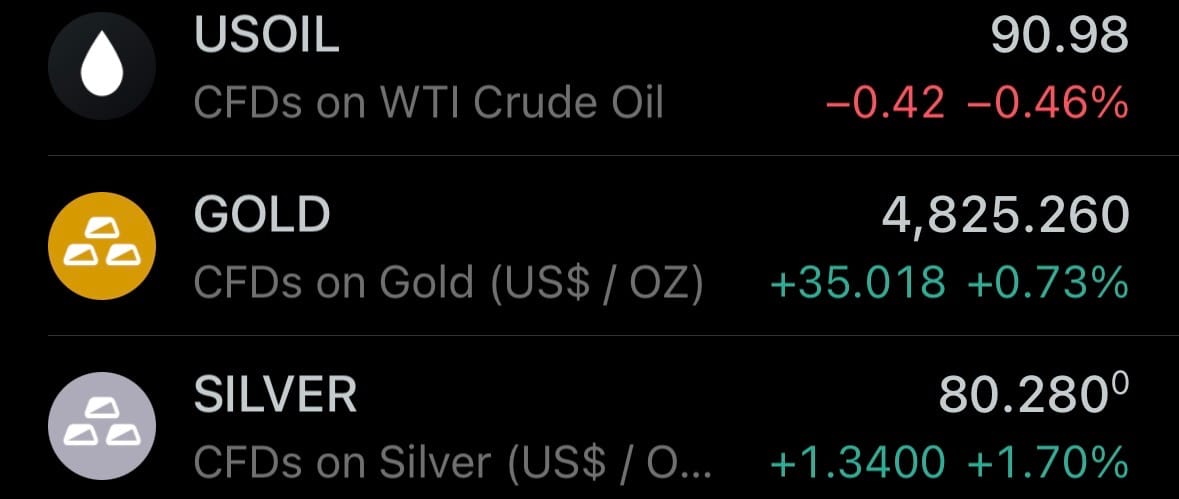
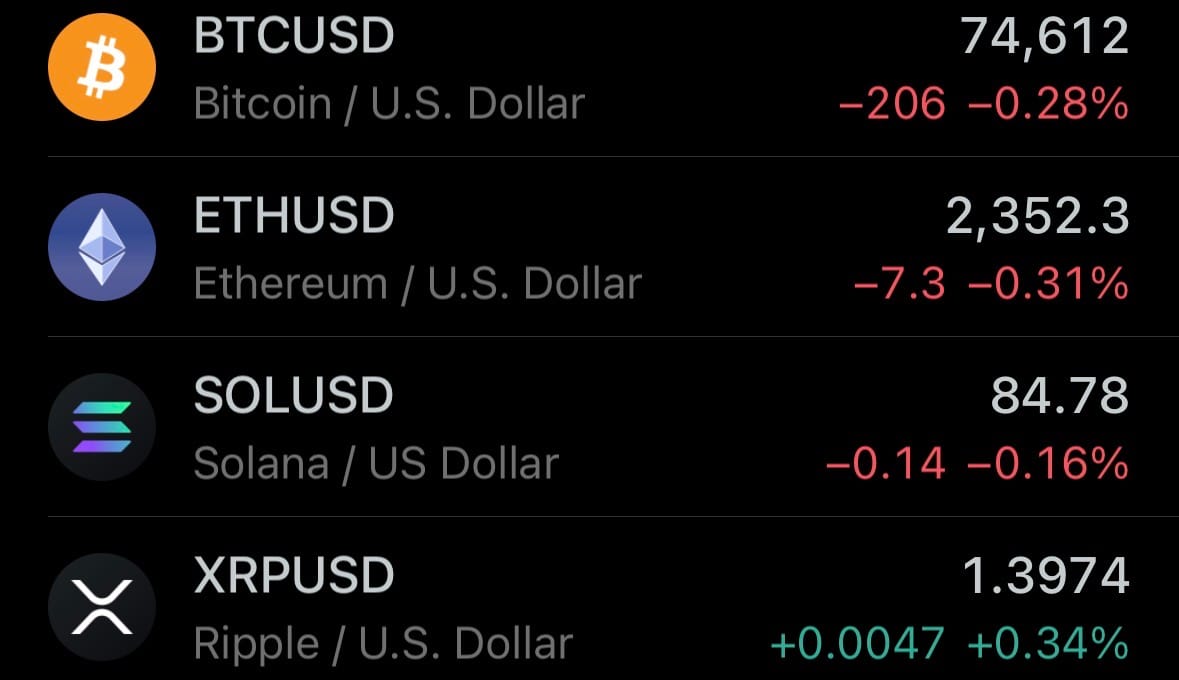
Geopolitics & Military Activity:
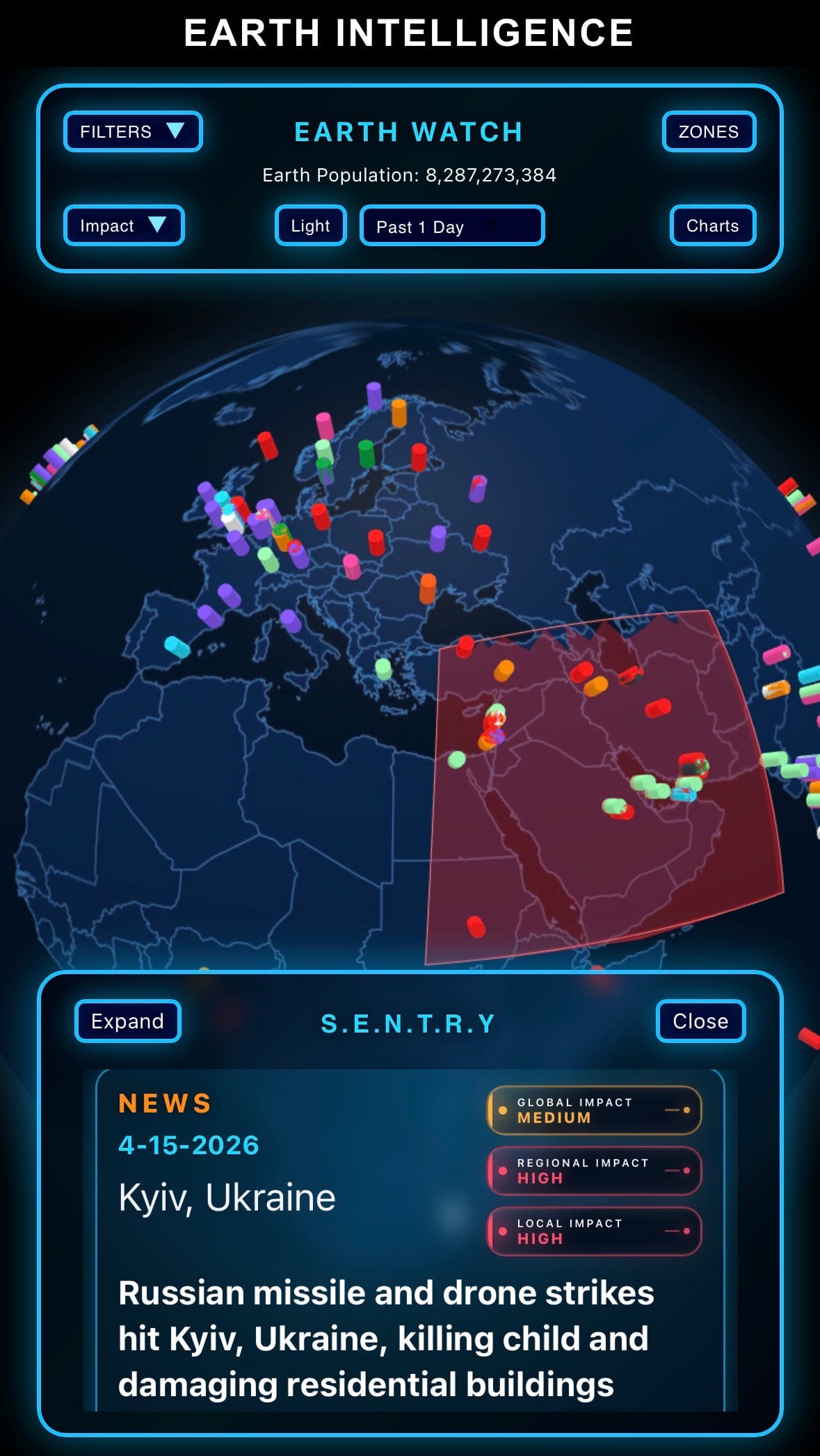
- As of April 16, 2026, the U.S. naval blockade of Iranian ports is being successfully enforced with a combination of surface warships, aircraft surveillance, and real-time monitoring.
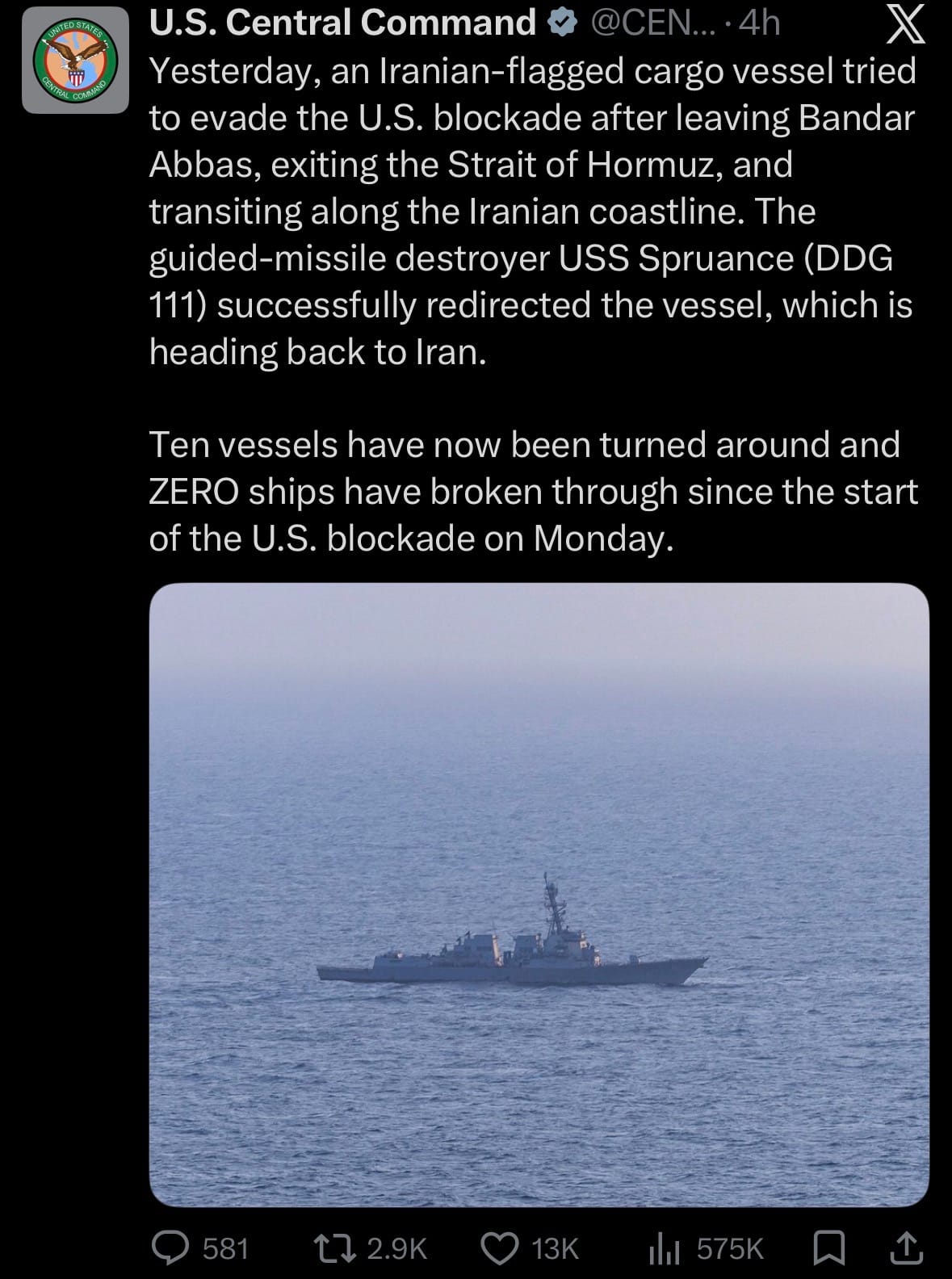
- Over the past 48 hours, the guided-missile destroyer USS Spruance (DDG 111) intercepted and redirected an Iranian-flagged cargo vessel that tried to evade the blockade after leaving Bandar Abbas. Ten vessels have now been turned around in total, and zero ships have broken through since the blockade began on Monday.
Cyber:
- On April 15, 2026, the U.S. Department of Justice announced that two U.S. nationals — Kejia Wang, 42, of Edison, New Jersey, and Zhenxing Wang, 39 — were sentenced to 108 months and 92 months in prison, respectively, for facilitating a multi-year fraudulent remote IT worker scheme.
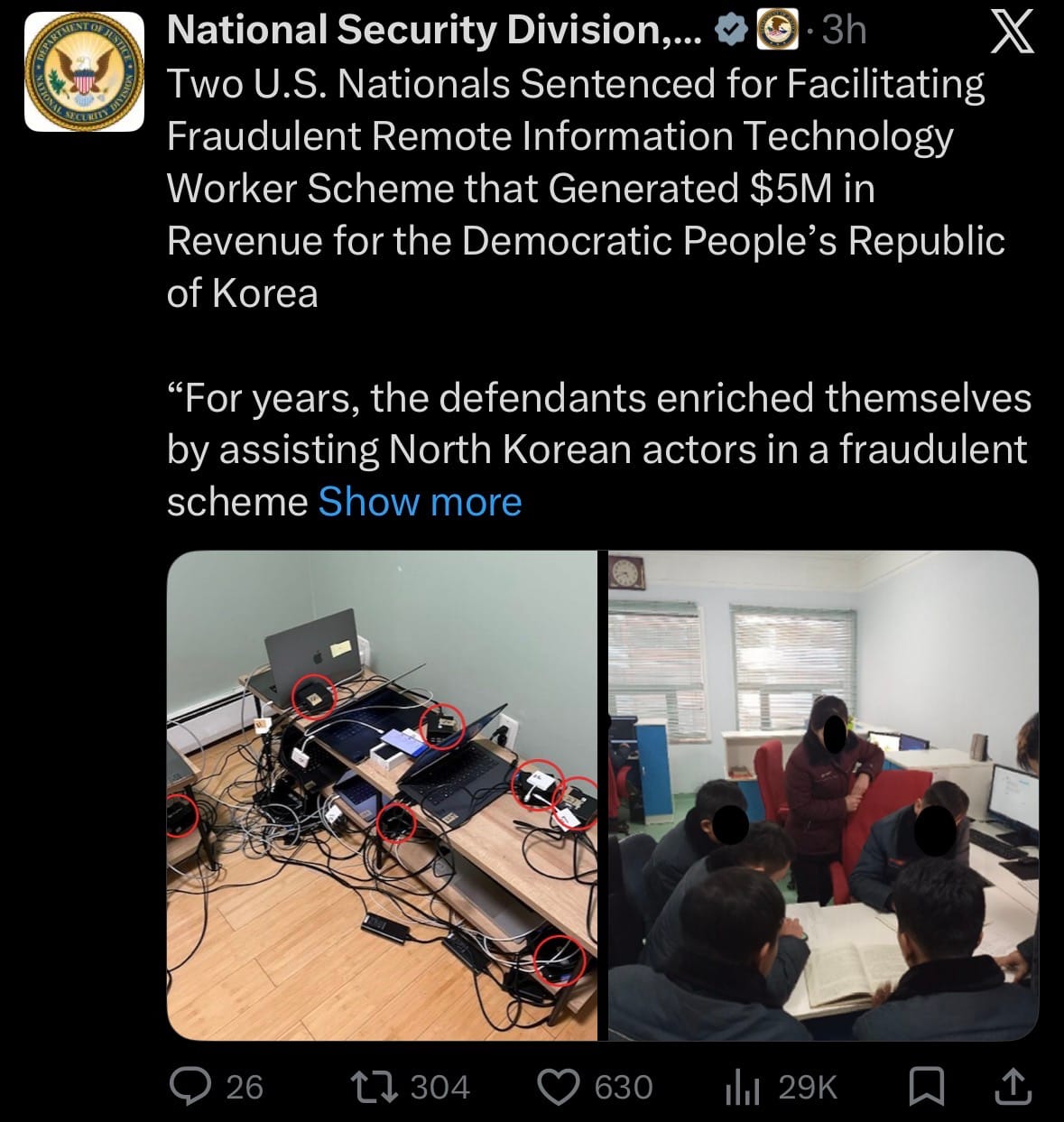
- The defendants helped North Korean actors use stolen identities of at least 80 U.S. persons to pose as American workers and secure jobs at more than 100 U.S. companies, generating over $5 million in illicit revenue for the Democratic People’s Republic of Korea (North Korea) while placing foreign operatives inside U.S. corporate computer systems and payrolls, which harmed national security.
Science & Technology:
- On April 15, 2026, Shield AI successfully completed its fourth autonomous flight test on the H145 helicopter as part of the U.S. Marine Corps Aerial Logistics Connector program, in partnership with Airbus U.S. Space & Defense, L3Harris, and Parry Labs.
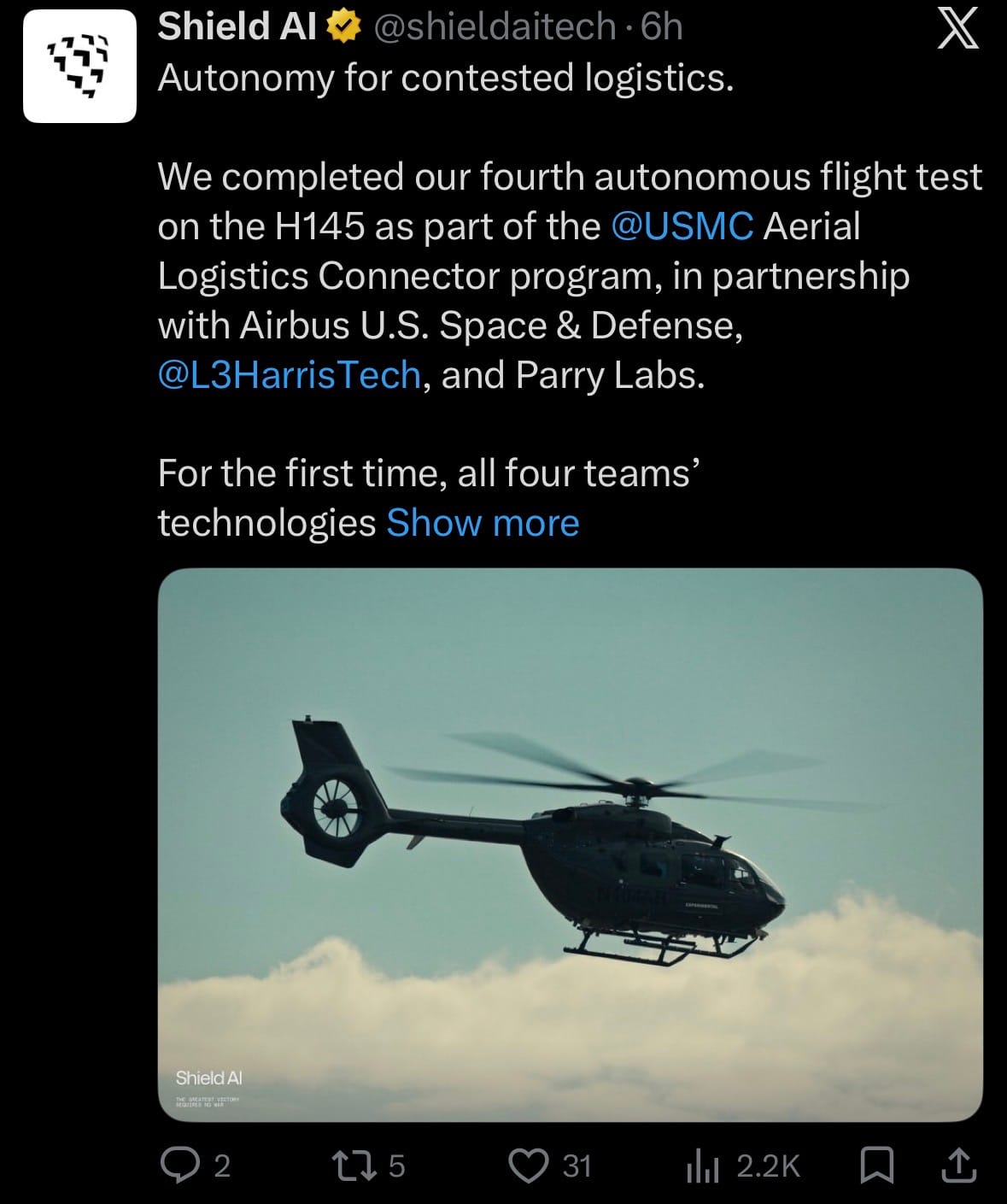
- For the first time, all four companies’ technologies worked together on a single aircraft, with Shield AI’s Hivemind autonomy system detecting obstacles in the landing zone and autonomously rerouting the helicopter to an alternate site mid-flight.
Space:
- On April 15, 2026, True Anomaly was chosen as one of 14 companies for a major U.S. Space Force contract worth up to $1.8 billion over 10 years.
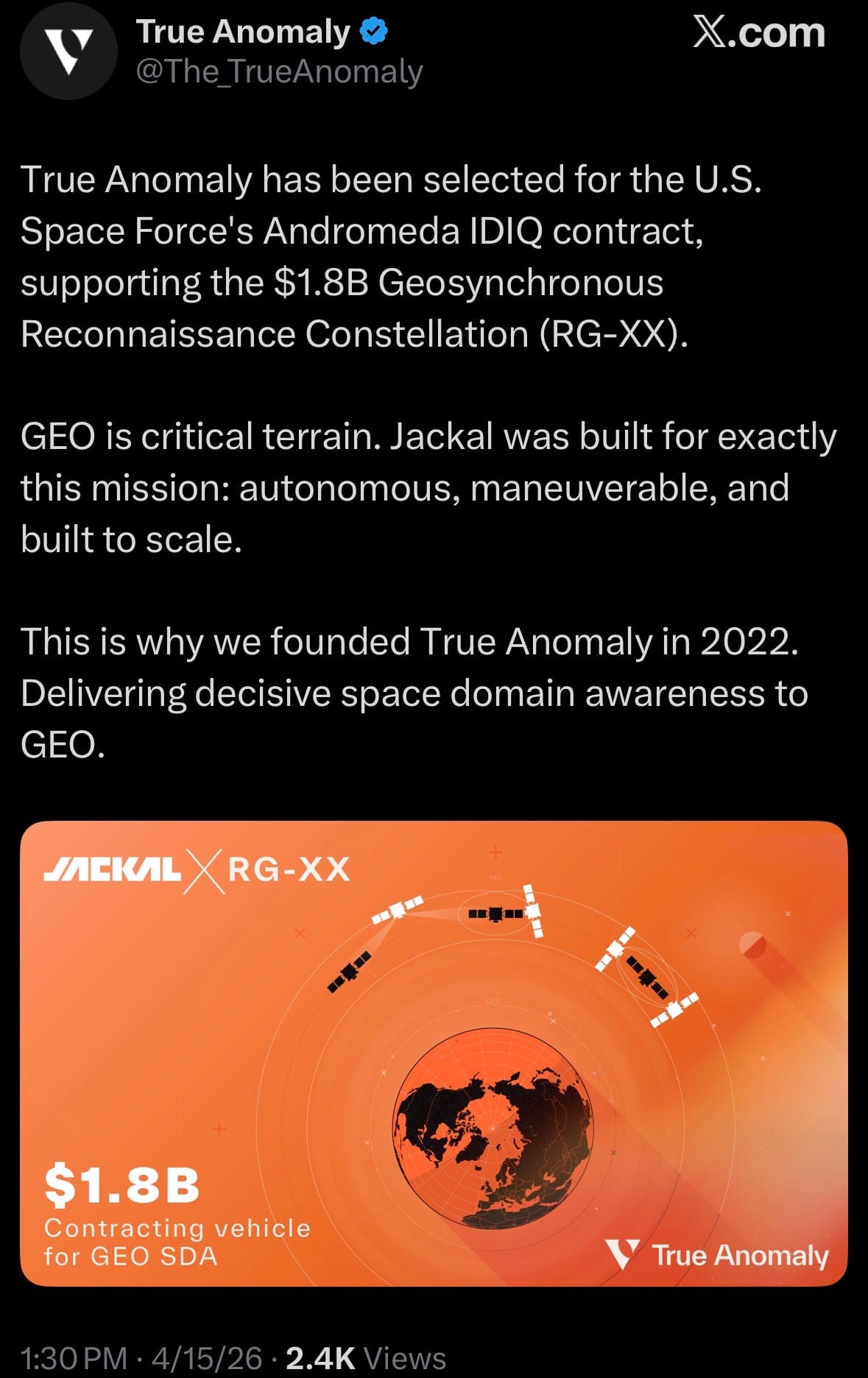
- The contract will help build a new network of satellites in geosynchronous orbit (GEO) — the high orbit where many critical military and communications satellites operate — to act like a “neighborhood watch” that can closely monitor, inspect, and track other objects in space.
Statistic:
- Largest public telecom companies by market capitalization:
- 🇨🇳 China Mobile: $227.34B
- 🇺🇸 T-Mobile US: $212.72B
- 🇺🇸 Verizon: $189.92B
- 🇺🇸 AT&T: $178.23B
- 🇯🇵 SoftBank: $165.62B
- 🇩🇪 Deutsche Telekom: $163.05B
- 🇮🇳 Bharti Airtel: $121.11B
- 🇺🇸 Comcast: $103.12B
- 🇺🇸 American Tower: $82.54B
- 🇲🇽 America Movil: $79.08B
- 🇯🇵 NTT: $78.88B
- 🇨🇳 China Telecom: $71.68B
- 🇺🇸 Ciena: $67.30B
- 🇸🇬 Singtel: $63.42B
- 🇯🇵 KDDI: $63.42B
- 🇸🇦 Saudi Telecom Company: $58.01B
- 🇫🇷 Orange: $55.89B
- 🇦🇪 Emirates Telecom (Etisalat): $46.21B
- 🇨🇭 Swisscom: $43.65B
- 🇦🇺 Telstra: $43.24B
- 🇺🇸 EchoStar: $37.95B
- 🇺🇸 Crown Castle: $37.36B
- 🇬🇧 Vodafone: $35.97B
- 🇹🇭 Advanced Info Service (AIS): $33.75B
- 🇹🇼 Chunghwa Telecom: $33.43B
History:
- The history of opium begins thousands of years ago, with evidence of its use dating back to around 3400 BC in Mesopotamia, where it was cultivated and called the “joy plant.” From there, it spread through ancient Egypt, Greece, and Rome, where it was used for pain relief, sleep, and ritual purposes. By the 16th–18th centuries, opium became a major global commodity as European colonial powers expanded trade networks, particularly through the British East India Company, which began large-scale cultivation in India. The situation escalated in China during the late 1700s and early 1800s, where British traders exchanged opium for tea and silver, leading to widespread addiction and economic disruption. This directly triggered the First Opium War (1839–1842), when China attempted to suppress the trade; Britain responded militarily and forced China into the Treaty of Nanking (1842), which opened ports and ceded Hong Kong. The Second Opium War (1856–1860) further expanded foreign control and legalized the opium trade, deeply weakening China and embedding narcotics into global trade systems. By the late 19th and early 20th centuries, opium had become both a widespread medical substance—used in morphine and early pharmaceuticals—and a major social and political problem, leading to early international drug control agreements like the Hague Opium Convention (1912).
- In the modern era, opium evolved into a central component of the global narcotics trade, particularly through its derivatives like heroin, which was first synthesized in 1874 and later commercialized in the early 1900s before being banned. Throughout the 20th century, regions like the Golden Triangle (Myanmar, Laos, Thailand) and later the Golden Crescent (Afghanistan, Iran, Pakistan) became major production hubs, often tied to conflict, insurgency, and geopolitical instability. During the Cold War and post-9/11 era, opium production in Afghanistan surged, at times supplying over 80–90% of the world’s illicit opium, funding militant groups and criminal networks. At the same time, the legal pharmaceutical industry developed opioid-based medications (like oxycodone and fentanyl), which contributed to the modern opioid crisis, particularly in the United States starting in the late 1990s. As of 2026, opium and its derivatives exist in a complex dual system: tightly controlled in legal medical use, but still heavily trafficked globally through illicit networks. Production remains concentrated in unstable regions, though crackdowns—such as the Taliban’s fluctuating bans on opium cultivation—have caused major supply shifts. Today, opium is no longer just a drug; it is a geopolitical and economic force tied to conflict, organized crime, public health crises, and global policy, representing one of the longest-running intersections of medicine, warfare, and trade in human history.
Image of the day:

Thanks for reading! Earth is complicated, we make it simple.
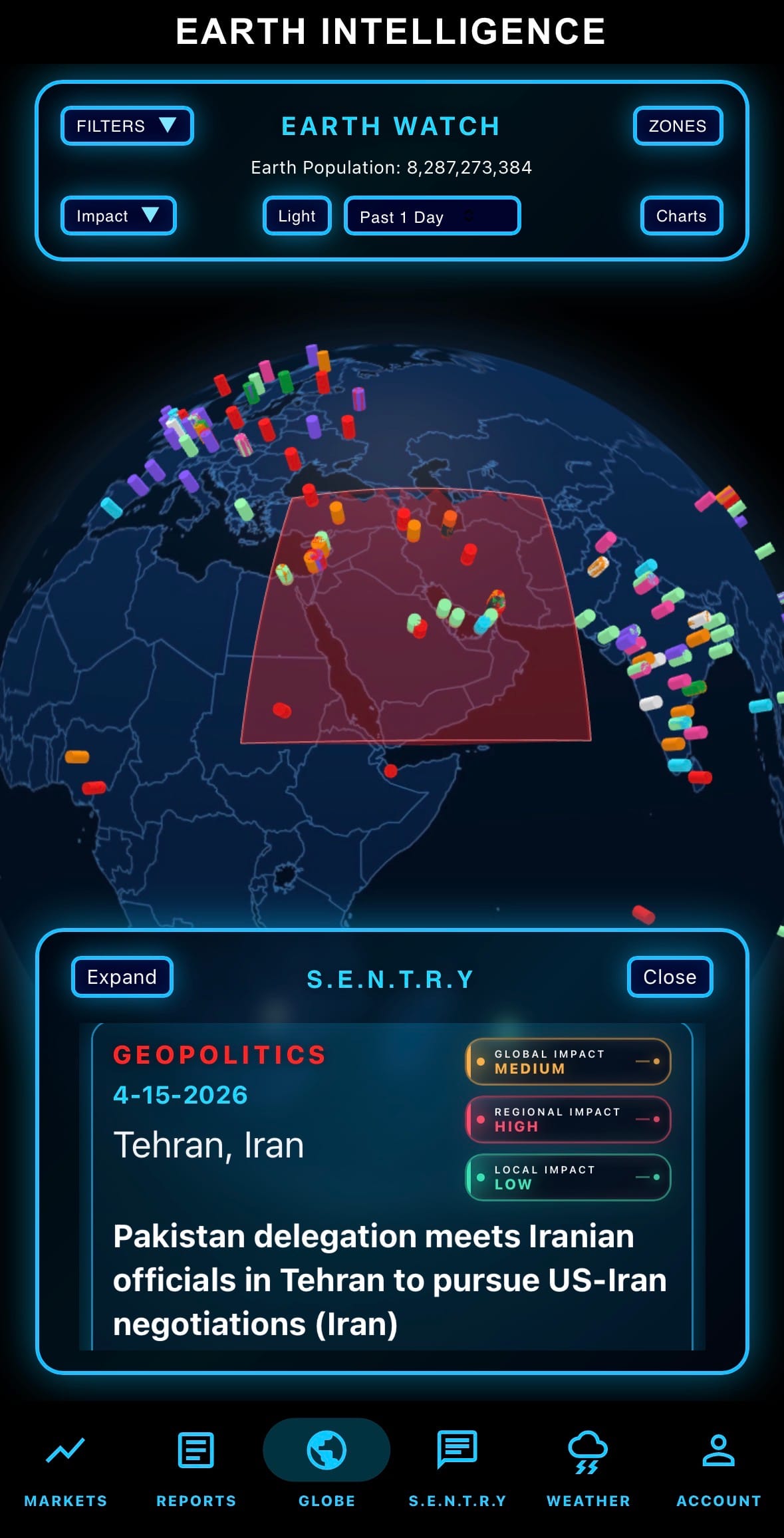
- Click below if you’d like to view our free EARTH WATCH globe:
- Download our mobile app:


Click below to view our previous newsletters:
Support/Suggestions Email:
support@earthintel.io