Thursday☕️🌎


Trending:
- Yesterday, U.S., Colombian, and Panamanian security forces carried out a coordinated maritime operation that intercepted a suspected drug-smuggling vessel in the Eastern Pacific just three hours after it was detected.
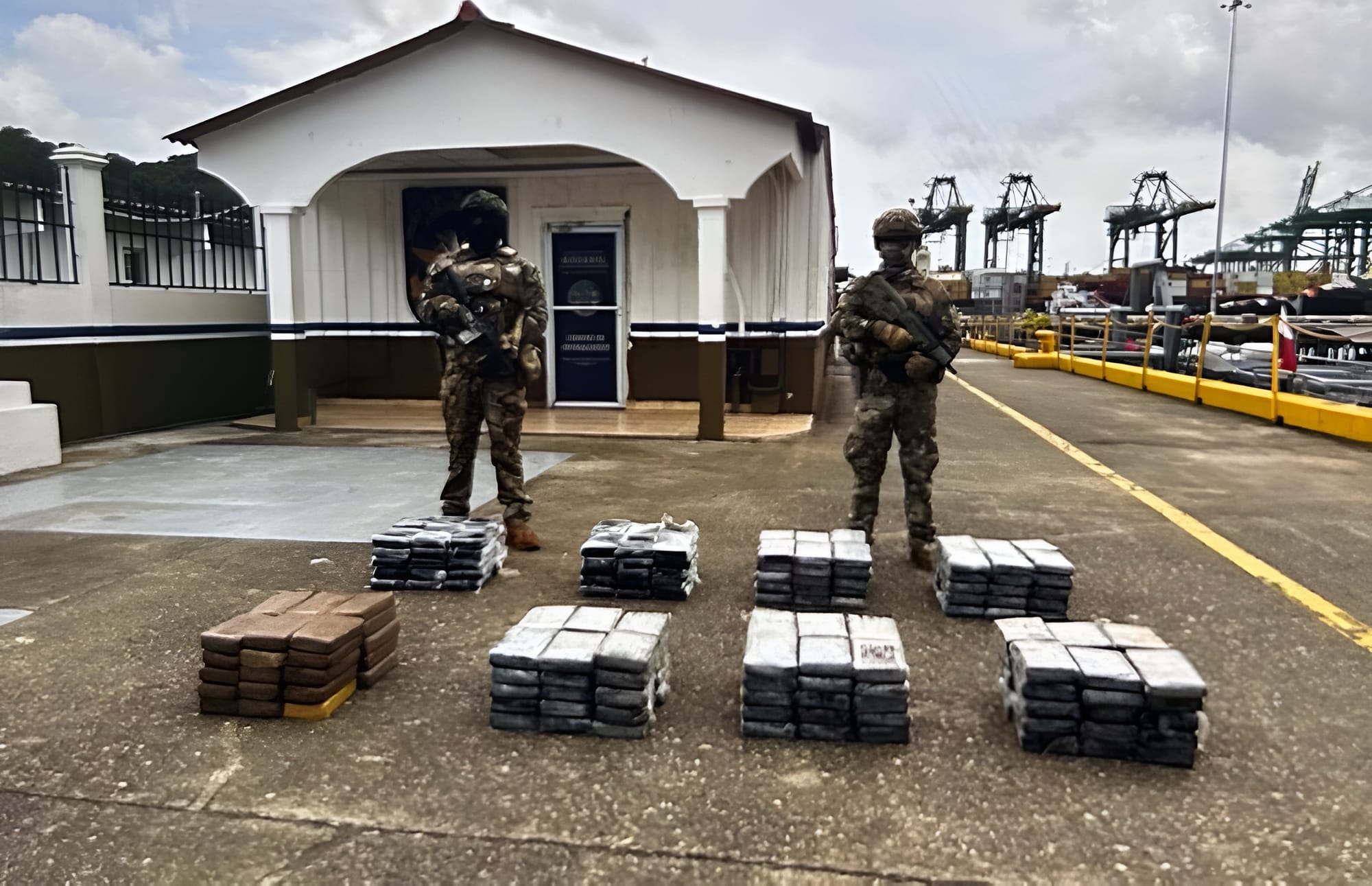
- The joint mission resulted in the seizure of 271 kilograms of cocaine and the arrest of two suspected traffickers, highlighting the effectiveness of real-time intelligence sharing and international cooperation in disrupting transnational drug trafficking networks.
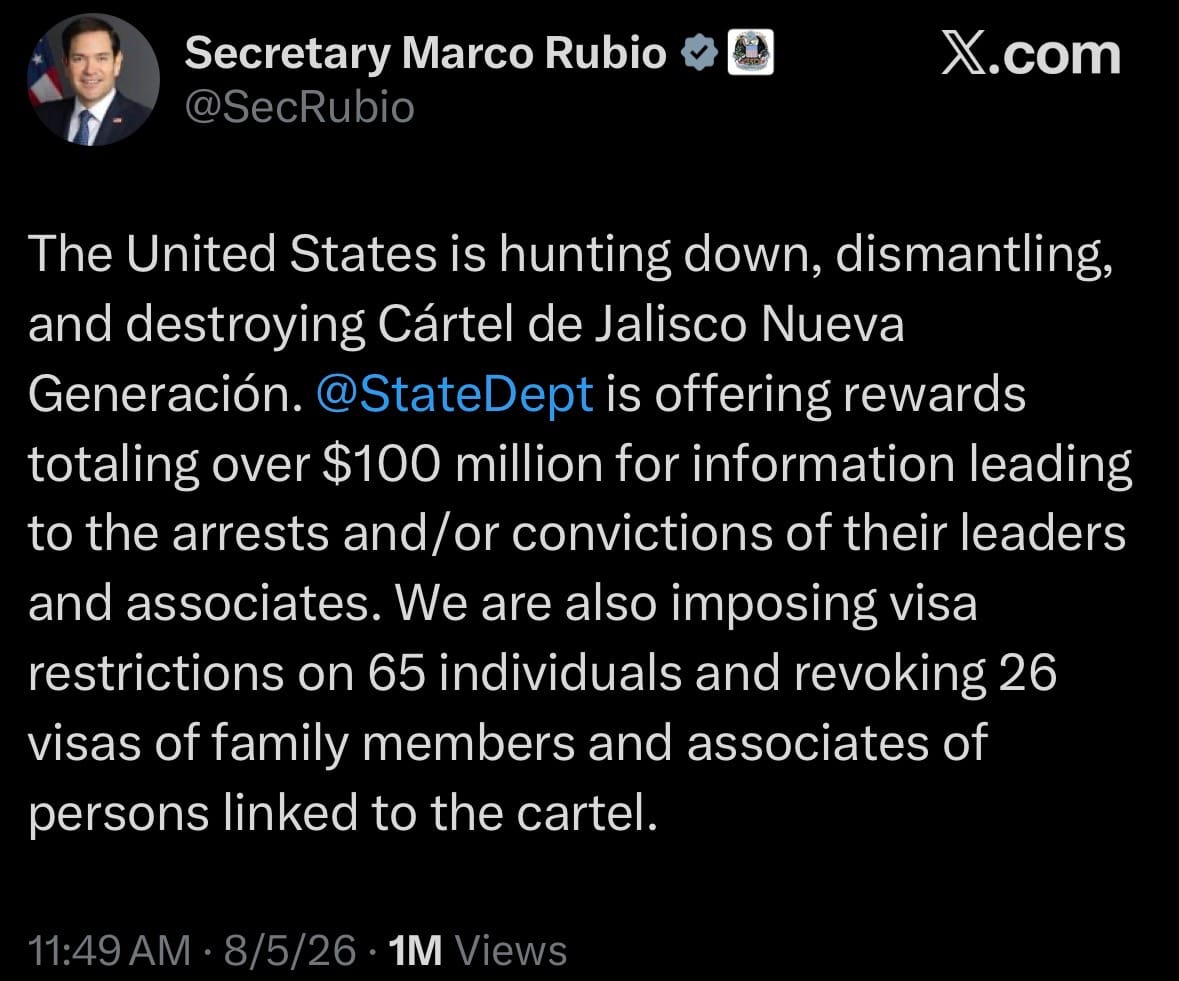

Economics & Markets:
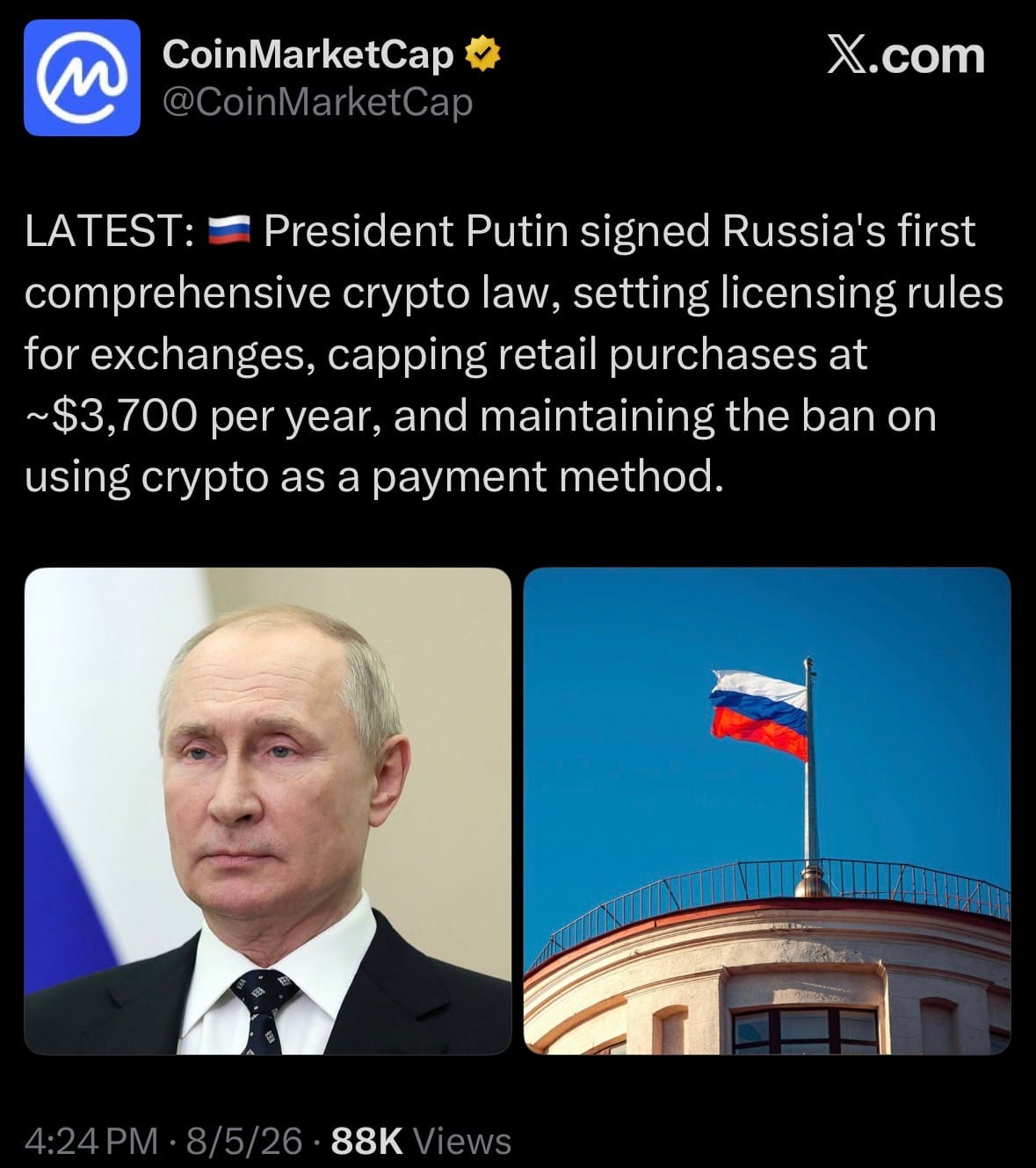
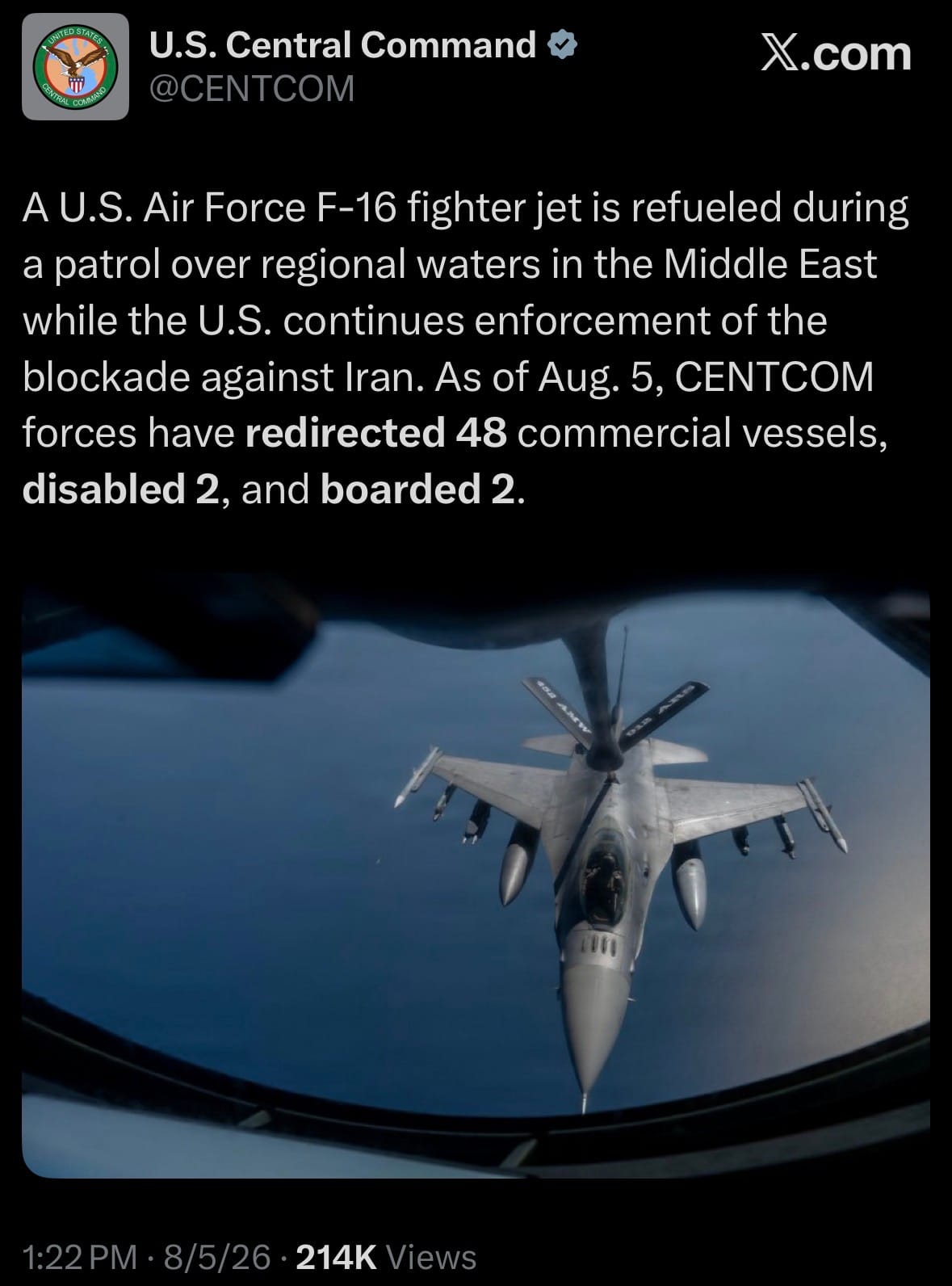
Geopolitics & Military Activity:
- Yesterday, Yemen’s Houthi movement claimed it targeted the Saudi oil tanker Wafa with missiles in the northern Red Sea near the Saudi port of Yanbu, marking a significant expansion of its maritime campaign.
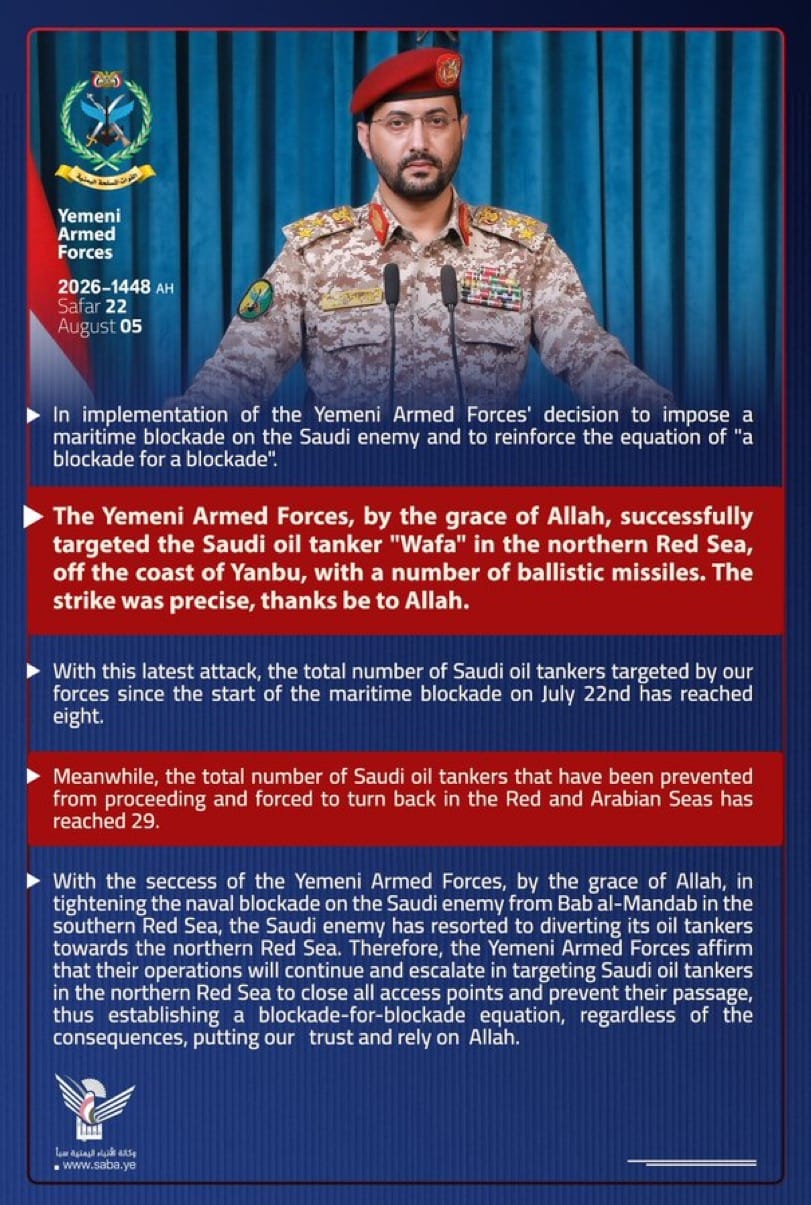
- If confirmed, the strike would represent the eighth Saudi oil tanker targeted since late July and signals that the Houthis are extending attacks farther north, increasing risks to commercial shipping and regional energy supplies.

Science & Technology:
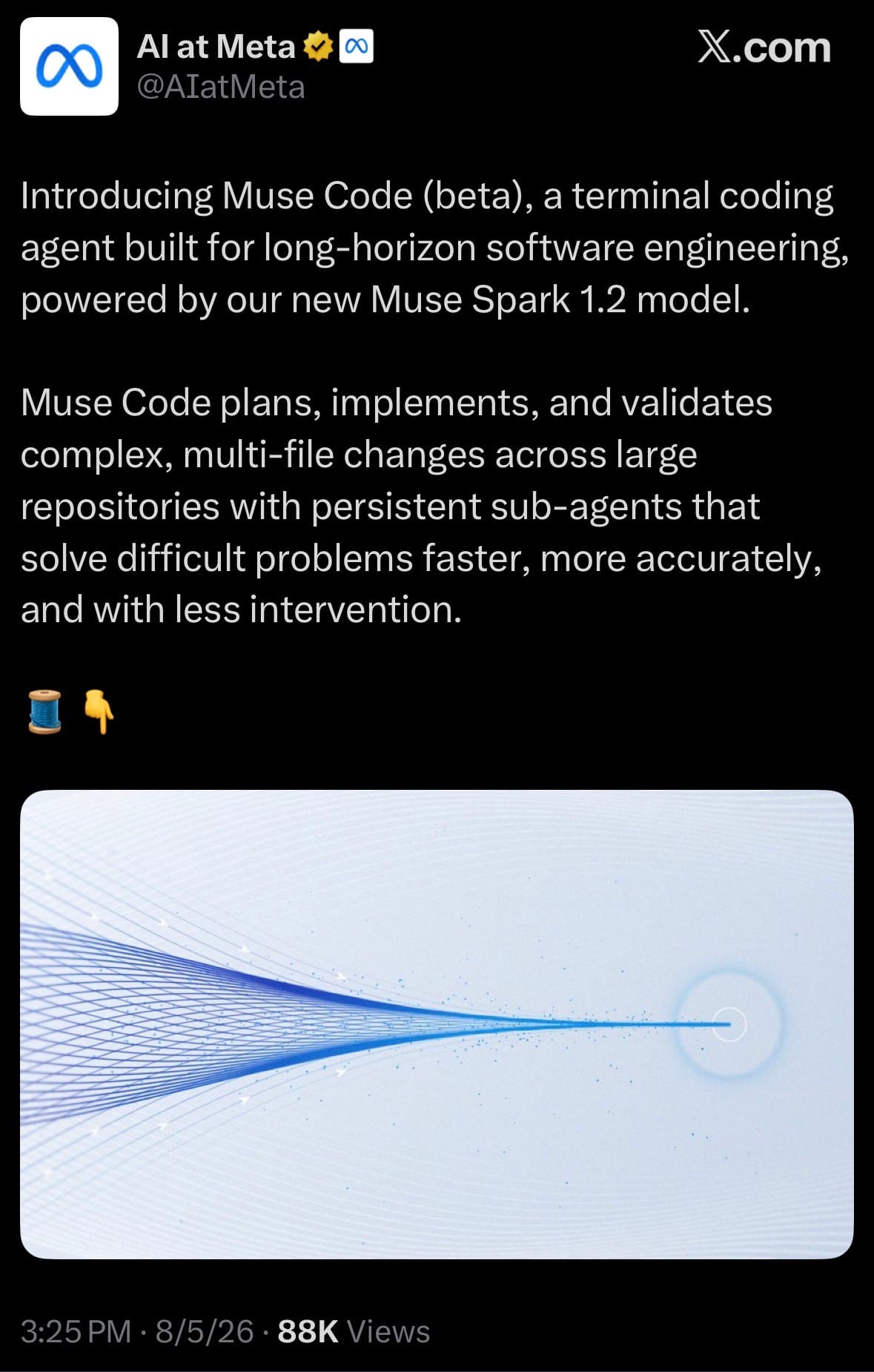
- Yesterday, Meta launched Muse Code (beta), a new AI coding assistant designed to help software engineers complete large, complex programming projects with minimal supervision. Powered by the new Muse Spark 1.2 model, it can plan, write, test, and validate code across entire software repositories, making it easier for developers to build and maintain large applications.

Space:
- Yesterday, SpaceX launched AST SpaceMobile’s BlueBird 11, 12, and 13 satellites, the latest additions to the company’s planned space-based cellular network that will allow everyday smartphones to connect directly to satellites in areas without traditional cell service.
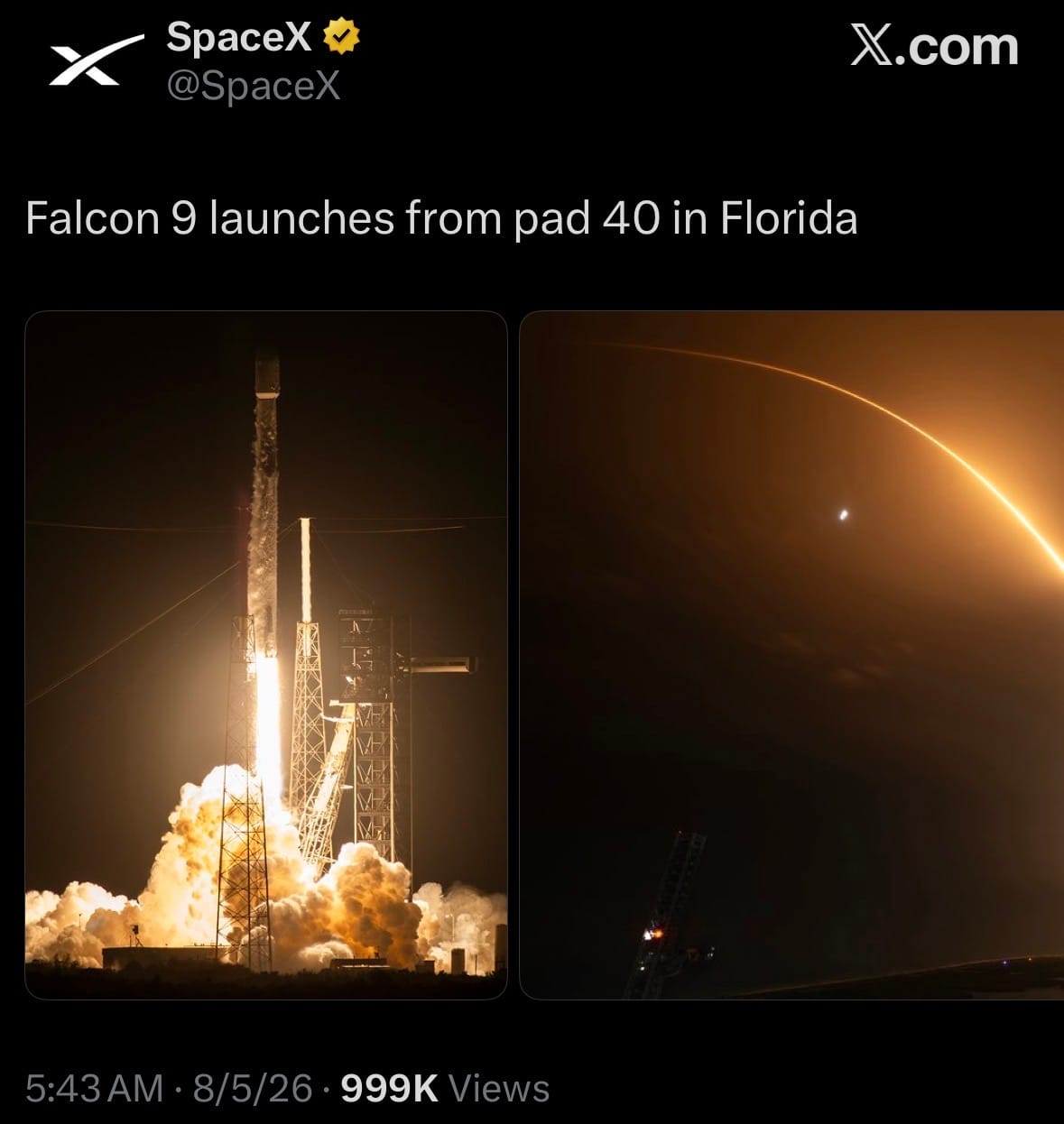
- The satellites are designed to expand mobile coverage in remote and underserved regions, helping provide voice, text, and data connectivity where terrestrial cellular networks are unavailable.
Statistic:
- Largest public companies on Earth by market capitalization:
- 🇺🇸 NVIDIA: $5.309T
- 🇺🇸 Apple: $4.538T
- 🇺🇸 Alphabet (Google): $4.404T
- 🇺🇸 Microsoft: $3.619T
- 🇺🇸 Amazon: $2.940T
- 🇹🇼 TSMC: $2.147T
- 🇺🇸 Broadcom: $1.990T
- 🇸🇦 Saudi Aramco: $1.722T
- 🇺🇸 Meta Platforms: $1.499T
- 🇺🇸 SpaceX: $1.427T
- 🇺🇸 Tesla: $1.269T
- 🇺🇸 Berkshire Hathaway: $1.119T
- 🇰🇷 Samsung: $1.065T
- 🇺🇸 Eli Lilly: $1.043T
- 🇺🇸 Micron Technology: $1.008T
- 🇺🇸 JPMorgan Chase: $954.93B
- 🇺🇸 Walmart: $894.01B
- 🇺🇸 AMD: $786.03B
- 🇰🇷 SK Hynix: $759.69B
- 🇺🇸 Visa: $688.08B
- 🇳🇱 ASML: $644.60B
- 🇺🇸 Exxon Mobil: $628.49B
- 🇺🇸 Johnson & Johnson: $620.76B
- 🇨🇳 Tencent: $554.05B
- 🇨🇳 CXMT: $541.60B
- 🇺🇸 Intel: $509.74B
- 🇺🇸 Mastercard: $499.74B
- 🇺🇸 Cisco: $478.88B
- 🇺🇸 Bank of America: $442.29B
- 🇺🇸 AbbVie: $435.06B
- 🇺🇸 Applied Materials: $424.16B
- 🇺🇸 Costco: $417.75B
- 🇺🇸 Oracle: $415.91B
- 🇺🇸 Caterpillar: $401.21B
- 🇺🇸 General Electric: $395.53B
- 🇺🇸 Lam Research: $384.66B
- 🇨🇳 China Construction Bank: $384.23B
- 🇺🇸 Palantir: $380.71B
- 🇺🇸 UnitedHealth: $374.83B
- 🇺🇸 Coca-Cola: $373.59B
- 🇺🇸 Chevron: $365.73B
- 🇨🇭 Roche: $365.29B
- 🇬🇧 HSBC: $352.15B
- 🇺🇸 Home Depot: $352.12B
- 🇺🇸 Morgan Stanley: $343.12B
- 🇺🇸 Procter & Gamble: $341.22B
- 🇨🇳 Agricultural Bank of China: $334.39B
- 🇨🇳 ICBC: $323.31B
- 🇺🇸 Merck: $316.95B
- 🇺🇸 Netflix: $308.96B
- 🇺🇸 Goldman Sachs: $308.75B
History:
- Military use of space began long before the first satellite launched. During the 1940s, German V-2 rockets demonstrated that missiles could travel into the edge of space before striking targets, laying the foundation for both ballistic missiles and space launch vehicles. After World War II, the United States and Soviet Union captured German rocket technology and scientists, beginning the Space Race. The launch of Sputnik 1 (1957) proved satellites could orbit Earth, while Explorer 1 (1958) marked America’s first satellite. Almost immediately, both nations recognized that satellites could become strategic military assets. Early programs focused on communications, weather forecasting, missile warning, navigation, and intelligence collection. The U.S. established the National Reconnaissance Office (NRO) in 1961, launching highly classified reconnaissance satellites capable of photographing military installations around the world. The first successful military communication satellites appeared during the 1960s, allowing commanders to communicate securely across continents. During the Cold War, satellites became critical for detecting ballistic missile launches, tracking nuclear forces, supporting submarines, guiding bombers, monitoring treaties, and collecting electronic intelligence (SIGINT). The Outer Space Treaty (1967) prohibited placing nuclear weapons or other weapons of mass destruction in orbit but did not ban military satellites or conventional military activities in space, allowing space to become increasingly militarized without becoming fully weaponized.
- Throughout the 1970s–2000s, space became an essential part of nearly every military operation. The United States developed the GPS navigation system, beginning in 1978 and reaching full operational capability in 1995, allowing aircraft, ships, missiles, vehicles, and soldiers to navigate with unprecedented accuracy. Communications satellites expanded into secure global command networks, while early-warning satellites continuously monitored Earth for missile launches using infrared sensors. Reconnaissance satellites evolved from film-return capsules into real-time electro-optical, radar, infrared, hyperspectral, and signals intelligence platforms capable of monitoring military activity anywhere on Earth. Space also became essential for precision-guided weapons, drone operations, weather forecasting, intelligence sharing, cyber operations, and battlefield command and control. During conflicts such as the 1991 Gulf War, the Kosovo War (1999), the wars in Afghanistan and Iraq, and the Russia-Ukraine War, satellites became indispensable for communications, navigation, targeting, logistics, intelligence, and battlefield awareness. At the same time, nations began developing counter-space capabilities, including anti-satellite (ASAT) missiles, electronic jamming, cyberattacks, laser dazzling systems, orbital inspection satellites, and electronic warfare designed to disrupt enemy satellites. Major military space powers today include the United States, China, Russia, France, the United Kingdom, India, Japan, and Israel, each operating military communications, navigation, reconnaissance, missile-warning, and intelligence satellites.
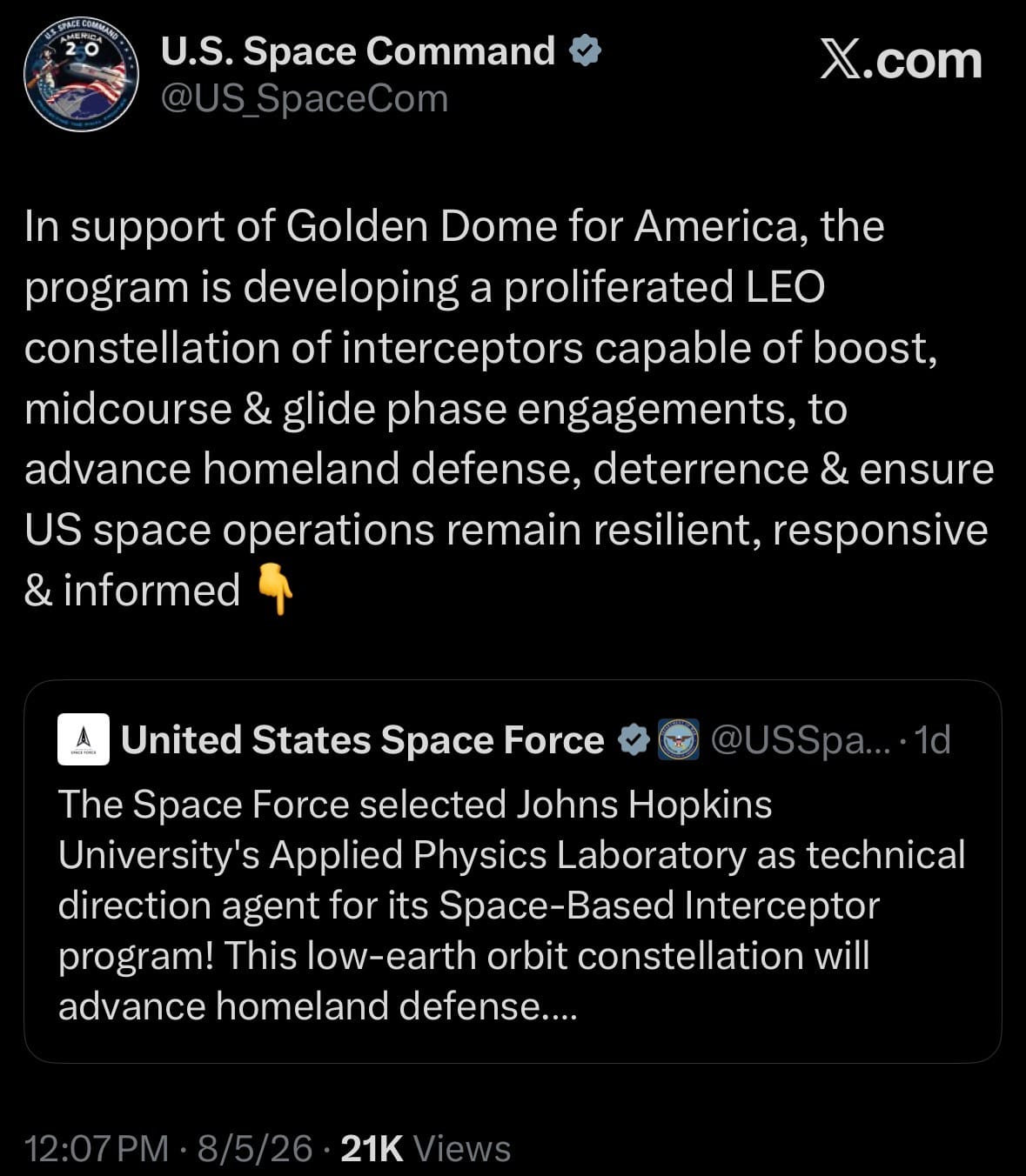
- Today, space has become a recognized military domain alongside land, sea, air, and cyberspace. The United States Space Force, established in 2019, now leads American military space operations alongside organizations including the National Reconnaissance Office (NRO), U.S. Space Command, NASA, and commercial partners such as SpaceX. The United States operates the world’s largest military satellite architecture, including GPS, SBIRS and Next-Generation OPIR missile-warning satellites, highly classified NRO reconnaissance systems, secure communications constellations, and Starshield, SpaceX’s military satellite network supporting secure communications, intelligence, missile tracking, and resilient battlefield networking. China and Russia are rapidly expanding their own military space capabilities with reconnaissance satellites, navigation systems (BeiDou and GLONASS), communications networks, electronic warfare, and anti-satellite weapons. The next phase is expected to focus on orbital missile defense, autonomous satellite constellations, artificial intelligence, on-orbit servicing, space-based sensors, and potentially space-based interceptors. The United States’ proposed Golden Dome initiative seeks to integrate ground, sea, air, and space-based sensors with advanced missile-defense systems capable of detecting and potentially intercepting ballistic, hypersonic, and other advanced missile threats through a layered architecture. While many details remain under development, it reflects a broader shift toward treating space not simply as a support domain but as the backbone of global military communications, intelligence, missile warning, navigation, and future strategic defense. As warfare becomes increasingly networked, control of space infrastructure is becoming as strategically important as control of the oceans was during the 20th century.
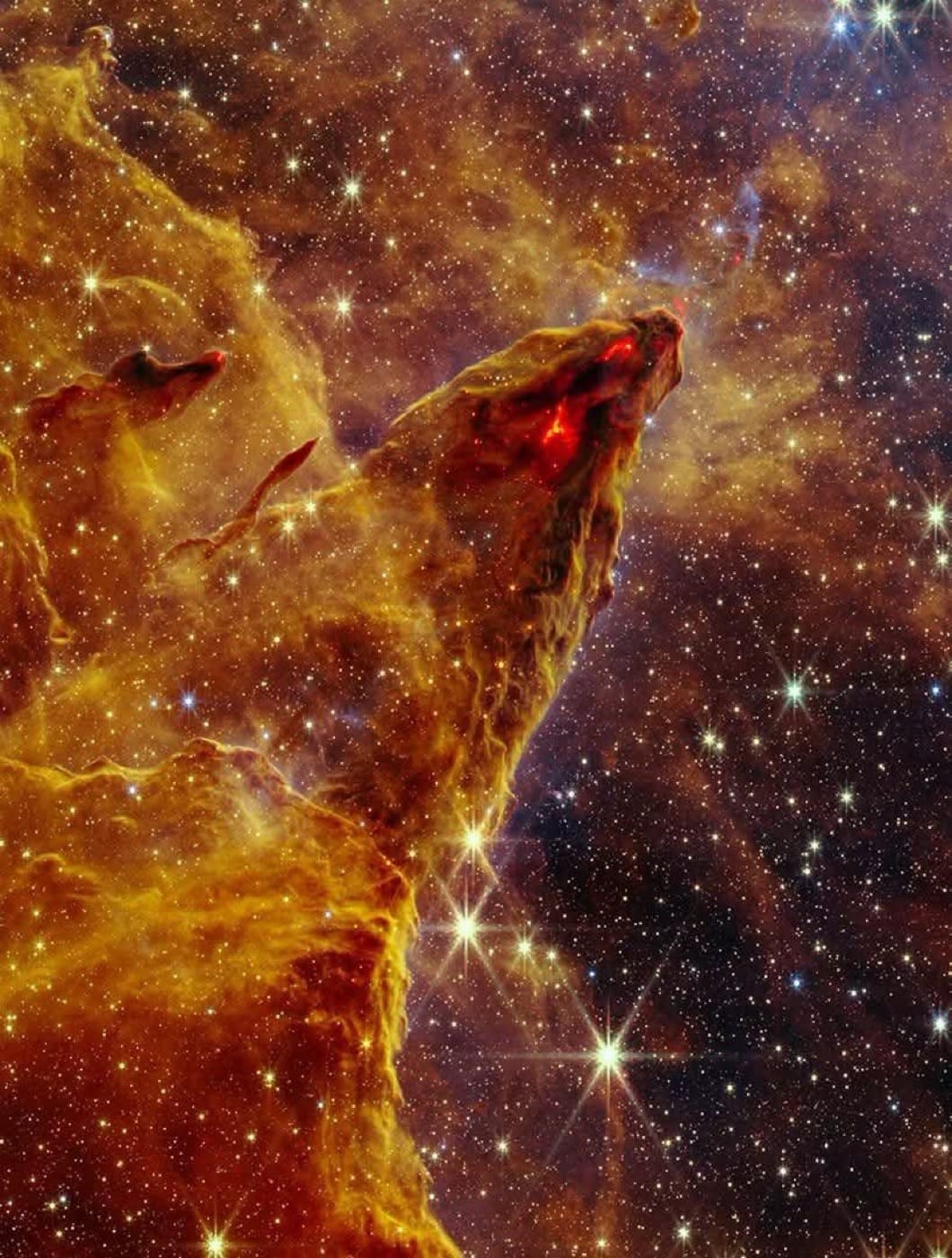
Image of the day:
Thanks for reading! Earth is complicated, we make it simple.
- Download our mobile app:



Click below to view our previous newsletters:

Support/Suggestions Email:
support@earthintel.io