Tuesday☕️🌎

Economics & Markets:
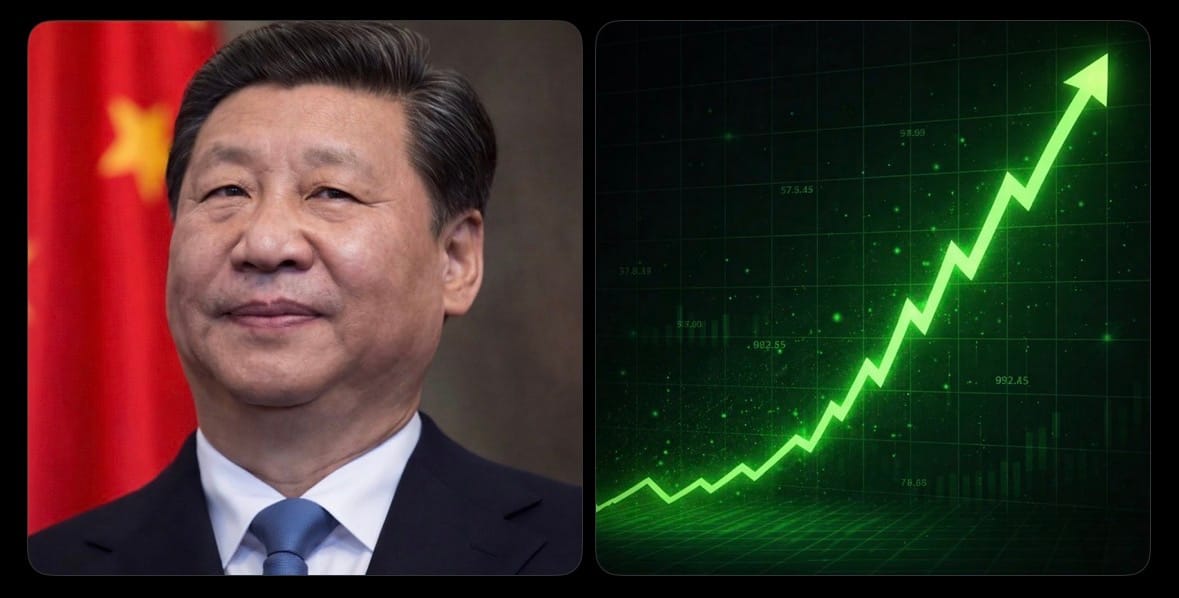
- September 8, 2026 — China reported a record $119.1 billion trade surplus for August, with exports rising 25% from a year earlier to $401.4 billion and imports rising 28.2% to $282.4 billion. Strong overseas demand for Chinese cars, semiconductors and other high-tech products helped drive the increase, with exports to the United States rising 34.4%.
- In September, 2026, U.S. data center construction spending reached a record annualized pace of about $75 billion in July, up roughly 57% from a year earlier as companies rapidly build infrastructure for AI and cloud computing.
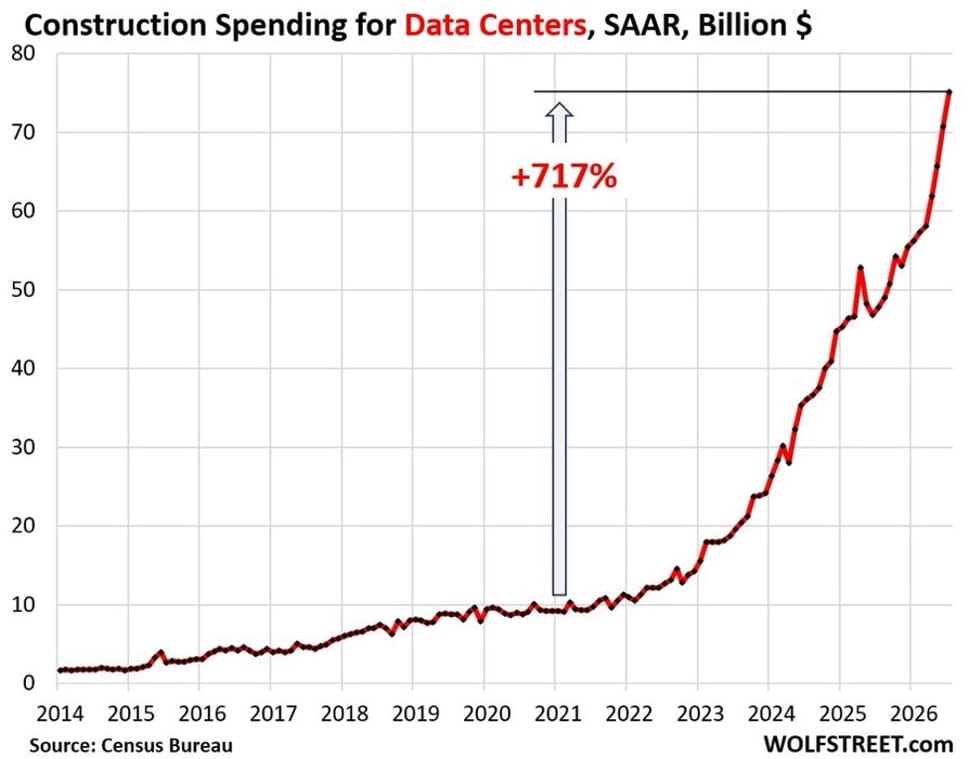
- The surge stands out against a broader construction slowdown, with total U.S. construction spending down 3.8% from July 2025.
Nike S&P Removal:
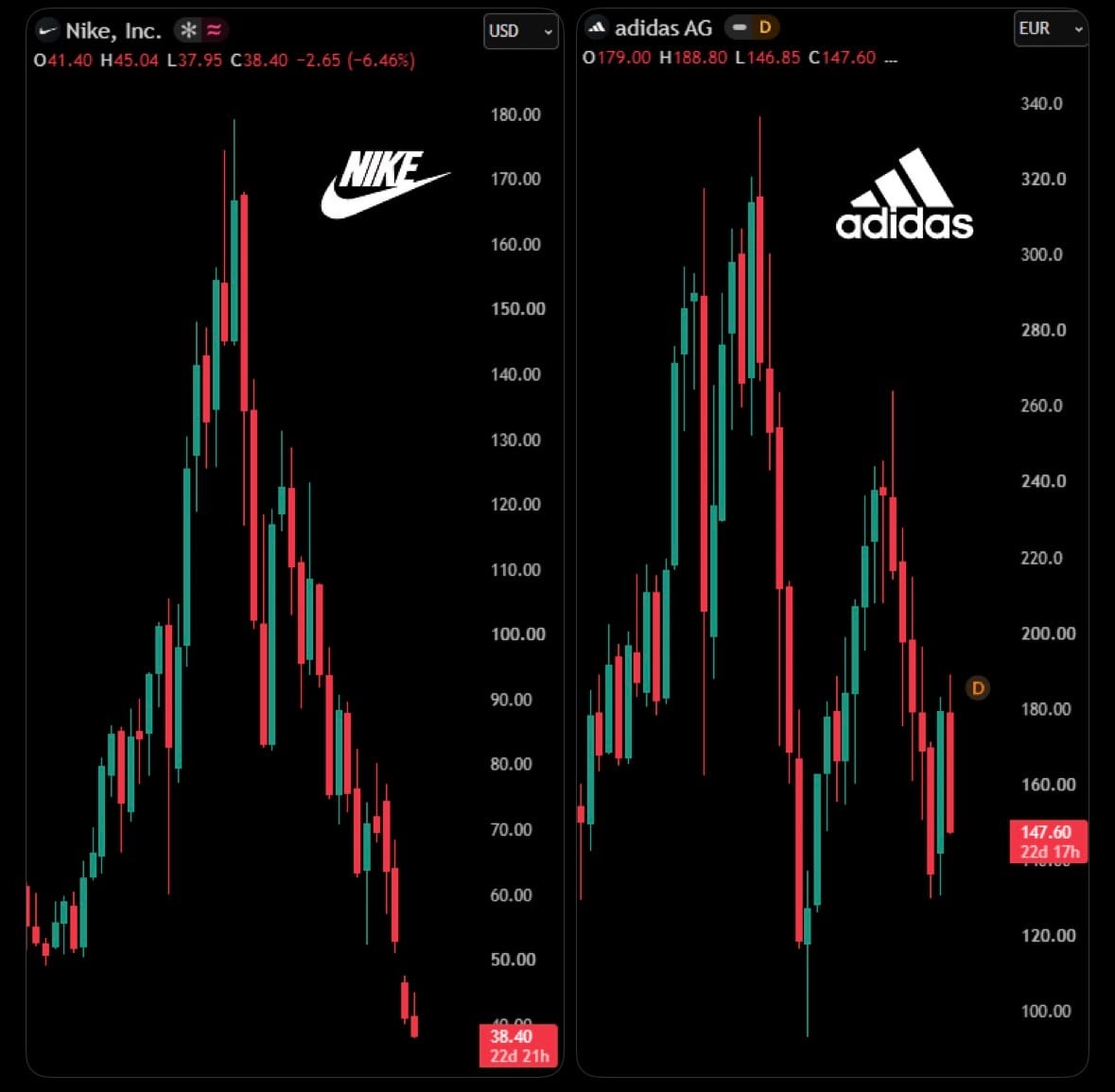
- September 4, 2026 — S&P Dow Jones Indices announced that Nike will be removed from the S&P 100 before markets open on September 21, ending its nearly 18-year run in the index as the company struggles with a major decline from its 2021 peak; Nike will remain in the broader S&P 500. Meanwhile, Adidas is gaining momentum, reporting a record €6.74 billion in Q2 sales, up 14% on a currency-neutral basis, with performance products up 39% and direct-to-consumer sales up 25%.
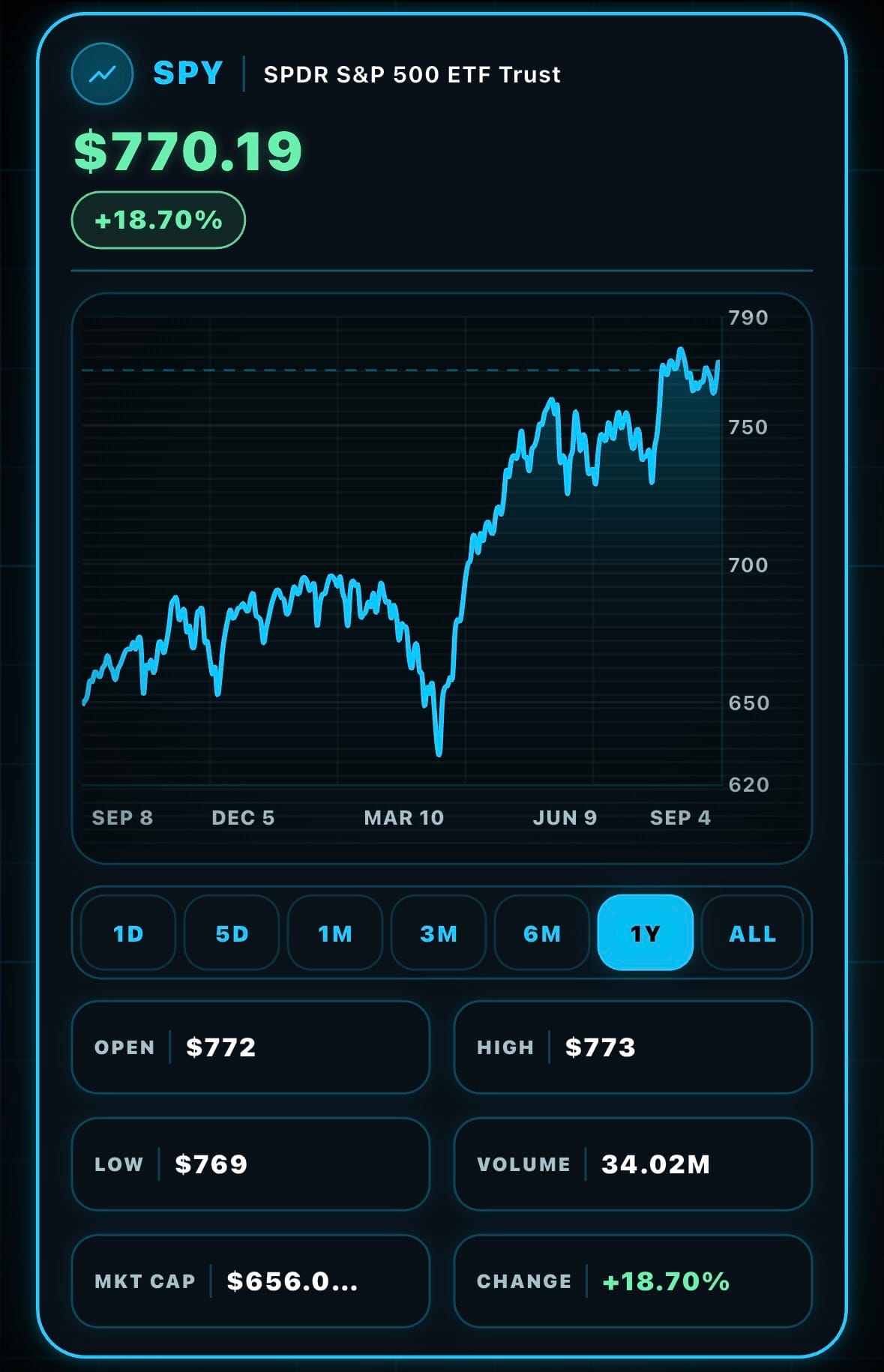
- Past 1 year of SPY (S&P 500 ETF):
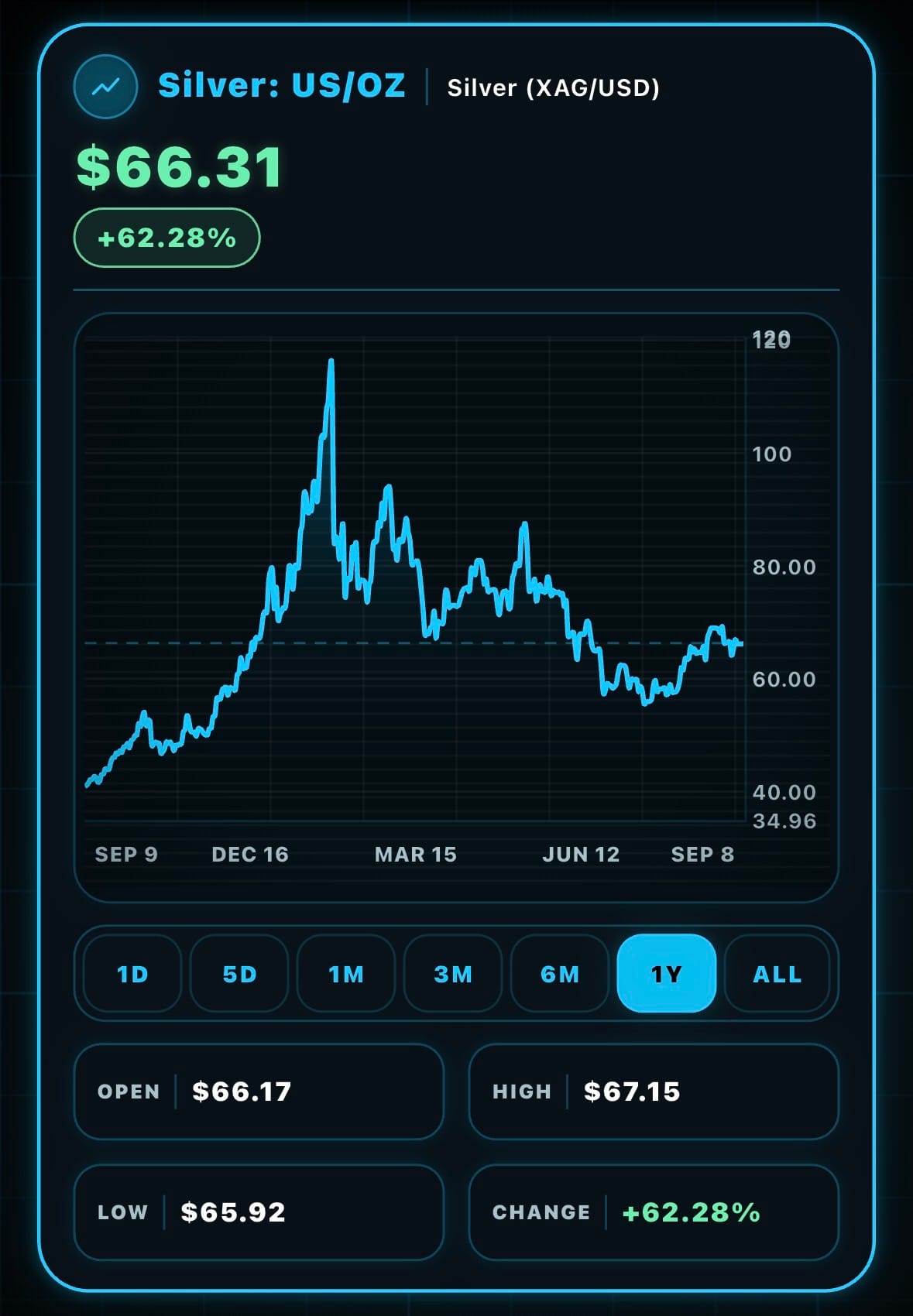
- Past 1 year of silver price:
Geopolitics & Military Activity:
- September 7, 2026 — U.S. Southern Command forces intercepted a floating refueling vessel in the Eastern Pacific that SOUTHCOM says was supporting drug-trafficking operations for Ecuador’s Los Choneros organization.
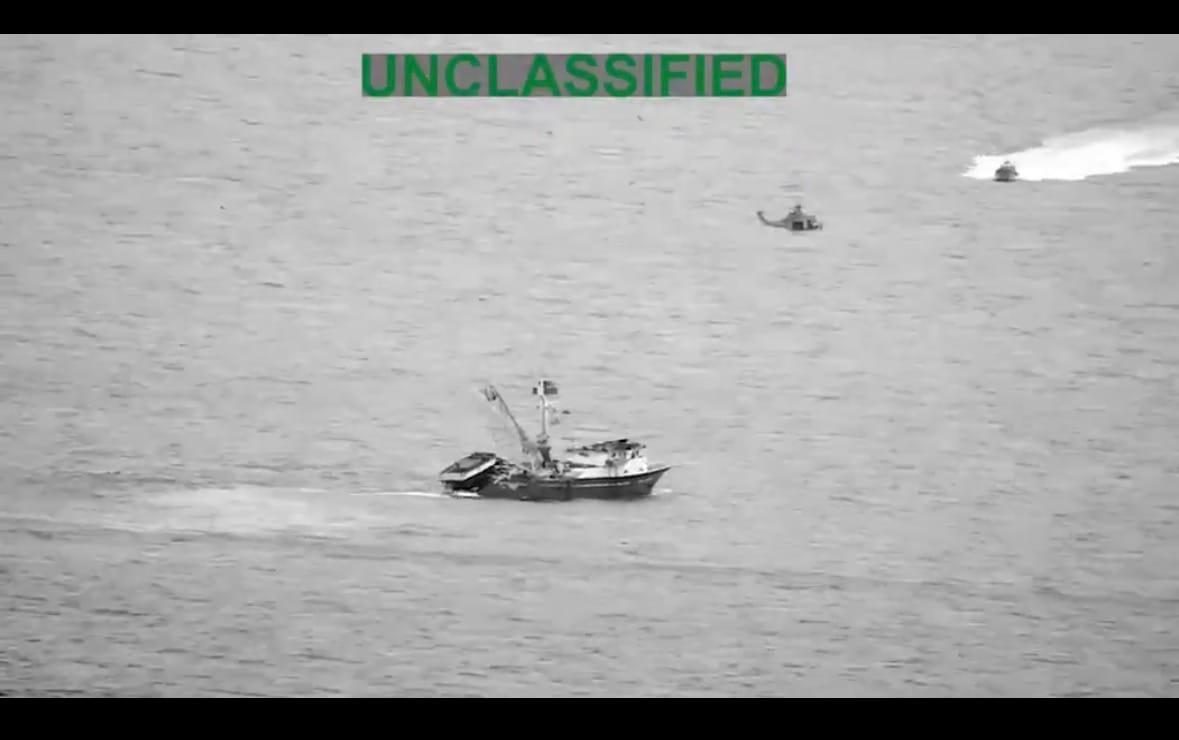
- The crew was removed for transfer to Ecuadorian authorities before U.S. forces sank the vessel, eliminating another offshore fuel point used to support drug-smuggling boats.
Science & Technology:
- September 7, 2026 — Sweden conducted its first live test of a TAURUS cruise missile launched from a Gripen fighter jet, demonstrating a new long-range strike capability for the Swedish Air Force.
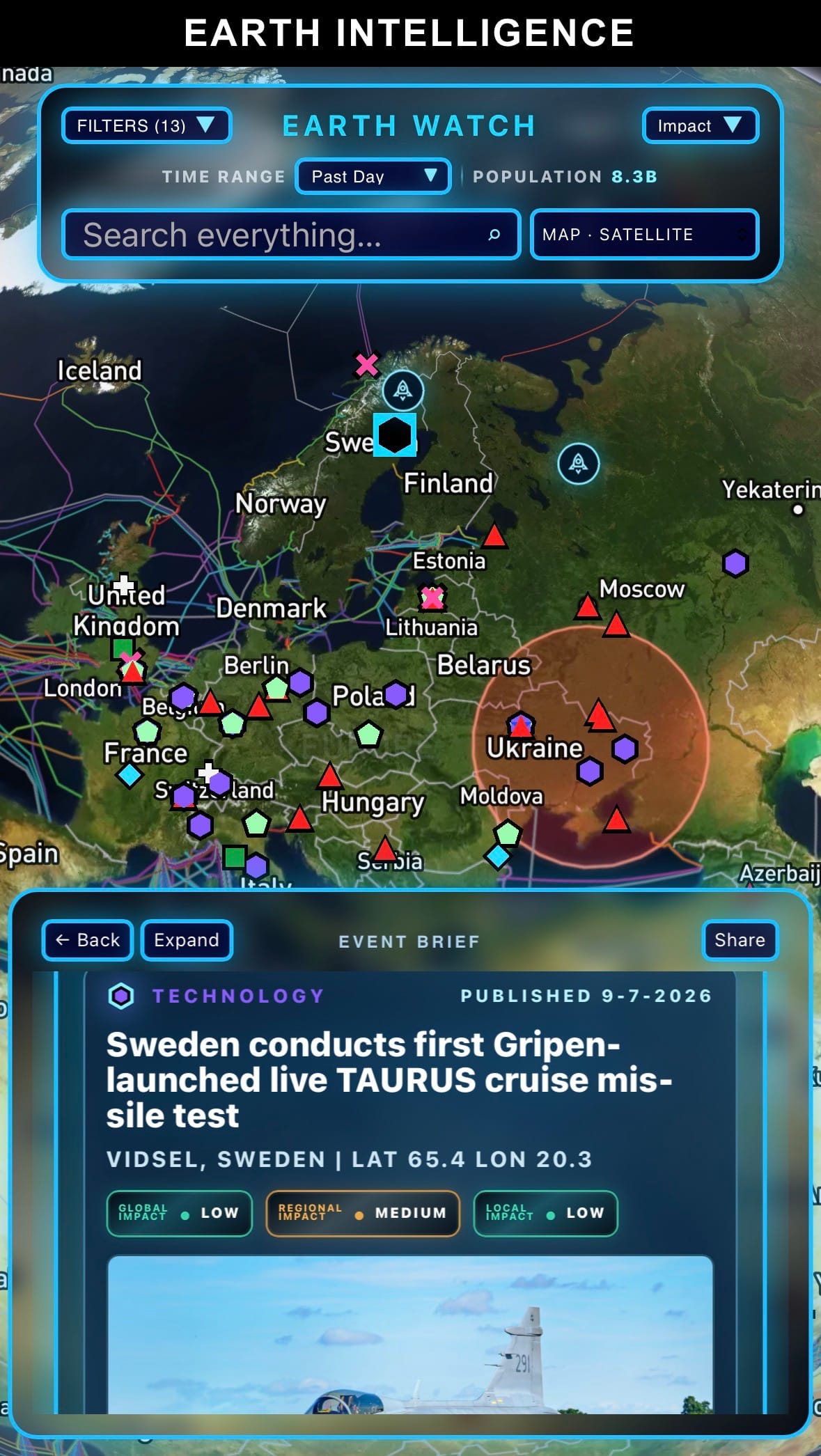
- The air-launched missile is designed to penetrate heavily defended airspace and destroy high-value targets such as command centers, air bases, bridges, and hardened bunkers from hundreds of kilometers away.
Space:
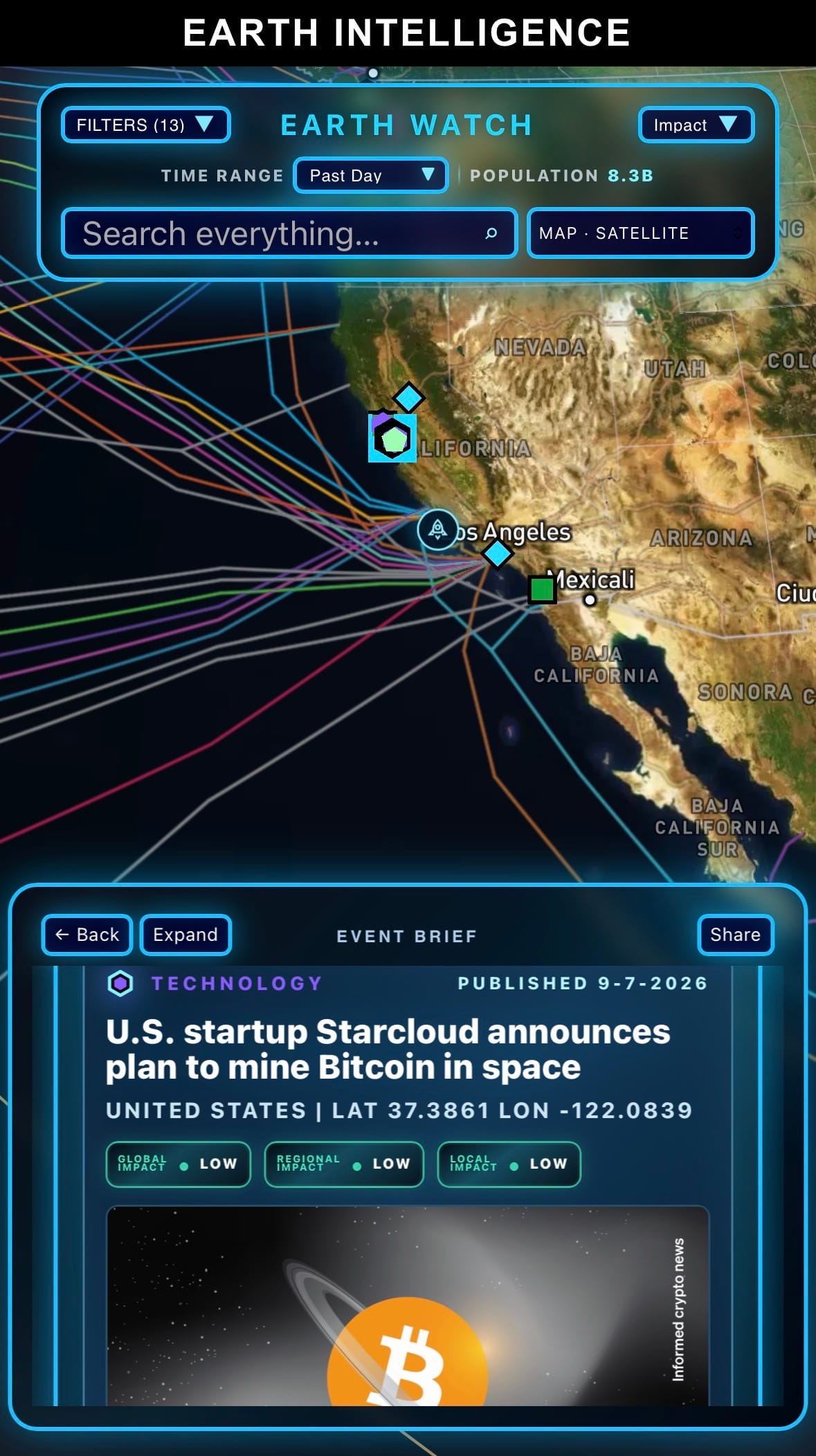
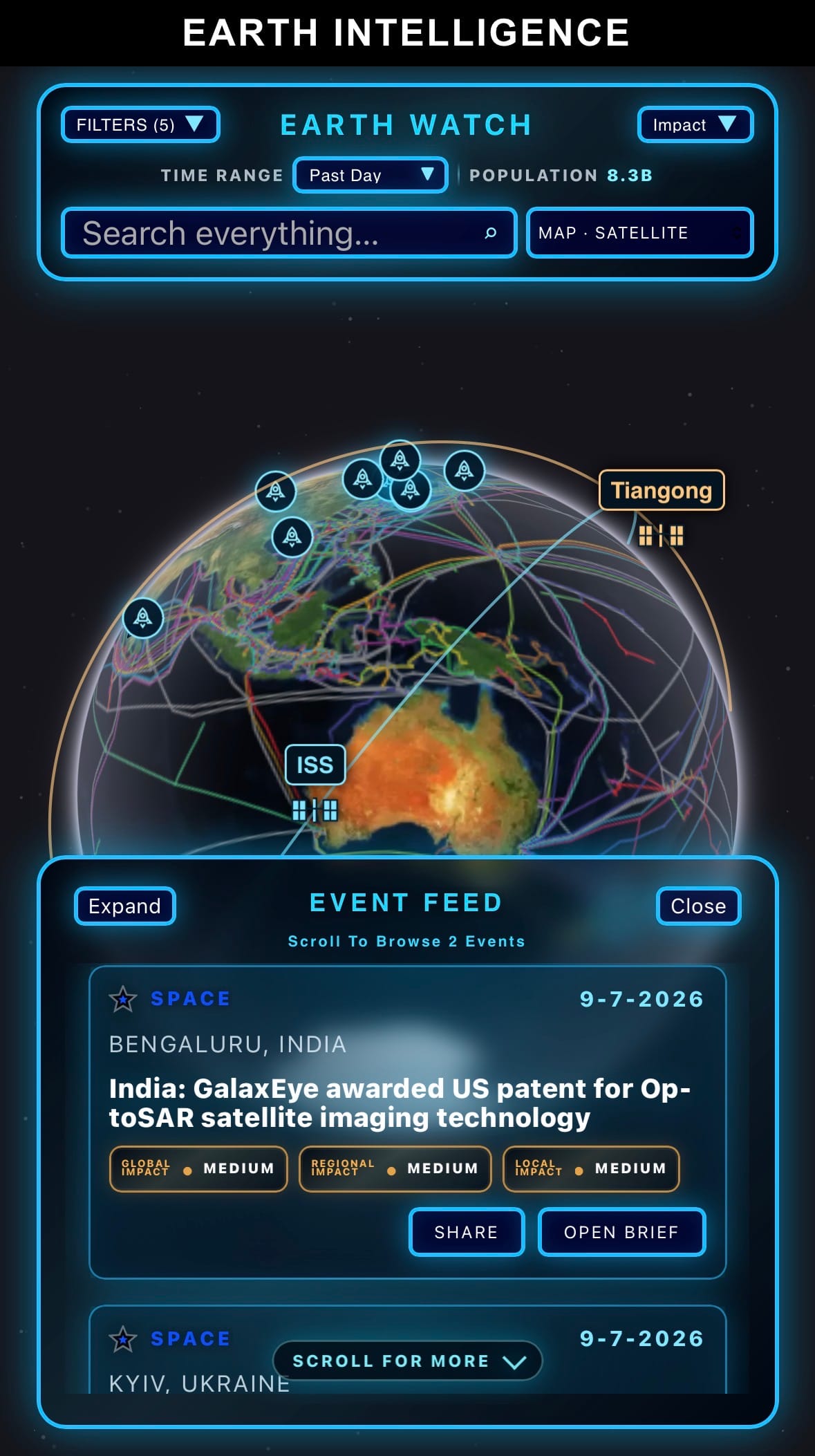
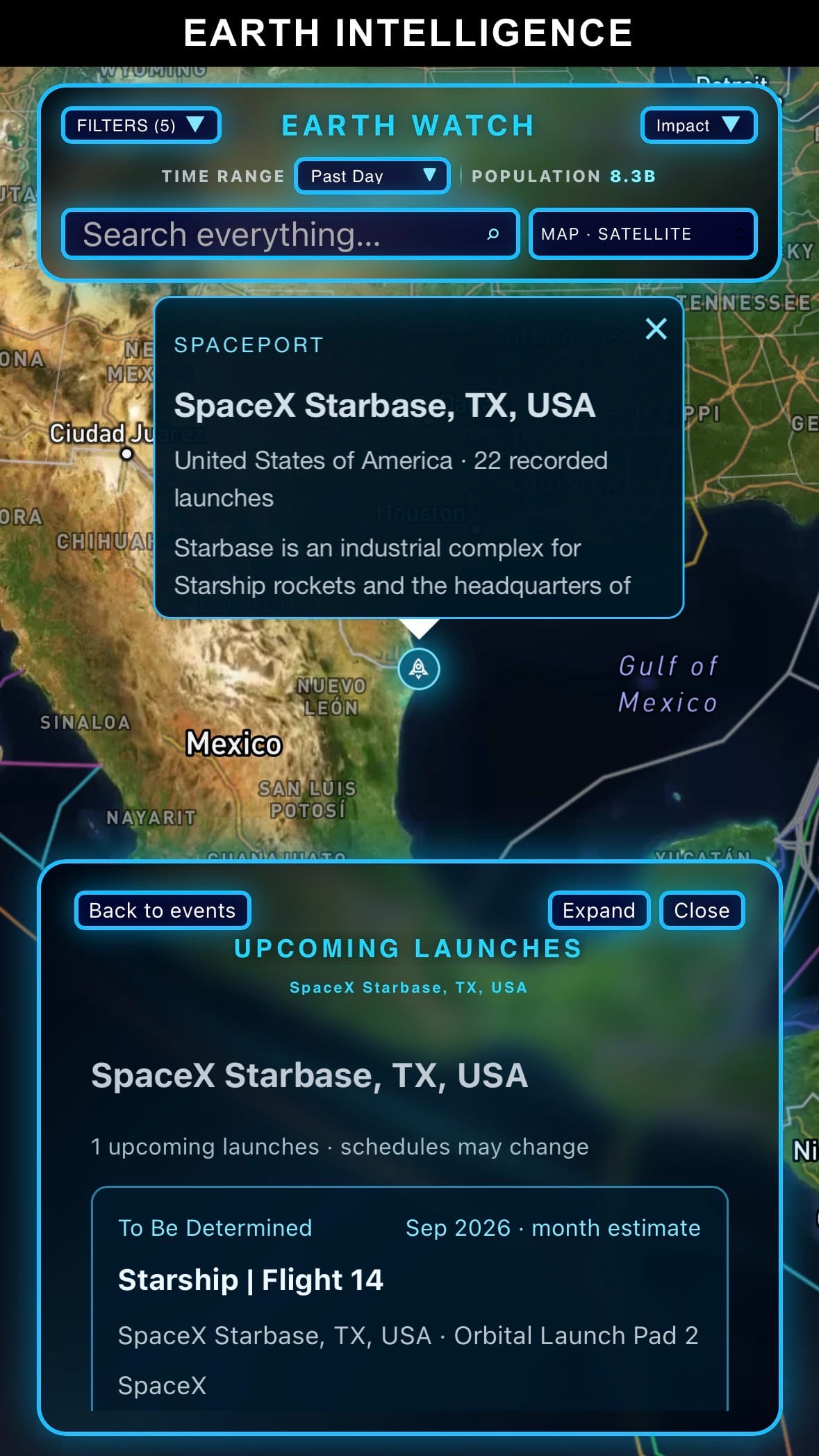
- Spaceports are now live on EARTH WATCH (Click images to view):
Statistic:
- Largest public automakers by market capitalization:
- 🇺🇸 Tesla: $1.398T
- 🇯🇵 Toyota: $233.41B
- 🇨🇳 BYD: $117.71B
- 🇨🇳 Xiaomi: $93.15B
- 🇺🇸 General Motors: $79.37B
- 🇰🇷 Hyundai: $75.72B
- 🇮🇹 Ferrari: $72.05B
- 🇺🇸 Ford: $58.29B
- 🇩🇪 Mercedes-Benz: $53.54B
- 🇩🇪 Porsche: $47.38B
- 🇩🇪 Volkswagen: $47.22B
- 🇩🇪 BMW: $43.73B
- 🇮🇳 Maruti Suzuki India: $42.46B
- 🇯🇵 Honda: $42.39B
- 🇮🇳 Mahindra & Mahindra: $40.16B
- 🇰🇷 Kia: $36.87B
- 🇯🇵 Suzuki Motor: $25.21B
- 🇨🇳 Geely: $23.09B
- 🇺🇸 Rivian: $22.78B
- 🇳🇱 Stellantis: $20.94B
- 🇨🇳 Great Wall Motors: $19.11B
- 🇮🇳 Hyundai Motor India: $19.00B
- 🇨🇳 Chery Automobile: $18.89B
- 🇨🇳 SAIC Motor: $18.15B
- 🇮🇳 Tata Motors: $16.63B
History of the U.S. Navy SEALs:
- The Navy SEALs evolved from specialized maritime units created during World War II. After Pearl Harbor, the U.S. military needed personnel who could secretly approach defended beaches, destroy obstacles, gather intelligence, and prepare coastlines for amphibious invasions. The Navy created units including Scouts and Raiders in 1942, Naval Combat Demolition Units, and eventually Underwater Demolition Teams (UDTs) in 1943. UDT “frogmen” conducted dangerous reconnaissance and demolition missions across the Pacific and Europe, including preparations for the Normandy landings in 1944. During the Korean War, UDTs expanded beyond beach demolition into raids, reconnaissance, and operations behind enemy lines. By the early Cold War, unconventional warfare was becoming increasingly important, particularly as the United States confronted Soviet-backed movements without necessarily fighting conventional wars directly.
- President John F. Kennedy, a strong supporter of special operations and counterinsurgency, helped drive the creation of a more versatile maritime special-operations force. On January 1, 1962, the Navy established SEAL Team ONE on the West Coast and SEAL Team TWO on the East Coast; SEAL stands for Sea, Air, and Land, reflecting their ability to operate across all three environments. Vietnam became their first major war, where SEALs conducted reconnaissance, raids, ambushes, intelligence collection, and operations along rivers and coastal areas. Their capabilities expanded afterward through advanced diving, parachuting, demolitions, weapons, communications, and unconventional-warfare training. Following shortcomings across U.S. special operations exposed by the failed 1980 Iran hostage rescue attempt, the military reorganized special operations. SEAL Team SIX was created in 1980 under Richard Marcinko as a dedicated maritime counterterrorism unit; it later evolved into the highly classified Naval Special Warfare Development Group (DEVGRU). In 1987, Naval Special Warfare Command was established, and the creation of U.S. Special Operations Command (USSOCOM) that same year placed SEALs within a much more integrated national special-operations structure.
- Since then, SEALs have participated in Grenada, Panama, the Gulf War, Somalia, Afghanistan, Iraq, counterterrorism operations, hostage rescues, maritime interdiction, and other classified missions worldwide. After September 11, 2001, their role expanded dramatically during the Global War on Terror, with SEAL teams conducting reconnaissance and direct-action operations against al-Qaeda, the Taliban, ISIS, and other armed groups. The most famous operation came on May 2, 2011, when DEVGRU conducted Operation Neptune Spear in Abbottabad, Pakistan, killing Osama bin Laden. Today, Naval Special Warfare includes SEAL Teams, specialized maritime support personnel such as Special Warfare Combatant-craft Crewmen (SWCC), and supporting intelligence, communications, logistics, and technical units. SEAL candidates undergo the famously demanding BUD/S training pipeline before additional specialized training, although becoming an operational SEAL requires considerably more preparation beyond BUD/S. Their modern mission set includes special reconnaissance, direct action, counterterrorism, unconventional warfare, maritime operations, personnel recovery, and partner-force operations. The evolution is essentially 1942 Scouts and Raiders → 1943 UDT frogmen → WWII/Korea → 1962 SEAL Teams → Vietnam → 1980 SEAL Team Six → 1987 Naval Special Warfare Command/USSOCOM → post-9/11 Afghanistan and Iraq → 2011 bin Laden raid → today’s globally deployable maritime special-operations force.
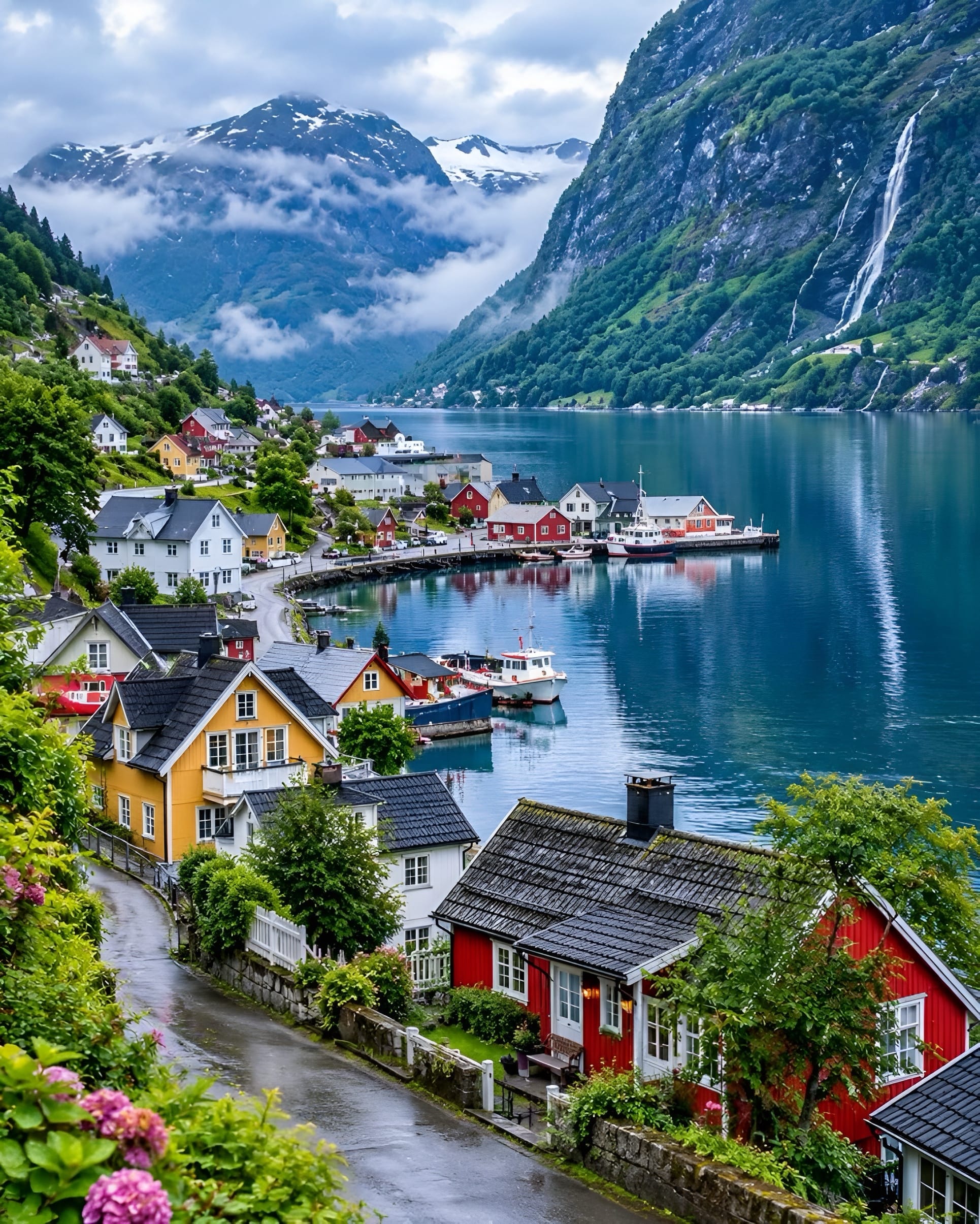
Image of the day:
Thanks for reading! Earth is complicated, we make it simple.
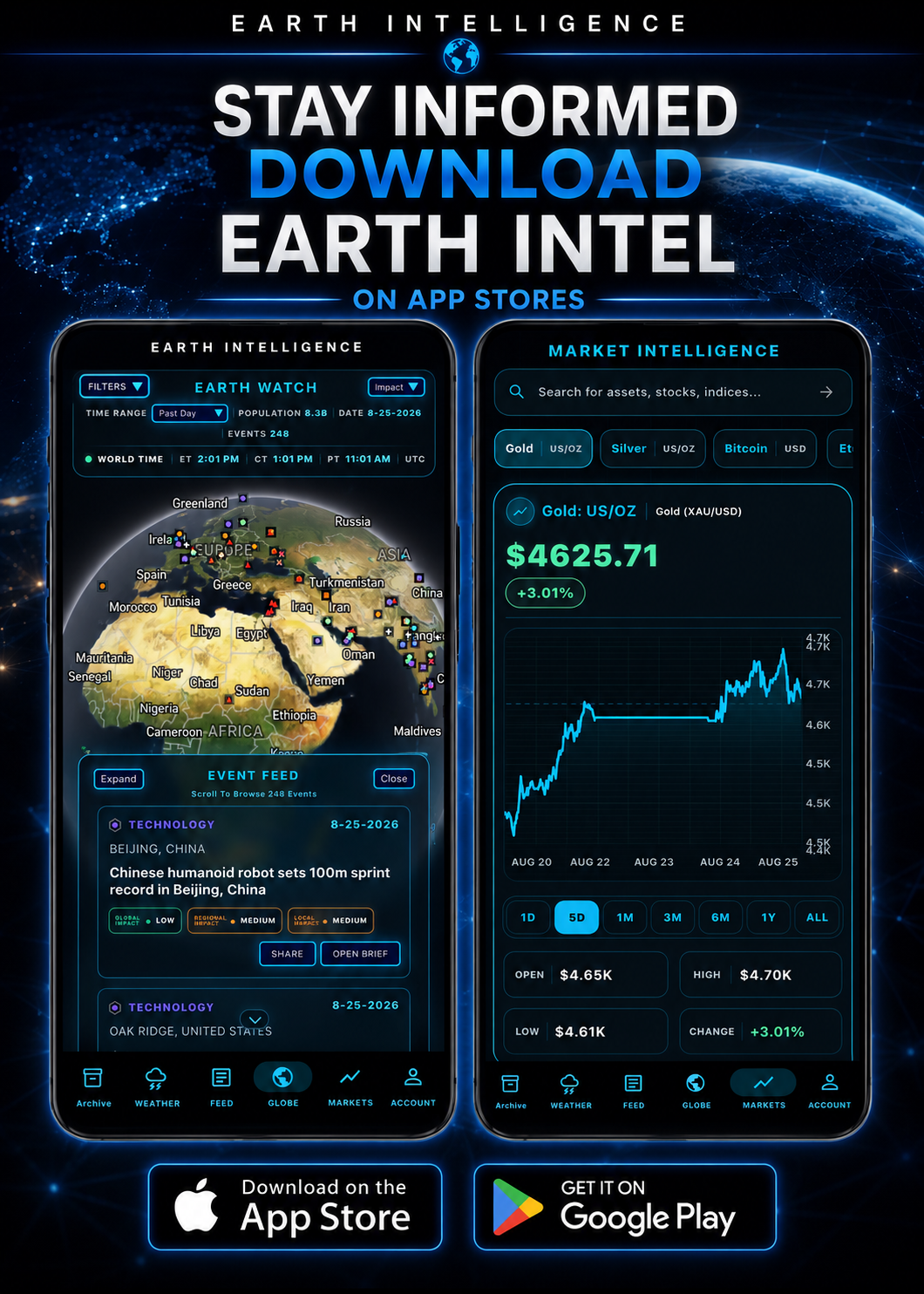
- Download our mobile app:


Click below to view our previous newsletters:

Support/Suggestions Email:
support@earthintel.io