Friday☕️


Trending:
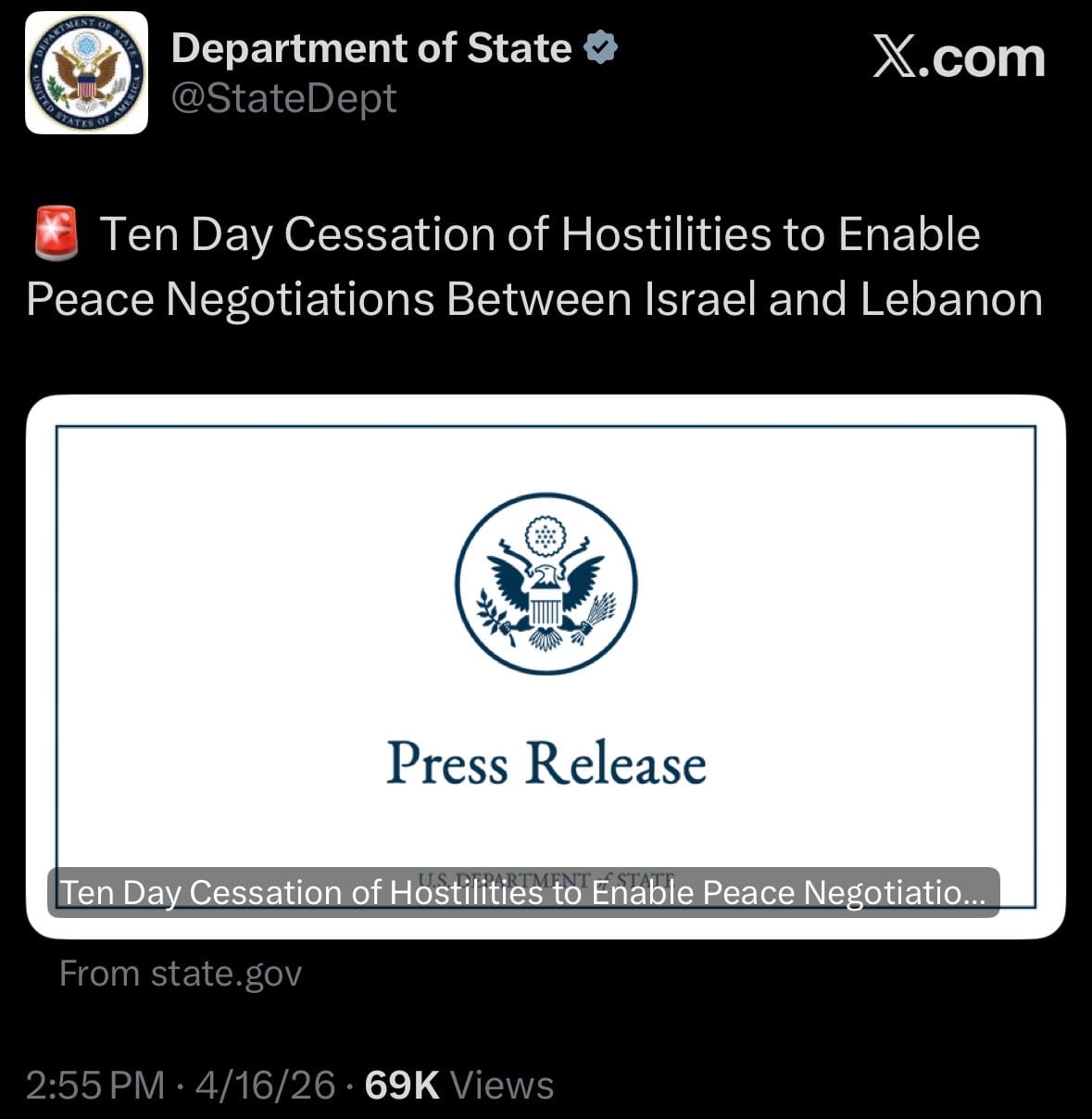
- On April 16, 2026, U.S. President Donald Trump announced that Israel and Lebanon have agreed to a 10-day ceasefire, which took effect at 5:00 p.m. ET (21:00 GMT). The temporary truce, brokered by the U.S., aims to halt the fighting that began in March 2026 when Hezbollah resumed attacks on Israel in support of Iran.
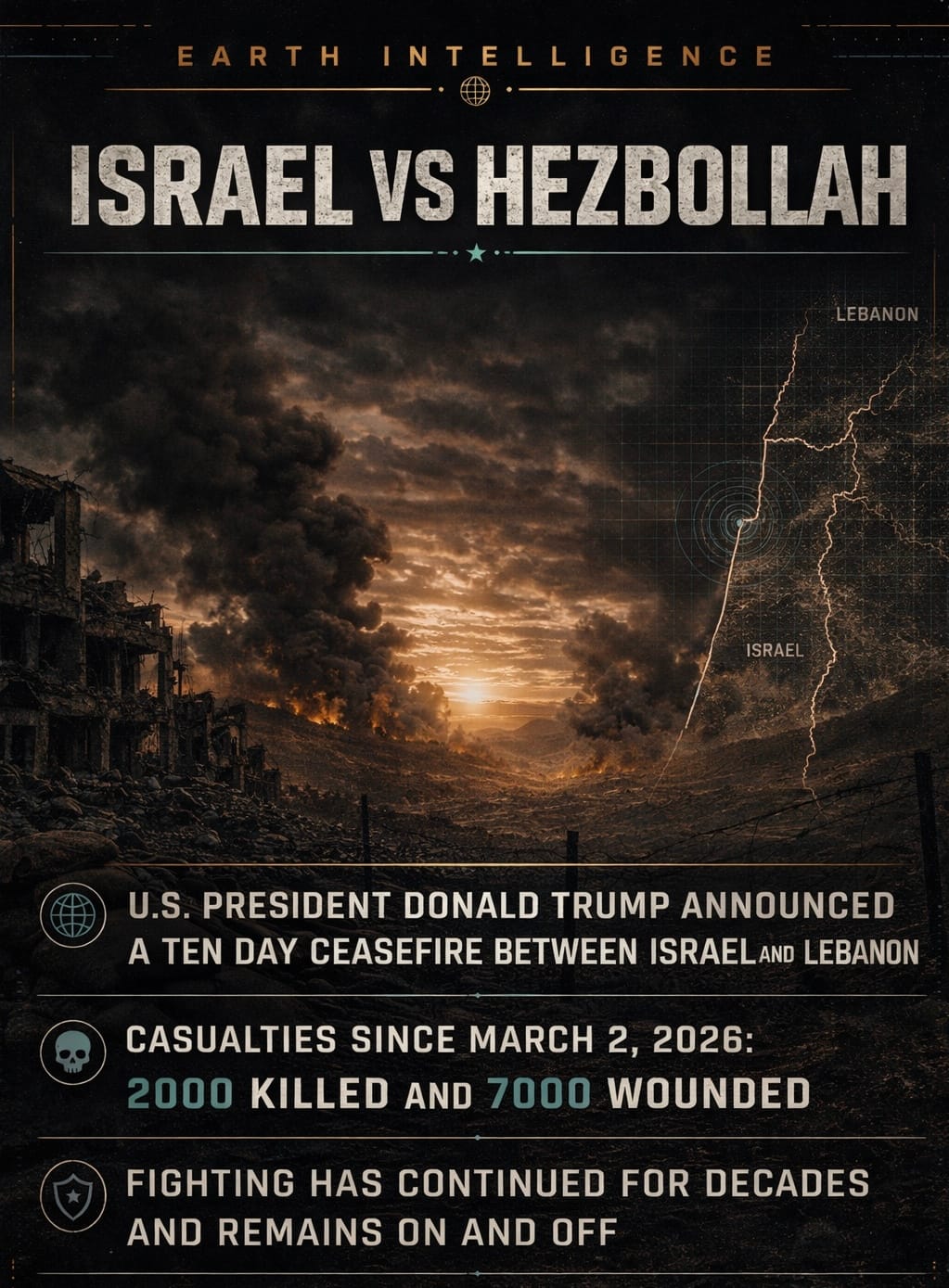
- Both sides have stated they will abide by the ceasefire for now, though it is widely described as fragile. Israel has no plans to withdraw troops from southern Lebanon during this period, while Hezbollah has told displaced Lebanese civilians to delay returning home until the truce’s stability is confirmed.
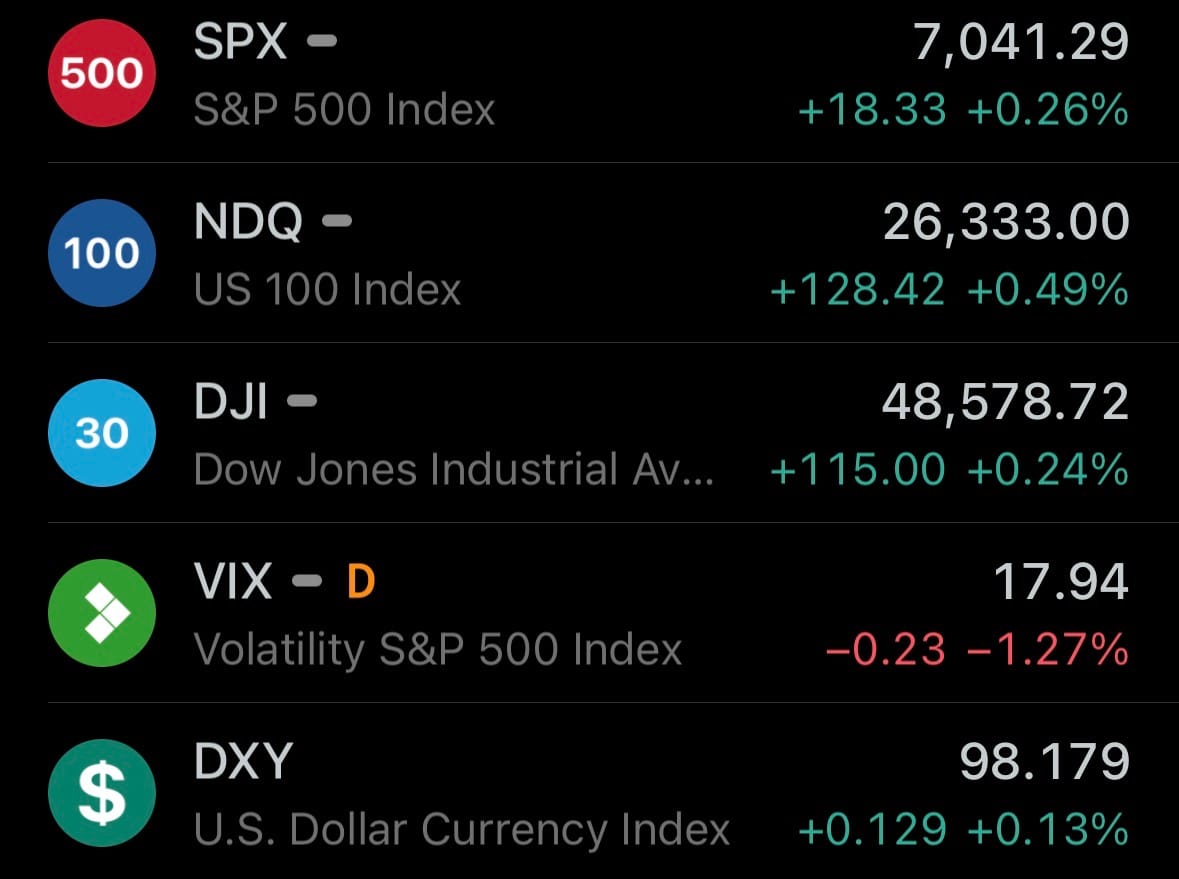
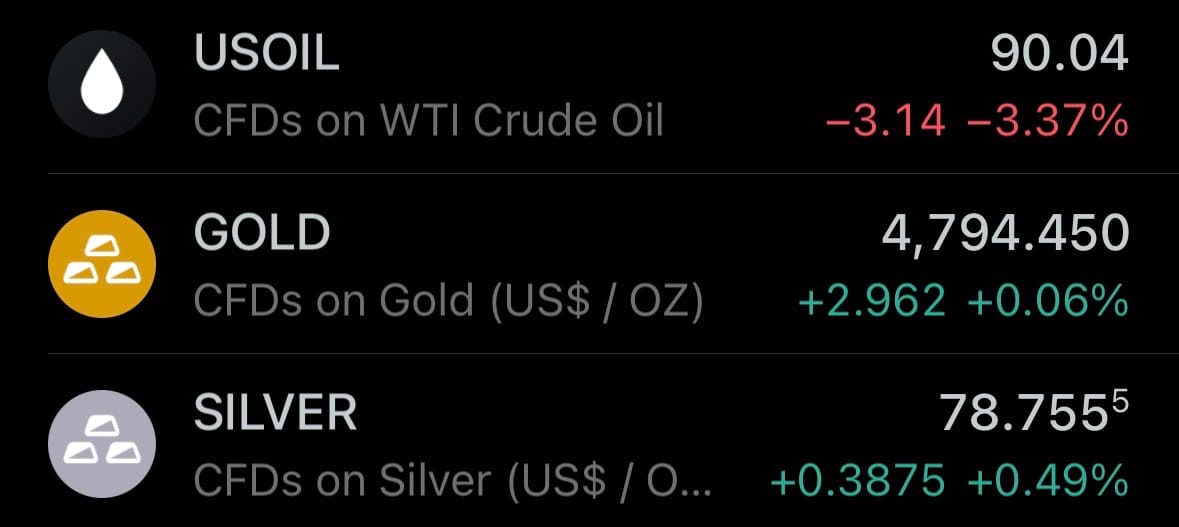
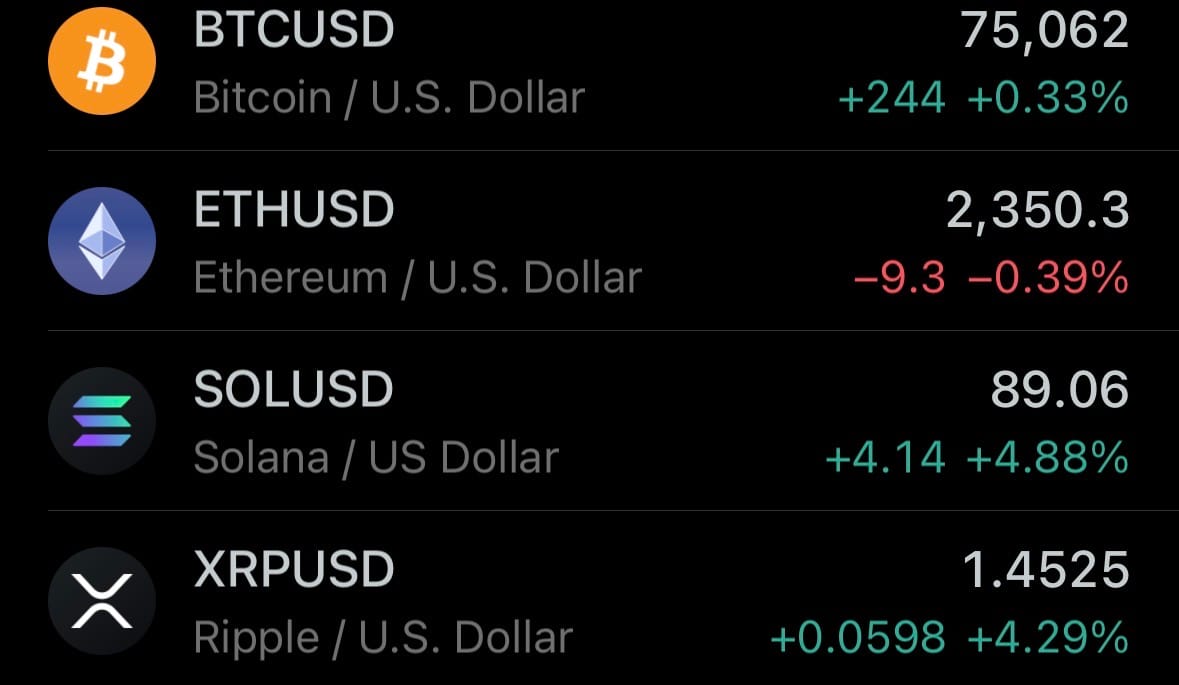
Economics & Markets:
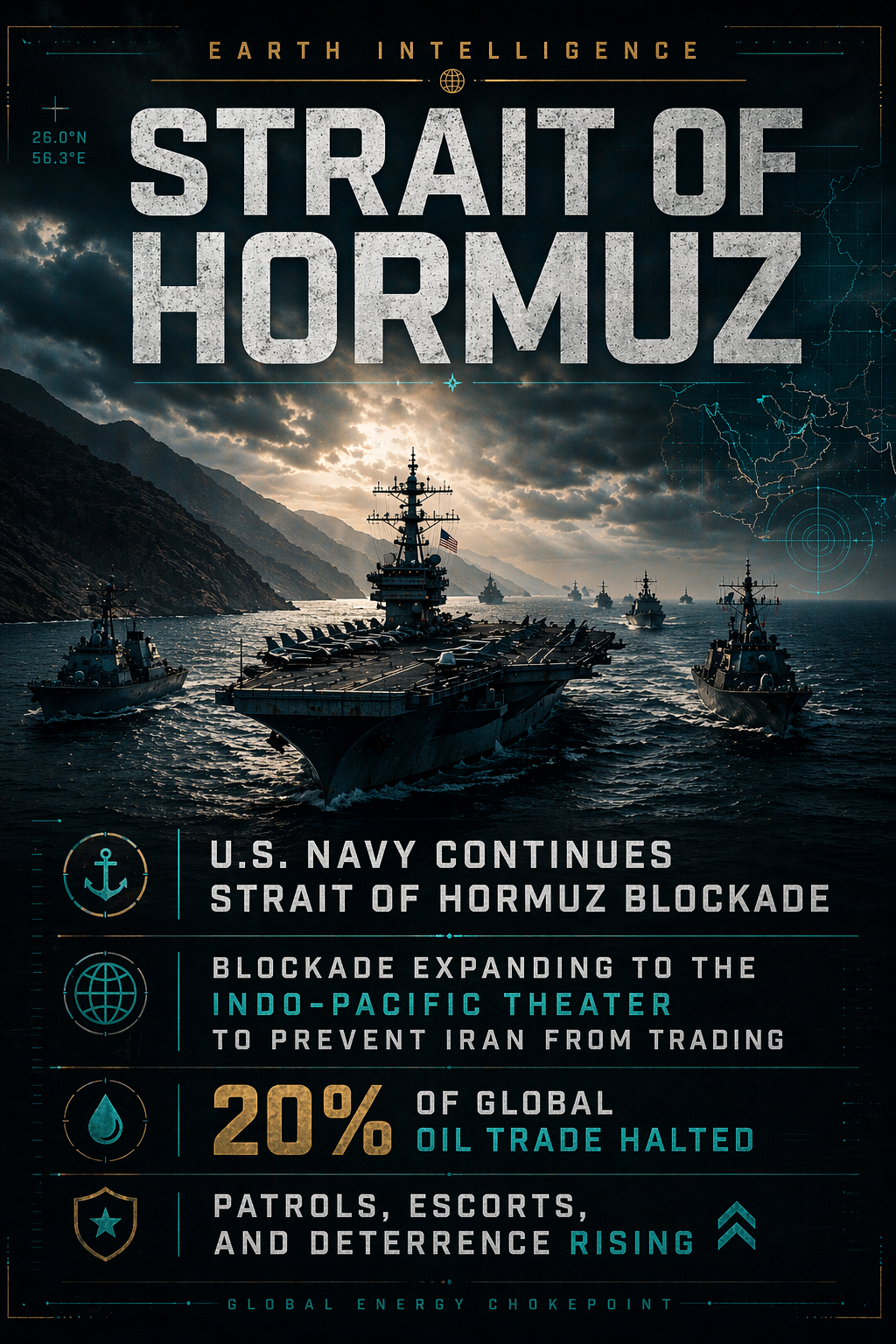
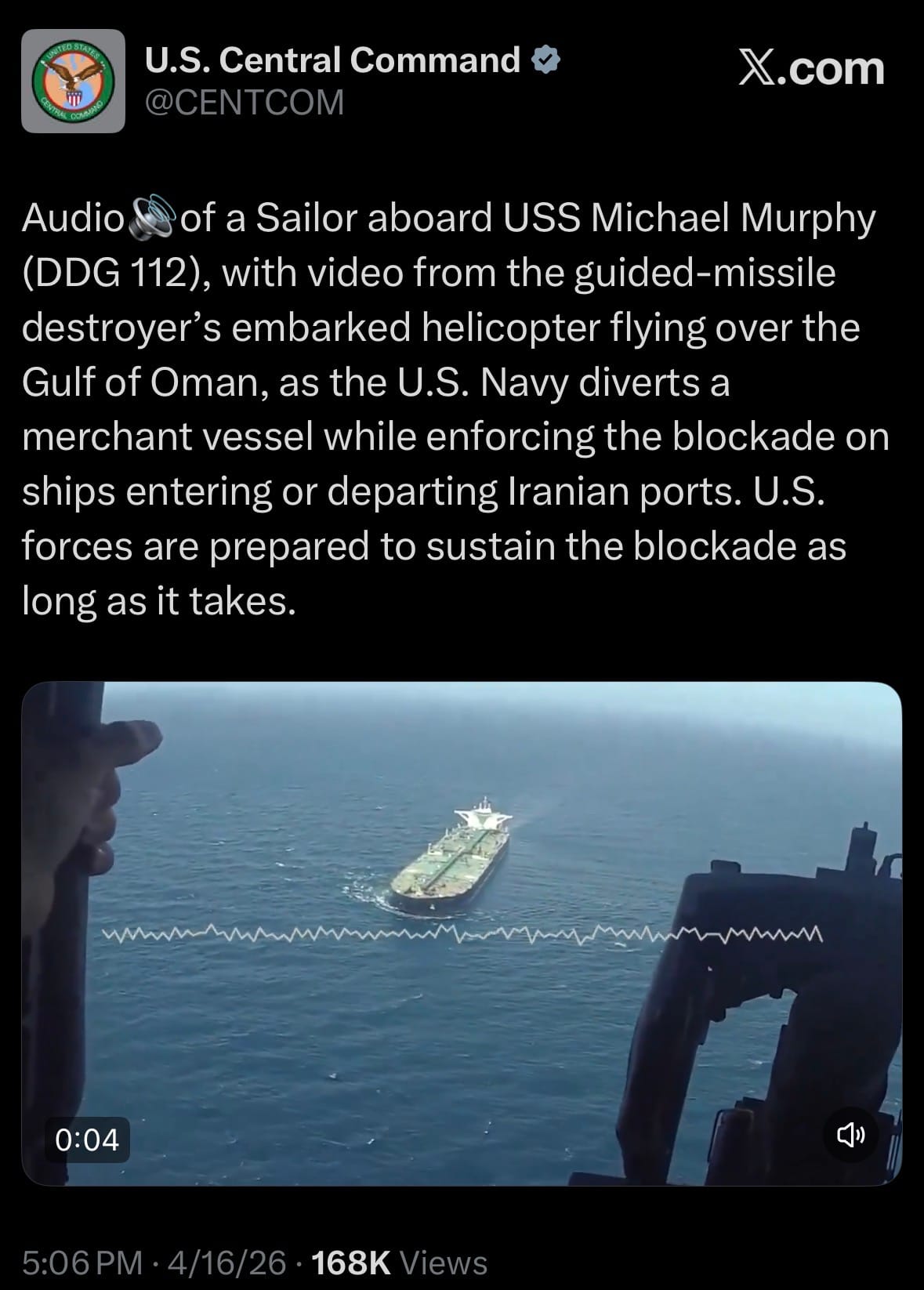
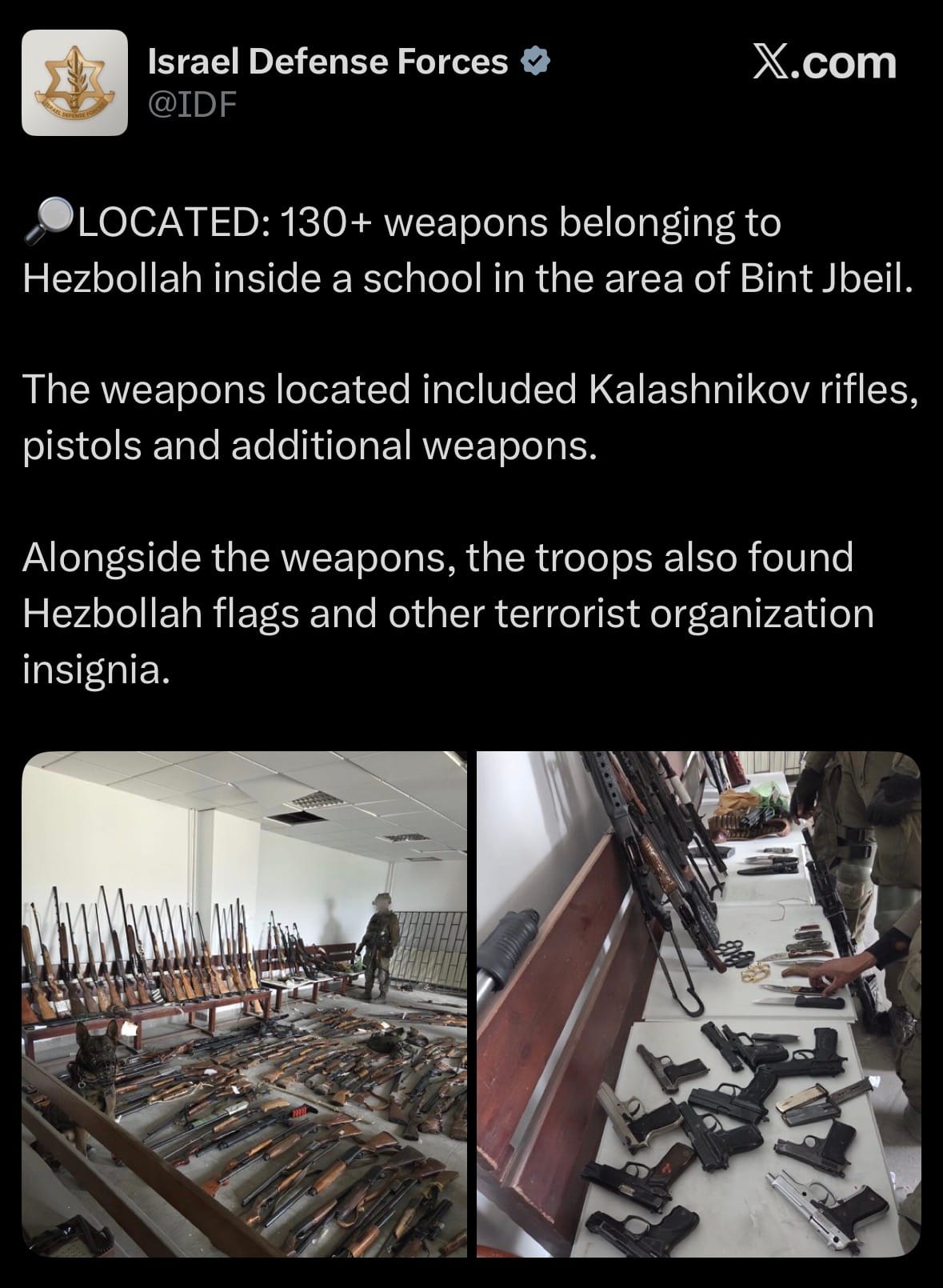
Geopolitics & Military Activity:
Science & Technology:
- On April 16, 2026, Anthropic released Claude Opus 4.7, its most capable generally available model to date and a significant upgrade over Opus 4.6.
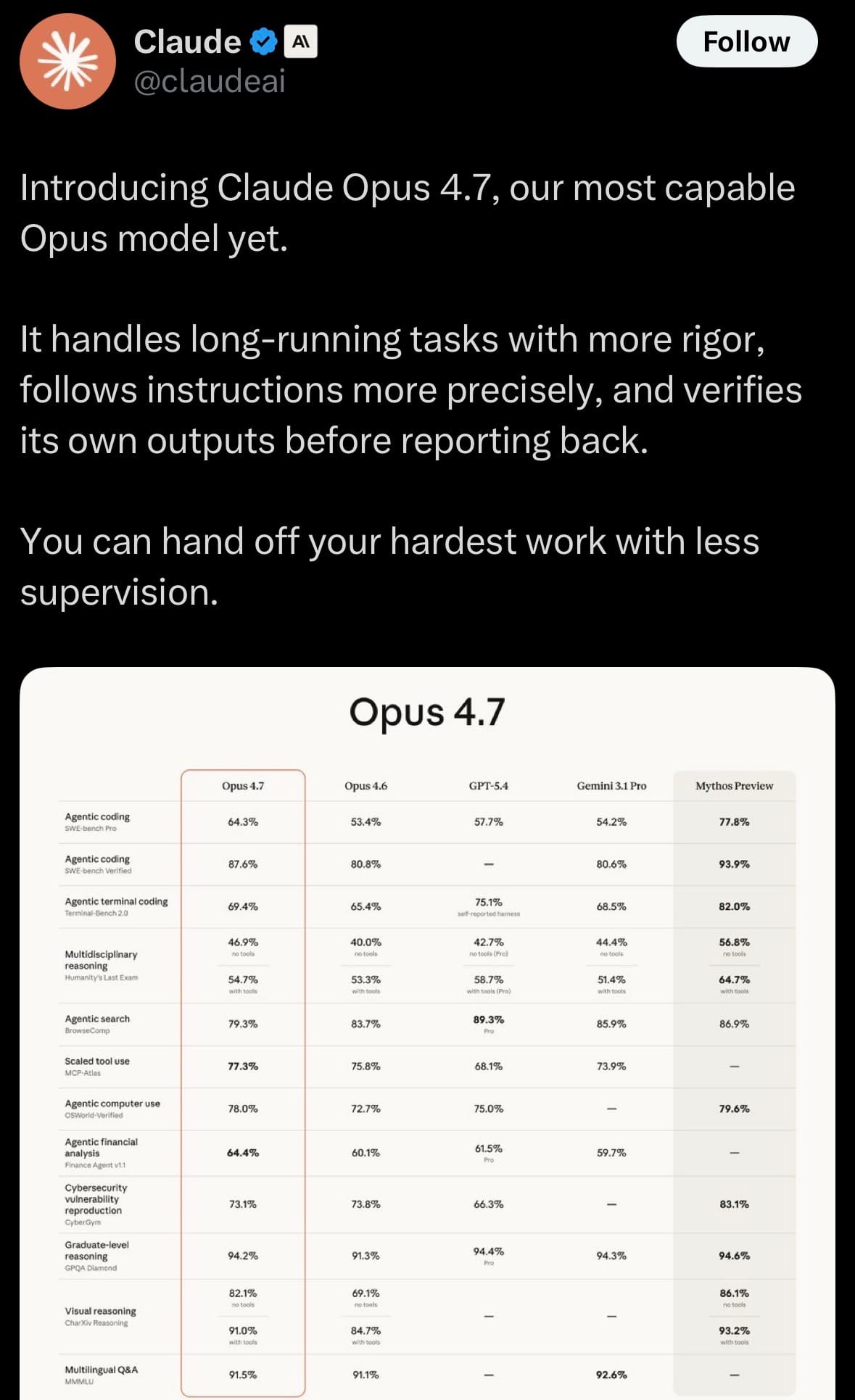
- The new model excels at handling long-running, complex tasks with greater rigor and consistency, follows instructions more precisely, and automatically verifies its own outputs before responding — allowing users to hand off difficult work (especially advanced coding, agentic workflows, and professional knowledge tasks) with far less supervision.
OpenAI Launch:
- On April 16, 2026, OpenAI introduced GPT-Rosalind, a new frontier reasoning model specifically built to accelerate scientific research in biology, drug discovery, and translational medicine.

- Named after Rosalind Franklin (the scientist whose work was key to discovering DNA’s structure), the model excels at complex tasks such as protein and chemical reasoning, genomics analysis, biochemistry, hypothesis generation, experimental planning, and using scientific tools and databases — helping researchers turn complex data into actionable insights faster.
Statistic:
- Largest assets on Earth by market capitalization:
- Gold: $33.474T
- 🇺🇸 NVIDIA: $4.820T
- Silver: $4.436T
- 🇺🇸 Alphabet (Google): $4.025T
- 🇺🇸 Apple: $3.871T
- 🇺🇸 Microsoft: $3.123T
- 🇺🇸 Amazon: $2.685T
- 🇺🇸 Broadcom: $1.889T
- 🇹🇼 TSMC: $1.884T
- 🇸🇦 Saudi Aramco: $1.774T
- 🇺🇸 Meta Platforms: $1.712T
- Bitcoin: $1.501T
- 🇺🇸 Tesla: $1.459T
- 🇺🇸 Berkshire Hathaway: $1.024T
- 🇺🇸 Walmart: $995.11B
- 🇰🇷 Samsung: $970.17B
- 🇺🇸 Vanguard S&P 500 ETF (VOO): $881.71B
- 🇺🇸 JPMorgan Chase: $835.94B
- 🇺🇸 Eli Lilly: $809.08B
- 🇺🇸 iShares Core S&P 500 ETF (IVV): $772.57B
- 🇺🇸 SPDR S&P 500 ETF (SPY): $711.46B
- 🇺🇸 Exxon Mobil: $631.71B
- 🇺🇸 Visa: $607.52B
- 🇺🇸 Vanguard Total Stock Market ETF (VTI): $604.58B
- 🇨🇳 Tencent: $595.97B
History:
- Hezbollah was formed in 1982 during the Lebanese Civil War, following Israel’s invasion of southern Lebanon, which created the conditions for a new Shiite resistance movement to emerge. It was built with direct support from Iran’s Islamic Revolutionary Guard Corps (IRGC), which sent funding, weapons, and advisors to train and organize fighters in Lebanon’s Beqaa Valley. From the beginning, Hezbollah was designed as both a military and ideological force, rooted in Iran’s vision of expanding influence through aligned groups across the region. In the 1980s, Hezbollah operated primarily as a guerrilla force, carrying out attacks against Israeli forces and Western targets, and quickly gained a reputation as a highly disciplined and effective militant organization. By the 1990s, it began evolving beyond just a militia, entering Lebanese politics in 1992 and building a dual identity: part political party, part armed force. At the same time, it developed a strong social infrastructure—providing healthcare, education, financial aid, and reconstruction services—especially in Shiite communities, which allowed it to gain deep grassroots support and legitimacy inside Lebanon. Over time, Hezbollah became embedded in the country’s system, holding seats in parliament and cabinet positions, while still maintaining its independent military capabilities, effectively operating as a state within a state.
- Iran remains Hezbollah’s primary backer, providing billions in funding, advanced weapons (including missiles and drones), training, and strategic direction, making Hezbollah one of the most powerful non-state military forces in the world and a key part of Iran’s regional strategy against Israel and Western influence. Its arsenal has grown to include tens of thousands of rockets and increasingly advanced systems, and it has expanded operations beyond Lebanon into places like Syria, where it supported the Assad government during the civil war. At the same time, the relationship with the United States is complex and indirect. The U.S. officially designates Hezbollah as a terrorist organization and actively works to counter it, but it has also provided significant financial and military aid to Lebanon, particularly to the Lebanese Armed Forces (LAF) and state institutions. Because Hezbollah is deeply integrated into Lebanon’s political system and society, this creates a layered dynamic: U.S. aid is intended to strengthen the Lebanese state as a counterbalance to Hezbollah, but in practice, it exists within a system where Hezbollah still holds influence. As of 2026, Hezbollah remains one of the most influential forces in Lebanon and a central player in regional conflicts, particularly in tensions involving Israel and Iran. It represents the modern model of a hybrid power—a group that is simultaneously a political party, a military force, and a social system, backed by a major regional power while operating inside a sovereign country and interacting indirectly with global powers through overlapping systems of influence and conflict.
Image of the day:

Thanks for reading! Earth is complicated, we make it simple.
- Download our mobile app:
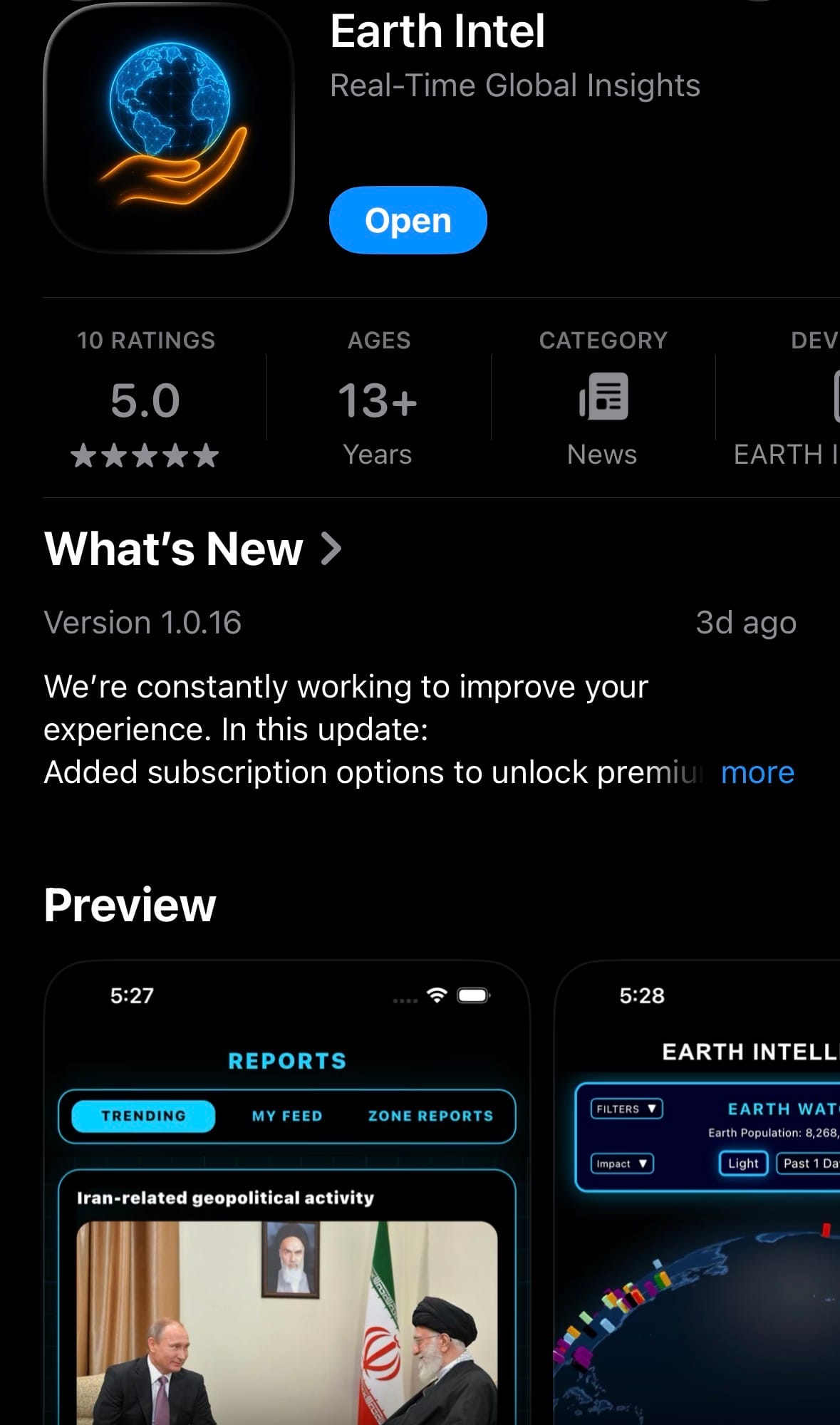

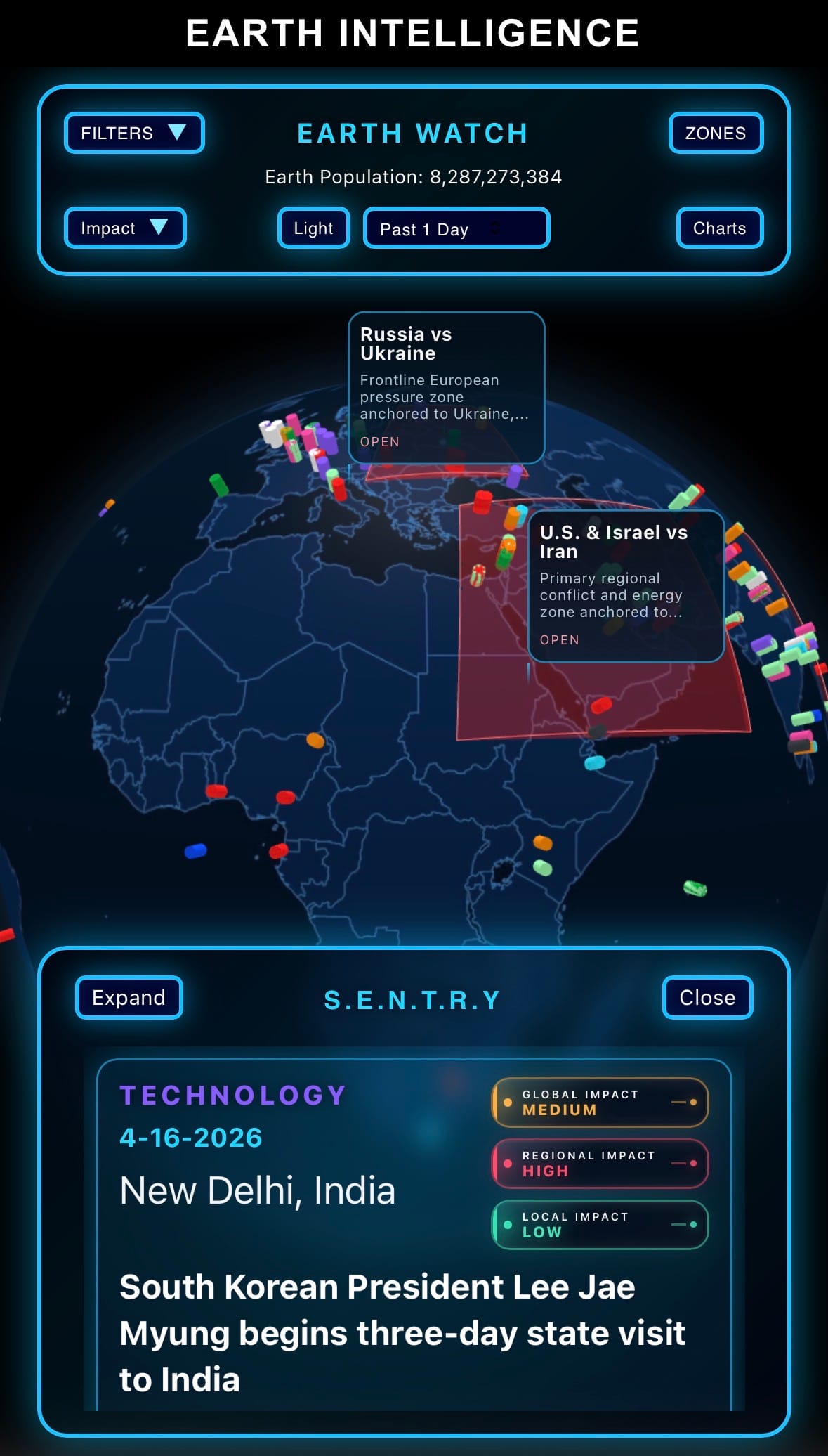
- Click below if you’d like to view our free EARTH WATCH globe:
Click below to view our previous newsletters:
Support/Suggestions Email:
support@earthintel.io