Monday☕️🌎


Economics & Markets:
- The Federal Reserve will conduct two Treasury bill purchase operations this week, injecting a total of $10 billion into the economy with $3.3 billion on Tuesday and $6.6 billion on Thursday.

- This liquidity provision is part of routine monetary operations to manage short-term funding and is normal for the Fed in maintaining financial market stability.
Geopolitics & Military Activity:
- As of July 6, 2026, the IDF continues targeted ground operations, airstrikes, and security zone activities in southern Lebanon despite multiple temporary ceasefires and framework agreements reached in April–June, with Israeli leaders stating forces will remain until Hezbollah is disarmed and threats to northern Israel are eliminated.

- Ongoing Israeli military actions remain a central term for Iran in finalizing or fully implementing the broader US-Iran memorandum of understanding and related talks (including recent discussions in Qatar), as Tehran demands an end to operations and Israeli withdrawal as a condition for progress.
North Korean Weapon Tests:
- On July 3, 2026, North Korea tested a strategic cruise missile (reportedly nuclear-capable), naval guns, automatic cannons, and electronic warfare systems aboard its new 5,000-ton destroyer Kang Kon, with Kim Jong Un observing the launches and ordering the ship commissioned within two months, according to KCNA.
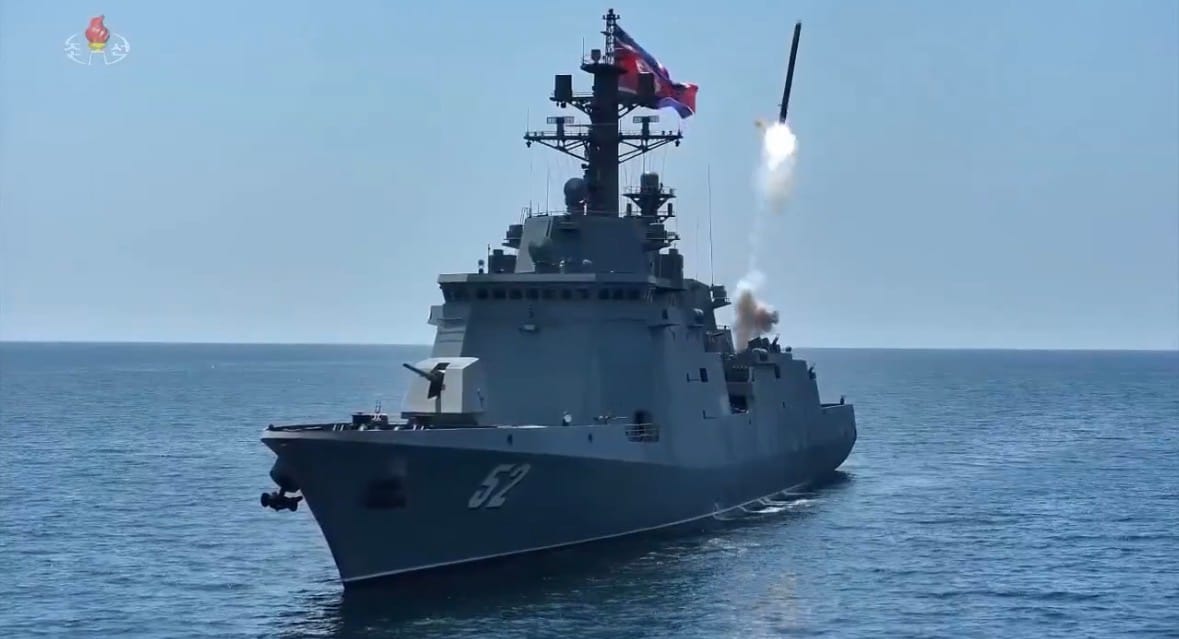
- South Korea confirmed detection of the cruise missile firing into the East Sea; the Kang Kon is a sister ship to the recently commissioned Choe Hyon and had previously partially capsized during its 2024 launch ceremony before repairs.
Space:
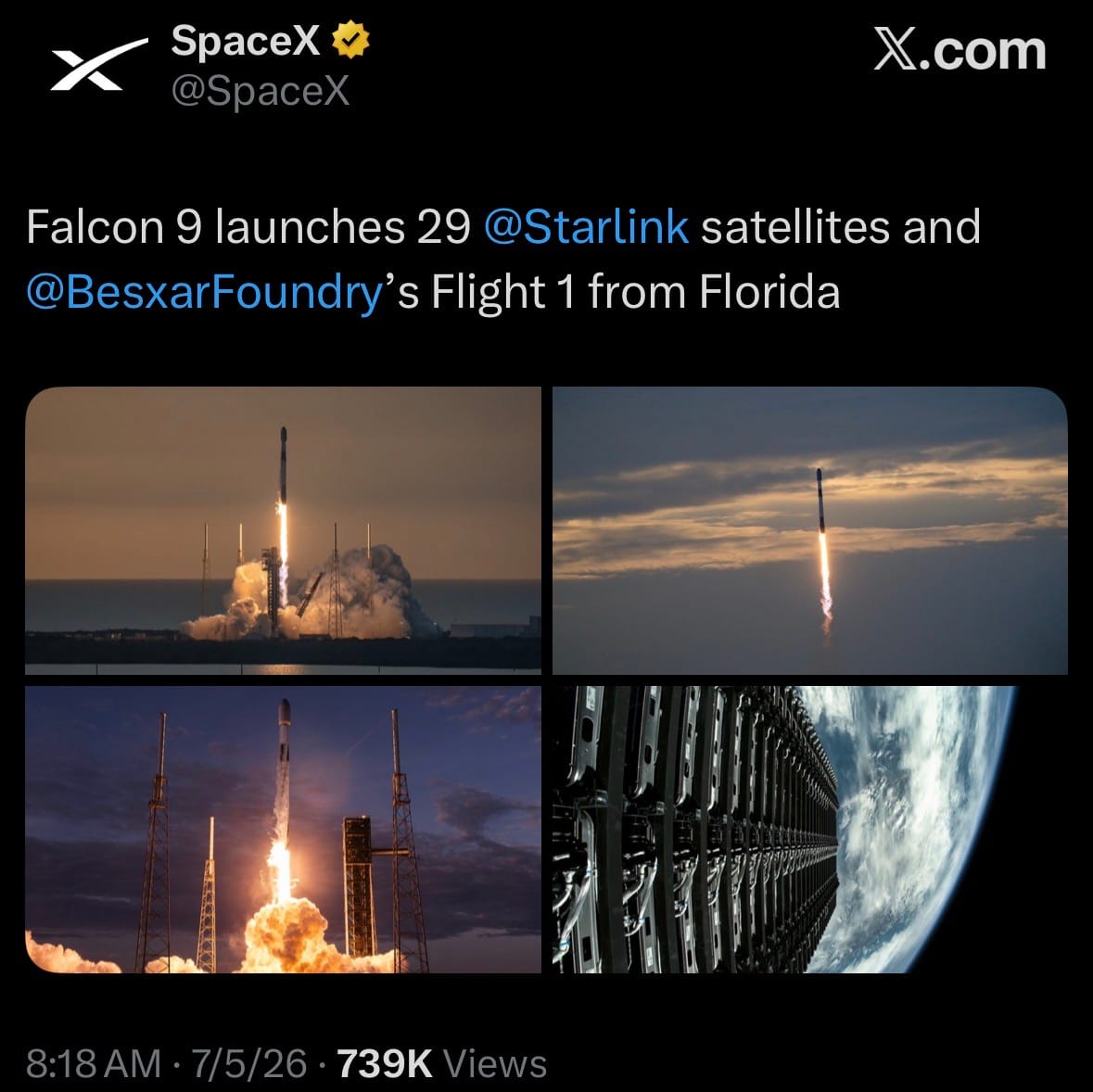
- On July 5, 2026, SpaceX launched the Starlink 10-50 mission, deploying 29 satellites into low-Earth orbit via a Falcon 9 rocket from Cape Canaveral Space Force Station in Florida.
- On July 5, 2026, China conducted a Long March rocket launch, deploying satellites as part of its ongoing efforts to expand its space capabilities.

Statistic:
- Largest public companies by market capitalization:
- 🇺🇸 NVIDIA: $4.718T
- 🇺🇸 Apple: $4.532T
- 🇺🇸 Alphabet (Google): $4.346T
- 🇺🇸 Microsoft: $2.900T
- 🇺🇸 Amazon: $2.610T
- 🇹🇼 TSMC: $2.251T
- 🇺🇸 SpaceX: $2.134T
- 🇺🇸 Broadcom: $1.714T
- 🇸🇦 Saudi Aramco: $1.681T
- 🇺🇸 Meta Platforms: $1.479T
- 🇺🇸 Tesla: $1.477T
- 🇰🇷 Samsung: $1.330T
- 🇺🇸 Micron Technology: $1.101T
- 🇺🇸 Berkshire Hathaway: $1.095T
- 🇰🇷 SK Hynix: $1.083T
- 🇺🇸 Eli Lilly: $1.082T
- 🇺🇸 JPMorgan Chase: $896.21B
- 🇺🇸 Walmart: $890.03B
- 🇺🇸 AMD: $844.35B
- 🇺🇸 Visa: $688.67B
- 🇳🇱 ASML: $681.92B
- 🇺🇸 Johnson & Johnson: $633.19B
- 🇺🇸 Intel: $604.87B
- 🇺🇸 Exxon Mobil: $568.23B
- 🇨🇳 Tencent: $498.50B
- 🇺🇸 Applied Materials: $478.78B
History:
- Aircraft carriers evolved from the realization that aircraft could project military power far beyond the range of battleships. Early experiments began during the 1900s, with aircraft launching from temporary wooden platforms on ships. In 1910, American pilot Eugene Ely made the first successful airplane takeoff from a ship, followed by the first shipboard landing in 1911. During World War I (1914–1918), the British converted ships such as HMS Furious (1917) into early aircraft carriers, proving aircraft could support naval operations. The first purpose-built aircraft carrier was HMS Hermes, laid down in 1918 and commissioned in 1924, while Japan commissioned Hōshō (1922), the first completed purpose-built carrier. During the 1920s and 1930s, the United Kingdom, Japan, and the United States rapidly expanded carrier development as naval aviation replaced battleships as the future of sea power. This transformation was confirmed during World War II, particularly the Attack on Pearl Harbor (1941), the Battle of the Coral Sea (1942)—the first naval battle fought entirely by aircraft—and the Battle of Midway (1942), where U.S. carrier aircraft sank four Japanese fleet carriers, permanently shifting naval dominance in the Pacific. By the end of WWII, the aircraft carrier had become the world’s most powerful naval platform, replacing the battleship as the centerpiece of major fleets.
- The Cold War transformed carriers into floating air bases capable of projecting power anywhere on Earth. The United States introduced the world’s first supercarrier, USS Forrestal (1955), followed by the first nuclear-powered aircraft carrier, USS Enterprise (CVN-65), in 1961. Nuclear propulsion allowed carriers to operate for 20–25 years without refueling, travel at sustained high speeds, and generate enormous electrical power for radars, weapons, aircraft operations, and future technologies. Since the Nimitz-class (1975) and now the Gerald R. Ford-class (2017), every new U.S. fleet carrier has been nuclear-powered. In contrast, conventional carriers use diesel, gas turbine, or steam-powered propulsion and require regular refueling, reducing endurance and increasing dependence on logistics ships. Modern U.S. carriers typically displace 100,000+ tons, carry 75–90 aircraft, operate with crews exceeding 5,000 personnel, and are escorted by destroyers, cruisers, submarines, supply ships, and logistics vessels within a Carrier Strike Group (CSG). Other countries also developed carriers, though generally on a smaller scale and with conventional propulsion. The United Kingdom, France, Russia, India, China, Italy, Spain, Japan, South Korea, and others now operate carriers or helicopter carriers with varying capabilities.
- By 2026, the United States operates the world’s largest and most capable carrier fleet with 11 active nuclear-powered fleet aircraft carriers, all operated by the U.S. Navy. They are the only fully nuclear-powered carrier fleet in the world and are supported by dozens of amphibious assault ships capable of operating F-35B fighters and helicopters. China operates 3 conventionally powered carriers—Liaoning (2012), Shandong (2019), and Fujian (launched 2022, undergoing trials)—with additional carriers under construction, but none are currently nuclear-powered. France operates 1 nuclear-powered carrier, Charles de Gaulle (2001), making it the only other country operating a nuclear-powered aircraft carrier. Other major operators include India (2 conventional carriers), United Kingdom (2 Queen Elizabeth-class conventional carriers), Italy (2), Japan (2 Izumo-class being converted for F-35B operations), Spain (1), Russia (1, Admiral Kuznetsov, currently undergoing extended overhaul), Turkey (1 amphibious carrier), and several countries operating helicopter carriers. Nuclear carriers offer significantly greater endurance, sustained speed, electrical generation, and global deployment capability because they do not rely on frequent fuel resupply, allowing them to remain at sea for months while only replenishing food, ammunition, and aviation fuel. Conventional carriers remain highly capable but require more frequent refueling and logistical support. Today, the United States maintains a decisive advantage in carrier aviation—not only because it possesses the largest fleet, but because it also fields the largest carrier air wings, the most experienced carrier operations, the most extensive global logistics network, and a worldwide system of overseas bases that allow continuous power projection across every major ocean.
Image of the day:
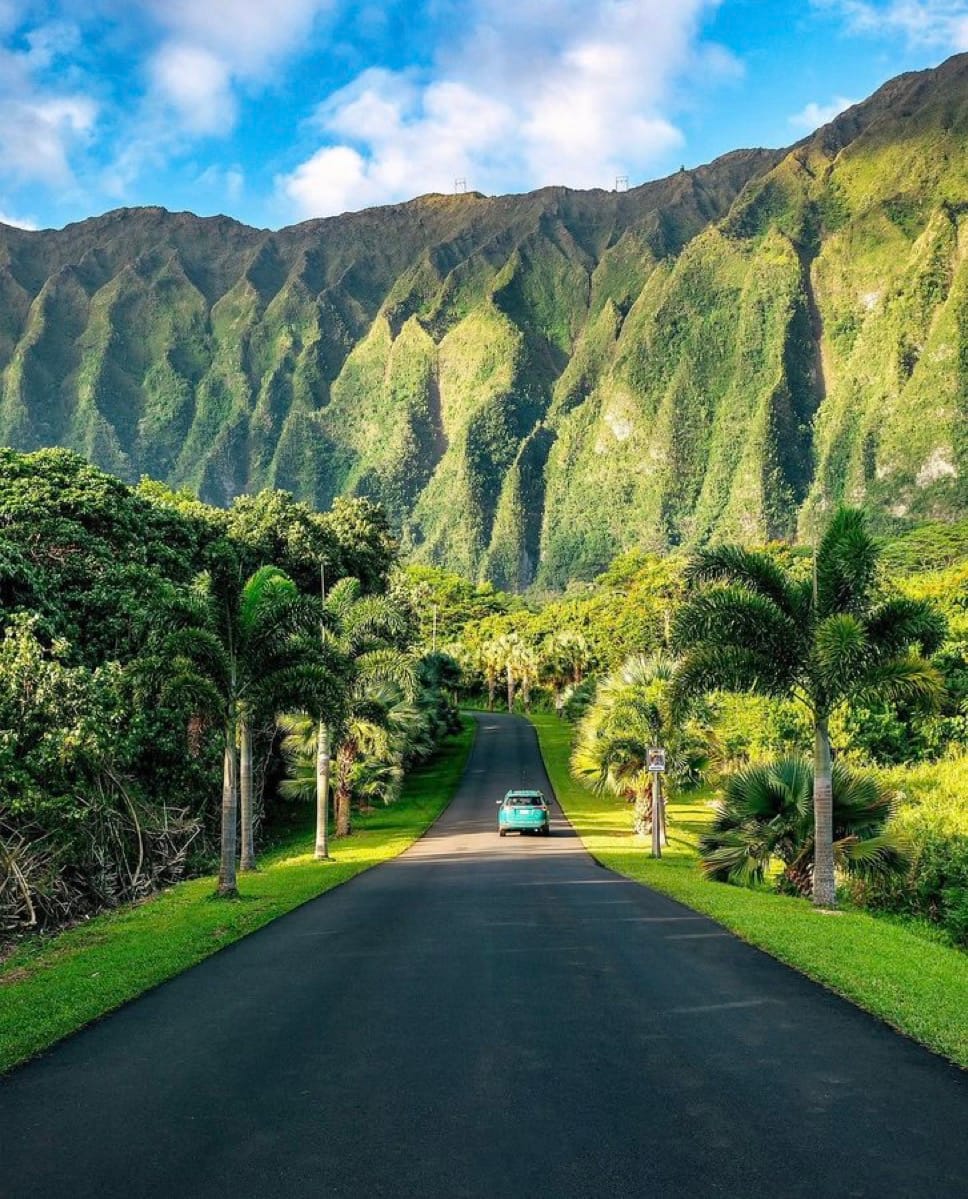
Thanks for reading! Earth is complicated, we make it simple.
- Download our mobile app:



Click below to view our previous newsletters:

Support/Suggestions Email:
support@earthintel.io