Tuesday☕️


Trending:
- As of Monday, April 20, 2026, U.S. businesses can now begin claiming refunds for Trump-era tariffs that the Supreme Court ruled unconstitutional earlier this year.
- Importers and their customs brokers can file claims through a new online portal launched by U.S. Customs and Border Protection (CBP) starting at 8 a.m. ET. Approved refunds — potentially totaling over $166 billion across affected imports — are expected to be issued within 60-90 days, though the process will be handled in phases and not all tariffs qualify immediately.
Economics & Markets:
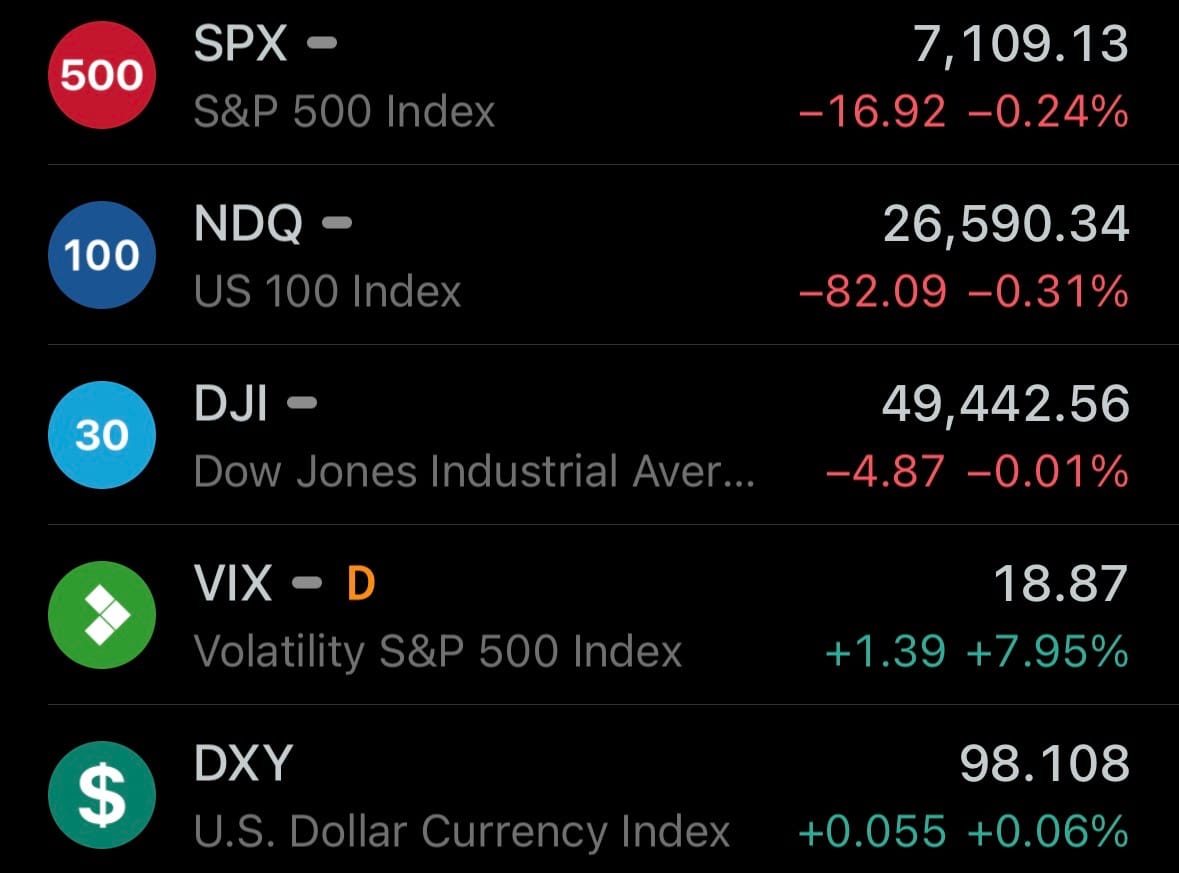
- Yesterday’s U.S. stock market:
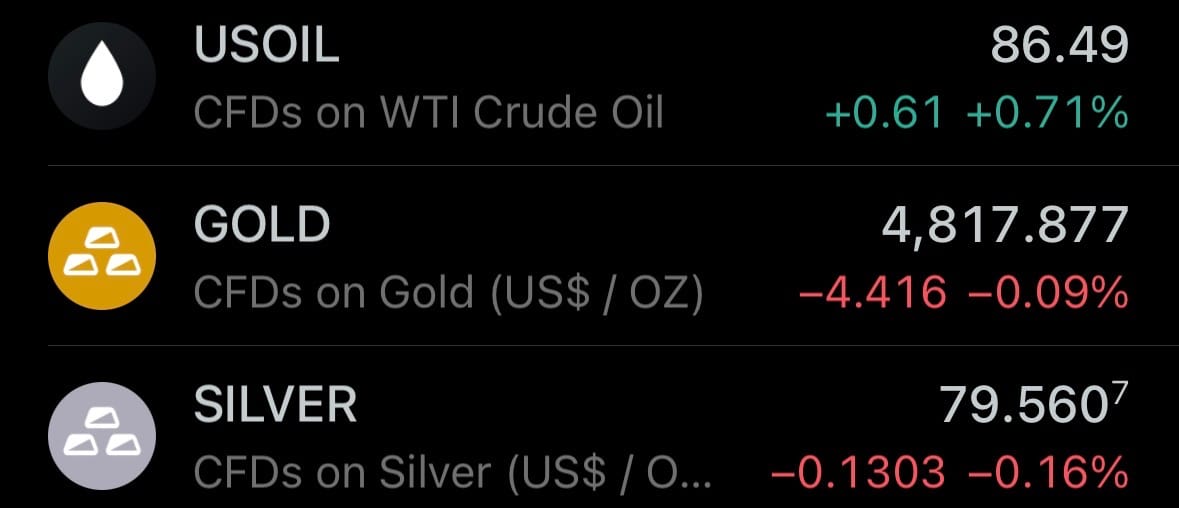
- Yesterday’s commodity market:
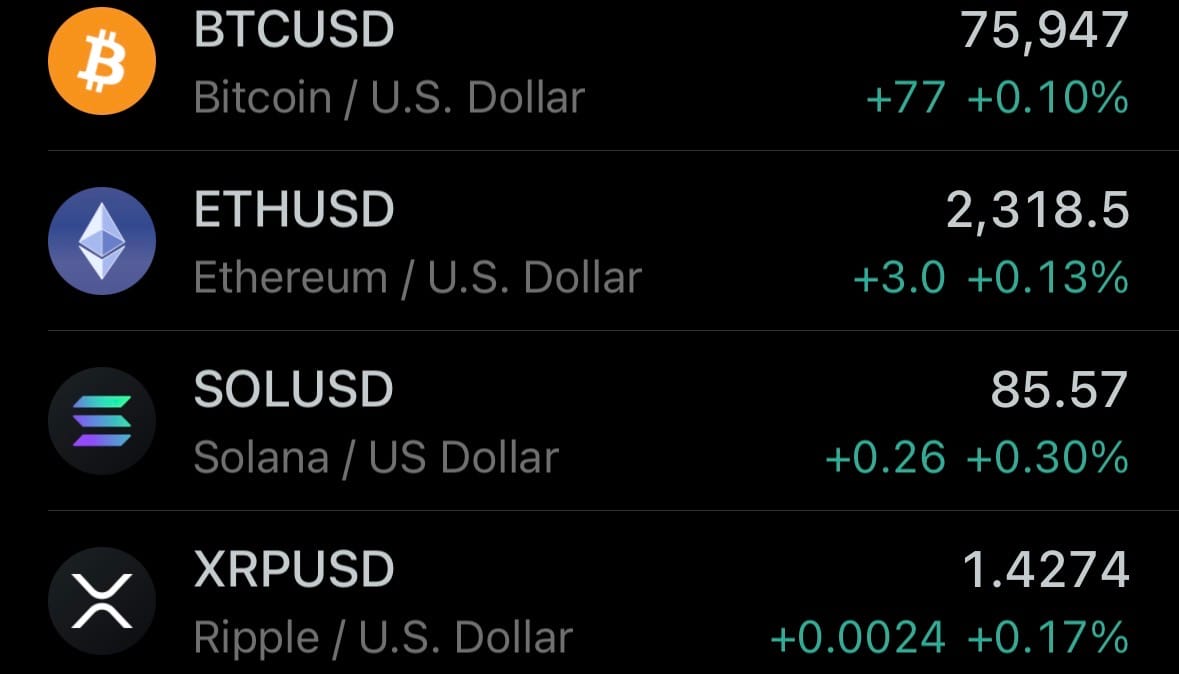
- Yesterday’s crypto market:
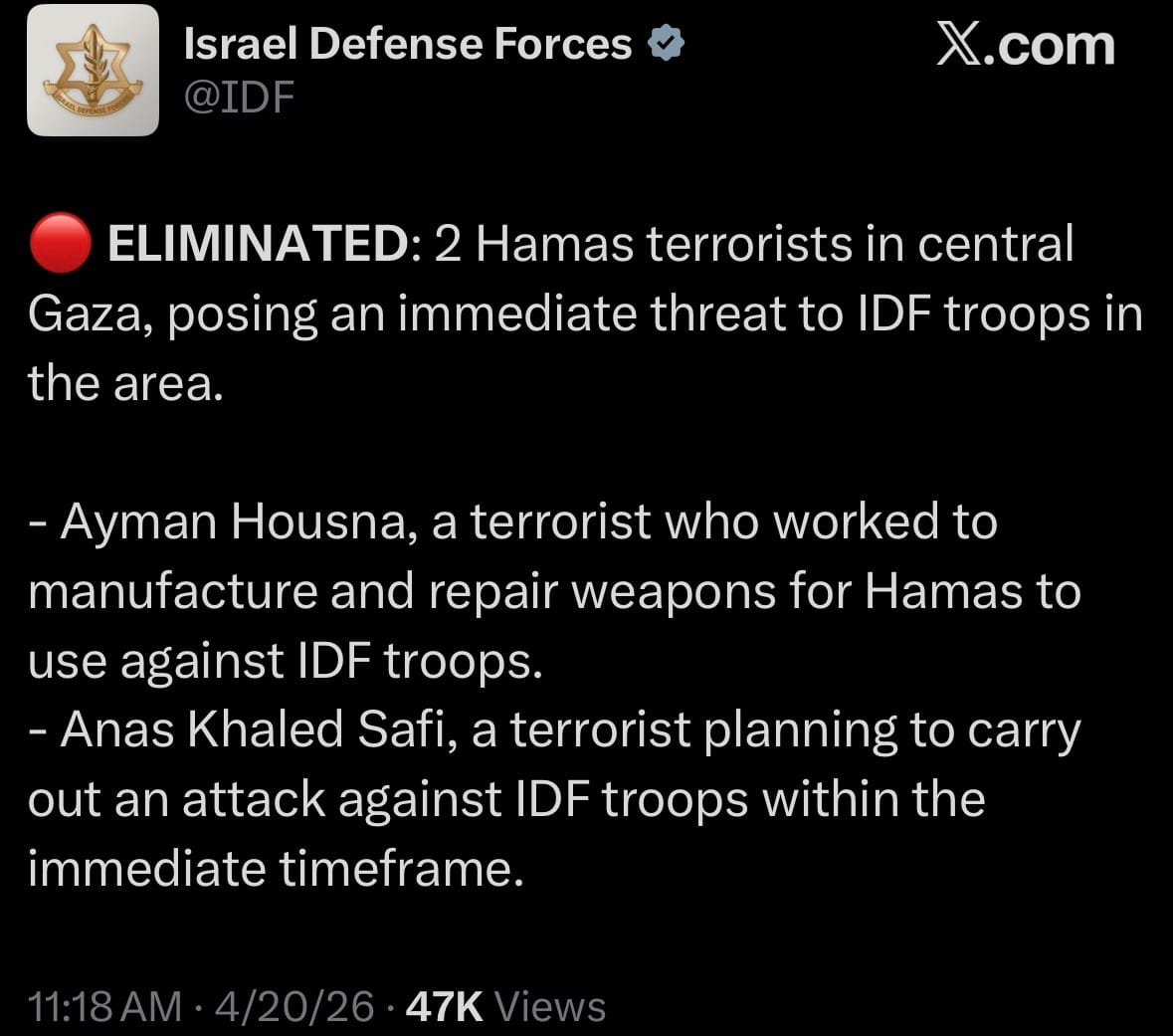
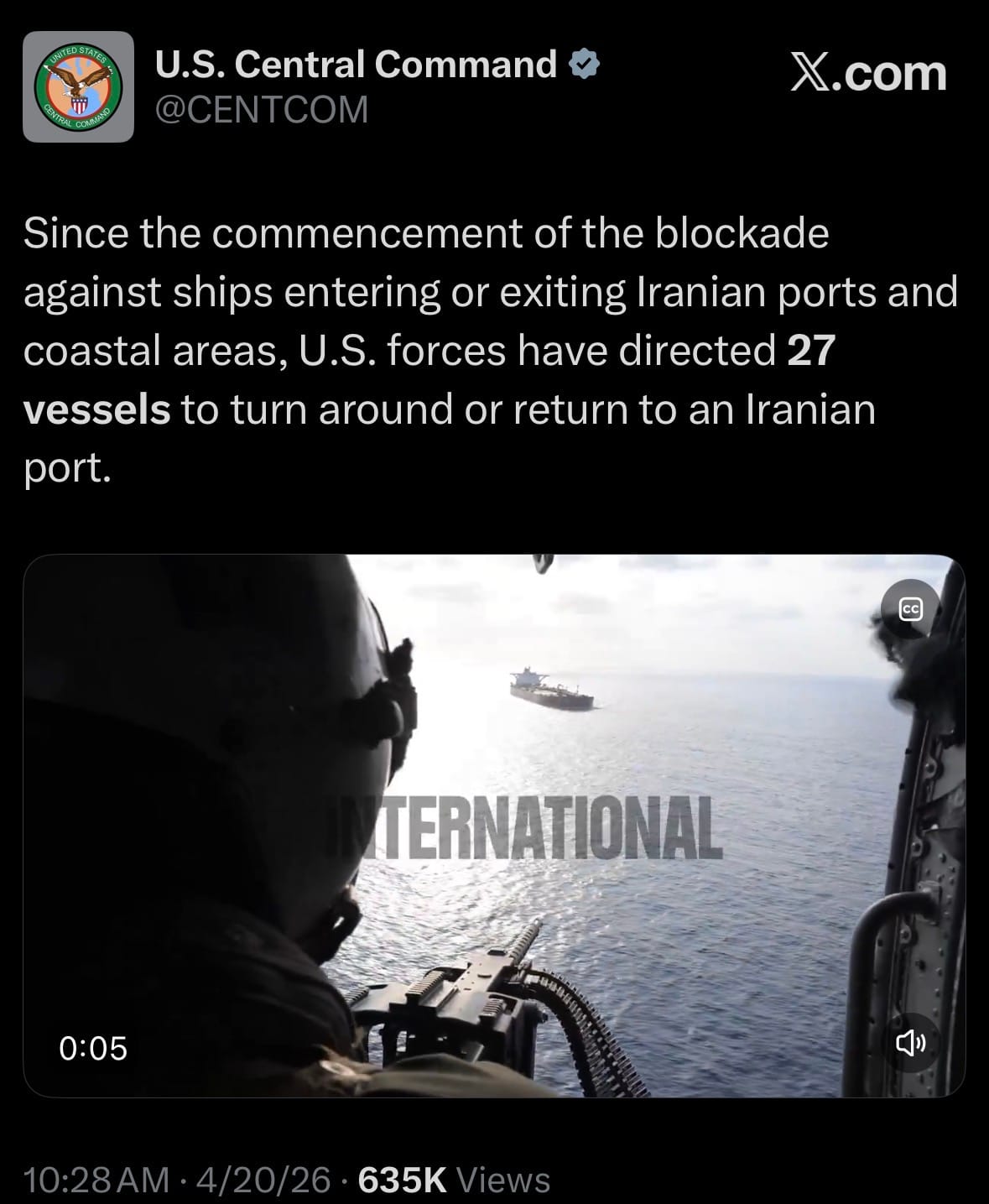
Geopolitics & Military Activity:
Environment & Weather:
- On Monday, April 20, 2026, a 7.5 magnitude earthquake (preliminary reports ranged from 7.4 to 7.7) struck off the northeastern coast of Japan near Sanriku at 4:53 p.m. local time. The shallow quake was strongly felt hundreds of kilometers away, including in Tokyo, triggering tsunami warnings for coastal areas in Iwate, Aomori, and parts of Hokkaido.
- Residents were ordered to evacuate low-lying areas, bullet train services were suspended, and over 170,000 people moved to higher ground. Waves up to 80 cm (2.6 feet) were observed, the tsunami warning has since been downgraded to an advisory, and no major damage or casualties have been reported so far.
Science & Technology:
- On April 20, 2026, Anthropic — the company founded in 2021 by former OpenAI executives including siblings Dario Amodei (CEO) and Daniela Amodei with a strong focus on AI safety — announced a major expansion of its partnership with Amazon.
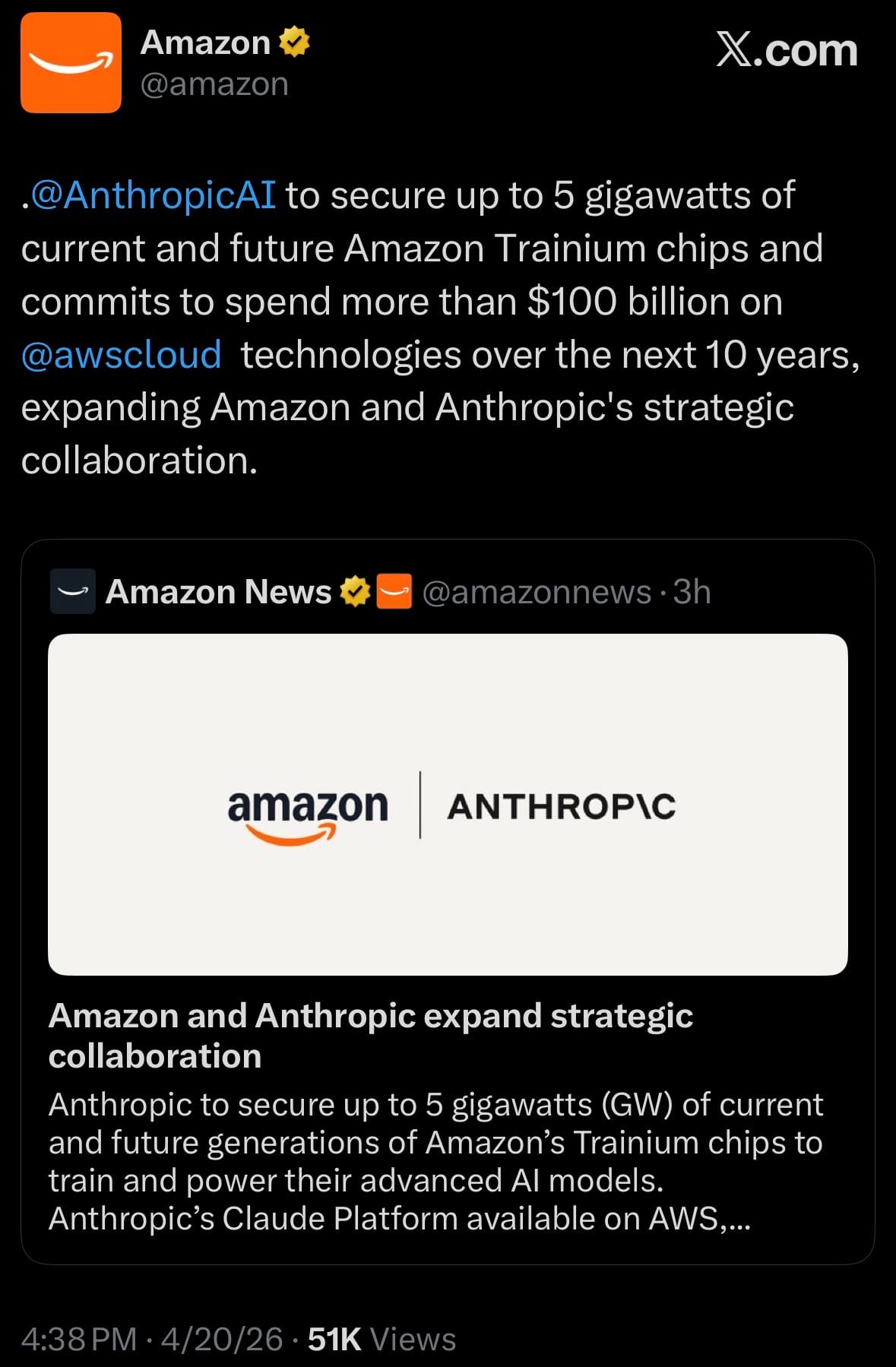
- Anthropic committed to spending more than $100 billion on AWS technologies over the next 10 years while securing up to 5 gigawatts of current and future Amazon Trainium chips (including Trainium2 and Trainium3) to train and run its Claude models at massive scale. Amazon is investing an additional $5 billion immediately in Anthropic, with up to $20 billion more tied to milestones.
Shield AI Contract:
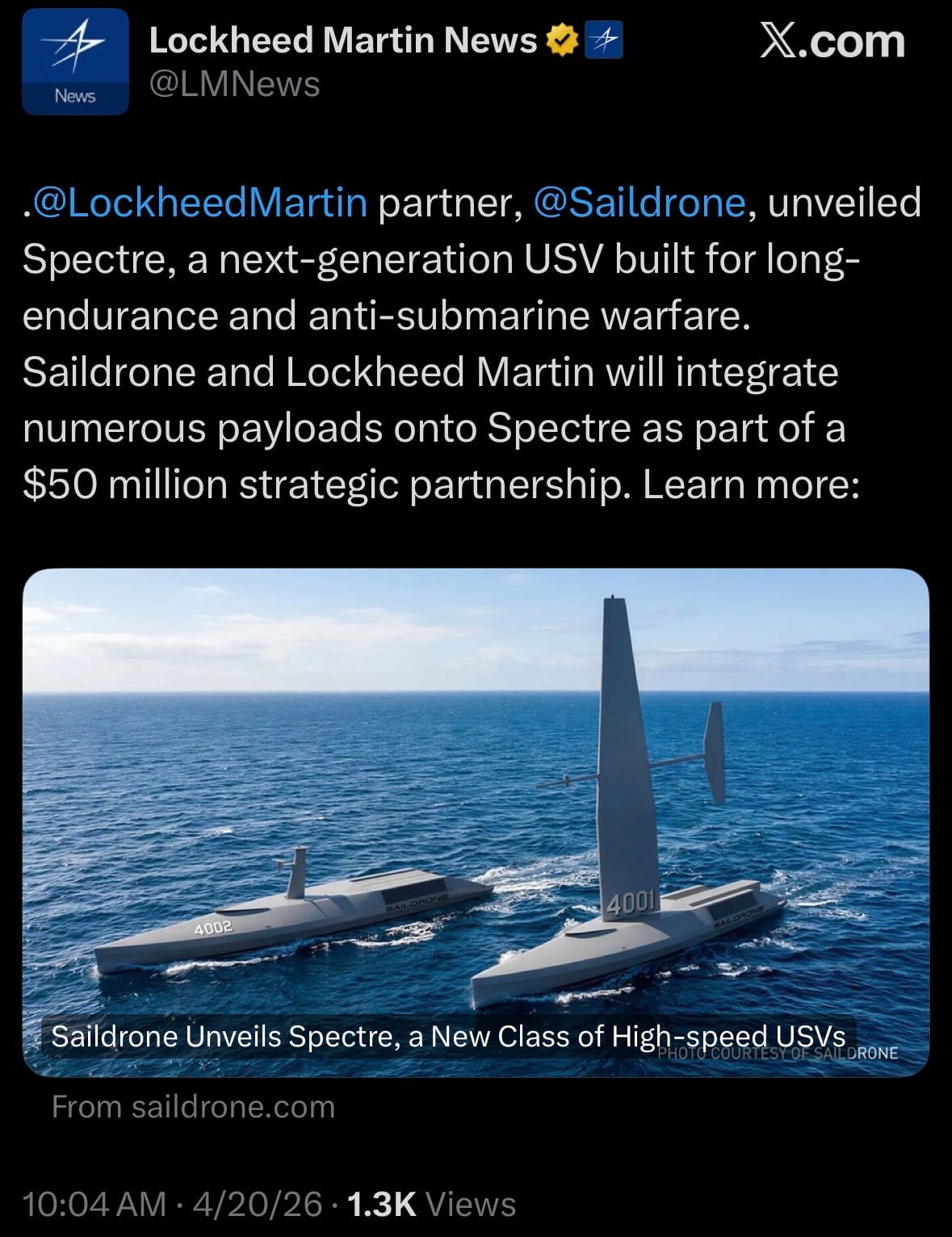
- On April 20, 2026, the U.S. Navy selected Shield AI’s V-BAT vertical take-off and landing (VTOL) drone to provide intelligence, surveillance, and reconnaissance (ISR) services, positioning the company to compete for up to $800 million in task orders over the next five years.
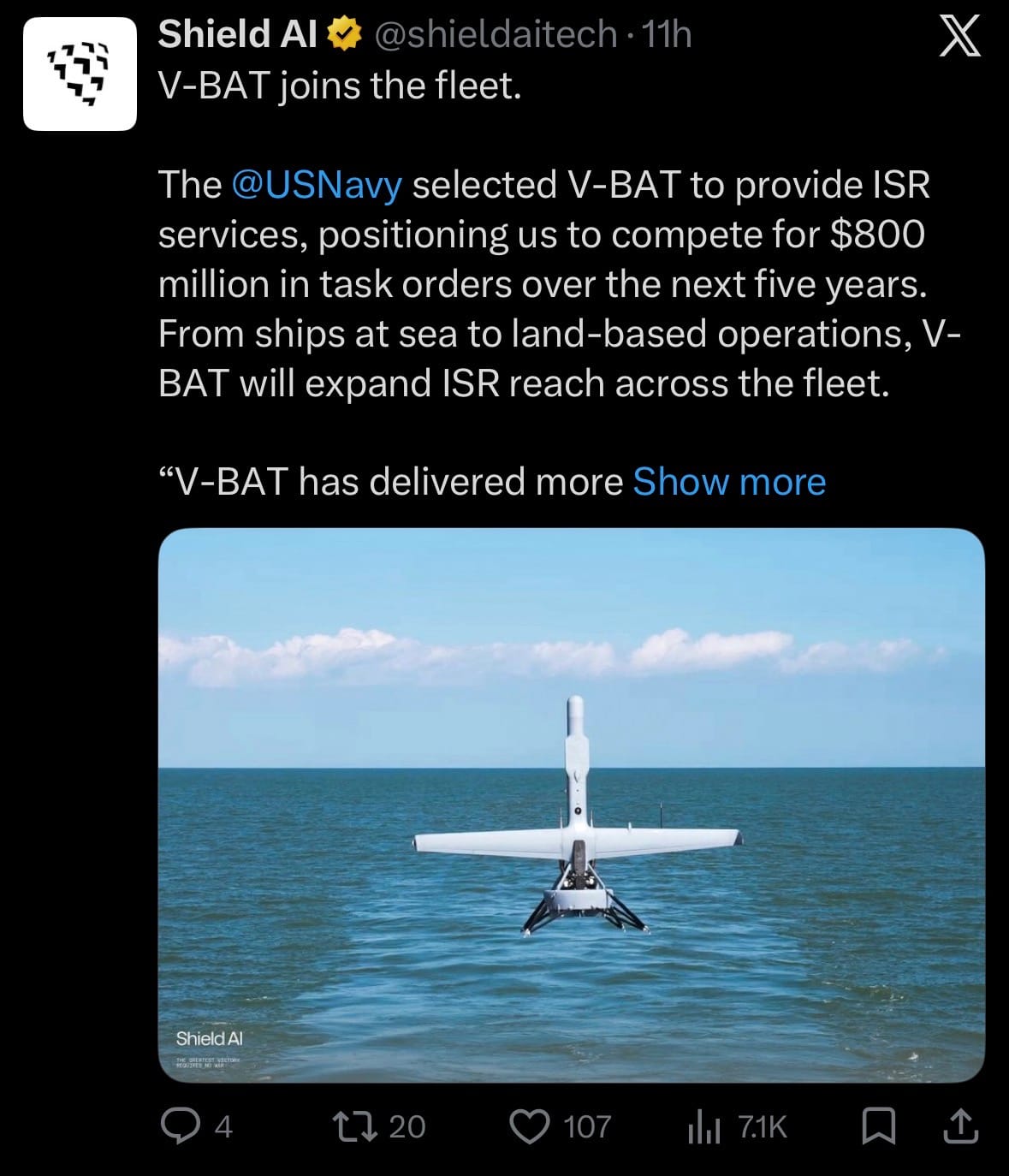
- V-BAT will support both ship-based and land-based operations across the fleet, expanding the Navy’s persistent ISR capabilities with its runway-independent design, long endurance, and advanced autonomy. This marks another step in integrating proven Group 3 UAS into wider naval operations.
Statistic:
- Largest public oil & energy companies by market capitalization:
- 🇸🇦 Saudi Aramco: $1.754T
- 🇺🇸 Exxon Mobil: $613.84B
- 🇺🇸 Chevron: $365.01B
- 🇨🇳 PetroChina: $323.19B
- 🇬🇧 Shell: $246.99B
- 🇫🇷 TotalEnergies: $186.19B
- 🇨🇳 CNOOC: $165.52B
- 🇺🇸 ConocoPhillips: $142.34B
- 🇧🇷 Petrobras: $133.78B
- 🇬🇧 BP: $117.83B
- 🇨🇦 Enbridge: $114.01B
- 🇺🇸 Southern Company: $105.41B
- 🇺🇸 Duke Energy: $99.50B
- 🇨🇳 Sinopec: $98.05B
- 🇨🇦 Canadian Natural Resources: $90.54B
- 🇳🇴 Equinor: $89.74B
- 🇺🇸 Williams Companies: $86.71B
- 🇺🇸 Enterprise Products: $79.79B
- 🇺🇸 SLB (Schlumberger): $78.35B
- 🇮🇹 ENI: $77.48B
- 🇦🇪 TAQA: $73.46B
- 🇨🇦 Suncor Energy: $73.41B
- 🇺🇸 Kinder Morgan: $71.06B
- 🇺🇸 EOG Resources: $69.29B
- 🇺🇸 Valero Energy: $67.66B
History:
- Tariffs are one of the oldest economic tools in human history, used by governments to control trade, generate revenue, and protect domestic industries. Their origins go back to ancient civilizations like Mesopotamia, Greece, and Rome, where taxes were placed on goods entering cities or ports. During the Middle Ages, tariffs became a primary source of income for kingdoms, especially in Europe where trade routes were tightly controlled. As global trade expanded in the 16th–18th centuries, tariffs became central to mercantilism, an economic system where nations aimed to maximize exports and minimize imports to build wealth and power. Countries like Britain and France imposed heavy tariffs to protect their industries and weaken rivals. In the early United States, tariffs were one of the main funding sources for the federal government, starting with the Tariff Act of 1789, and became a major political issue—especially leading up to the Nullification Crisis (1832–1833), where Southern states opposed high tariffs that hurt their trade-based economy. By the late 1800s, tariffs were widely used by industrializing nations to protect emerging industries from foreign competition.
- In the 20th century, tariffs became both a weapon and a risk to the global economy. After World War I, countries raised tariffs to protect their economies, culminating in the Smoot-Hawley Tariff Act (1930) in the U.S., which triggered retaliatory tariffs worldwide and worsened the Great Depression by collapsing global trade. This led to a major shift after World War II, where countries moved toward reducing tariffs through agreements like the General Agreement on Tariffs and Trade (GATT, 1947) and later the World Trade Organization (WTO, 1995), promoting free trade and globalization. However, tariffs never disappeared—they evolved into strategic tools. In the 2010s–2020s, tariffs returned as a major geopolitical weapon, especially during the U.S.-China trade war (starting 2018), where both sides imposed tariffs on hundreds of billions of dollars in goods to pressure each other economically. By 2026, tariffs are no longer just about protecting industries—they are used to reshape supply chains, counter foreign dependence, and respond to geopolitical tensions. For example, high tariffs on certain imports, particularly from strategic rivals, are being used to push domestic manufacturing, secure critical industries, and gain leverage in global negotiations. Today, tariffs operate as part of a larger economic warfare system, alongside sanctions and trade restrictions, where controlling the flow and cost of goods is a direct extension of national power.
Image of the day:

Thanks for reading! Earth is complicated, we make it simple.
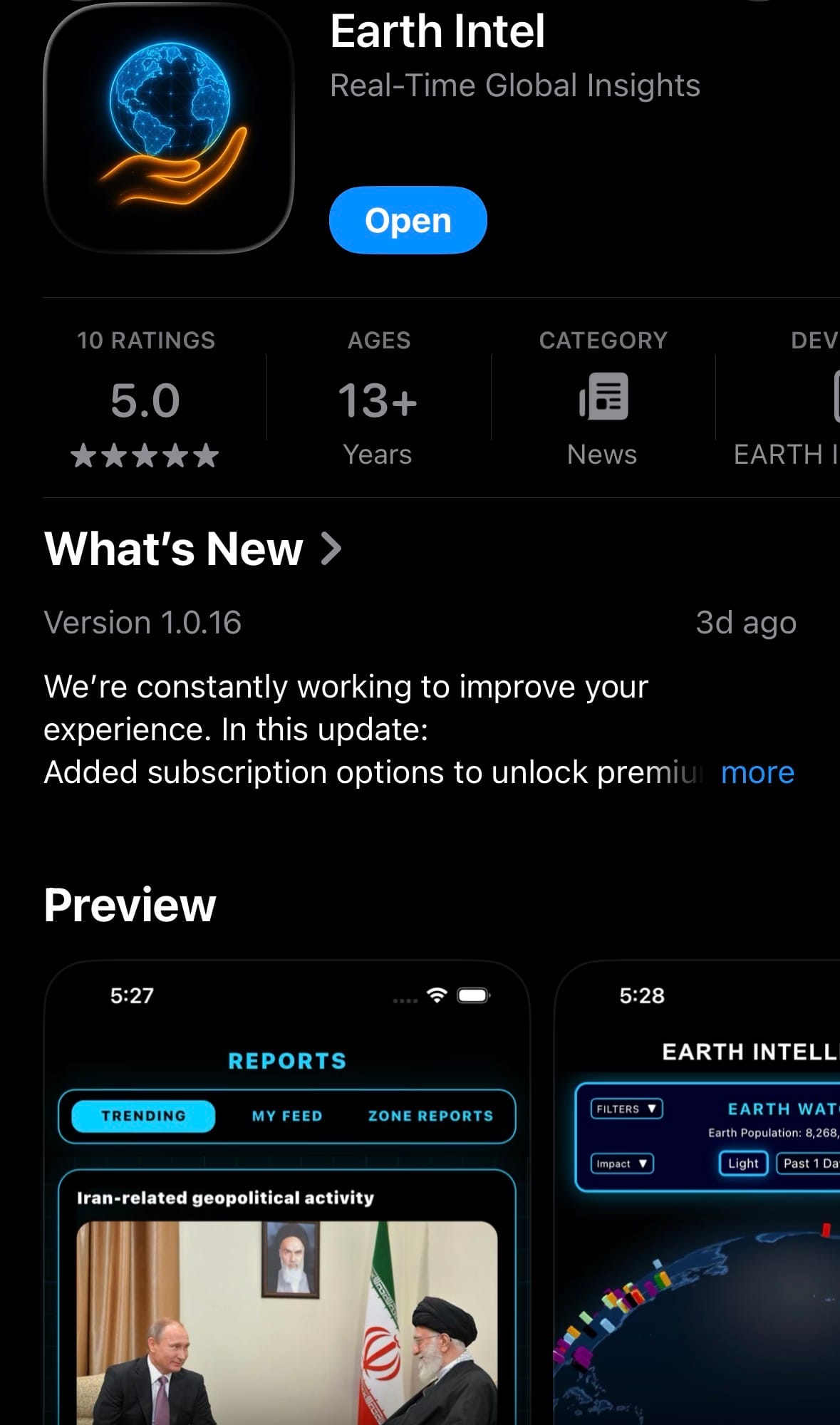
- Download our mobile app:


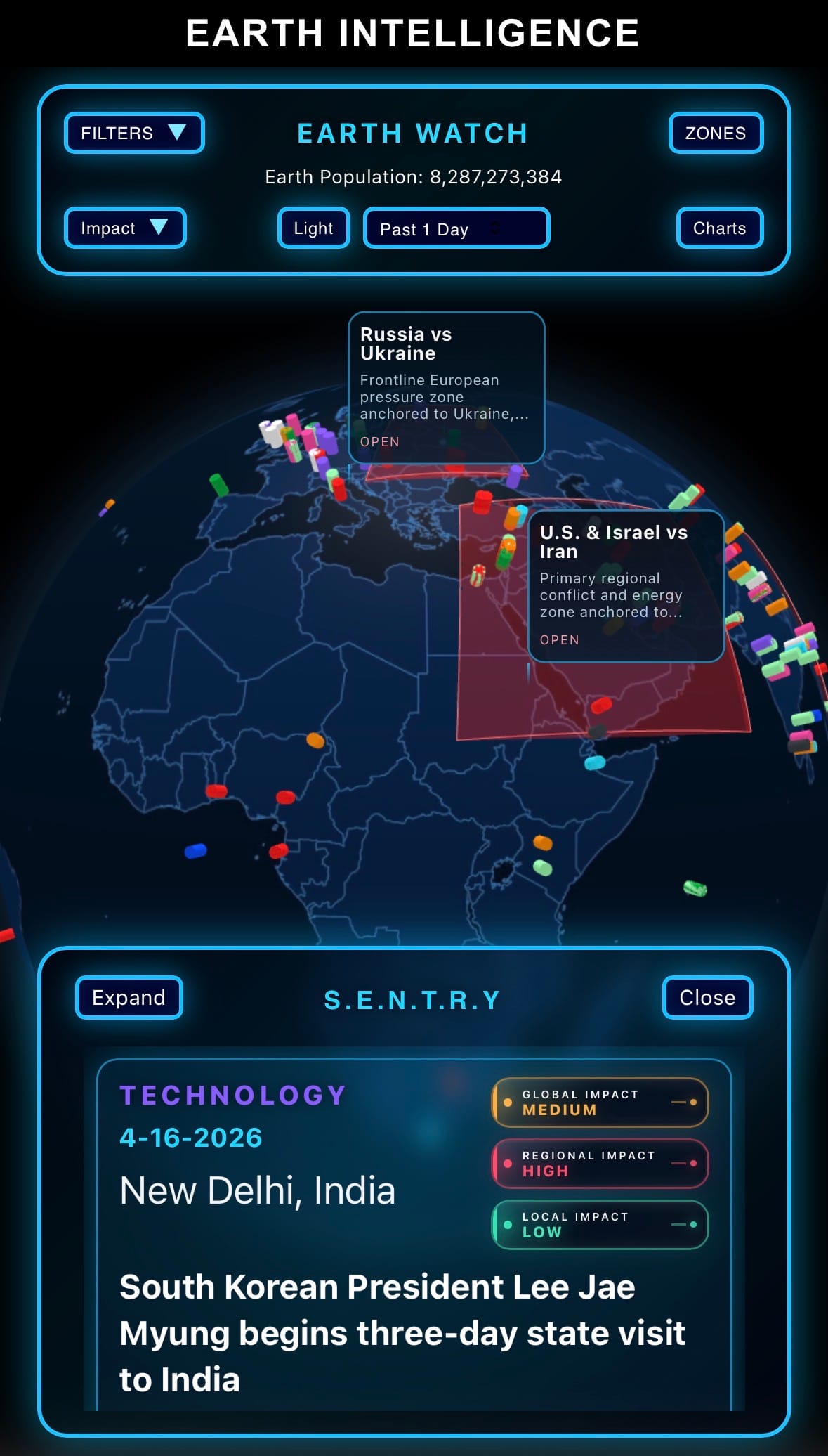
- Click below if you’d like to view our free EARTH WATCH globe:
Click below to view our previous newsletters:
Support/Suggestions Email:
support@earthintel.io