Tuesday☕️🌎


Trending:
- August 24, 2026 — The United States officially removed Syria from its State Sponsors of Terrorism list after 47 years, eliminating major restrictions on U.S. aid, financial activity, exports, and private investment involving Syria.

- The Trump administration said the decision recognizes counterterrorism steps taken by President Ahmed al-Sharaa’s government and is intended to help Syria rebuild, attract foreign investment, and rejoin the global economy; the U.S. also removed Hay’at Tahrir al-Sham (HTS) from its terrorist blacklist.
Economics & Markets:
- August 24, 2026 — Iran’s rial fell to a record low of about 2.02 million rials per U.S. dollar on the open market, highlighting the growing pressure on Iran’s economy from the war, sanctions, restricted oil exports, and limited access to foreign currency.
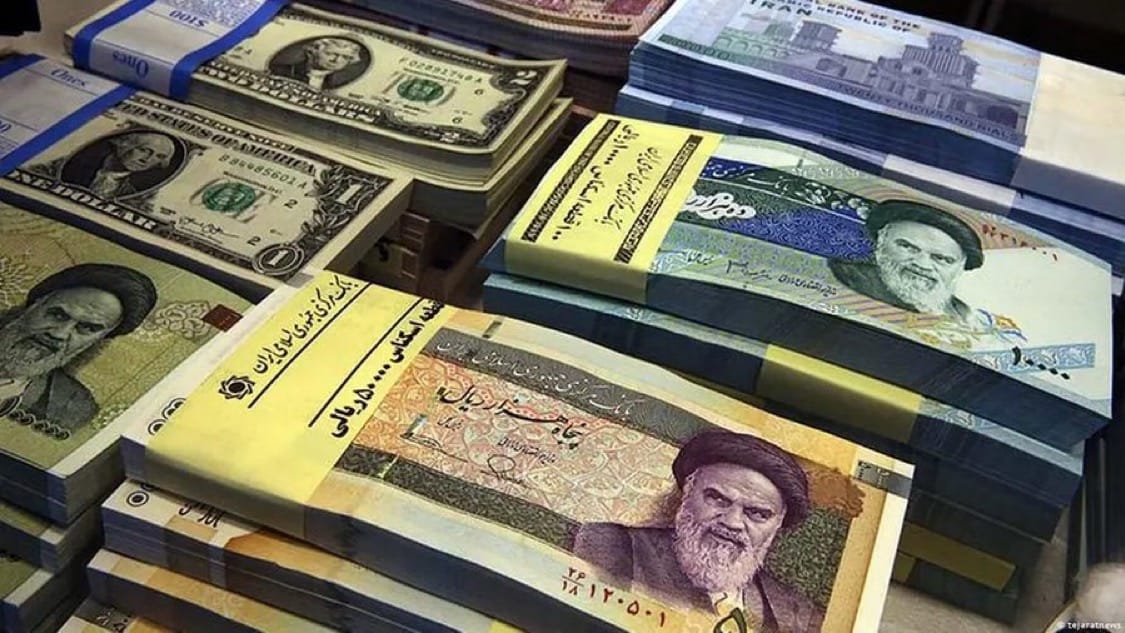
- The weaker rial makes imported goods such as food, medicine, and equipment more expensive for Iranians and comes as the U.S. launches a new sanctions campaign aimed at further isolating Iran financially.
Geopolitics & Military Activity:
- August 23, 2026 — U.S. Southern Command carried out a lethal strike on a suspected drug-smuggling vessel traveling along known trafficking routes in the Eastern Pacific, killing two people SOUTHCOM identified as narco-terrorists.
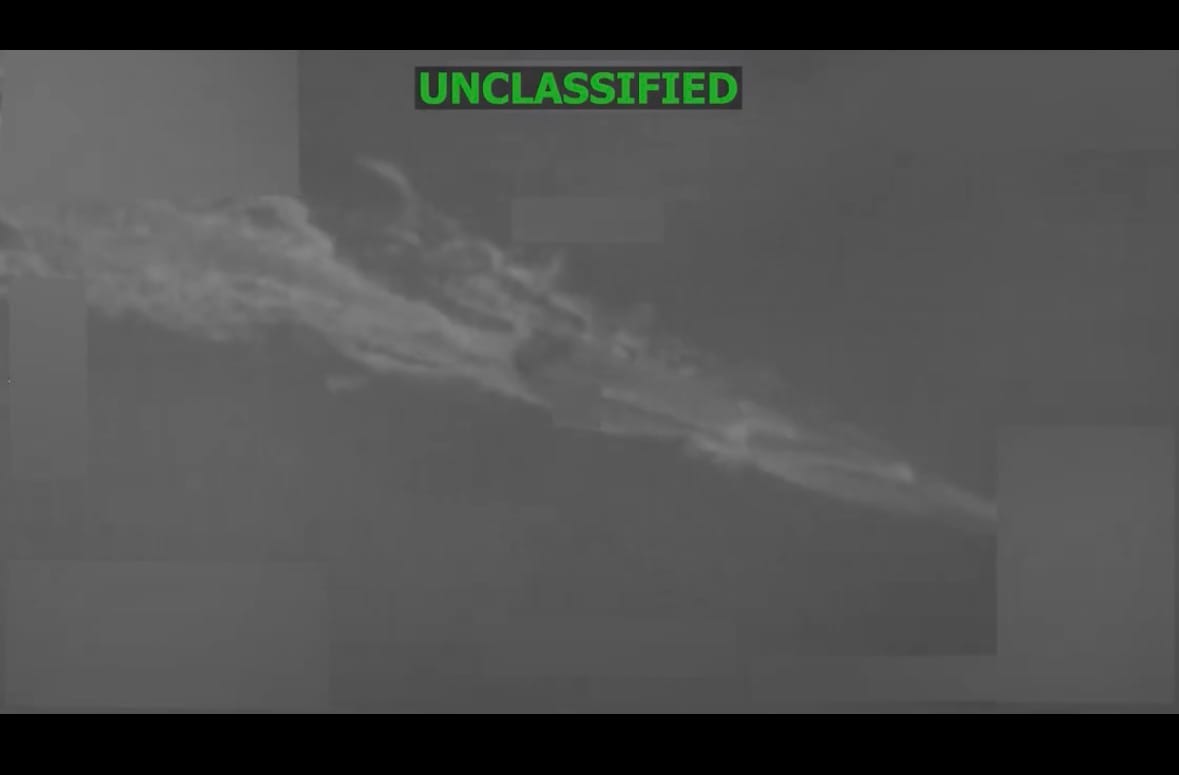
- The operation was conducted by Joint Task Force Western Hemisphere as part of an expanded U.S. military campaign to disrupt cartel trafficking networks and prevent narcotics from reaching the United States.
Environment & Weather:
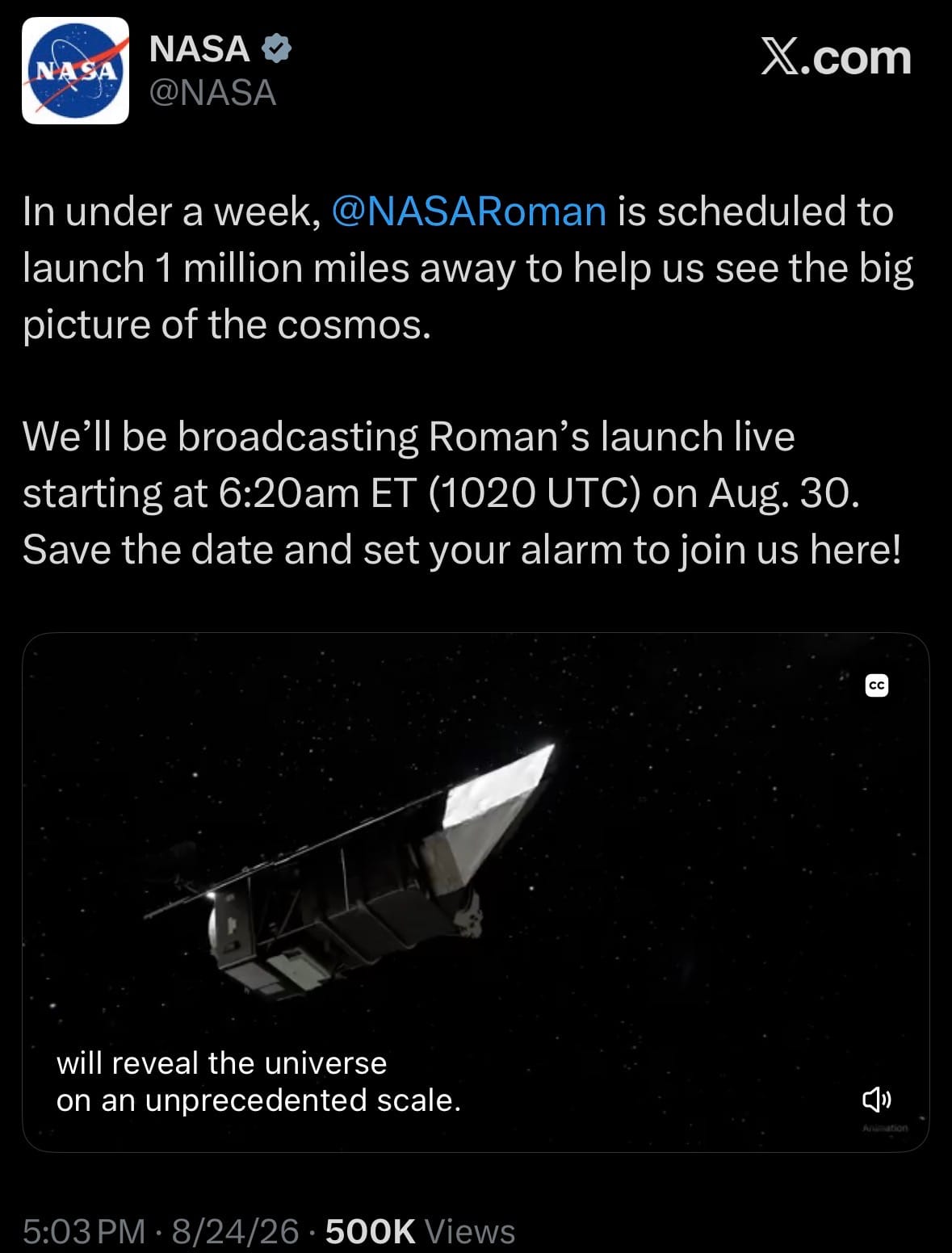
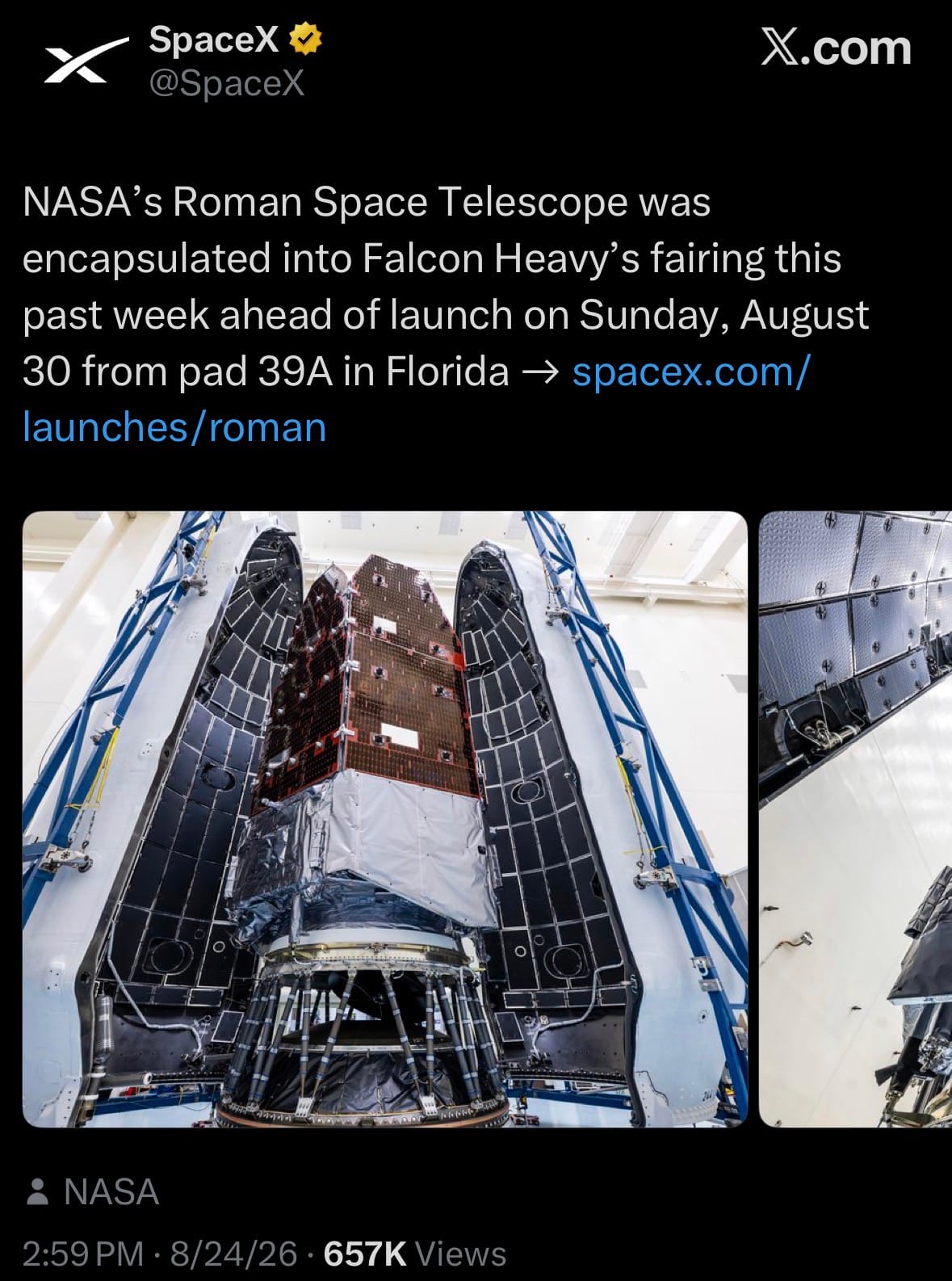
Space:
Statistic:
- Top Public Companies by Cash on Hand
- 🇯🇵 Mitsubishi UFJ Financial: $797.23B
- 🇨🇳 ICBC: $696.38B
- 🇫🇷 Crédit Agricole: $683.22B
- 🇨🇳 Bank of China: $579.65B
- 🇺🇸 JPMorgan Chase: $567.23B
- 🇨🇳 Agricultural Bank of China: $545.90B
- 🇨🇳 China Construction Bank: $526.32B
- 🇯🇵 Sumitomo Mitsui Financial Group: $517.65B
- 🇫🇷 BNP Paribas: $507.68B
- 🇯🇵 Mizuho Financial Group: $434.40B
- 🇯🇵 Japan Post Holdings: $429.56B
- 🇯🇵 Japan Post Bank: $416.85B
- 🇺🇸 Berkshire Hathaway: $397.38B
- 🇫🇷 AXA: $375.85B
- 🇺🇸 Citigroup: $342.02B
- 🇪🇸 Santander: $336.00B
- 🇬🇧 HSBC: $309.50B
- 🇮🇹 Generali: $292.57B
- 🇩🇪 Deutsche Börse: $287.44B
- 🇬🇧 Barclays: $287.13B
- 🇺🇸 Apollo Global Management: $253.18B
- 🇨🇳 Postal Savings Bank of China: $247.09B
- 🇺🇸 Goldman Sachs: $242.00B
- 🇺🇸 Bank of America: $237.46B
- 🇨🇳 Bank of Communications: $200.29B
History of Mitsubishi UFJ Financial Group
- Mitsubishi UFJ Financial Group (MUFG) is the product of more than a century of Japanese banking consolidation. One side traces back to the Mitsubishi organization founded by Yataro Iwasaki in 1870, which expanded from shipping into mining, manufacturing, insurance, and finance. Mitsubishi Bank was established in 1919 to serve the growing industrial group. The other major lineage began with Sanwa Bank in 1933, created from the merger of three Osaka banks, and Tokai Bank in 1941, formed through another regional consolidation. Japan’s banks became central to financing the country’s extraordinary postwar industrial expansion, providing capital to companies in automobiles, steel, electronics, shipping, chemicals, and heavy industry. Mitsubishi Bank became particularly important within the broader Mitsubishi corporate network. After Japan’s enormous 1980s asset bubble collapsed beginning around 1990, banks were left with massive bad loans and falling property values. The resulting banking crisis triggered years of mergers: Mitsubishi Bank merged with Bank of Tokyo in 1996, creating Bank of Tokyo-Mitsubishi, while Sanwa, Tokai, and Toyo Trust combined during 2001–2002 to form UFJ Holdings and UFJ Bank.
- The decisive consolidation came in 2005, when Mitsubishi Tokyo Financial Group and UFJ Holdings merged to create Mitsubishi UFJ Financial Group. Their main banks subsequently combined in 2006, creating the Bank of Tokyo-Mitsubishi UFJ, one of the world’s largest banks. The organization was simplified to MUFG Bank in 2018. MUFG expanded far beyond ordinary Japanese retail banking into corporate lending, investment banking, securities, asset management, credit cards, trust banking, foreign exchange, trade finance, wealth management, and international banking. Its major businesses grew to include MUFG Bank, Mitsubishi UFJ Trust and Banking, Mitsubishi UFJ Securities Holdings, and Mitsubishi UFJ NICOS. International expansion became particularly important because Japan’s aging population and decades of low interest rates limited domestic banking growth. MUFG built operations throughout the United States, Europe and Asia, acquired major stakes in foreign financial institutions, and invested $9 billion in Morgan Stanley during the 2008 Global Financial Crisis when the American investment bank urgently needed capital. That investment developed into a long-term strategic alliance and gave MUFG an important position within global investment banking and capital markets.
- Today, MUFG is Japan’s largest banking group and one of the largest financial institutions on Earth, controlling hundreds of trillions of yen in assets and serving individuals, corporations, governments, and institutional investors worldwide. It is one of Japan’s three giant megabanks, alongside Sumitomo Mitsui Financial Group (SMFG) and Mizuho Financial Group. Its scale comes from combining a massive Japanese deposit and lending franchise with international corporate banking, securities, trust assets, payments, markets, and investments. MUFG has increasingly concentrated on Asia-Pacific growth, digital banking, artificial intelligence, wealth management, asset management, institutional finance, and relationships with major multinational corporations, while restructuring less profitable overseas retail operations. Its history closely mirrors Japan’s economic development: 1870 Mitsubishi origins → 1919 Mitsubishi Bank → postwar Japanese industrial expansion → 1980s financial boom → 1990s banking crisis → major bank consolidation → 2005 creation of MUFG → 2008 Morgan Stanley investment → today’s global financial group. What began as financial infrastructure supporting Mitsubishi’s industrial empire ultimately became a financial institution capable of moving and managing capital across virtually every major sector of the global economy.
Image of the day:

Thanks for reading! Earth is complicated, we make it simple.
- Download our mobile app:



Click below to view our previous newsletters:
Support/Suggestions Email:
support@earthintel.io